Hot Springs Off-Road Park’s Spray Hose Wash Station
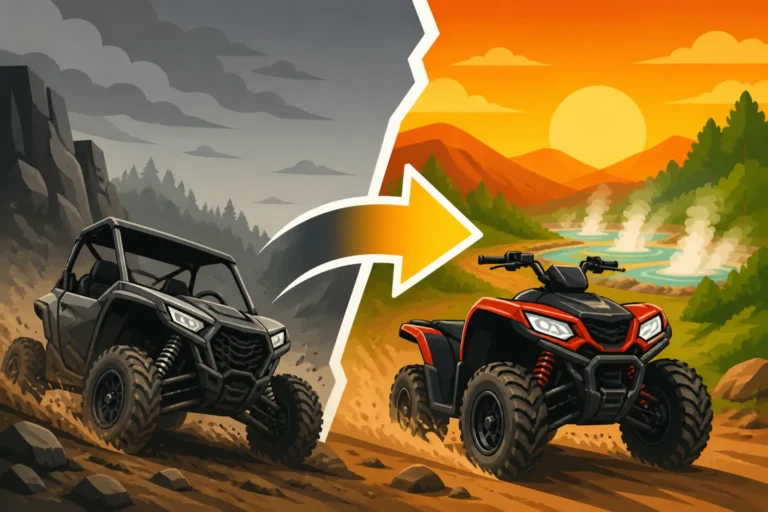
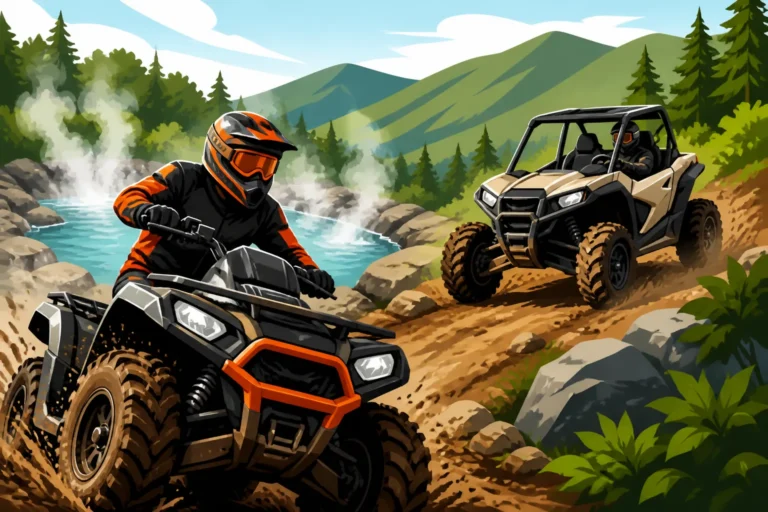
A muddy ride around Hot Springs can leave red clay, grit, and leaf litter packed into places you can’t easily reach by hand. The spray hose wash station at Hot Springs Off-Road Park gives riders a practical place to rinse off before loading up, but using it well takes a little care. This guide covers what to expect, how to wash without damaging your machine, and how to make cleanup easier.
What to expect from the wash station
Why a wash station matters after a Hot Springs ride
Mud is more than a cosmetic problem. Arkansas clay can dry into a hard layer over body panels, floorboards, and suspension parts, while fine grit can collect around moving components. If you load a muddy ATV or UTV straight onto a trailer, the dirt may also end up on tie-downs, ramps, and the inside of your truck bed. A rinse at the end of the ride helps contain the mess and makes later maintenance less unpleasant.
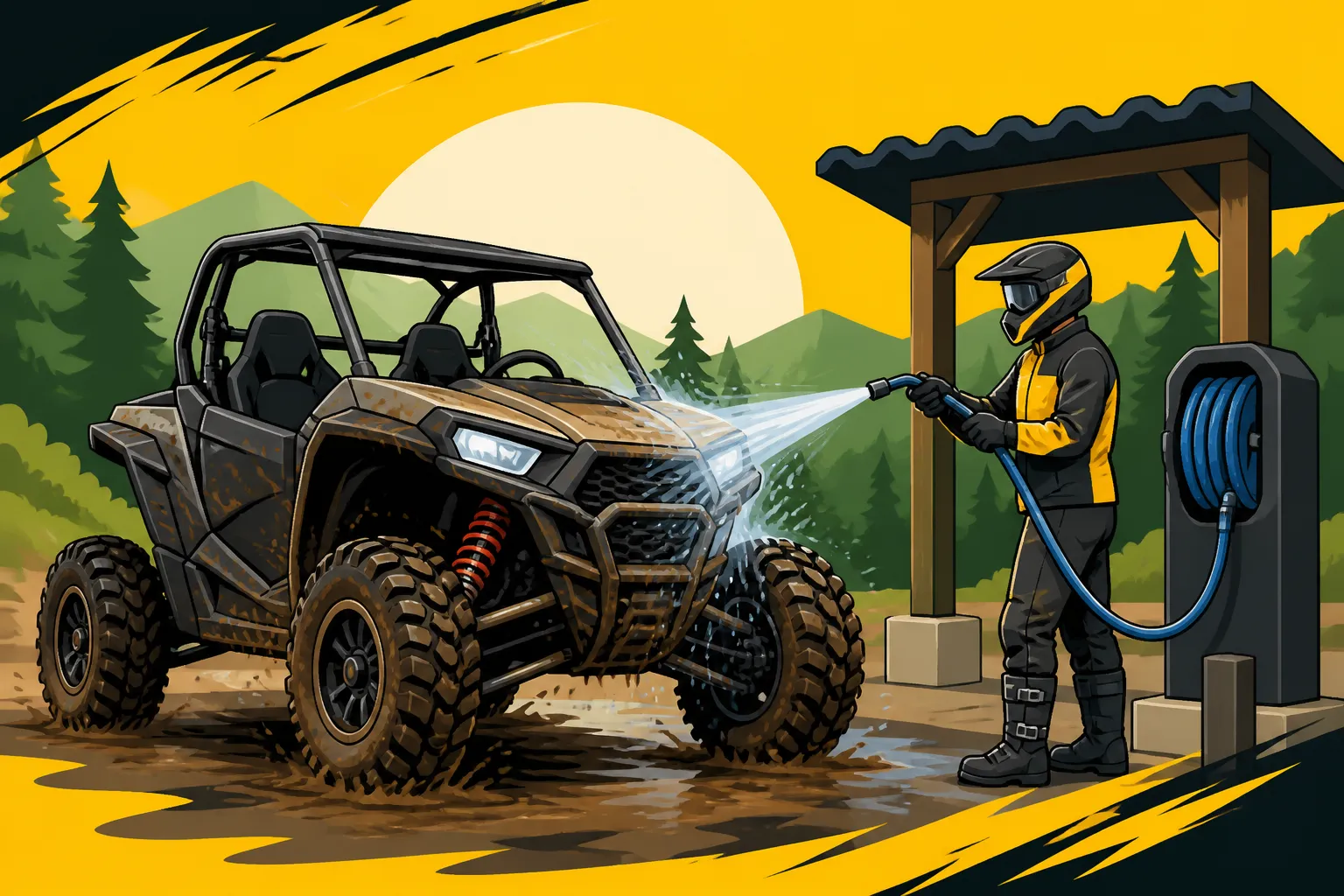
A designated wash area is especially useful after riding wet or dusty trails. At Hot Springs Off-Road Park, a spray hose wash station gives you a place to rinse the machine before leaving. Think of it as a first-pass cleanup, not a full service wash: the goal is to knock loose mud and debris off, not to make every surface look showroom-clean.
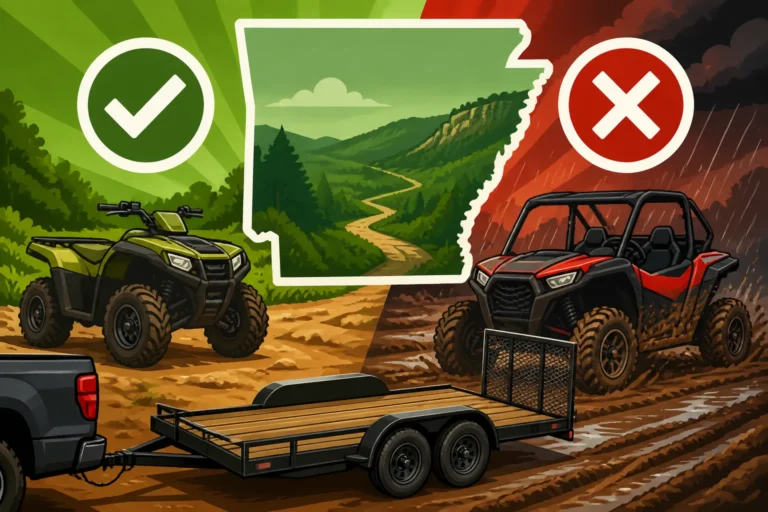
That distinction helps set expectations. You may still need to clean the machine more thoroughly at home, particularly after riding through sticky mud or water. If you’re planning a visit and comparing facilities, [Arkansas Riding Areas With Wash Stations] can help you think about cleanup access as part of choosing a riding destination.
What the hose can and cannot do
A spray hose can remove loose dirt from broad, accessible surfaces. It can help rinse mud off fenders, wheels, floorboards, and parts of the frame that are easy to reach. It may also make it easier to spot damage or leaks that were hidden beneath a thick coating of grime.
A hose is not a substitute for careful inspection or detailed cleaning. Caked mud may need time to soften before it comes away, and narrow gaps around suspension parts may hold debris even after a rinse. You should also avoid assuming that the station provides soap, brushes, compressed air, or any other equipment. Bring what you might need for a basic cleanup, and follow the park’s posted instructions about what is allowed.
The park’s broader riding environment shapes how dirty your machine gets. Trail type, recent weather, and riding pace all matter. Before heading out, check [Hot Springs Off-Road Park's Trail Network] and [Arkansas Trail Conditions Before You Tow] so you can plan for the kind of terrain and cleanup your trip may involve.
| Cleanup option | Best use | Main limitation |
|---|---|---|
| Spray hose at the park | Rinsing loose mud before loading | May not remove packed-in dirt |
| Soft brush and water at home | Lifting stubborn dirt from accessible areas | Requires more time and care |
| Detailed mechanical cleaning | Checking hidden areas after a muddy ride | May require tools or a mechanic’s help |
| Dry wipe-down | Removing dust from bodywork and controls | Not suitable for thick mud |
How to rinse an ATV or UTV safely
Start with a quick inspection
Before using the hose, park the machine in the designated area and let hot parts cool as appropriate. A long ride can leave components warm, and a sudden cold rinse on very hot surfaces is not a good habit. Check the park’s directions for where to position the machine and how to use the station, then make sure the hose is clear of tires, footwells, and anything that could trip you.
Take a minute to look over the ATV or UTV before rinsing. Note any broken plastic, loose guards, fresh fluid, or damage from the trail. If you notice a new leak or a part hanging loose, washing over it may make the issue harder to assess. Photographing a problem before cleanup can also give you a useful record for repairs or a conversation with a service shop.
A quick inspection is worthwhile even when you are tired and eager to get home. For example, a rider may notice that one side of a UTV is carrying more mud than the other. That could be ordinary trail splash, or it could point to a loose panel or damaged wheel-well liner. A rinse is easier to manage when you already know what you are looking for.
Use a gentle, controlled rinse
Work from the top down, allowing loose dirt to run off rather than blasting it into seams. Keep the hose moving and use a moderate spray. Avoid aiming directly at electrical connectors, seals, wheel bearings, intake openings, radiator fins, or other sensitive components. Water forced into these areas can create problems that are more expensive than the mud you were trying to remove.
Give extra attention to places where mud builds up, such as the underside of fenders, floorboards, and accessible frame areas. Don’t crawl beneath an unstable machine or reach into moving parts while rinsing. If your ATV or UTV has a winch, accessory wiring, or aftermarket equipment, use the manufacturer’s care guidance to decide what can safely be rinsed and what needs a more cautious approach.
A useful rule is to clean what you can see and reach without forcing water into openings. If a clump of mud will not come loose with a gentle rinse, let it soften or remove it later with an appropriate tool. The aim is to rinse away debris, not to prove that the hose can reach every hidden corner.
Protect the station and other riders
A wash station is shared space. Keep your machine contained within the designated area, avoid letting a hose sprawl across a walkway, and leave room for the next rider. If the station is busy, focus on a practical rinse instead of trying to detail every panel. Follow posted directions about water use, cleaning products, and where muddy runoff should go.
Keep children and companions clear of the spray area, especially while hoses are being moved. Mud and water can make the ground slippery, and a rider focused on rinsing may not notice someone walking behind the machine. If you are cleaning a side-by-side, check that passengers have stepped away from the doors and tires before you begin.
Good station etiquette also means leaving the area usable for the next person. Pick up your gear, coil or place the hose as directed, and avoid leaving clumps of mud where people walk or park. The small courtesy of a tidy rinse area makes a difference when several groups are packing up after a ride.
A practical post-ride cleaning routine
Before you leave the trail area
First, remove loose items from the machine that could get wet or fall off during the rinse. Secure bags, maps, phones, and tools. If you use a digital route-planning app such as onX Offroad, make sure your phone is safely put away before spraying; water, mud, and a distracted cleanup are a frustrating combination. Keep paper notes or a downloaded route available if you still need them for the drive out.
Next, check for debris that could cause a problem during transport. Remove large sticks or leaves from accessible areas, but don’t pull at anything caught near a fan, belt, or moving component. If something is wedged tightly, stop and assess it rather than yanking. A small pause can prevent damage to a hose, wire, or plastic cover.
Then rinse off the bulk of the mud, concentrating on areas likely to shed dirt onto your trailer. Pay attention to tires, fenders, and the lower sides of the machine. A quick look at [Washing Grit Off After a Ride] can help you build a sensible cleanup routine that continues after you get home.
Before loading onto a trailer
After rinsing, give the machine a moment to drain. Check the tires and footwells for clumps that may have been loosened but not washed away. If your trailer has a ramp or narrow loading surface, clear mud from the contact points where tires will roll. Mud on a ramp can make loading slick, particularly when footwear is wet.
Use sound tie-down points and keep straps away from sharp edges or parts that could move. Avoid placing a strap over muddy plastic or a panel that is not designed to carry load. If you notice a damaged tie-down point, don’t treat a quick rinse as a fix; adjust your loading plan or use a safe alternative.
Before driving away, check that your machine is secured, the hose and any personal cleaning gear are put away, and no loose items remain at the station. Riders who came in a group can make this a shared final check: one person looks at the straps, another checks the trailer ramp, and someone else confirms that the wash area is clear.
At home after a muddy ride
A quick rinse at the park reduces what you carry home, but a more careful inspection is still worthwhile. Once the machine is parked safely, look for packed mud around suspension components, guards, and other areas the hose could not reach. Clean according to the owner’s manual, particularly around air intakes, electrical parts, and components that have specific maintenance requirements.
After cleaning, let the machine dry and check for anything that appeared during the ride. Look for loose fasteners, damaged plastics, unusual tire wear, and signs of fluid leakage. If you hear a new noise or find damage you cannot confidently assess, have a qualified mechanic inspect it before your next outing.
Keep a simple record of maintenance and repairs, especially if you ride often. A note such as “muddy loop, rinsed at park, checked belt and tires at home” can help you remember what you did and notice patterns over time. onX Offroad can help you keep track of routes and ride plans, while a separate maintenance log is useful for recording cleaning and mechanical checks.
Planning your visit around cleanup
Pack a small wash and loading kit
You do not need to bring an elaborate detailing setup for a trail day. A few useful items can make the return trip easier: gloves, a microfiber towel, a small soft brush, a compact trash bag, and any machine-specific tools you already use for routine checks. Keep these items together so you are not searching through a muddy truck bed at the end of the ride.
Bring a change of clothes or a towel for yourself, too. Rinsing a muddy ATV can send water and grit back toward your boots and pants. Closed-toe footwear with decent grip is a practical choice around wet concrete or packed ground, and a dry layer can make the ride home much more comfortable.
If you use onX Offroad or another navigation tool, plan your route and save useful information before you get covered in mud. A phone is easiest to use before the ride or after you have washed and dried your hands. Keep it protected during cleanup, and do not rely on a device with a wet screen to manage trail directions or group coordination.
Account for weather and trail conditions
A dry day can still leave dust and fine grit on a machine, while recent rain may turn low spots into sticky mud. Conditions can change across a riding area, so one part of a route may be dusty while another is wet. Check trail information before departure and leave room in your schedule for a longer rinse if your machine comes back heavily coated.
Weather also affects loading and the drive home. If rain is continuing, muddy tires may pick up more debris after rinsing. If the ground around the station is wet, take extra care walking and loading. Don’t rush simply because the ride is over; slipping while handling a ramp or strap can turn an enjoyable day into an avoidable injury.
For broader trip planning, compare cleanup needs with access, trail style, and lodging. [Arkansas Private Off-Road Parks Compared] offers a useful way to think about how parks differ, and [Minutes From Downtown Hot Springs] can help you place the riding stop in the context of a wider Hot Springs visit. For trail-specific planning, [Hot Springs Off-Road Park's Trail Miles in Arkansas] is another relevant topic to review.
Make cleanup part of the ride plan
If you are traveling with a group, decide ahead of time who is rinsing first and who is securing trailers or gathering gear. That simple plan avoids a crowd around the hose and reduces the chance that someone drives off before all machines are checked. Groups with several vehicles may want to agree on a brief rinse standard: remove loose mud and clear loading surfaces, then do detailed cleaning later.
Leave time for the routine rather than treating it as an afterthought. A rider who schedules the day down to the last minute may be tempted to skip the rinse or rush through loading. Building in a little breathing room makes it easier to follow station rules, inspect the machine, and get everyone on the road without unnecessary stress.
It can also help to review your route before leaving and again after the ride. onX Offroad may be useful for organizing route information, but keep cleanup and mechanical notes separate from navigation details. If a trail was particularly muddy or difficult to follow, write that down while it is fresh so you can make a better plan for your next visit.
Common wash station mistakes to avoid
Using too much pressure or aiming at sensitive parts
The most common mistake is assuming that more force means better cleaning. A strong, direct spray can push water and dirt into seals or electrical areas rather than removing it safely. It can also damage delicate components or bend radiator fins. Use a controlled rinse and keep the nozzle at a sensible distance from sensitive areas.
Another mistake is directing the spray into openings because they look dirty. An intake, connector, or bearing area may need a different cleaning approach than a fender or tire. When in doubt, consult the machine’s owner’s manual rather than improvising with the hose. The manual’s instructions should take priority over general cleanup habits.
Finally, avoid spraying a component just because it is easy to reach. Focus on accessible mud and leave uncertain areas for a careful inspection at home or a professional service appointment. A few remaining dirt marks are far less concerning than water forced into a place it does not belong.
Leaving before checking the machine and trailer
A quick rinse can make it easy to overlook a loose panel or a strap that has shifted. Once the machine is clean enough to see, walk around it and check for obvious damage. Then inspect the trailer and loading points. Mud can conceal a strap that is twisted, a ramp that is not seated properly, or a tire that has picked up debris.
Don’t let the group’s departure momentum replace a proper check. One rider may be ready to leave while another is still loading. Agree that everyone will take a moment to confirm their own machine and trailer before the convoy heads out. If the trail day involved a bump or unusual impact, inspect that area more closely.
If you find a problem, address it before driving. A loose strap or obstructed ramp is not something to “keep an eye on” down the road. Clean the relevant area, correct the issue, and ask for help if you are unsure how to secure the machine safely.
Treating the rinse as the end of maintenance
A wash is a cleanup step, not a complete mechanical inspection. Mud can hide fresh damage, and a clean-looking machine can still have worn or loose components. Make a habit of checking tires, controls, lights, and visible mechanical parts after a demanding ride. Follow the maintenance schedule that applies to your ATV or UTV.
A recurring problem is postponing every inspection until the next outing. That can leave too little time to find parts or arrange service if something needs attention. A brief check at home, while the details of the ride are still fresh, is usually easier than discovering a problem when the group is already waiting at the trailhead.
The wash station is most useful when it fits into a complete routine: rinse loose mud, load carefully, inspect at home, and make repairs before riding again. For more trip-planning context, see [Arkansas Riding Areas With Wash Stations] and [Arkansas Trail Conditions Before You Tow]. That way, cleanup becomes part of the day rather than an unpleasant surprise after you get home.
Disclaimer
This article is for general informational purposes only and does not constitute professional advice. Laws, prices and regulations vary by location and change over time. Consult a qualified professional for guidance on your specific situation.