First Aid Worth Carrying on a Long Loop
Arkansas trail riding first aid kits require wound care basics, blister pads, and space blankets for remote routes.
The map is not the permission.
National forest and BLM routes, state OHV parks, and club trails crossing private land — with the closures and passes that decide whether today counts.
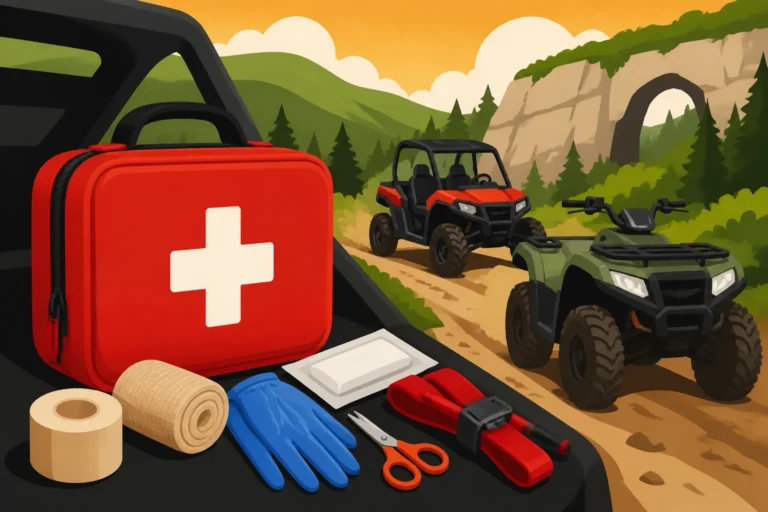
Arkansas trail riding first aid kits require wound care basics, blister pads, and space blankets for remote routes.
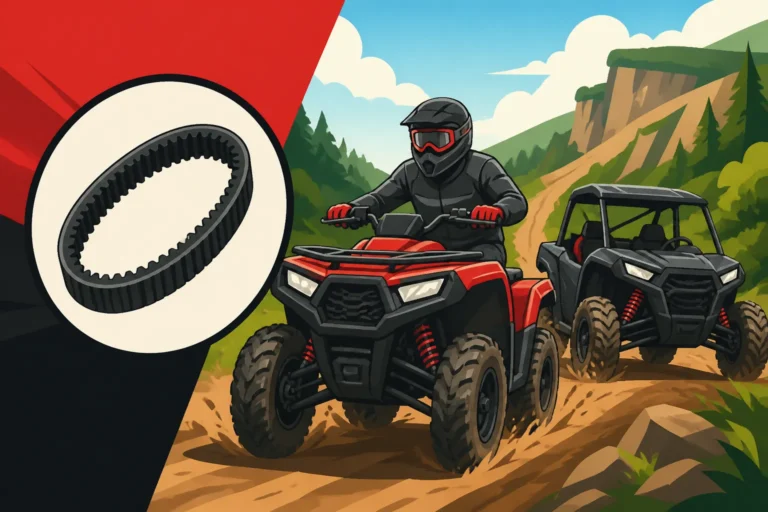
Carrying a spare ATV drive belt for Arkansas trail rides requires matching the correct part and clearing broken fragments.
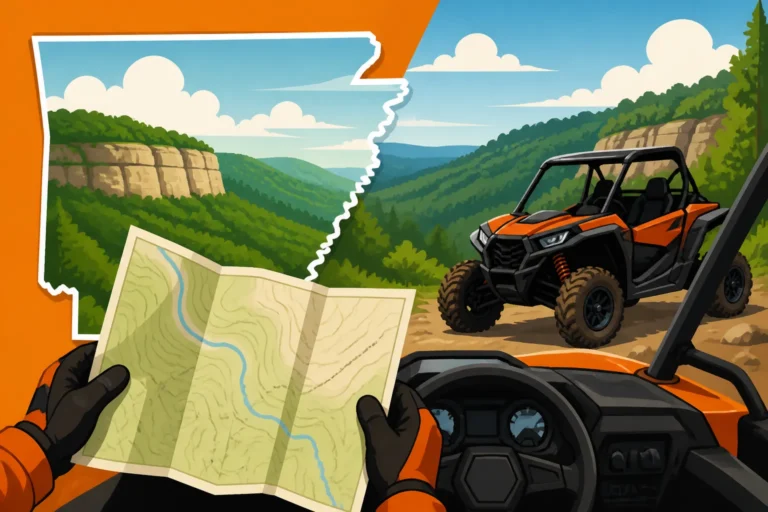
A paper map provides a dependable backup navigation tool for riding areas in the Ouachita and Ozark-St. Francis National Forests.
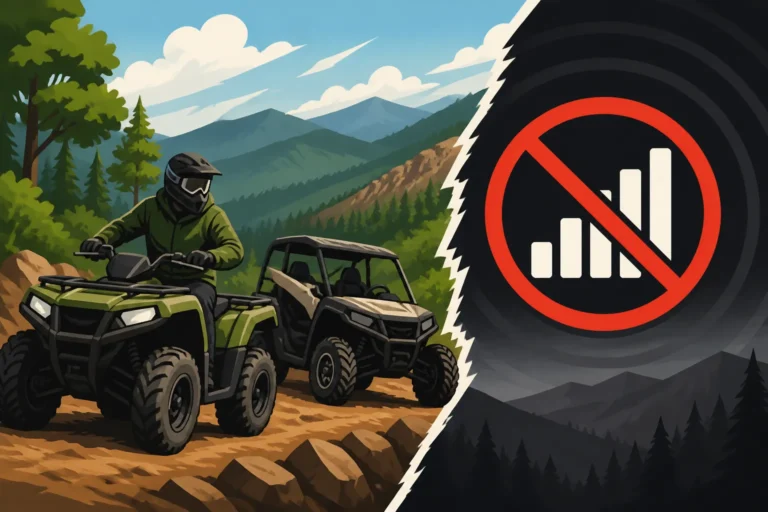
Cell dead zones in the Ouachita Mountains can disrupt communication, requiring offline maps and backup safety plans.
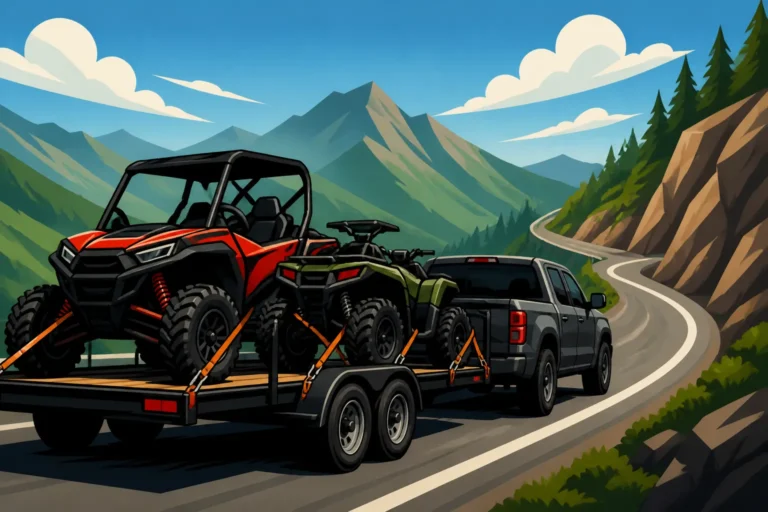
Trailer safety on steep Arkansas mountain roads requires planning routes, checking loads, and preparing for slow climbs.
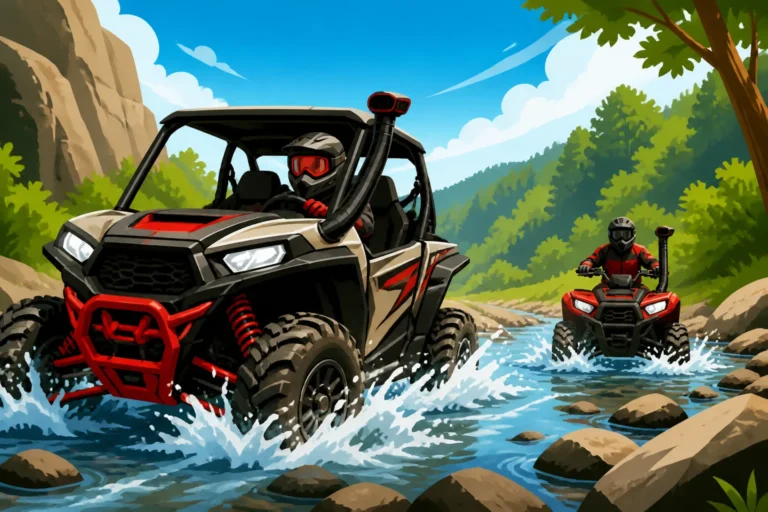
ATV and UTV snorkel kits raise intake openings to help protect machines, but they do not make vehicles waterproof during creek crossings.
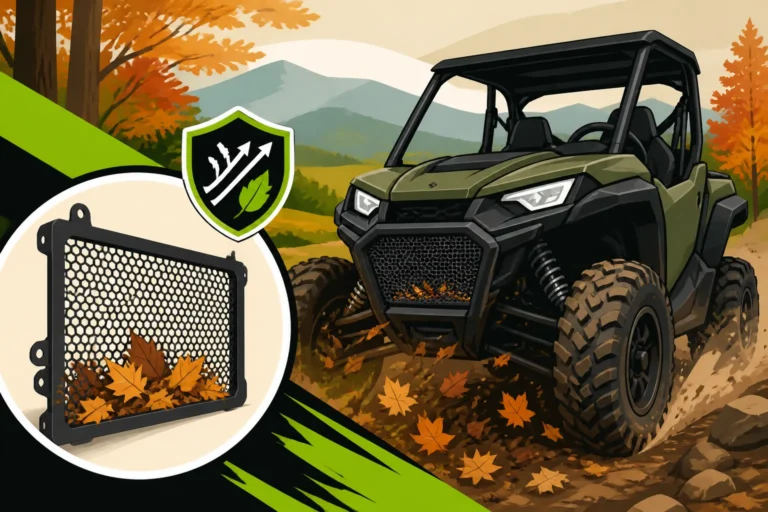
Radiator screens for Arkansas ATV and UTV riding prevent leaves from blocking airflow and causing engine overheating.
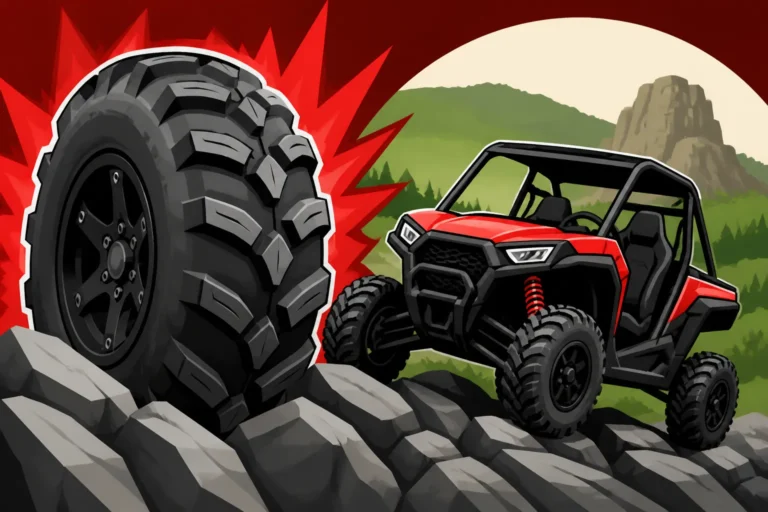
ATV and UTV tire selection for rocky Arkansas trails helps riders prevent sidewall cuts and reduce damage on rough paths.
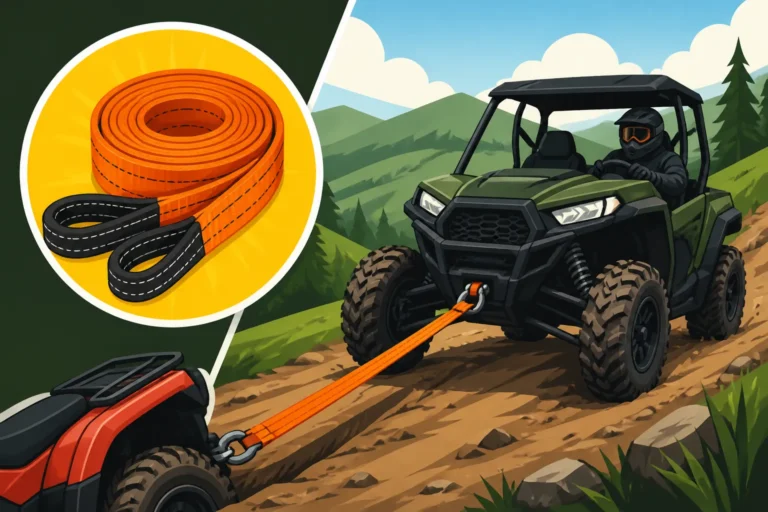
Tow strap use for stuck ATV and UTV vehicles on Arkansas hills explains packing, safe connections, and pull limits.
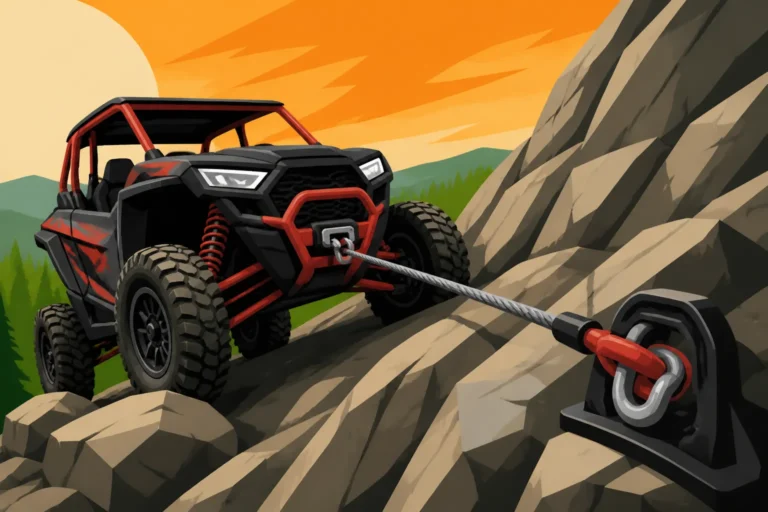
Arkansas ATV winches, trail weather conditions, and three safety questions help riders navigate steep rock climbs.