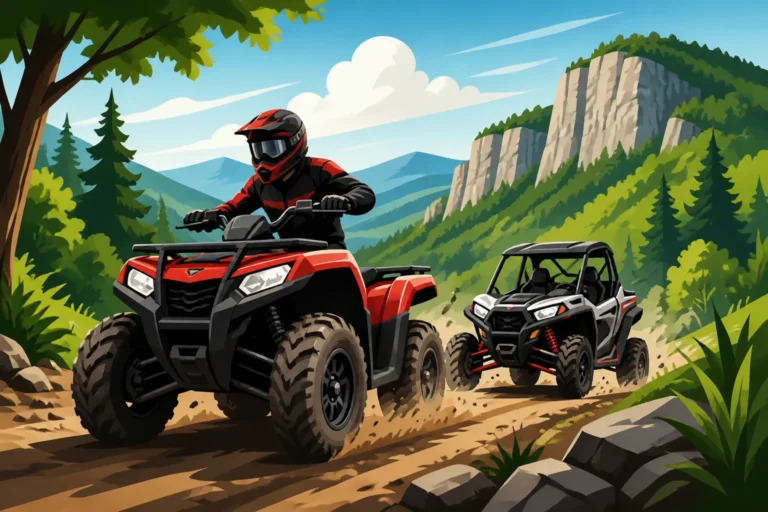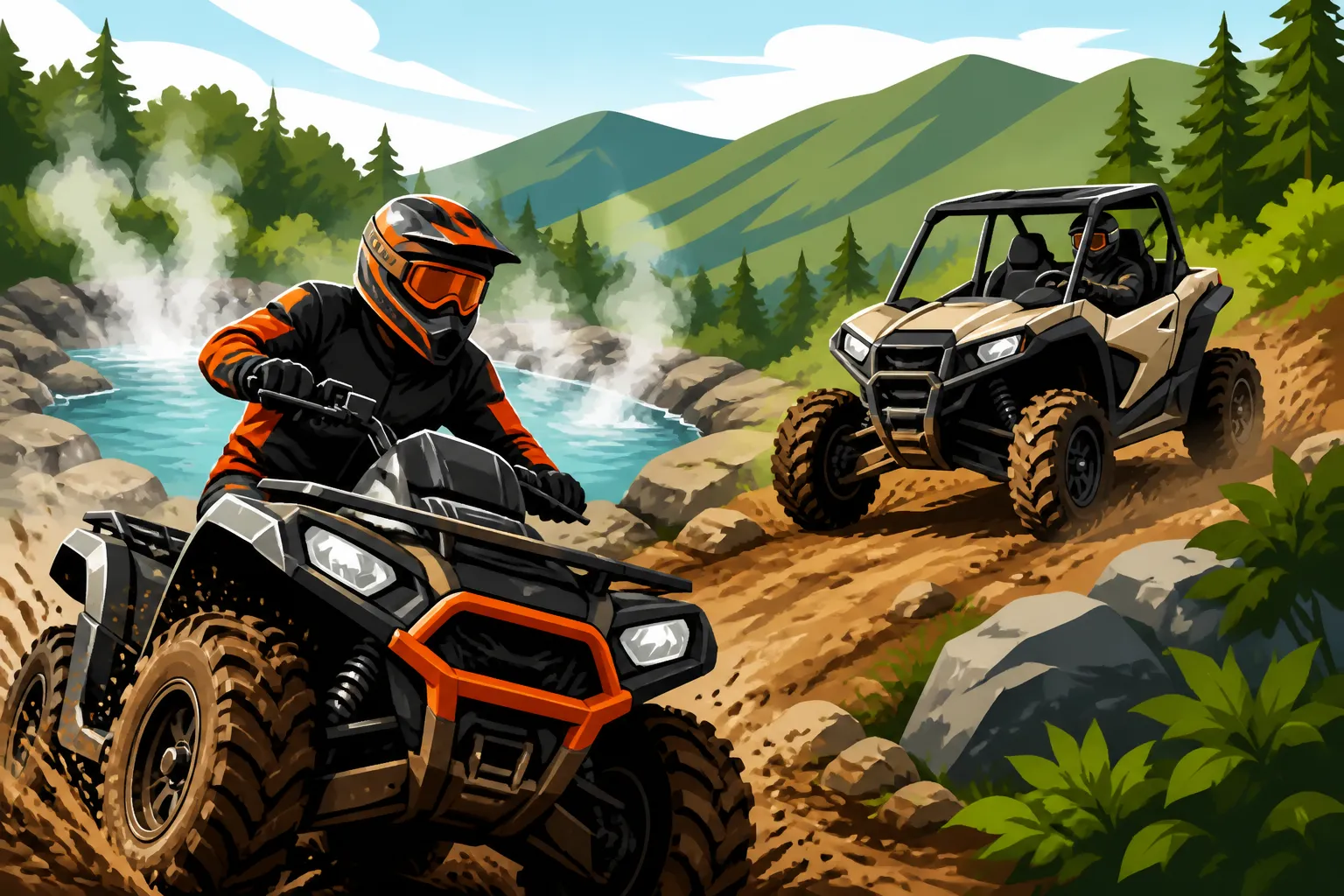
Hot Springs Off-Road Park in Arkansas
Hot Springs Off-Road Park is a popular destination for riders near Hot Springs, Arkansas, but a fun day can turn stressful if you arrive with the wrong machine, miss a rule, or assume every trail suits every skill level. This guide explains how to plan your visit, choose trails and gear, understand park logistics, and ride responsibly.
Getting to Know Hot Springs Off-Road Park
Where the park fits into an Arkansas riding trip
Hot Springs Off-Road Park is a private riding destination in the Hot Springs area, where the Ouachita landscape brings wooded hills, rocky ground, and changing elevation. It offers a different experience from riding on public forest roads: you enter a managed off-road park and follow that property’s access rules, trail system, and operating guidance.
That distinction matters when you’re planning a trip. Rules for a national forest, wildlife management area, or nearby public road do not automatically apply inside a private park. Likewise, a permit intended for public land should not be assumed to cover admission or access at a private riding area. For a broader comparison of private destinations, see [Arkansas Private Off-Road Parks Compared].
The park is also close enough to Hot Springs to pair a ride with a town visit, an overnight stay, or other area activities. Still, don’t treat “near town” as a substitute for planning. A trail day can take longer than expected, especially when your group includes new riders, you stop often, or ground conditions slow your pace. Plan your schedule around time on the trails, not just the drive to the entrance.
What to confirm before you leave home
Start with the park’s own current information. Check whether it is open on your intended date, what entry arrangements are required, and whether your machine is permitted. Confirm any restrictions that apply to vehicle type, width, passengers, age, or safety equipment. These details can affect whether a quad, dirt bike, or side-by-side is suitable for the visit.
Ask about trail access and conditions, too. A route that was open during a previous visit may be closed or changed after weather, maintenance, or other conditions. If your plans depend on riding a particular type of terrain, ask which routes are appropriate for your vehicle and experience rather than assuming the whole network is available to everyone.
Finally, clarify practical details before loading the trailer: where to check in, where to park or unload, what payment methods are accepted, and whether you need to book anything in advance. If you’re bringing a group, assign one person to confirm the details and share them with everyone. That simple step can prevent the familiar parking-lot scramble when one rider assumed a helmet was optional or thought a machine could be added at the gate.
Choosing Trails for Your Machine and Skill Level
Match the ride to the least experienced person
A trail should be a good fit for the entire group, not just the most confident rider. Before setting out, talk honestly about experience. Has everyone ridden on uneven ground? Can each person manage a hill, a tight turn, or loose rocks without panicking? Is anyone uncomfortable with steep grades or narrow routes? Those answers help determine where to start.
If one person is new, begin with easier terrain and let that rider build confidence before tackling a more demanding route. This is not about holding an experienced group back. It is about avoiding a situation where a nervous rider freezes on a climb or feels pressured to keep moving when they need a break. A steady first loop can make the rest of the day more enjoyable for everyone.
Trail labels and difficulty descriptions are useful, but they are not a guarantee that every section will feel the same to every rider. Machine size, tires, ground conditions, weather, and experience all change how a route feels. Use [Arkansas Trail Ratings and What They Mean] as a reminder to treat ratings as guidance, not a promise that a trail will be effortless.
Check machine fit before choosing a route
Your vehicle affects which trails make sense. A small quad may maneuver comfortably in tighter areas, while a wide side-by-side needs more room and can be limited by narrow passages or other features. Before selecting a route, confirm the park’s current width and vehicle rules. If you’re unfamiliar with your machine’s actual width, check its specifications or measure it rather than guessing from its appearance.
Ask about ground clearance, tires, and any equipment that may affect your chosen ride. Rocky or uneven surfaces can challenge a low-clearance machine, while mud or loose ground may demand a different approach from a dry, packed trail. A machine that feels stable on a familiar farm track may behave differently on a slope or rougher surface.
If you are riding a side-by-side, discuss passenger seating and safety equipment before arriving. Make sure each person has an appropriate seat and understands how to use the vehicle’s restraints and controls. For a closer look at what to consider when choosing a destination for a larger machine, see [Arkansas ATV Trails That Allow Side-by-Sides]. Never assume that a trail being open to off-road vehicles means every vehicle size can use it.
Use maps and local guidance thoughtfully
A map helps you understand the general layout, identify routes, and keep your group oriented. A tool such as onX Offroad can help with advance planning, especially when you want to mark a meeting point or keep a map available on your phone. Use it as a planning aid—not as a replacement for the park’s official trail map, posted signs, staff instructions, or current closures.
Before leaving the staging area, agree on which route you intend to ride and where you will regroup if people become separated. Save a map for offline access if the area has weak mobile coverage. A phone with a full battery is useful, but it should not be your only navigation plan. A printed map or a clear understanding of trail markers can help when reception disappears or a device gets damaged.
Keep checking signs as you ride. If an app appears to show a route that conflicts with a barrier or posted direction, obey the sign and ask park staff for clarification. Maps can lag behind changing conditions, and a line on a screen does not grant permission to pass a gate. For additional planning reminders, [Arkansas Trail Conditions Before You Tow] is a useful companion topic.
Planning a Smooth Visit
Build a realistic day schedule
A comfortable ride day needs more time than the ride itself. Allow for check-in, unloading, safety checks, getting familiar with the controls, and deciding where to go. Add breaks for water, food, and regrouping. If you’re traveling with children or first-time riders, those pauses are part of the plan, not wasted time.
Avoid trying to cover too much ground. A group that rushes through the first part of the day may end up tired or frustrated before it reaches the routes everyone was looking forward to. Choose a manageable first ride, check in with the group afterward, and adjust your plan based on energy and conditions. A shorter, enjoyable outing is usually better than a long day that turns into a test of endurance.
Think about the drive home as well. Muddy, tired riders still need to load machines safely, secure equipment, and travel. Leave enough daylight and time to clean up or change clothes if needed. If you’re staying overnight, plan lodging and meals before the day gets busy. For trip ideas beyond the trailhead, [Minutes From Downtown Hot Springs] can help you think through the park’s proximity to town.
Prepare for check-in and group coordination
Before arriving, decide who is responsible for checking in and keeping track of the group’s requirements. If several machines are coming, make a simple list of riders, vehicles, and essential gear. This is especially helpful when the group includes people arriving in separate vehicles or when one person is unfamiliar with the park.
At the start of the day, agree on a basic communication plan. Identify a place to regroup if riders lose sight of one another, and tell everyone what to do if a machine stops or someone needs help. Carry a phone if appropriate, but don’t rely on a signal being available everywhere. A buddy system keeps a minor mechanical problem from becoming a rider alone on an unfamiliar trail.
Be considerate of other visitors during unloading and staging. Keep vehicles and trailers organized, avoid blocking access, and follow staff directions. If you’re unsure where something belongs, ask rather than improvising. A little patience during check-in can set a better tone for the whole day, especially on a busy weekend.
Know what a private park visit does and does not cover
A private park visit is not the same as unrestricted use of every nearby trail or road. Stay within the park boundaries and use the access areas designated by the operator. Do not ride on nearby public roads, private land, or forest routes unless you have separate legal access and meet the applicable requirements.
The same distinction applies to permits. Public riding areas may have their own pass systems, while private parks establish separate entry policies. Don’t purchase a public-land permit expecting it to substitute for a park’s requirements, and don’t assume park admission gives you access to public trails outside the property.
If you want to ride more than one kind of area during a trip, plan each stop separately. Check the rules for that specific destination, including vehicle restrictions, permits, and seasonal closures. For example, the guidance in [Arkansas OHV Permits: Two Forests, Two Prices] concerns public-land access and should not be confused with the private park’s entry procedures.
What to Bring for a Comfortable Ride
Wear protective gear that suits the ride
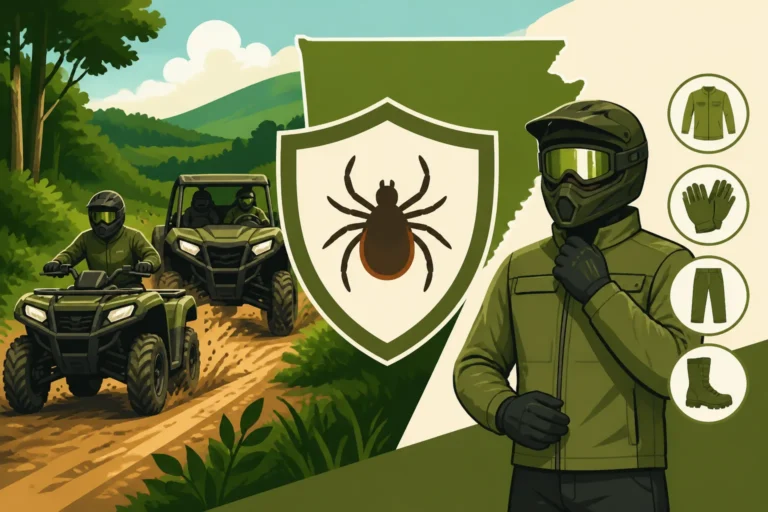
Dress for the conditions, not just the temperature at the trailhead. A helmet appropriate for your machine and activity is a sensible baseline. Goggles or other eye protection help shield your eyes from dust, branches, and debris. Gloves and sturdy footwear can make it easier to maintain control and protect your hands and feet from scrapes and rough ground.
Long sleeves and durable pants can help reduce exposure to brush, grit, and sun. Choose layers if the day may change from cool in the morning to warm later. Avoid clothing that can catch on controls or moving parts, and keep loose items secured. A small detail like sunglasses that slide down your nose can become surprisingly distracting on a bumpy trail.
Bring extra water and drink regularly, particularly in warm weather or when you’re exerting yourself. Pack snacks, any needed personal medication, sunscreen, and basic first-aid supplies. Make sure every rider understands the location of shared supplies before the group spreads out. On a long day, the item you need most is often the one left in a truck at the staging area.
Pack for weather and changing trail conditions
Weather in the Hot Springs area can shift, and a forecast does not tell you exactly what the surface will be like at the park. Rain can change traction, make some routes more challenging, and affect whether particular areas are open. Check conditions before driving and ask the park about closures or restrictions rather than assuming a wet forecast means the whole system is unusable.
A compact rain layer, a dry change of clothes, and a bag for muddy gear can make the end of the day much less unpleasant. If the weather is hot, pack extra water and consider how much shade your group will have during breaks. If it’s cool or damp, layers can help you stay comfortable when you stop moving.
Plan for the machine, too. Bring any basic supplies you are comfortable using, such as a tire gauge or a small tool kit, while leaving repairs beyond your ability to qualified help. Make sure your machine is in good condition before the trip: check tires, brakes, lights where relevant, fluids, and fuel. A quick inspection at home is easier than finding a preventable problem after unloading.
Keep trail and staging areas clean
Bring a bag for trash and pack out what your group brings in. Keep food wrappers, bottles, and broken gear out of the trail system. If you stop for a snack, take a moment to check the area before leaving. Small pieces of litter are easy to miss when everyone is eager to get moving again.
Mud and grit are part of off-road riding, but they can create practical problems when you get home. Plan how you will secure dirty gear and protect the tow vehicle or trailer. Ask the park whether it offers cleaning facilities or has particular expectations for washing machines. Information about [Hot Springs Off-Road Park's Spray Hose Wash Station] may be useful when you’re deciding what to bring and how to handle cleanup.
Cleaning also helps you notice damage. Once the machine is parked, look for loose parts, cuts in tires, damaged guards, and debris packed into areas that need ventilation. Remove mud carefully and follow the manufacturer’s guidance for cleaning sensitive components. A tidy post-ride check can catch an issue before the next outing.
Riding Responsibly and Handling Common Problems
Follow signs, boundaries, and staff directions
Stay on routes the park has designated for riding. A closed trail may be protected for maintenance, safety, or environmental reasons. Going around a barrier can damage the area and create risk for you and other riders. If you’re unsure whether a route is open, stop and ask rather than trying to interpret a confusing junction on the move.
Respect other visitors by managing speed, giving people room, and slowing down when visibility is limited. Dust, blind corners, and uneven surfaces can make it hard to see someone approaching. Keep enough distance from the vehicle ahead to react safely, and don’t pressure a slower rider to go faster than they are comfortable going.
Follow staff instructions even if they differ from what you remember from a previous visit. Conditions and operating procedures can change. If you believe a sign or direction is unclear, ask calmly at a safe place. The goal is not to win an argument about the map; it is to understand where you can ride that day and keep the group out of trouble.
Stop safely when a rider or machine needs help
If a rider is separated or has a problem, keep the rest of the group together and choose a safe place to stop. Don’t send one person alone to search without agreeing on where to meet or how to communicate. If the rider is injured or the situation seems serious, contact park staff or emergency services as appropriate and give them the clearest location information you can.
For a machine issue, move out of the active riding line if it is safe to do so. Avoid attempting repairs on a steep slope or in a place where other riders may not see you. If you cannot move the machine, use your agreed-upon plan to get assistance. Carrying basic tools is useful only when you know how to use them and the repair is safe.
A small problem can become more serious when people rush. Take a breath, check for injury, and make sure everyone is accounted for before deciding what to do next. If the affected rider is shaken or fatigued, reassess whether they want to continue. There is no prize for finishing the route if someone no longer feels safe.
Protect the trail and the experience for others
Wet or soft ground can be especially vulnerable to damage. Follow park guidance about whether a trail is suitable for riding after rain, and avoid creating unnecessary ruts by spinning tires or repeatedly attempting a line that is clearly beyond your machine or skill. If conditions deteriorate, turn around where safe and choose a more appropriate route.
Be patient at obstacles and narrow sections. Give the rider ahead space and wait until the route is clear before moving forward. If you need to pause, choose a spot that does not block the trail. A little courtesy prevents congestion and lowers the chance of a collision or an awkward recovery.
Remember that responsible riding includes the way you treat the surrounding community. Secure machines and gear during transport, keep noise under control where required, and follow local rules once you leave the park. Riding respectfully helps protect access and keeps the destination enjoyable for future visitors.
Making the Most of a Hot Springs Riding Weekend
Combine riding with a realistic overnight plan
If you’re making a longer trip, decide whether you want to stay near the park or in Hot Springs. Think about trailer parking, machine security, meal options, and how much driving you want to do after a full day outdoors. A place that looks close on a map may feel less convenient when you’re towing or returning with muddy equipment.
Ask lodging providers about their policies for trailers, outdoor gear, and dirty machines rather than assuming those details are covered. If you are traveling with a group, agree on sleeping arrangements and meal plans ahead of time. Unclear logistics can drain the fun out of a weekend faster than a challenging trail.
Build flexibility into the itinerary. If weather changes or the group tires sooner than expected, have a backup plan that does not depend on squeezing in one more ride. The Hot Springs area gives visitors options beyond the trail, and a relaxed schedule makes it easier to enjoy the trip even when riding plans shift.
Choose rental or guided options with care
If you don’t own a machine, ask what rental options are available and what is included. Clarify the vehicle type, passenger rules, orientation, safety equipment, fuel expectations, and any restrictions on where the machine may be used. Confirm whether the rental is associated with the private park or requires separate arrangements. For related planning, see [Hot Springs Off-Road Park Rentals].
A guided ride can be a good fit for visitors who are new to the area or prefer not to navigate independently. Before booking, ask about the guide’s route, pace, group size, rider experience expectations, and what happens if weather affects the outing. A guided trip is not automatically the right choice for every group, but it can reduce uncertainty for first-time visitors.
Read any agreement carefully before signing. Pay attention to responsibility for damage, passenger requirements, and the steps to follow if a vehicle has a problem. If you are considering a guided experience, [Hot Springs Off-Road Park Guided Tours] is a relevant topic to explore as you compare options. Check the operator’s own current details before making plans.
Leave room for the part after the ride
The ride does not end when the engine stops. Allow time to check the machine, secure it for transport, account for all gear, and clean up. If your group is staying nearby, arrange a place to change clothes and store muddy items. Those simple preparations make the return drive safer and more comfortable.
Ask about facilities before you need them. Restrooms, changing areas, showers, or wash options can vary, and you’ll want to know what is available rather than discovering a limitation when everyone is tired. [What the Bathhouse at Hot Springs Off-Road Park Offers] can help you think through which facilities to ask about when planning your visit.
Before heading home, do one final walk-around. Check that straps and tie-downs are secure, ramps are stored, loose equipment is stowed, and nothing has been left behind. Then take a few minutes to note what worked and what you would change next time. Maybe the group needed more water, a shorter loop, or a different machine setup. That little review makes the next trip easier to plan.
Quick Planning Checklist
| Before the trip | At the park | Before you leave |
|---|---|---|
| Confirm opening details, entry requirements, and current rules | Check in and review posted directions | Inspect machines and secure them for transport |
| Verify vehicle eligibility and any size restrictions | Choose a route that fits the whole group | Pack out trash and gather all gear |
| Check trail conditions and possible closures | Keep the group together and follow trail signs | Clean or protect muddy equipment as needed |
| Prepare protective gear, water, food, and basic supplies | Stop safely if someone needs help | Confirm tie-downs and trailer connections |
| Plan parking, lodging, and transportation | Respect other riders and closed areas | Make a note of anything to prepare differently |
Hot Springs Off-Road Park can make a memorable Arkansas riding trip when the plan matches the group, machine, and conditions. Confirm the park’s current rules before traveling, start with routes that suit the least experienced rider, and treat signs and staff guidance as the final word on where you can go. A thoughtful plan leaves more room to enjoy the ride.
Disclaimer
This article is for general informational purposes only and does not constitute professional advice. Laws, prices and regulations vary by location and change over time. Consult a qualified professional for guidance on your specific situation.