What Happens to the Decal When You Sell
Selling your trusty ATV in Arkansas can feel like a straightforward transaction, but when it comes to the registration decal, things can get a little hazy. Many riders wonder if they should peel it off, if it transfers with the machine, or what exactly a new owner needs to do. This guide is here to untangle those questions, walking you through what happens to that distinctive Arkansas ATV decal when you pass the reins to a new owner, and what both buyers and sellers need to know.
Understanding Arkansas's Unique ATV Registration Decal
The system for ATV registration in Arkansas is truly one-of-a-kind, and it’s often a source of confusion for folks used to annual renewals for their cars and trucks. When you’re selling your machine, understanding this unique structure is the first step to a smooth transaction.
The "One-Time" Nature of Arkansas ATV Decals
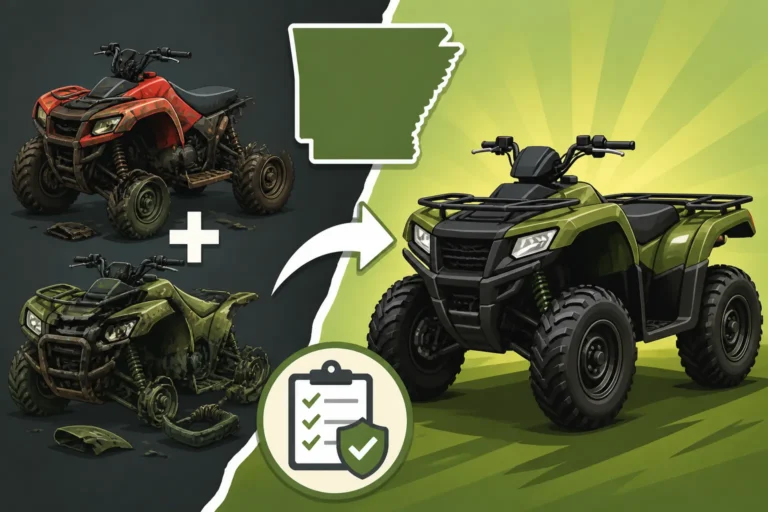
One of the most important things to grasp about an Arkansas ATV registration is that it’s a one-time event. Unlike vehicle tags that expire every year, an ATV decal, once issued, essentially registers the machine permanently. This means that when you registered your ATV, you paid a fee, and you received a decal that doesn’t have an expiration date in the traditional sense. It’s a bit like getting a birth certificate for the ATV itself; once it’s been registered, it's considered registered indefinitely in Arkansas, regardless of who owns it. This is a crucial distinction that sets Arkansas apart and often surprises people. If you want to dive deeper into this, check out our guide on [Arkansas ATV Registration: One Time, Never Renewed].
The decal itself is visual proof that the machine has fulfilled its initial registration requirement with the state. It signifies that the ATV has been processed through the Department of Finance and Administration (DFA) system at least once. This permanency means you won't ever receive a renewal notice in the mail for your ATV, and you won't have to scramble to get a new sticker every year. It simplifies things in one way, but can certainly complicate the understanding of a private sale.
What the Decal Doesn't Signify for the Buyer
While the presence of an existing Arkansas ATV decal is certainly a good sign—it confirms the machine has been registered in the state previously—it’s vital to understand what it doesn't mean, especially for the new buyer. The decal does not automatically transfer ownership or guarantee that the new owner is compliant with all of Arkansas's ATV laws. It doesn't, for example, mean the new owner is absolved of their own responsibilities.
The existing decal is tied to the machine's initial registration status, not to the current owner's personal details. Think of it this way: if you sell your house, the house still has its original address, but the new owners still have to change the utility accounts and update their mailing information. Similarly, the ATV remains "registered" in the state’s system, but the new owner still has a distinct set of obligations to fulfill to make it their legally registered machine and to pay the sales tax. This often includes getting new paperwork in their name and paying any applicable sales tax, even if the decal is already affixed to the ATV.
Seller's Responsibilities Regarding the Decal and Registration
When you're the one selling your ATV, you might stare at that decal, wondering what your next move should be. Do you scrape it off? Leave it on? What about notifying the state? It's easy to overthink it, but the process is actually quite straightforward for the seller.
Should You Remove the Decal?
This is a common question, and there's no hard-and-fast legal rule requiring you to remove the existing decal before selling your ATV in Arkansas. Some sellers choose to leave it on, especially if it’s in good condition and clearly displays the registration number. Their reasoning is often that it proves the machine has been properly registered at some point. However, many other sellers prefer to remove it, and there are good reasons for doing so.
One primary reason to remove the decal is to prevent confusion for the new buyer. If the decal is present, a new owner might mistakenly believe they don't need to do anything further, which could lead to them being cited for not properly registering the machine in their name and paying sales tax. Removing the decal cleanly can signal to the buyer that their own registration process, including tax payment and submitting paperwork, is still necessary. It makes it clear that while the machine was registered, they still need to complete their part of the transaction with the state to bring the registration under their ownership and satisfy sales tax requirements. For more details on where the decal actually goes, read [Arkansas ATV Decal Rules and Where It Goes].
Notifying the Arkansas DFA About the Sale
Given the "one-time" nature of Arkansas ATV registration, you don't actually "un-register" an ATV in the same way you might cancel an annual vehicle registration. Since the registration is tied to the machine itself, rather than renewing annually with a specific owner, there's no formal process for the seller to notify the Arkansas Department of Finance and Administration (DFA) that they no longer own the ATV. This is different from how car titles work, where you might sign over a title and the state updates its records based on that transfer.
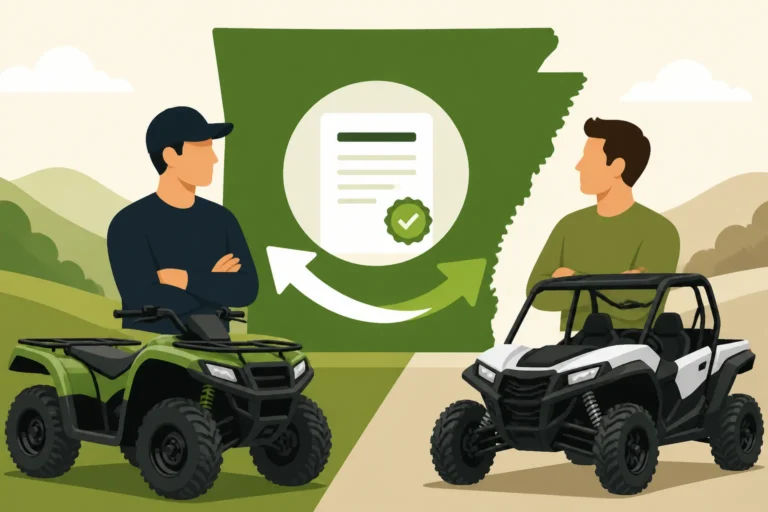
Instead, the crucial step for the seller is to ensure a proper and comprehensive transfer of ownership documentation. Your responsibility lies in clearly severing your legal ties to the machine through a robust bill of sale. This documentation, which includes the ATV's Vehicle Identification Number (VIN), the date of sale, and the buyer's information, protects you from any future liability associated with the machine once it's out of your possession. The DFA's records will eventually be updated when the new owner comes in to register the ATV in their name and pay sales tax. So, while you don't actively "deactivate" the decal, you absolutely must secure your own paperwork trail.
Why a New Owner Must Still Register the ATV
Even with a decal affixed to the ATV, the new owner cannot simply hop on and ride without taking their own steps to register the machine. There are critical reasons why a new registration process is mandatory for the buyer, regardless of the ATV's prior status.
The Buyer's Obligation to Pay Sales Tax and Register
The biggest reason a new owner must register an ATV, even if it has an existing decal, boils down to sales tax. In Arkansas, sales tax is assessed on the purchase of an ATV, whether it's bought new from a dealer or used from a private seller. The state revenue offices are primarily concerned with collecting this tax on every transaction. When a new owner goes to register the ATV in their name, this is when the sales tax on their purchase will be calculated and paid. This is a non-negotiable step for anyone acquiring an ATV in Arkansas. For a detailed breakdown, see [Arkansas Sales Tax on an ATV Purchase].
Even if an ATV has been registered for years and sports a perfectly good decal, the act of selling it triggers a new sales tax obligation for the buyer. If the new owner simply starts riding without registering the machine in their name and paying the tax, they are essentially riding an illegally unregistered vehicle and could face penalties. It's not just about getting a new piece of paper; it's about fulfilling a financial obligation to the state that comes with the transfer of ownership. This is true even if they plan on riding it solely on private land, as you'll discover in [Arkansas Registration Even for Backyard Riding].
Establishing Proof of Ownership for the New Owner
Another critical reason for the buyer to complete a new registration is to legally establish their proof of ownership. While the existing decal confirms the machine was registered, it doesn't confirm who currently owns it. The DFA needs official documentation to update their records and link the ATV to its new rightful owner. Without this step, the new owner might run into difficulties proving the machine is theirs, especially if they need to report it stolen, insure it, or sell it themselves down the line.
The primary document for establishing new ownership in a private sale is a comprehensive bill of sale. This document acts as the legal record of the transaction. It should clearly identify the ATV by its VIN, list the seller and buyer information, the sale price, and the date of the transaction. A properly executed bill of sale is indispensable for the buyer when they present their paperwork at a revenue office to complete their registration. Reputable platforms like LawDepot offer templates for an Arkansas ATV bill of sale, ensuring all the necessary fields are included for legal clarity and compliance. This document is essential for the buyer to satisfy [Arkansas Proof of Ownership for Registration] requirements.
Practical Scenarios and Best Practices for Sellers
As a seller, your goal is to make the process as smooth as possible for both yourself and the buyer, while also protecting your own interests. This means being proactive with documentation and clear communication.
Documenting the Sale Thoroughly
The single most important thing you can do as a seller in Arkansas is to create a robust and detailed bill of sale for your ATV. This isn't just a casual receipt; it's a legal document that formally transfers ownership and protects you from future liability once the machine is out of your hands. A good bill of sale should include:
- The full Vehicle Identification Number (VIN) of the ATV.
- The make, model, and year of the ATV.
- The purchase price agreed upon.
- The exact date of the sale.
- Your full name, address, and signature as the seller.
- The buyer's full name, address, and signature.
Having all these details clearly laid out ensures there's no ambiguity about the transaction. It serves as your official record that you no longer own the machine. Think of it as your insurance policy against someone later claiming you still own it or are responsible for something that happens after the sale. Many online resources, including professional document services like LawDepot, can provide templates for an Arkansas-specific bill of sale, ensuring you don't miss any critical information. It’s also wise to make two copies – one for you to keep permanently, and one for the buyer to take with them. You can find more information on specific requirements in our article about [Arkansas ATV Bill of Sale Requirements].
Guiding the Buyer on Their Registration Journey
Even though the registration process is the buyer's responsibility, a thoughtful seller can go a long way in ensuring a smooth transition. Providing the buyer with clear information and any relevant paperwork you have can save them a lot of headaches and reflects positively on you as a seller. This includes explaining how Arkansas ATV registration works – specifically, the one-time nature of the decal and why they still need to complete their own registration and sales tax payment.
If you have a copy of your original registration application (often Arkansas DFA Form 10-381), or any other official documents related to the ATV's initial registration, consider providing copies to the buyer. While it won't replace their new documentation, it can serve as a historical record and potentially aid them in their process. Encourage them to visit an [Arkansas Revenue Offices That Handle ATVs] promptly. Most importantly, inform them about the state's requirement to register the machine and pay sales tax within [Thirty Days From the Day You Buy] it. This proactive communication helps the buyer avoid potential fines or legal issues down the road and sets them up for a successful experience as the new owner.
Common Misconceptions About Decals and Resales
It's easy to misunderstand the nuances of ATV registration in Arkansas, especially since it deviates from typical vehicle registration processes. Let's clear up some common myths surrounding decals and the resale of ATVs.
"The Decal Transfers with the Machine"
This is perhaps the most widespread misconception. While it's true that the physical decal remains on the machine and the machine itself is considered registered in the state's database, the decal does not automatically transfer the legal obligations or new ownership information to the buyer. The existing decal simply indicates that the ATV has been through the initial registration process in Arkansas. It doesn't mean the new owner is legally compliant just by virtue of the decal being there.
Think of it like this: an old house might have a plaque from a historical society, proving it's been recognized for its heritage. But if you buy that house, you still need to change the deed, update utility accounts, and apply for new permits in your name. The plaque doesn't exempt you from those responsibilities. Similarly, the Arkansas ATV decal is a permanent fixture on the machine that marks its prior registration. However, the new owner still needs to present their bill of sale and pay sales tax at the revenue office to bring the official records up to date with their ownership. Without doing so, they could face [Arkansas Penalties for Riding Unregistered].
"You Can Just Peel It Off and Forget It"
While removing the decal might seem like a way to wipe the slate clean, simply peeling it off and walking away without proper documentation of the sale is a recipe for potential problems. First, as discussed earlier, there's no legal requirement to remove the decal. More importantly, your primary responsibility as a seller is to secure a clear legal separation from the machine through a comprehensive bill of sale. Even if you remove the decal, the underlying issue of transferring ownership and the buyer's obligation to pay sales tax remains.
The act of removing the decal doesn't negate the buyer's need to report the purchase, pay sales tax, and get the machine officially in their name. In fact, if you just peel it off and don't provide the buyer with proper paperwork or guide them on their next steps, you're not doing either of you any favors. The state's system tracks sales tax on these transactions, and the new owner needs to complete that cycle. The existing decal is just a visual indicator; the true registration and sales tax responsibilities are transactional and fall to the buyer upon purchase. The cost of registration is also usually separate from the sales tax, so understanding [What Arkansas Charges to Register an ATV] is helpful for both parties.
Decal and Registration Status When Selling an ATV in Arkansas
To help clarify the process, here's a quick comparison of what the decal is versus what the new owner must do when an ATV is sold in Arkansas.
| Feature | Existing Decal Status (for the Machine) | New Owner's Registration Responsibility (for the Buyer) |
|---|---|---|
| Purpose of Decal | Proves the ATV was previously registered. | To legally establish new ownership and pay sales tax. |
| Expiration | No traditional expiration; permanent registration. | New registration process is required for each transfer of ownership. |
| Transferability | Decal physically remains on the machine. | Requires buyer to complete new paperwork and pay sales tax. |
| Sales Tax | Decal itself doesn't address sales tax for this sale. | Buyer must pay sales tax on the purchase price. |
| Legal Compliance | Machine is "registered" but not necessarily current owner compliant. | Buyer must update records to be legally compliant and avoid penalties. |
| Seller's Action | Optional to remove; focus on solid Bill of Sale. | Mandatory visit to Arkansas revenue office. |
Disclaimer
This article is for general informational purposes only and does not constitute professional advice. Laws, prices and regulations vary by location and change over time. Consult a qualified professional for guidance on your specific situation.