Arkansas ATV Age Rules for Young Riders
Trying to figure out the rules for young ATV riders in Arkansas can feel like navigating a maze blindfolded, especially when you're just trying to give your kids a safe and fun experience in the outdoors. It's a common struggle for parents and guardians who want to introduce their children to the joys of off-road riding but are rightly concerned about staying within the bounds of the law and, more importantly, keeping everyone safe. This comprehensive guide will break down Arkansas's specific age rules for operating ATVs, clarify supervision requirements, explore various riding scenarios from private land to organized parks, and discuss the crucial safety measures every family should consider, helping you cut through the confusion and get your young rider on the trails responsibly.
Understanding Arkansas's General Stance on ATVs and Roads
Before diving into the specifics of age, it's really important to understand the broader legal landscape for ATVs in Arkansas. The state generally takes a pretty firm stance: ATVs and UTVs are primarily intended for off-road use. This underlying principle affects everything, including how and where young riders can operate these machines. It's not like driving a car, where a learner's permit eventually leads to a license and open roads. For ATVs, the rules are fundamentally different, and they carry significant implications for parents who might assume that private property is a free-for-all.
Why ATV Laws Can Be Confusing for Parents
Let's be honest, figuring out the specific statutes and how they apply to your weekend plans can be downright frustrating. You might hear different things from different people, or read something online that seems to contradict what a friend told you. Part of the confusion stems from the fact that ATV laws often sit at the intersection of vehicle codes, property laws, and even recreational safety guidelines. Unlike more common vehicles, ATVs aren't typically registered with a license plate for street use, which makes their classification feel a bit ambiguous to the average person. Parents often wonder if the rules that apply to them, as adults, also apply directly to their children, or if there's a separate set of guidelines entirely. This is why digging into the specifics is so vital.
The Default "No" for Road Use and Its Implications for All Riders
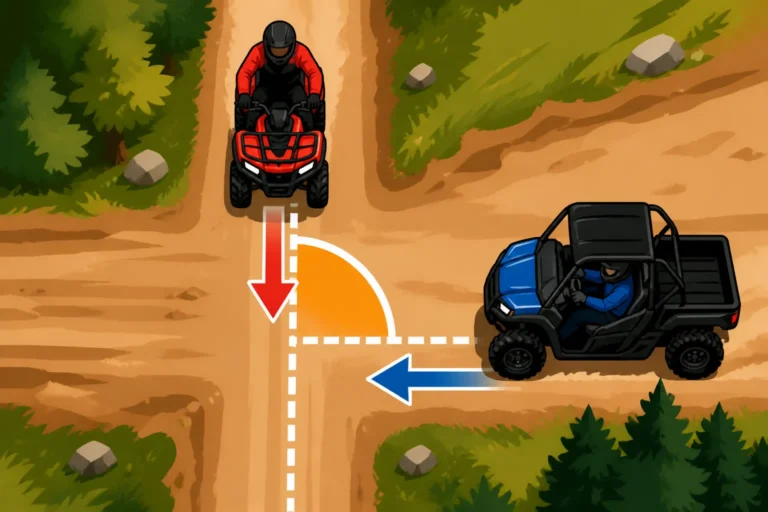
In Arkansas, the default rule is that ATVs and UTVs are not allowed on public streets or highways. This isn't just a suggestion; it's the law. While there are a handful of specific exceptions for things like farming, hunting, or direct crossings at ninety degrees, these are very limited and generally don't open up public roads for casual recreational riding. This "no road use" rule is critical because it means that even if your child is old enough to ride, the places they can legally ride are restricted. It funnels most legal riding to dedicated off-road trails, private land, or approved areas, which then introduces another layer of rules for those specific locations. When you're considering [Can You Drive an ATV on the Road in Arkansas?], the answer for most recreational purposes, especially with young riders, is a resounding no.
Where the Law Gets Its Authority
The state's authority on ATV regulation, including age restrictions, primarily comes from Arkansas Code Annotated Title 27, Chapter 21, which specifically deals with "Off-Road Vehicles." This statute defines what an ATV is, where it can be ridden, and critically, who can ride it. Local municipalities also have some sway, particularly with ordinances regarding UTVs on city streets, but these local rules rarely supersede or contradict the state's age requirements for operating an ATV. Understanding that these are codified laws, not just recommendations, helps underscore the seriousness of compliance. It's not just about avoiding a ticket; it's about adhering to regulations designed to promote safety.
Specific Age Restrictions for ATV Operation in Arkansas
Arkansas does have clear guidelines regarding the age at which individuals can operate an ATV, and these are often tied to supervision requirements. It's not a blanket "16 and up" rule like for a driver's license; rather, it’s a tiered approach that acknowledges the varying developmental stages of young riders. Parents need to pay close attention to these distinctions, as they dictate not only if a child can ride, but how and where they can do so.
The "Under Twelve" Rule and Direct Adult Supervision
For children under the age of twelve, Arkansas law is quite specific: they are generally not permitted to operate an ATV on public lands, including designated OHV trails, unless they are under the direct supervision of an adult who is at least eighteen years old. This isn't just about having an adult in the vicinity; "direct supervision" implies a much closer oversight, where the adult is actively monitoring and capable of intervening immediately if needed. Think of it less like an adult watching from the porch and more like an instructor on a training course. This rule acknowledges the developing motor skills, judgment, and risk perception of very young children. The law really emphasizes that until a child hits that 12-year mark, their riding experience on public land needs a very hands-on approach from a responsible adult.
Riders Between 12 and 16 Years Old: Supervision and Training
Once a rider reaches the age of twelve, the legal requirements shift slightly, offering a bit more autonomy but still emphasizing safety and oversight. While the strict "direct supervision" mandate lessens somewhat, riders between the ages of twelve and sixteen are generally still expected to operate ATVs under adult supervision on public lands. This supervision might not be as immediately "direct" as for a younger child, but the adult still needs to be present and capable of guiding the younger rider. Crucially, while Arkansas does not have a mandatory ATV safety course requirement, completing one is highly recommended for all riders, especially those in this age bracket, as it provides essential skills and knowledge that can prevent accidents. Many parents find that enrolling their teens in [Arkansas Safety Courses That Are Voluntary] provides invaluable training that builds confidence and competence.
No Minimum Age for Passengers (But Safety First)
Interestingly, Arkansas law doesn't explicitly state a minimum age for passengers on an ATV, as long as the machine is designed by the manufacturer to carry a passenger and the passenger is riding in a designated seating area. However, this legal silence doesn't equate to a free pass on safety. Just because the law doesn't prohibit a very young child from being a passenger doesn't mean it's wise or safe. Manufacturers often provide guidelines on minimum passenger age and size, and these should be heeded above all else. Considerations like the child's ability to hold on, reach footrests, and wear appropriate safety gear (especially a properly fitting helmet) are paramount. The stability of the machine, the terrain, and the skill of the operator also play huge roles in ensuring passenger safety. When considering [Arkansas Rules for a Child Passenger], parents should always err on the side of caution and prioritize the child's physical development and the machine's design over the absence of a specific legal age restriction.
Supervision Requirements for Younger Riders
The concept of "supervision" is key when discussing young ATV riders in Arkansas, but it's not always clearly understood. It's more than just having an adult nearby; it involves active responsibility and the ability to intervene. The law differentiates between general oversight and direct, hands-on supervision, particularly when dealing with the youngest riders. This distinction often trips up parents who might think a casual glance from afar is enough.
What "Direct Supervision" Actually Entails
For riders under twelve, the statute refers to "direct supervision." This isn't some vague notion; it implies that the supervising adult is within immediate sight and hearing of the child and can physically reach them very quickly if an issue arises. Imagine walking alongside or just a few feet behind your child on a bicycle – that's the level of proximity and attentiveness that "direct supervision" suggests. It means the adult isn't off grilling hotdogs or checking their phone while the child is riding out of view. They are actively engaged in monitoring the child's riding, the terrain, and any potential hazards. This close oversight is intended to allow for immediate correction of riding errors or quick response in case of a mishap, protecting the child before a minor incident escalates.
Who Qualifies as a Supervising Adult (and Why Age Matters)
The law specifies that the supervising adult must be at least eighteen years of age. This ensures that the person providing oversight is legally an adult, presumed to have the maturity and judgment required for such a serious responsibility. It's not acceptable for an older sibling who is, say, fifteen, to be the designated "supervisor" for a seven-year-old. This age requirement underscores the state's view that supervising a young ATV operator is a significant responsibility that should only be entrusted to a legal adult. This adult is responsible not only for the child's adherence to the rules but also for their overall safety and well-being during the ride. Parents should ensure that anyone supervising their child meets this age requirement and fully understands the responsibilities involved. [Arkansas Supervision Rules Under Twelve] outlines this clearly.
The Difference Between Public and Private Land Supervision
While the state's age and supervision rules primarily apply to public lands and designated trails, there's a common misconception that private property is entirely exempt from all laws. While property owners certainly have more latitude on their own land, the legal responsibility for a child's safety and the potential for civil liability can still apply. For instance, if a child under your supervision is injured on your private land due to negligence, those legal consequences can still arise. Furthermore, while the specific public land supervision requirements might not be enforced by a ranger on your back forty, it's still best practice to follow them for safety. The state's age guidelines for riders are rooted in safety principles that transcend property lines. Whether on a [Wolf Pen Gap: Arkansas's Best Known OHV Complex] trail or your own acreage, adhering to these guidelines helps foster responsible riding habits and minimize risks.
Exceptions and Special Scenarios for Young Riders
While the general rules for young ATV riders in Arkansas are quite clear, there are always unique situations that can create confusion. It’s important to understand where the line is drawn for specific types of land use and permissions, as these can slightly alter how the age and supervision requirements are applied. These exceptions are typically narrow and require careful attention to detail to ensure compliance.
Riding on Land a Parent Owns or Leases
One of the most common scenarios involves children riding on land owned or leased by their parents or legal guardians. In these situations, the immediate enforcement of state age restrictions by law enforcement is less likely compared to public trails. However, it's crucial to remember that the underlying principles of safety and parental responsibility remain. While a deputy may not issue a citation for a ten-year-old riding alone on their parents' forty acres, the parents are still fully responsible for the child's safety and any potential injuries or damages that occur. Many parents still choose to follow the state's age and supervision guidelines even on private land, recognizing that these rules are designed for safety, not just legal compliance. Think of [Arkansas Riding on a Parent's Property] as a privilege with continued responsibility.
Written Permission from an Arkansas Landowner
What if your child wants to ride on a friend's property, or land owned by a grandparent or other relative? If the land is not owned or leased by the parent or guardian, the child needs written permission from the landowner. This isn't just a polite request; it's a legal safeguard. This permission should clearly state that the landowner grants the named child permission to operate an ATV on their property. While this permission grants access, it does not nullify the state's age and supervision requirements if the riding somehow spills onto public land, or if the property is open to the public. For private riding areas, having [Written Permission From an Arkansas Landowner] is a fundamental step to avoid trespassing issues and clarify liability. This form should specify the rider, the machine, and the dates for which permission is granted, offering clarity to all parties.
Farm or Hunting Operations: Limited Road Access Exceptions
Arkansas law does provide very specific and narrow exceptions for ATV use on public roads when it pertains to farming or hunting operations. These exceptions allow ATVs to be operated on public roads for agricultural purposes or to access hunting areas, provided certain conditions are met, such as traveling short distances, using the most direct route, and often adhering to specific lighting or flagging requirements. However, these exceptions are generally intended for adults conducting these operations and are not a loophole for young riders to gain access to public roads for recreational purposes. For example, a young teen might be allowed to operate an ATV on a county road to move equipment between fields as part of a farming operation and under adult supervision, but this does not give them carte blanche to ride recreationally on that same road. It's a very fine line, and the intent of the ride is paramount. Understanding [Arkansas Farming Operation Road Use] and [Arkansas Hunting Operation Road Use] is crucial to ensure these exceptions are not misused, especially with young operators.
The Role of Private Parks and Their Own Age Rules
Beyond public lands and private family acreage, Arkansas is home to several fantastic private off-road parks. These parks offer designated trails, facilities, and a structured environment for riding. However, it's a mistake to assume that state age rules automatically apply or are the only rules that apply within these private venues. Private parks, by their nature, often have their own set of regulations, including specific age minimums and supervision policies, which can sometimes be more stringent than state law.
Waivers Minors Cannot Sign
Before anyone, especially a minor, can ride at a private off-road park, liability waivers are a non-negotiable requirement. These waivers outline the inherent risks of ATV riding and release the park from liability for injuries. Crucially, minors cannot legally sign these waivers for themselves. A parent or legal guardian must sign the waiver on behalf of their child. This means that if you send your child with a friend or another relative to a park, and that adult is not their legal guardian, the child may be turned away if you haven't pre-signed the necessary paperwork. This is a common point of contention and a critical aspect of [Arkansas Private Park Waiver Forms]. Always check a park's specific waiver requirements well in advance, especially when planning a trip with children.
Private Park Age Minimums and Restrictions
Each private park has the right to set its own age minimums for riders, which may be higher than the state's general guidelines. For instance, a park might require all solo riders to be at least 16 years old, even if state law allows a 12-year-old to ride under supervision on a public trail. Some parks also have restrictions on the size or type of machine a young rider can operate, or designate specific "youth" riding areas. These rules are put in place by the park for a variety of reasons, including insurance requirements, trail difficulty, and overall safety management for their specific environment. For example, [Hot Springs Off-Road Park in Arkansas] or [Byrd's Adventure Center on the Mulberry River] will have their own detailed policies regarding age, supervision, and machine types for younger riders. Always check the park's website or call ahead to confirm their specific age policies before you load up the trailer.
Arkansas Private Park Age Rules Table
To help illustrate how private park rules might differ from state minimums, here's a general comparison. Remember, these are examples, and actual park rules will vary. Always verify with the specific park you plan to visit.
| Age Group | Arkansas State Law (Public Land) | Typical Private Park Rule (Example) | Key Difference / Consideration |
|---|---|---|---|
| Under 12 | Direct adult supervision (18+) required | Often a higher minimum (e.g., 8-10 years) even with supervision | Parks may restrict very young riders due to trail difficulty/insurance |
| 12-16 Years Old | Adult supervision generally recommended/required on public land | May require adult supervision, or solo riding if certified/experienced | Some parks might require a safety course certification for solo riding |
| 16+ Years Old | No specific supervision requirement | Generally allowed to ride solo | Consistent with state law, but park rules for conduct still apply |
| Passengers | No specific age minimum (if machine designed for it) | May have a minimum age (e.g., 6+), or height/weight requirement | Parks prioritize safety; check machine design and child's ability |
This table highlights that while state law sets a baseline, private parks often layer additional, stricter requirements. This is why a quick phone call or website check before heading out is absolutely essential for families with young riders.
Safety Recommendations and Training for Young ATV Riders
While understanding the legal age requirements is essential, merely meeting the minimum legal standard doesn't automatically ensure a child's safety. As a veteran lifestyle blogger, I can tell you that the true foundation of safe ATV riding, especially for young people, lies in comprehensive training, appropriate gear, and consistent adherence to best practices. Laws are a baseline; personal responsibility and proactive safety measures take it to the next level.
Voluntary Arkansas Safety Course Options
Arkansas does not mandate an ATV safety course for any rider, regardless of age, to register or operate an ATV. However, this lack of a legal requirement should absolutely not be misinterpreted as a lack of necessity. Sending your child through a reputable ATV safety course is one of the single best investments you can make in their riding future. These courses, often offered by certified instructors, teach fundamental skills like proper starting and stopping, turning, hill climbing and descending, obstacle avoidance, and emergency maneuvers. They also cover crucial topics like pre-ride inspections, environmental awareness, and the importance of appropriate riding gear. For parents wondering about [Arkansas Safety Courses That Are Voluntary], resources like the ATV Safety Institute (ASI) offer excellent programs across the country, sometimes even locally within Arkansas. This training builds confidence, reduces risk, and instills a sense of responsibility in young riders.
Youth Training at an Arkansas Trail Park and Skill Development
Beyond formal courses, many private parks or local clubs offer their own youth training sessions or supervised clinics. These can be fantastic opportunities for kids to learn in a controlled environment, often on trails specifically designed to help develop skills. These experiences move beyond theoretical knowledge and provide hands-on practice, allowing kids to build muscle memory and judgment in real-world scenarios. For example, a facility like [Byrd's Adventure Center on the Mulberry River] might host clinics or have dedicated areas where young riders can safely practice. The key here is progressive skill development: starting with simple terrain, gradually increasing complexity as skills improve, and always riding within one's comfort and ability level. This systematic approach, rather than just "throwing them on a quad," is vital for long-term safety and enjoyment.
Essential Gear Beyond Helmets for Kids
We all know helmets are crucial – and for good reason! They protect the most vital part of the body. But a helmet, even a well-fitting one, is just the beginning when it comes to protecting young ATV riders. Here's a rundown of other essential gear that parents should insist on:
- Eye Protection: Goggles are non-negotiable. Dust, flying debris, branches, and insects can severely impair vision and cause injury. Clear lenses are good for general riding, tinted for bright days.
- Gloves: Protect hands from blisters, cuts, and scrapes, and provide a better grip on the handlebars. Look for gloves designed for powersports with good ventilation.
- Long-Sleeved Shirt and Pants: Even on hot days, long sleeves and pants made of durable material (not just shorts and a t-shirt!) protect against abrasions, sun exposure, and minor impacts. SuperATV offers a range of durable riding apparel that provides excellent protection without sacrificing comfort.
- Over-the-Ankle Boots: Sturdy boots protect feet and ankles from impacts, provide ankle support, and keep feet firmly on the footrests. Tennis shoes are absolutely inadequate.
- Chest Protector/Roost Guard: Especially for more aggressive riding or in areas where other riders might be present, a chest protector can guard against impacts from handlebars, rocks, and other debris.
- Knee and Elbow Pads: These can prevent painful scrapes and bruises from minor falls or impacts, particularly for beginner riders.
Parents should always ensure gear fits properly; gear that is too large or too small can be more of a hazard than a help. Investing in quality gear is not just an expense; it's an investment in your child's safety and confidence while riding.
Consequences of Violating Arkansas's Age Rules
Ignoring Arkansas's ATV age rules for young riders isn't just a minor oversight; it carries real legal and financial consequences. It's vital for parents and guardians to understand that violations can result in more than just a stern warning. Law enforcement takes these regulations seriously, primarily because they are designed to prevent injuries and fatalities.
Fines and Citations for Non-Compliance
If a young rider is caught operating an ATV in violation of Arkansas's age or supervision rules on public land, the supervising adult (or parent/guardian if no supervisor is present) can face citations and monetary fines. These aren't usually in the realm of minor traffic tickets; they can be substantial, depending on the specific statute violated and the discretion of the enforcing officer. Repeated offenses could lead to higher fines or other penalties. These fines aren't just an inconvenience; they're a clear signal from the state that these rules are in place for serious safety reasons. It's far better to invest in proper training and equipment than to pay for a citation that could have been avoided.
Parent's Liability Under Arkansas Law
Beyond direct fines, parents or guardians can face significant civil liability if their underage or unsupervised child causes an accident that results in injury to themselves or others, or damage to property. If, for instance, a child operating an ATV in violation of age rules collides with another rider on a public trail, the child's parents could be sued for negligence. This could involve covering medical bills, property damage, lost wages, and even pain and suffering. This isn't just a hypothetical scenario; it's a very real risk that underscores the importance of adhering to the laws. [A Parent's Liability Under Arkansas Law] for a child's actions on an ATV can be a heavy burden, highlighting why careful adherence to age and supervision rules is critical.
Machine Impoundment and Other Penalties
In more severe cases, or for repeated violations, law enforcement might have the authority to impound the ATV being operated illegally. This means the machine could be seized, and the owner would have to go through a legal process, pay fees, and potentially face court appearances to get it back. This can be a significant hassle and expense. Furthermore, if the incident involves reckless behavior or serious injury, there could be other legal ramifications beyond simple citations. While less common, depending on the severity of the incident and specific local ordinances, future riding privileges could even be impacted, or participation in certain organized events might be denied. The consequences serve as a strong deterrent against cavalier attitudes toward ATV safety regulations.
Comparing Arkansas's Rules to Surrounding States
It's common for families who live near state borders, or who travel for riding trips, to wonder how Arkansas's ATV age rules compare to those of its neighbors. While each state has its own specific nuances, understanding these differences can help prevent accidental violations when crossing state lines. It emphasizes that a one-size-fits-all approach to ATV laws is unwise.
Oklahoma's Approach to Youth Riders
Oklahoma, like Arkansas, has specific regulations regarding youth ATV operators. Generally, Oklahoma law requires anyone under the age of 18 to wear a helmet when operating an ATV, and those under 16 must be supervised by an adult at least 18 years old. They also have restrictions on the size of the ATV based on the age of the operator, which is a common safety feature in many states. This means that a child might be allowed to ride a certain size machine at 12 years old in Oklahoma, but that same machine might be too large under specific state guidelines for younger riders. [Arkansas Rules for a Visiting Oklahoma Rider] should prompt cross-referencing both states' laws.
Missouri's Perspective on Age Limits
To Arkansas's north, Missouri's laws also focus on supervision and helmet use for younger riders. In Missouri, operators under 16 are typically required to wear a helmet, and often need direct supervision if riding on public lands. Missouri also emphasizes that ATVs are generally for off-road use, similar to Arkansas. A key difference can sometimes be in the specific age cutoffs for various requirements, or whether a safety course is required for certain age groups to operate on public lands, even if voluntary in Arkansas. When planning a trip or hosting a rider from the Show-Me State, checking [Arkansas Rules for a Visiting Missouri Rider] would be a smart move.
Texas and Its ATV Youth Regulations
To the southwest, Texas has its own set of rules for young ATV operators, which, again, often center on helmet use and adult supervision for those under a certain age (often 14 or 15). Texas also typically prohibits the operation of ATVs on public roads, with limited exceptions. One area where Texas sometimes differs is in specific training requirements; some age groups might be required to complete an approved safety course before operating an ATV in certain contexts. So, if your family travels frequently or has relatives from the Lone Star State, being aware of [Arkansas Rules for a Visiting Texas Rider] and their home state's laws is crucial. It’s a good example of why you can't assume reciprocity in ATV regulations.
Disclaimer
This article is for general informational purposes only and does not constitute professional advice. Laws, prices and regulations vary by location and change over time. Consult a qualified professional for guidance on your specific situation.