Arkansas Rules for a Teen Rider
It can be incredibly challenging for parents and guardians in Arkansas to navigate the ever-shifting landscape of ATV and UTV regulations, especially when it comes to their teen riders. You want your kids to enjoy the thrill and utility of these machines, but the fear of breaking the law or, worse, them getting hurt, is always present. This guide is designed to cut through the confusion and provide clear, actionable insights into Arkansas's specific rules for teen riders, covering everything from age restrictions and supervision requirements to where they can legally and safely operate their machines.
Navigating Arkansas's Core ATV & UTV Regulations for Younger Riders
Before we dive into the specifics for teens, it’s important to understand the foundational rules that apply to everyone who operates an ATV or UTV in Arkansas. These aren't just arbitrary laws; they're designed to ensure safety and order on public and private lands. Missing these basic requirements can lead to citations, even if your teen is otherwise following age-specific guidelines.
The General Rules That Apply to Everyone
In Arkansas, an all-terrain vehicle (ATV) is generally defined as a motorized, off-highway vehicle designed to travel on four or more low-pressure tires, intended by the manufacturer for use by a single operator or a single operator and a single passenger, and having a width of 50 inches or less, and an engine size of 1,000cc or less. Utility Terrain Vehicles (UTVs) are typically wider and often have more seating, but many of the same principles apply. The key takeaway is that these aren't just toys; they are vehicles with specific legal classifications.
One of the most common points of confusion revolves around registration. Many people assume if it’s not a car, it doesn’t need to be registered, but that’s often not the case for ATVs and UTVs used off private property. Arkansas has a unique registration system for these machines. For instance, you might be surprised to learn [Who Must Register an ATV in Arkansas], as it's not always as straightforward as you think. This registration isn't just a formality; it's how the state keeps track of these machines and ensures they are properly identified, especially in cases of theft or accident. It provides a layer of accountability for owners.
Adding to the unique nature of Arkansas's system is the registration renewal process—or lack thereof. Once registered, the state considers it a one-time process. This means your [Arkansas ATV Registration: One Time, Never Renewed] system doesn't require annual decals or payments after the initial setup. While this might seem convenient, it can also lead to confusion if you’re used to yearly renewals for cars or boats. The critical part is getting that initial registration done correctly, ensuring the machine is entered into the state's system. Remember, a registered machine means a traceable machine, which is beneficial for everyone.
Dispelling Myths About "Street Legal" for Teens
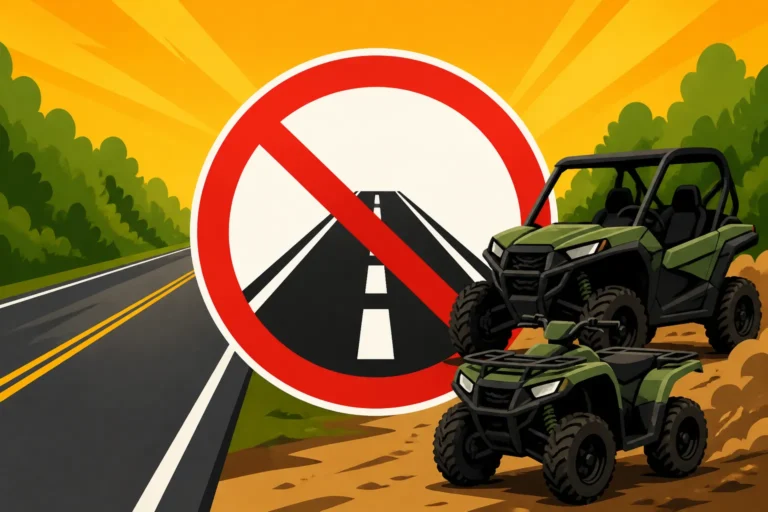
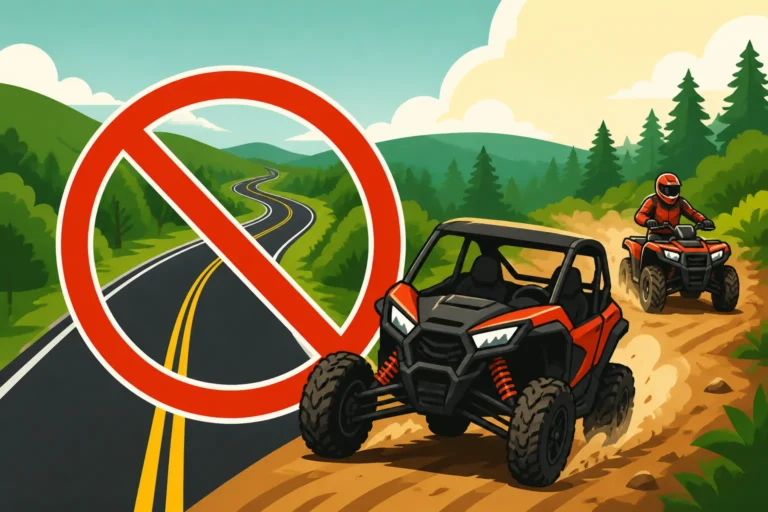
One of the biggest misconceptions, and frankly, a source of major headaches for riders of all ages, is the idea of ATVs and UTVs being "street legal." Let's be unequivocally clear: traditional ATVs are, by default, not street legal in Arkansas. The state's statute expressly prohibits their operation on public streets and highways. This isn't just a suggestion; it's a hard rule with very few, specific exceptions for crossing roads or certain agricultural/utility uses.
However, the landscape for UTVs (side-by-sides) is a bit different and has evolved in recent years. While they are still generally prohibited on state highways, some local municipalities have passed ordinances allowing UTVs on certain city streets, typically those with lower speed limits. This is where it gets tricky for teen riders. Even if a town has a "street legal" UTV ordinance, there are almost always specific requirements that must be met by the driver. For example, to operate a UTV on permitted city streets, teen drivers will typically need to possess a valid driver's license, meaning they must be at least 16 years old. You can learn more about these local variations by checking out [Arkansas UTV Street Legal Rules by Town]. These local ordinances often come with specific equipment requirements too, like mirrors, turn signals, and sometimes even insurance.
It’s crucial to distinguish between being "street legal" in a specific town and the ability to simply cross a road. Arkansas law does allow for ATVs and UTVs to make a direct, ninety-degree crossing of a public highway after coming to a complete stop, provided the crossing is done safely and does not interfere with traffic. This is a limited exception, not an open invitation to ride down the road. Understanding [Arkansas Direct Crossing at Ninety Degrees] is vital, as it's often confused with general road use. For teen riders, this distinction is paramount; they need to know they can't cruise down Main Street even if they can cross a less-traveled county road.
Age, Supervision, and Liability: What Parents Need to Know
For parents, the specific rules regarding age and supervision are arguably the most critical. You want to ensure your teen can enjoy their ATV or UTV safely and legally, but also that you’re not unwittingly putting them in a risky situation or exposing yourself to unnecessary liability. Arkansas law lays out clear guidelines here, and understanding them is the first step toward responsible ownership.
Arkansas's Age and Supervision Statutes
Arkansas law does not allow children under 12 years of age to operate an ATV or UTV on public lands unless they are under direct adult supervision. "Direct supervision" is key here – it means the supervising adult must be within eyesight and able to provide immediate guidance or intervention. This isn't just about being in the same general area; it's about active oversight. As children get a bit older, typically between 12 and 16, the supervision requirements can sometimes be less stringent on private land, but on public lands, the need for adult oversight often remains. You can delve deeper into the specifics by reading [Arkansas Supervision Rules Under Twelve]. This rule exists because younger children often lack the physical strength, coordination, and judgment necessary to safely operate these powerful machines, especially when faced with unexpected obstacles or changing terrain.
It's also important to note that the supervising adult must be at least 18 years old. This isn't a job for an older sibling who just got their license; it requires a mature, experienced individual who understands the risks and can effectively guide the younger rider. The law aims to ensure that the person responsible has the maturity to make sound decisions and respond appropriately in an emergency. So, if your 14-year-old is riding on a public trail, you, as an adult, need to be right there with them. This isn't just good advice; it's a legal requirement that protects both the child and the public. For a full breakdown of these adult oversight rules, be sure to check out [Adult Supervision Rules for Arkansas Riders Under 12].
Understanding Parental Responsibility and Liability
As a parent or guardian, you are ultimately responsible for your child's actions and adherence to ATV and UTV laws. This isn't a minor detail; it means if your teen rider breaks the law, you could face legal consequences, including fines or civil liability in the event of an accident. The concept of [A Parent's Liability Under Arkansas Law] for a minor’s actions on an off-road vehicle is a serious one. It underscores why it's so vital to not only educate your teen about the rules but also to actively supervise them and ensure they have the proper training and equipment. Ignoring these responsibilities can have significant legal and financial repercussions.
When riding at private off-road parks or on land leased by hunting clubs, teens and their parents will almost certainly be required to sign liability waivers. These waivers are legal documents that release the park or landowner from responsibility in case of injury or accident. While a teen might sign one, a parent or legal guardian will nearly always have to co-sign, especially for minors. It's crucial to read these documents carefully and understand what you're agreeing to. You can get more information about this by looking at [Arkansas Private Park Waivers and Rules]. These waivers are standard practice, but they do highlight the inherent risks of off-road riding and the importance of parental oversight.
Although not strictly mandatory in Arkansas, taking an ATV or UTV safety course is highly recommended for all riders, especially teens. These courses teach critical skills, safe riding practices, and proper machine operation, which can significantly reduce the risk of accidents. Even if your teen has been riding for years, a structured course can reinforce good habits and introduce advanced techniques. For details on available training, see [Arkansas Has No Mandatory ATV Safety Course]. Investing in this education is investing in your teen's safety and your peace of mind. It’s about building a foundation of knowledge that goes beyond simply knowing how to start and stop the machine.
Where Teen Riders Can Legally and Safely Operate Their Machines
Knowing the rules is one thing, but knowing where those rules apply and where your teen can actually ride is another. Arkansas offers a diverse landscape for off-road enthusiasts, from sprawling private lands to designated public trail systems. Each type of riding area comes with its own set of guidelines, and understanding these is essential for a safe and legal outing.
Riding on Private Land with Permission
The most straightforward and often safest option for teen riders is private land. If the property is owned by the rider's parent or guardian, or if express permission has been granted by the landowner, teens can generally ride with fewer restrictions regarding age and supervision, compared to public lands. This doesn't mean "no rules"; it simply means the rules are largely set by the property owner, within the bounds of general safety and local ordinances. For many families, a large backyard or a family farm is the primary riding spot.
However, even on private land, common sense and courtesy are paramount. Riders should always be mindful of noise, dust, and potential damage to property, especially if it's not their own. If your teen is riding on someone else's property, even with permission, ensure they understand the importance of respecting boundaries, gates, and specific requests from the landowner. It’s always a good idea to have clear, [Written Permission From an Arkansas Landowner] if you’re venturing onto someone else’s acreage, just to avoid any misunderstandings or accusations of trespass. This protects both the rider and the landowner.
Ultimately, riding on private land offers a controlled environment where parents can best supervise their teens, teach responsible riding habits, and ensure safety without the added complexities of public land regulations. It's an excellent place for younger teens to build their skills before venturing to more public areas. The critical distinction is that the freedom on private land comes with the responsibility of securing proper permission, especially if you plan on [Riding on Land You Do Not Own].
Public Trails and Wildlife Management Areas (WMAs)
Arkansas boasts some fantastic public trail systems, particularly in the Ouachita and Ozark-St. Francis National Forests, like Wolf Pen Gap or the Mill Creek OHV Trail System. These trails are incredible resources for off-road riders of all ages, including supervised teens. However, riding on these federal lands comes with specific requirements, including the purchase of an OHV permit. You’ll find that [Arkansas OHV Permits: Two Forests, Two Prices], meaning you'll need to know which forest you're riding in. These permits fund trail maintenance and ensure the continued enjoyment of these areas for everyone.
Wildlife Management Areas (WMAs), managed by the Arkansas Game and Fish Commission (AGFC), present a different set of challenges. While some WMAs have designated roads or trails open to ATVs and UTVs, many have strict prohibitions or seasonal closures, especially during hunting seasons or for wildlife management purposes. It’s critical to research the specific WMA your teen intends to ride in, as rules can vary greatly. Many WMAs severely restrict off-road vehicle use, often limiting it to designated access roads for hunting or specific management tasks. For a comprehensive overview, look into [Arkansas WMA Rules for Riders] and specifically [Arkansas WMAs That Allow ATVs and Those That Do Not].
When riding on public lands, especially on trails with varying terrain, equipping a machine properly is not just about performance; it's about safety and reliability. For teen riders exploring more challenging public trails, upgrading suspension components or adding a winch from a reputable brand like SuperATV can really make a difference in handling and recovery. Ensuring the machine is trail-ready means less chance of getting stranded and a safer experience overall. These trails can be demanding, and having a well-prepared machine is part of responsible riding.
Equipping for Safety: Gear and Machine Upgrades
Beyond the legalities, ensuring your teen has the right safety gear and their machine is properly equipped is paramount. Safety isn't just about following rules; it's about proactively minimizing risk. The most fundamental piece of safety equipment is a helmet. While Arkansas generally doesn't have a mandatory helmet law for ATVs in the same way it does for motorcycles, wearing one is non-negotiable for a teen rider. The same goes for eye protection, gloves, and sturdy riding boots. These items protect against impacts, debris, and abrasions, which are common in off-road riding. Even if the law doesn't strictly demand it, common sense and parental love should. You can learn more about general helmet guidance in [Arkansas ATV Helmet Requirements].
For the machine itself, consider enhancements that improve both safety and capability. For added protection on challenging terrain, many riders look to brands like SuperATV for durable skid plates, A-arm guards, or robust bumpers, which can be a smart investment for a teen's machine. These protect vital components from rocks and impacts, preventing costly repairs and potential breakdowns. A breakdown in a remote area is not a situation you want your teen to experience alone.
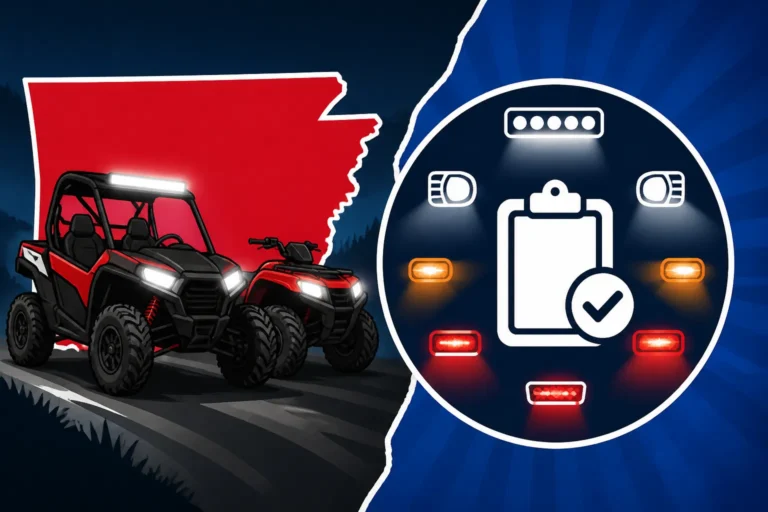
Visibility is another key safety factor, especially when riding in groups, at dusk, or in dusty conditions. Upgrading to brighter LED light bars, like those offered by SuperATV, can drastically improve visibility for the rider and make the machine more noticeable to others on the trail. Proper lighting is essential not just for seeing where you're going but also for being seen, especially if your group gets separated or if unforeseen delays extend a ride into the evening hours. Don't underestimate the value of being easily spotted on a busy trail or in a difficult situation.
Common Pitfalls and Best Practices for Teen Riders
Even with a solid understanding of the rules, there are common mistakes and situations that teen riders and their parents frequently encounter. Being aware of these pitfalls and adopting best practices can prevent unnecessary trouble and ensure a more enjoyable, safer riding experience for everyone.
Avoiding Illegal Road Riding
One of the most persistent and dangerous temptations for teen riders is the lure of taking their ATV or UTV on public roads. It's often seen as a shortcut or a convenient way to get from one private property to another. However, as we've discussed, ATVs are generally illegal on Arkansas public roads, with only very specific exceptions for direct crossings or certain farming/utility operations. The risks here are immense, not only from collisions with larger, faster-moving vehicles but also from the legal consequences. A detailed look at what the statute permits and forbids can be found in [Arkansas ATV Road Rules: What 27-21-106 Says].
The penalties for illegal road riding can be severe. A ticket for operating an unregistered or unauthorized vehicle on a public roadway can include significant fines and court costs, and in some cases, even lead to the machine being impounded. Beyond the financial burden, there's the danger of a traffic collision. ATVs are designed for off-road conditions; their tires and suspension are not suited for asphalt at speed, making them unstable and difficult to control in traffic. A teen involved in such an accident could face severe injuries, and the family could face substantial liability. Understanding [Arkansas Penalties for Illegal Road Riding] might be the deterrent needed to keep them off the pavement. It’s simply not worth the risk.
The Role of Responsible Riding and Ongoing Education
Responsible riding goes beyond just following the law; it encompasses a mindset of respect—for the land, for other riders, and for the rules. For teen riders, instilling this sense of responsibility is a lifelong lesson. This means teaching them to "Tread Lightly," stay on marked trails, avoid riding in ecologically sensitive areas, and always leave no trace. It's about being good stewards of the environment they get to enjoy. It also means showing courtesy to hikers, mountain bikers, and equestrians who may share parts of multi-use trail systems.
Ongoing education is also key. While a basic safety course is a great start, the learning doesn't stop there. Encourage your teen to continuously improve their riding skills, perhaps through advanced training or by riding with experienced adults who can mentor them. Discuss different riding conditions, how to assess risks, and what to do in an emergency. Pre-ride checks are also crucial: ensuring tires are properly inflated, brakes are working, and all fluids are topped off. Ensuring a machine is regularly maintained and equipped with quality components, whether stock or aftermarket parts from reputable providers like SuperATV, is key to reliable and safe riding. A well-maintained machine is a safer machine, and teaching teens to take responsibility for their equipment is an important life skill.
Ultimately, guiding a teen rider in Arkansas is about balancing the excitement of off-road adventure with the unwavering commitment to safety, legality, and responsibility. By understanding the specific rules, fostering a culture of safety, and equipping them with the right knowledge and gear, you can help them enjoy years of safe and responsible riding.
| Aspect | Under 12 Years Old | 12-15 Years Old | 16+ Years Old |
|---|---|---|---|
| Public Land Riding | Requires direct adult (18+) supervision. | Requires adult (18+) supervision. | No specific state supervision law (but advised). |
| Private Land Riding | Parent/landowner rules. Direct supervision strongly advised. | Parent/landowner rules. Supervision advised. | Parent/landowner rules. |
| Street Legal UTV | Not permitted to operate. | Not permitted to operate. | Requires valid driver's license in permitted towns. |
| ATV on Public Roads | Prohibited (except direct crossing). | Prohibited (except direct crossing). | Prohibited (except direct crossing). |
| Helmet Requirement | Not mandated by state law, but highly recommended. | Not mandated by state law, but highly recommended. | Not mandated by state law, but highly recommended. |
| Safety Course | Voluntary, but highly recommended. | Voluntary, but highly recommended. | Voluntary, but highly recommended. |
| Parental Liability | Parent is liable for minor's actions. | Parent is liable for minor's actions. | Potentially liable, depending on circumstances. |
| Trail Permits | Required for public trails (per machine). | Required for public trails (per machine). | Required for public trails (per machine). |
Disclaimer
This article is for general informational purposes only and does not constitute professional advice. Laws, prices and regulations vary by location and change over time. Consult a qualified professional for guidance on your specific situation.