Arkansas Insurance for a Street-Permitted UTV
The excitement of riding your UTV on the open road in Arkansas, perhaps cruising through your hometown or heading to a local fishing spot, has become a reality for many thanks to recent legislative changes. However, this new freedom comes with a crucial responsibility that many riders overlook: securing proper insurance. Navigating the world of UTV insurance, especially when it steps off the trail and onto asphalt, can be a confusing maze, leaving many wondering if their machine is truly covered for its new adventures. This comprehensive guide will cut through the uncertainty, explaining why specific insurance is essential for your street-permitted UTV in Arkansas, what coverage you need, and how to make sure you're protected every time you turn the key.
The Unique Path to Street Legality for UTVs in Arkansas
For years, the idea of legally driving your UTV on public roads in Arkansas felt like a distant dream, reserved only for very specific agricultural or hunting exemptions. The primary frustration was the patchwork of rules and the general prohibition. But that landscape has shifted dramatically, empowering local communities to decide for themselves.
The Legislative Shift and Local Control
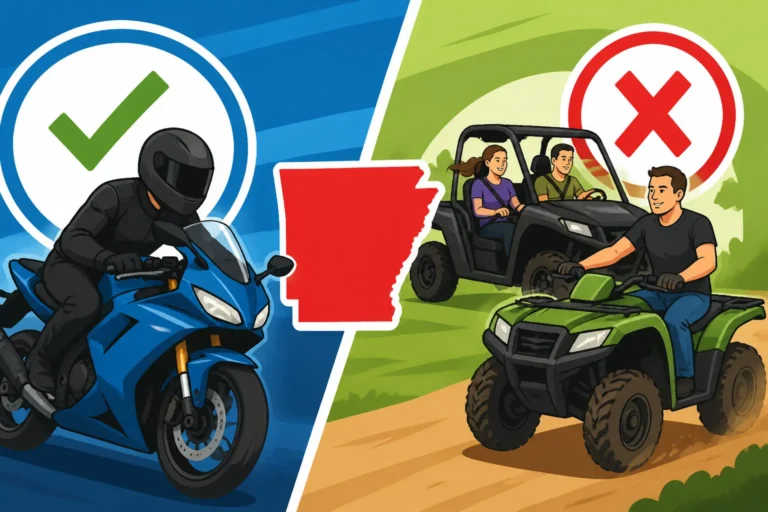
The big game-changer for UTVs in Arkansas was Act 922, which came into effect on August 5, 2025. Before this, riding a UTV on public streets was largely unlawful by default, with only a handful of specific, statutory exceptions like for farming or hunting operations, or crossing a highway at a ninety-degree angle after coming to a complete stop. The new law didn't throw open all roads to all UTVs overnight; instead, it gave individual cities and towns the authority to pass their own ordinances. This means that whether you can legally ride your side-by-side down Main Street now depends entirely on where you live or where you plan to ride. [How Arkansas Cities Got the Choice on UTVs] really changed everything.
This legislative pivot acknowledged the growing popularity of UTVs for recreation, utility, and even short-distance transportation within communities. It signaled a move towards more localized control, allowing towns to tailor rules that fit their unique traffic patterns, safety concerns, and resident needs. As a result, towns like Bono were among the first to embrace this change, setting precedents for others to follow. But it also means you can't assume that just because one town allows street-legal UTVs, the next town over does, too.
Navigating the Specifics of a Street Permit
If your local municipality has passed an ordinance allowing UTVs on its streets, that's just the first step. You'll then need to apply for a specific street permit from the city, which often requires your UTV to meet certain equipment standards. These aren't just suggestions; they're legal requirements designed to ensure the UTV is safe for road use. For example, most ordinances will demand working headlights, taillights, brake lights, a horn, and crucial additions like [Arkansas Turn Signal Requirements for Street UTVs] and mirrors. Many riders turn to aftermarket providers like SuperATV to ensure their machines are fully equipped with these necessary safety components.
Beyond the equipment, there are often rules about where you can ride. Many ordinances restrict UTVs to streets with posted speed limits under 55 mph, and four-lane streets are often off-limits entirely due to higher speeds and traffic volumes. There might also be annual fees for these permits, and age restrictions for drivers, often requiring a valid [Arkansas Driver's License at 16 for Street UTVs]. It’s a whole new layer of compliance you never had to worry about when your machine stayed strictly on the trails. It's critical to check your specific town's ordinance, as [Arkansas UTV Street Legal Rules by Town] can vary wildly.
Why Insurance Becomes Critical for Street-Legal UTVs
The shift from off-road toy to on-road vehicle brings with it a whole new set of legal and financial obligations, particularly concerning insurance. When you venture onto public streets, you're entering a realm with established rules for all vehicles, and those rules don't make exceptions for side-by-sides just because they started life as off-road machines.
The Mandate for Financial Responsibility
In Arkansas, operating any motor vehicle on public roads, including a street-permitted UTV, carries a legal requirement for "financial responsibility." This isn't just a suggestion; it's the law. In plain terms, it means you must be able to cover the costs if you cause an accident that results in injury or property damage to someone else. For most people, and virtually all UTV owners planning to drive on streets, this means carrying a liability insurance policy. Without it, you could face significant legal and financial penalties, including fines, suspension of driving privileges, and even the impoundment of your UTV.
Imagine you're driving your street-legal UTV through your town, and you accidentally hit a parked car or, worse, another moving vehicle. Without proper liability insurance, every single cost associated with that accident – repairs to the other vehicle, medical bills for injured parties, legal fees – would fall directly on your shoulders. These costs can quickly skyrocket into tens or even hundreds of thousands of dollars, a financial burden that could devastate most families. That's why the state mandates this coverage; it protects both you and other road users from catastrophic financial loss.
The Gap Between Off-Road and On-Road Coverage
Many UTV owners have some form of insurance for their machines, especially if they ride on public trails or financed their purchase. However, it's a common and dangerous misconception that an existing off-road UTV policy or even your general auto insurance policy will automatically extend to cover your UTV when it's operating on public streets. More often than not, this isn't the case. Standard off-road policies are typically designed for accidents that occur on private property, designated trails, or during recreational use, not for collisions on paved public roads with other registered vehicles.
Your personal auto insurance policy is also highly unlikely to cover your UTV, even if it's street-legal. Auto policies are specifically tailored for cars, trucks, and SUVs, and they typically have exclusions for non-traditional vehicles like UTVs, golf carts, or ATVs. When you make the leap to getting a [Arkansas UTV Street Permit Cost in a City], you are essentially transforming your machine, in the eyes of the law, into a low-speed vehicle that requires its own, specific on-road insurance policy. Trying to rely on outdated or inappropriate coverage could leave you completely exposed in the event of an accident on a public street.
Essential Insurance Coverages for Your Street-Permitted UTV
When you're looking to insure your street-legal UTV in Arkansas, it's not a one-size-fits-all situation. Just like with a car, there are different types of coverage, each designed to protect you in specific scenarios. Understanding these will help you build a policy that truly protects your investment and your financial well-being.
Liability Coverage: Your First Line of Defense
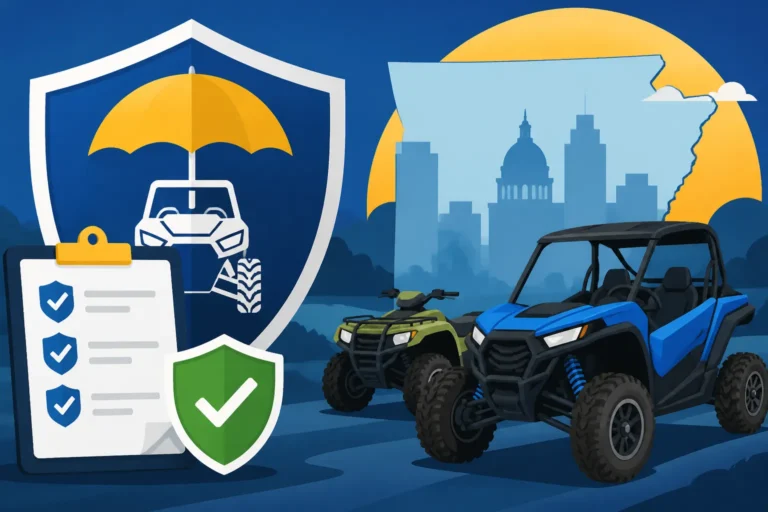
Liability insurance is the absolute cornerstone of any street-legal UTV policy. In Arkansas, this is the legally required minimum, covering damages you might cause to other people or their property in an accident where you are at fault. It doesn't pay for your own injuries or damages to your UTV, but it's crucial for protecting your assets if you're deemed responsible for a crash. [Arkansas Insurance for a Street-Permitted UTV] almost always starts with liability.
There are two main components to liability coverage:
- Bodily Injury Liability: This pays for medical expenses, lost wages, and pain and suffering for anyone you injure in an accident. If you cause a serious accident, these costs can be substantial, making adequate bodily injury coverage incredibly important. Imagine hitting a pedestrian or causing a multi-vehicle pileup; the medical bills alone could be astronomical.
- Property Damage Liability: This covers the cost of repairing or replacing other people's property that you damage in an accident. This could be another vehicle, a fence, a mailbox, or even a building. If you accidentally back into a neighbor's new truck or take out a section of their landscaping, this is the part of your policy that kicks in.
Arkansas law typically specifies minimum limits for these coverages, often expressed as a series of three numbers (e.g., 25/50/25), representing thousands of dollars. While meeting these minimums satisfies the legal requirement, it's often wise to consider higher limits. In today's world of escalating medical costs and vehicle repair expenses, the minimums might not be enough to cover a serious accident, leaving you personally responsible for the difference.
Protecting Your Own Machine: Collision and Comprehensive
While liability coverage protects others, collision and comprehensive coverage are designed to protect your UTV, which for many, represents a significant investment. These coverages are usually optional but highly recommended, especially if your UTV is new, expensive, or still being financed.
- Collision Coverage: This pays for damage to your UTV if it collides with another vehicle or object, or if it rolls over, regardless of who is at fault. If you accidentally hit a tree, another UTV, or even a pothole that causes damage, collision coverage helps pay for the repairs or replacement of your machine, after your deductible. Given the rough-and-tumble nature of UTVs, even when street legal, the chances of a minor bump or scrape are higher than with a typical car.
- Comprehensive Coverage: This protects your UTV from non-collision-related damage. This includes things like theft, vandalism, fire, natural disasters (hail, floods, wind), and even hitting an animal. If your UTV is stolen from your driveway or damaged by a falling tree branch, comprehensive coverage would help cover the costs. Many aftermarket accessories, like lighting kits or specialized tires from companies like SuperATV, can add significant value to your UTV, and comprehensive coverage helps protect that entire investment. Without it, if your UTV disappeared, you'd be out of luck.
These coverages usually come with a deductible, which is the amount you pay out of pocket before your insurance kicks in. A higher deductible typically means a lower premium, but also means you'll pay more upfront if you file a claim.
Bridging the Gaps: Uninsured/Underinsured Motorist and Other Add-ons
Beyond the core coverages, several additional options can provide crucial layers of protection, especially when sharing the road with other drivers who may not be as responsible as you are.
- Uninsured/Underinsured Motorist (UM/UIM) Coverage: This is incredibly valuable protection. Despite laws requiring financial responsibility, many drivers on the road are uninsured or carry only minimum coverage that won't be enough to cover your damages if they cause a serious accident. UM/UIM coverage steps in to pay for your medical bills and, in some cases, damage to your UTV, if you're hit by a driver who has no insurance or not enough insurance. Considering the risks, this coverage offers vital peace of mind.
- Medical Payments (MedPay) or Personal Injury Protection (PIP): These coverages pay for medical expenses for you and your passengers, regardless of fault, up to a specified limit. This can be especially helpful for immediate medical costs after an accident, or to supplement your health insurance.
- Towing and Roadside Assistance: If your street-legal UTV breaks down on the side of a public road, this coverage can save you from hefty towing fees.
- Accessory Coverage: If you've invested heavily in aftermarket parts like a winch, upgraded suspension, a custom sound system, or [Arkansas Equipment for a Street-Permitted Machine] beyond the factory standard, ensure your policy specifically covers these additions. Standard policies might only cover the value of the stock UTV. Many companies will offer additional coverage for accessories, which is important if you’ve added several hundred or thousands of dollars in upgrades to your machine.
Securing the Right Policy: Practical Steps and Provider Insights
Once you understand the types of coverage available, the next step is to actually get your street-permitted UTV insured. This involves a bit of homework, gathering documents, and asking the right questions to ensure you're getting the best coverage for your needs.
Documentation and UTV Readiness for Insurability
Before you even start contacting insurance providers, you'll need to have certain information and ensure your UTV meets the necessary standards. This preparedness streamlines the process and ensures you get accurate quotes. First, have all your UTV's details ready: make, model, year, VIN (Vehicle Identification Number), and any modifications or aftermarket accessories you've added. The VIN is particularly important, as it uniquely identifies your machine and is key for insurance companies to pull its history and specifications.
Secondly, ensure your UTV is fully compliant with your local ordinance's requirements for street legality. This means having all the mandated safety equipment installed and in working order. As mentioned, this could include [Arkansas Turn Signal Requirements for Street UTVs], brake lights, headlights, a horn, and mirrors. Many UTV owners will outfit their machines with purpose-built kits from manufacturers like SuperATV, which specialize in converting off-road vehicles for street use. Showing an insurer that your machine meets all legal requirements can sometimes even make it easier to get coverage or influence your premium. If your machine isn't ready for the road, it won't be insurable for road use.
Finding an Insurer and Understanding Premiums
Finding an insurance provider that offers policies for street-legal UTVs might require a bit more effort than insuring a standard car, but it's becoming increasingly common. Many major insurance carriers now offer specialized UTV policies, and some smaller, niche providers also focus on off-road vehicles that can be adapted for street use. It’s always a good idea to get quotes from several different companies to compare coverage and rates. Don't be afraid to reach out to local independent insurance agents; they often work with multiple carriers and can help you find the best fit for your unique situation.
When comparing quotes, look beyond just the price. Pay close attention to the coverage limits, deductibles, and any exclusions or limitations in the policy. A seemingly cheaper policy might have significantly lower limits or more exclusions, potentially leaving you exposed. Your premium (the cost of your insurance) will be influenced by several factors:
- Your UTV's Value: More expensive or powerful machines typically cost more to insure.
- Your Driving Record: A clean driving history will usually result in lower rates.
- Your Location: Where you live and where you plan to ride (urban vs. rural) can impact rates.
- Coverage Chosen: Higher limits and more comprehensive coverage options will naturally increase your premium.
- Discounts: Ask about potential discounts, such as multi-policy discounts (if you bundle with your home or auto insurance), safety course completion, or anti-theft devices. Even adding durable accessories like a roof or windshield from a company like SuperATV could be seen as a safety improvement by some insurers.
What to Watch Out For in Policy Details
Reading the fine print of any insurance policy is crucial, and it's especially true for street-legal UTV insurance. There are specific clauses or exclusions you need to be aware of. For instance, some policies might have exclusions if the UTV is used for commercial purposes, racing, or if it's operated by an unlicensed driver, which is a common issue for younger riders. [Arkansas Age Rules for a Street UTV Driver] are important here. Also, clarify how aftermarket modifications are covered. If you’ve invested thousands into upgrading your UTV with a lift kit, specialized tires, or enhanced lighting, ensure the policy covers the value of these additions and not just the stock machine.
Another key area is understanding the geographical limits of your policy. While it will cover you on streets within your permitting city, does it cover you if you travel to a neighboring town that also allows street-legal UTVs? Does it cover you if you briefly re-enter an off-road environment? These details can make a huge difference in the event of a claim. It’s also wise to understand the claims process: how quickly do they process claims, and what is their reputation for customer service? Don't be afraid to ask your agent direct questions to fully grasp what you're buying.
| Coverage Type | What It Covers | Required in Arkansas for Street Use? | Best For |
|---|---|---|---|
| Bodily Injury Liability | Injuries to other people you cause in an accident | Yes (Financial Responsibility) | Protecting your assets if you injure someone else |
| Property Damage Liability | Damage to other people's property you cause in an accident | Yes (Financial Responsibility) | Covering repairs to other vehicles, fences, etc. |
| Collision | Damage to your UTV from a collision with another object or rollover | No (Often required by lenders) | Protecting your investment from accidental damage to your own machine |
| Comprehensive | Damage to your UTV from non-collision events (theft, fire, vandalism, etc.) | No (Often required by lenders) | Protecting your investment from events outside your control |
| Uninsured/Underinsured Motorist | Your injuries/damage if hit by a driver without enough or any insurance | No | Protecting yourself from irresponsible drivers |
| Medical Payments | Medical expenses for you and passengers, regardless of fault | No | Covering immediate medical costs after an accident |
Avoiding Common Pitfalls with Street UTV Insurance
Even with the best intentions, it's easy to fall into traps when dealing with UTV insurance for street use. The regulations are still relatively new and vary, leading to common misconceptions that can leave riders dangerously exposed. Being aware of these pitfalls can save you a lot of headache and heartache down the road.
The Danger of Assuming Existing Coverage
One of the most dangerous assumptions many UTV owners make is that their existing insurance policies will simply "flex" to cover their UTV once it's street-legal. As we touched on earlier, this is rarely the case. Your standard auto insurance policy for your car or truck almost certainly contains an exclusion for non-traditional vehicles like UTVs, even if they have been modified to be street-legal. These policies are underwritten based on the specific risks associated with traditional road vehicles, not the unique characteristics of a side-by-side.
Similarly, an off-road ATV or UTV policy, while designed for your machine, is typically structured to cover risks associated with trail riding, private land use, or recreational parks. The moment you drive onto a public street, governed by the same traffic laws as cars, the nature of the risk changes entirely. Accidents on public roads often involve higher speeds, more complex traffic situations, and interactions with a wider variety of vehicles, leading to potentially much higher claims. Therefore, a specialized policy or an endorsement specifically for street-legal UTV use is almost always required. Never assume; always call your agent and explicitly ask for coverage for street-legal operation in your specific city.
The Real-World Costs of Being Underinsured or Uninsured
The temptation to save a few dollars by opting for minimum coverage or, worse, going without insurance entirely, can have devastating consequences. [Arkansas Penalties for Illegal Road Riding] if caught without insurance can include hefty fines, the suspension of your driver's license, and potentially having your UTV impounded. But the financial penalties from the state are often just the beginning.
Consider this scenario: you're riding your uninsured street-legal UTV on a town street and you cause an accident that results in significant injuries to another person and extensive damage to their luxury SUV. Without liability insurance, you are personally responsible for all those costs. This could mean tens or hundreds of thousands of dollars in medical bills, lost wages, vehicle repairs, and potential legal fees if the injured party sues you. Your wages could be garnished, your assets seized, and your credit rating destroyed. All for trying to save a few hundred dollars a year on a proper insurance policy. It's a risk simply not worth taking. Even if you have minimum coverage, and the accident costs exceed your policy limits, you'd still be on the hook for the difference. Being adequately insured provides a critical safety net for both your finances and your peace of mind when enjoying your street-permitted UTV in Arkansas.
Disclaimer
This article is for general informational purposes only and does not constitute professional advice. Laws, prices and regulations vary by location and change over time. Consult a qualified professional for guidance on your specific situation.