Riders 21 and Under on a Motorcycle
It's a common point of confusion for folks across Arkansas, especially if you or your kids ride a variety of machines, whether it's a nimble dirt bike or a capable side-by-side. The rules for riding on roads and the safety gear required can feel like a tangled web, particularly when it comes to young riders. This guide is here to untangle that for you, specifically focusing on Arkansas's helmet laws for young motorcycle riders and how these regulations differ significantly from those for ATVs and UTVs.
Understanding Arkansas's Specific Motorcycle Helmet Law for Young Riders
If you've ever seen a young person riding a motorcycle down an Arkansas road without a helmet, you might be surprised, or perhaps even concerned. However, state law is quite specific about who must wear one when on a motorcycle. It's not a blanket requirement for all riders, but it certainly applies to a significant portion of the riding population, especially those just starting out. Understanding this law is crucial not only for compliance but also for ensuring the safety of our youngest riders.
The Age Cutoff: Who Must Wear a Helmet on a Motorcycle in Arkansas
Arkansas law specifies that any person operating or riding upon a motorcycle who is under twenty-one years of age must wear a protective helmet. This isn't just a recommendation; it's a legal mandate. This means if you're 16, 18, or even 20 years old, and you're on a motorcycle on a public road in Arkansas, that helmet needs to be securely fastened. This rule applies whether you're the driver or a passenger. Imagine a scenario where a young adult, say an 18-year-old college student, is riding their sport bike to class, or a 17-year-old is enjoying a weekend ride through the Ozarks with a friend on the back. Both the operator and the passenger, if under 21, are legally required to be wearing helmets. This specific age cutoff often catches people off guard, as many might assume either everyone needs a helmet or no one does, but Arkansas has drawn a clear line here.
This law is designed with the safety of younger, perhaps less experienced, riders in mind. While seasoned adult riders (21 and over) have the personal choice to wear a helmet or not on a motorcycle in Arkansas, that freedom does not extend to those under the age of 21. For parents of young riders, this is a non-negotiable part of responsible motorcycle ownership and operation. You wouldn't want to see your child get into a situation where a preventable injury could have been avoided by simply following a clear safety rule. It's about protecting vulnerable riders during a critical developmental period.
What Counts as a Motorcycle Under Arkansas Law
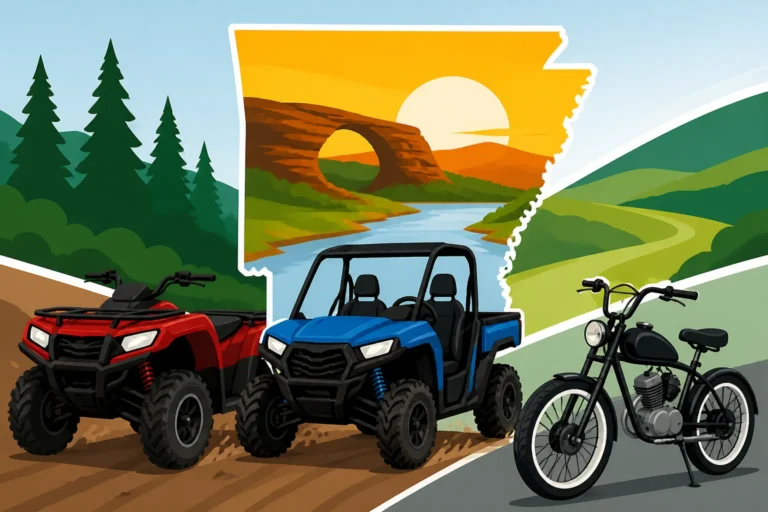
This is where some of the confusion can start, especially when we talk about all the different types of motorized vehicles people ride today. In Arkansas, a "motorcycle" is generally defined as a motor vehicle having a seat or saddle for the use of the rider and designed to travel on not more than three wheels in contact with the ground, but excluding a tractor. This broad definition typically includes what most people think of as motorcycles: street bikes, cruisers, dirt bikes (when ridden on public roads, which is generally not allowed outside of specific exceptions), and even some motor scooters that meet the criteria.
It's important to differentiate this from other vehicle types. For example, a three-wheeled machine with an enclosed cabin or a steering wheel might not be classified as a motorcycle, even if it has a similar engine. Similarly, the growing popularity of electric bicycles or mopeds can blur the lines. However, for the purpose of the under-21 helmet law, if it fits the state's legal definition of a motorcycle and you're on a public thoroughfare, the helmet rule applies to riders under 21. Understanding these distinctions helps clarify why one machine might require a helmet for a young rider, while another might not, even if they both have engines and two or three wheels.
The Importance of an Approved Helmet and Proper Fit
The law isn't just about wearing a helmet; it's about wearing the right helmet. When the statute mentions a "protective helmet," it implies a helmet that meets recognized safety standards. While the Arkansas statute doesn't explicitly name specific certification bodies, widely accepted safety standards like those set by the Department of Transportation (DOT) are generally understood to be the minimum. A DOT-compliant helmet has been tested to provide a certain level of impact protection. Wearing a novelty helmet or one not designed for motorcycle impact protection might technically be "a helmet," but it won't offer the crucial protection needed in a crash and could still lead to a citation for non-compliance.
Beyond compliance, proper fit is paramount. A helmet that is too loose can shift during an impact, failing to protect effectively. One that is too tight can be uncomfortable and distracting, which is its own safety hazard. When you're buying a helmet for a young rider, or for yourself if you're under 21, take the time to ensure it fits snugly, without being painful, and that the chin strap is always fastened. It should not move freely on the head when shaken. While the law mandates the helmet, common sense and a desire for real protection should guide you to [Choosing a Helmet Anyway] and ensure it's a good quality, well-fitting one.
Why This Law is Different for ATVs and UTVs in Arkansas
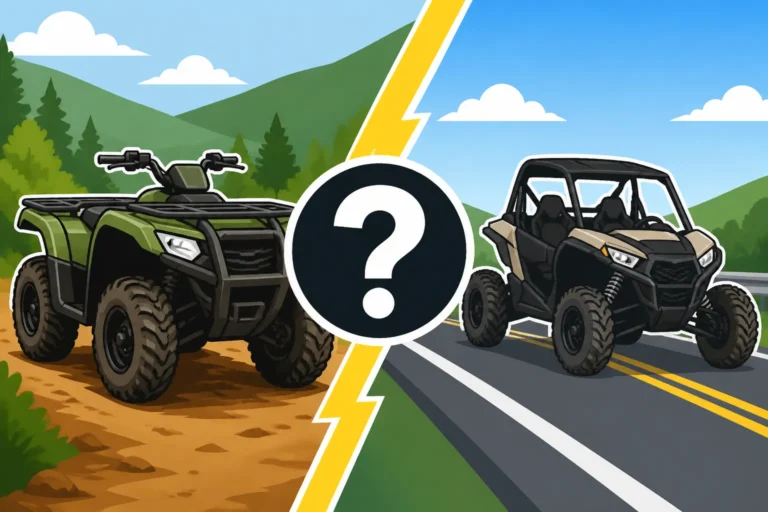
This is often where riders, especially those who spend time both on motorcycles and off-road machines, get tripped up. The perception might be that if a young person needs a helmet on a motorcycle, they surely need one on an ATV or UTV. However, Arkansas law treats these vehicle types quite differently when it comes to mandatory helmet use. This distinction is vital for anyone who rides or owns ATVs and UTVs in the state.
Arkansas Has No Mandatory ATV or UTV Helmet Law
Let's get this clear right from the start: Arkansas does not have a state-level mandatory helmet law for riders of ATVs (All-Terrain Vehicles) or UTVs (Utility Terrain Vehicles), regardless of age. This is a significant difference from the motorcycle helmet law we just discussed. So, if your 16-year-old is riding their quad on private land, or if your family is cruising through a designated off-road park in a side-by-side, there is no state law dictating they must wear a helmet. This is a point of frequent discussion and sometimes confusion, but the legal framework simply doesn't require it. You can learn more about this in [Arkansas Has No ATV Helmet Law].
While the state doesn't mandate helmets for ATVs and UTVs, it's absolutely crucial to understand that this does not mean helmets are unnecessary or unsafe on these machines. On the contrary, many experienced riders and safety advocates strongly recommend helmets for all ATV and UTV riders, especially minors. The risks of head injury in an off-road accident are just as real, if not more so, than on a motorcycle due to uneven terrain, obstacles, and the potential for rollovers. The absence of a law is not an endorsement of riding without protection. It's simply a reflection of how the state legislature has chosen to define and regulate these different types of vehicles.
Legal Definitions That Separate Off-Road from On-Road Machines
The core reason for the different helmet laws lies in how Arkansas statutes define and categorize vehicles. Motorcycles are primarily classified as vehicles intended for on-road use, even if some models are dual-sport capable. ATVs and UTVs, on the other hand, fall under the umbrella of "off-highway vehicles" (OHVs). These definitions are critical because they dictate which set of rules, including safety equipment requirements, applies to each type of machine. The [What Arkansas's ATV Statute Covers] article provides more detail on these classifications.
For example, Arkansas defines an "all-terrain vehicle" as a motorized vehicle manufactured for off-highway use, having at least three but not more than six wheels, and having a seat designed to be straddled by the operator. A "utility terrain vehicle" (UTV) is typically defined by its side-by-side seating and steering wheel, making it distinct from a traditional ATV or a motorcycle. These legal distinctions mean that when the legislature drafted the helmet law for motorcycles, it did not include these specific off-highway vehicle categories. It's not an oversight; it's a deliberate legal separation based on vehicle design and intended use. This means that [Arkansas Motorcycle Helmet Rule Is Not an ATV Rule], clearly defining the boundaries of each type of regulation.
The Impact of Local Ordinances on UTV Street Riding Gear
While there's no state helmet law for ATVs or UTVs, things can get a little more complex if you plan to ride your UTV on city streets. Many Arkansas cities have started to pass their own local ordinances to allow UTVs on certain municipal roads. These ordinances, however, often come with their own set of rules regarding speed limits, equipment, and sometimes even driver age and insurance requirements. You can learn more about this in [Arkansas Towns Can Open Their Streets to UTVs].
It's crucial to check your specific city's ordinance. While most city UTV ordinances don't explicitly require helmets (they often focus on things like turn signals, mirrors, and seat belts), some might. For example, a town might consider a UTV operating on its streets to fall under a broader "motor vehicle" definition in certain contexts, which could indirectly lead to specific safety expectations. Always look up your town's specific rules before riding a UTV on its streets. If you're riding in a city like Bono, which has an ordinance, or exploring other towns, verifying their specific local UTV rules is essential. This is another layer of regulation that can impact what gear is recommended or required, even if it's not a state-level helmet mandate.
Essential Safety Beyond the Letter of the Law for All Young Riders
Even when the law doesn't explicitly require it, common sense and a strong commitment to safety should always prevail, especially for young riders. Whether it's a motorcycle, ATV, or UTV, these machines carry inherent risks, and protecting our children should be a top priority. Moving beyond legal mandates, there are several practical steps every parent and rider can take to ensure a safer experience.
Protective Gear: More Than Just a Helmet (for UTVs/ATVs too)
For motorcycles, we've established the helmet requirement for those under 21. But for ATVs and UTVs, where helmets aren't state-mandated, thinking beyond just a helmet is vital. A helmet is still highly recommended for any off-road machine, but other gear plays a huge role in preventing injuries. This includes:
- Eye Protection: Goggles or a helmet visor are essential to protect against dust, branches, insects, and debris that can quickly impair vision and lead to an accident.
- Gloves: They protect hands from blisters, cuts, and scrapes, and provide a better grip on the handlebars.
- Long Pants and Long-Sleeved Shirts: These protect against scrapes, brush, and minor impacts, reducing the risk of abrasions and sunburn.
- Over-the-Ankle Boots: Sturdy boots protect feet and ankles from impacts, provide good grip on footpegs or floorboards, and prevent feet from getting caught.
For UTVs, while they offer a bit more enclosure, they're not impervious to accidents. Adding accessories like full doors, proper netting, and harnesses (beyond standard seat belts) can significantly enhance rider safety. Companies like SuperATV offer a range of robust protective accessories like heavy-duty bumpers, rock sliders, and full windshields that, while not specific to helmets, contribute to the overall safety envelope of a UTV, particularly for enthusiastic riding. Even though the primary topic is motorcycle helmet laws, it's worth noting that investing in quality protective gear for your UTV can greatly mitigate risks, especially when younger passengers are on board. It's about creating layers of protection, not just relying on a single piece of equipment.
The Role of Training and Supervision for Minors
Laws aside, the single most impactful way to ensure the safety of young riders on any machine is through comprehensive training and proper supervision. Riding an ATV, UTV, or motorcycle requires skill, judgment, and a keen awareness of surroundings. These are not inherent abilities; they must be learned and practiced. While Arkansas doesn't have a mandatory ATV safety course, enrolling young riders in a voluntary course can teach them crucial handling techniques, hazard awareness, and responsible riding etiquette. Many local dealerships or off-road parks offer such programs. You can also review [Arkansas Safety Course Options] for more details.
Supervision is equally critical, especially for riders under a certain age. [Arkansas Supervision Rules Under Twelve] outlines specific requirements for ATV riders, but the spirit of that law applies broadly. Parents or guardians should always be present and attentive when minors are riding, ensuring they adhere to safety rules, ride within their capabilities, and avoid dangerous situations. This also involves selecting the right machine size and power for a child's age and experience level. A 90cc quad for a 6-year-old might be appropriate, but a 450cc ATV or a full-sized motorcycle is certainly not. Training instills skills, and supervision reinforces good habits and intervenes when risks arise.
Riding Smart: Understanding Risks and Responsibilities
Ultimately, safety isn't just about following the law or wearing gear; it's about adopting a mindset of responsible riding. This includes understanding the specific risks associated with each type of machine and environment. For motorcycles, that means being highly visible on public roads, anticipating traffic, and knowing your limits. For ATVs and UTVs, it involves respecting terrain, understanding the machine's stability, and being aware of local rules on trails or private land.
This also means understanding where you can and cannot ride legally. Riding an ATV on a public road in Arkansas is generally prohibited, with very specific exceptions such as [Arkansas Farming Operation Road Use] or [Arkansas Direct Crossing at Ninety Degrees]. Violating these rules not only puts riders at risk but can also lead to fines and legal trouble. Teaching young riders these boundaries and the consequences of ignoring them is part of instilling a culture of safety and responsibility. It's about making smart choices every time you throw a leg over a seat or buckle into a cage, ensuring that the enjoyment of the ride doesn't come at the cost of safety.
Navigating Legal Nuances and Common Misconceptions
The world of motorized vehicles and their regulations is rarely black and white. There are often subtle distinctions in the law that can lead to confusion, especially for those trying to do the right thing. For young riders and their parents in Arkansas, understanding these nuances is key to staying safe and compliant.
Distinguishing "Motorcycles" from "Motor-Driven Cycles"
Adding another layer of complexity is the distinction between "motorcycles" and "motor-driven cycles" in Arkansas law. While the helmet law for riders under 21 specifically refers to "motorcycles," a "motor-driven cycle" is often defined as a motorcycle with an engine displacement of 250 cubic centimeters or less. This might include smaller dirt bikes, mopeds, or scooters. The important takeaway is that if a machine fits the definition of a "motorcycle," even if it's a smaller "motor-driven cycle," the helmet requirement for riders under 21 still applies.
The statute often links the two categories, meaning regulations for motorcycles frequently extend to motor-driven cycles as well, particularly for safety equipment and licensing. This is why a teenager on a small scooter on a public street would still need to wear a helmet if they are under 21. It's not about the engine size so much as the fundamental classification as a road-going, two- or three-wheeled vehicle designed for straddling. Checking the specifics in [Motor-Driven Cycles and Motorized Bicycles] can help clarify these distinctions and ensure you're applying the correct rules to your particular ride.
When Street Legal UTVs Still Don't Follow Motorcycle Rules
The increasing ability to make a UTV "street legal" in certain Arkansas cities often leads to the mistaken belief that these machines then become subject to all the same rules as cars or motorcycles. While UTVs on city streets will need specific equipment like turn signals, mirrors, and sometimes even insurance, they generally do not fall under the state's motorcycle helmet law. The local ordinances that permit UTVs on streets create a specific, limited legal framework for these vehicles.
This means that while your 17-year-old might be able to legally drive a UTV on designated city streets (if the local ordinance allows and they meet age/license requirements), they are not suddenly mandated to wear a helmet under state law simply because they are on a public road. The legislative intent behind the motorcycle helmet law does not extend to UTVs, even if equipped for street use. This is a common point of misunderstanding. Always refer to the specific [Arkansas UTV Street Legal Rules by Town] and remember that the special provisions for UTVs are distinct from motorcycle regulations.
Always Prioritize Rider Safety, Regardless of Mandates
In the end, while understanding the letter of the law is crucial for compliance, true safety goes beyond legal mandates. The absence of a helmet law for ATVs and UTVs for any age, or the option for adult motorcycle riders not to wear one, does not diminish the inherent risks of riding. Head injuries are devastating, and a helmet is undeniably the most effective piece of equipment to prevent or reduce their severity.
For parents, this means making the responsible choice for your children, even if the law doesn't explicitly force your hand. Encourage, and if necessary, enforce, the use of helmets and all appropriate protective gear for young riders on any motorized machine. Lead by example. Teach them the importance of proper training, respectful riding, and understanding the capabilities and limitations of their vehicle. Whether it's the mandatory helmet for your 19-year-old on their motorcycle or the strongly recommended helmet for your 14-year-old on their ATV, prioritizing safety is the most valuable lesson you can impart. The aim isn't just to avoid a ticket, but to avoid an injury that could change a life forever.
Disclaimer
This article is for general informational purposes only and does not constitute professional advice. Laws, prices and regulations vary by location and change over time. Consult a qualified professional for guidance on your specific situation.