Choosing a Helmet Anyway
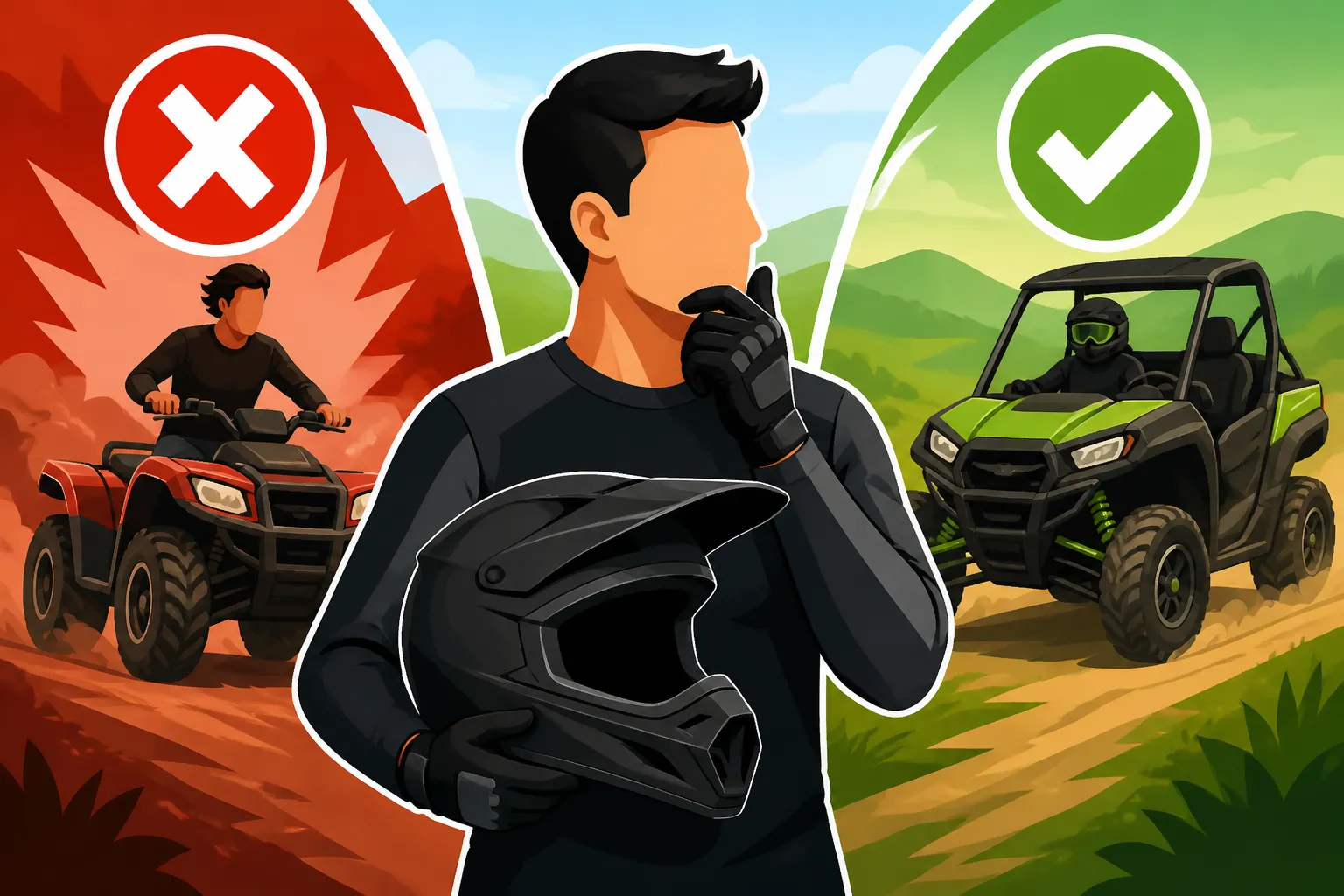
For many folks hitting the trails on their ATV or UTV here in Arkansas, there's a common misconception that because there's no statewide helmet law for off-road vehicles, a helmet isn't necessary. But as a veteran lifestyle blogger who's seen a thing or two out on those gravel roads and rocky trails, I can tell you that nothing could be further from the truth. This guide is all about cutting through that confusion and helping you understand why choosing a quality helmet is one of the smartest decisions you can make for every ride, no matter what the law technically says.
Understanding Arkansas's ATV and UTV Helmet Landscape
It’s easy to get mixed up about helmet laws when you ride off-road. You see motorcyclists always wearing them, but then you hear that ATVs are different. And here in Arkansas, that distinction is really important, but it also creates a bit of a blind spot for many riders when it comes to personal safety. Let's clear up exactly what the state says, and where other rules might come into play.
The State Law: What It Says (And Doesn't Say) About Helmets
The truth of the matter is quite simple, and often surprising to newcomers: [Arkansas Has No ATV Helmet Law]. That's right. Unlike states with strict helmet mandates for all powersports, Arkansas doesn't have a statewide requirement for ATV or UTV riders to wear a helmet when operating these machines. This legal vacuum can lead some riders to believe that because it's not legally required, it's not truly necessary. They might think, "Well, if the state doesn't care, why should I?" This perspective, while understandable from a purely legal standpoint, completely overlooks the very real and present dangers of off-road riding. The absence of a law doesn't mean the risk isn't there; it just means the state isn't legislating personal safety in this specific area. It means the responsibility falls squarely on your shoulders as a rider to make an informed choice for your own well-being and that of your passengers.
The state's statutes regarding helmets are primarily aimed at traditional motorcycles and "motor-driven cycles," which generally exclude the broad category of ATVs and UTVs as defined in Arkansas law. So, when you look up the [Why the Helmet Statute Does Not Reach ATVs], you'll find that the legal definitions simply don't encompass our beloved four-wheelers and side-by-sides. This is why you won't get a ticket from a state trooper purely for not wearing a helmet on a public trail or a legal road crossing, assuming you're otherwise compliant with road crossing rules. However, relying solely on this lack of a statewide mandate is like assuming you don't need a seatbelt in a car just because you're driving on a quiet country road. Accidents happen, and when they do, your head is one of the most vulnerable parts of your body.
Local Ordinances and Private Parks: Where Helmet Rules Do Apply
While the state of Arkansas might be hands-off on helmets for ATVs and UTVs, that doesn't mean you're free and clear everywhere you ride. It’s crucial to remember that local jurisdictions and private entities often have their own rules. For instance, cities and towns that pass ordinances allowing UTVs on their streets might include specific safety equipment requirements, which could very well include helmets for all riders. These local rules can vary wildly from one community to the next, so if you're planning on riding through a town or using their designated routes, you absolutely need to check their specific ordinances. You might find that [Arkansas UTV Street Permit Cost in a City] also comes with a list of mandatory safety gear.
Even more common are the rules you'll encounter at private off-road parks. Places like Hot Springs Off-Road Park, Byrd's Adventure Center, or the numerous other private riding spots across Arkansas often have strict safety protocols in place. They might require helmets for all riders, regardless of age, as a condition of entry. This is often part of their liability waiver and insurance requirements. For these parks, it's not about state law; it's about managing risk and ensuring the safety of their patrons. They want you to have fun, but they also want you to go home in one piece. So, before you load up the machines and head out, always check the specific [Arkansas Private Park Helmet Rules] of your destination. You might also find that if you're renting a machine, the rental company will require helmets, and they might even provide them as part of the package or for an additional fee. This is common practice, and they'll likely ask you to sign a waiver stating you understand and agree to their rules.
Youth Riders: Different Rules for Different Ages
This is where the discussion often gets a bit more nuanced, and where parents really need to pay close attention. Even without a blanket state helmet law, Arkansas does have guidelines and strong recommendations concerning young riders, particularly those under a certain age. While there isn't a mandatory helmet law for kids on ATVs, the state's ATV safety statutes highly encourage protective gear for all riders, especially youth. Common sense and parental responsibility dictate that children should always wear a properly fitted helmet when riding an ATV or UTV. The potential for serious injury for a child in an accident is significantly higher, and their developing bodies are less resilient.
Many parents rightly ask, [Do Kids Need Helmets on an ATV in Arkansas?]. While the answer isn't a resounding "yes, it's the law," it should absolutely be "yes, it's essential for their safety." Beyond helmets, there are other important considerations for young riders. For example, [Arkansas Rules for a Child Passenger] often include age and size recommendations for passengers on ATVs, which ties directly into overall safety. The state also has [Adult Supervision Rules for Arkansas Riders Under 12], emphasizing that these young adventurers need direct, constant oversight from an adult over the age of eighteen. This supervision isn't just about showing them how to operate the machine; it's about ensuring they're equipped with appropriate safety gear, including helmets, and are riding in conditions suitable for their skill level. No matter what the letter of the law says, as a parent or guardian, prioritizing a helmet for a child on an ATV or UTV is non-negotiable for their well-being.
The Unseen Dangers: Why Helmets Are Crucial Even Without a Law
When you're out on the trails of the Ozarks or cruising through the Ouachita Mountains, it's easy to get caught up in the thrill and the scenery. The sun is shining, the air is fresh, and your machine is humming along. In those moments, thinking about a potential accident might be the last thing on your mind. But as a seasoned rider, I know that even the most experienced folks can have an unexpected mishap. That's why considering a helmet, regardless of legal mandates, is a non-negotiable part of safe riding. It's not about being paranoid; it's about being prepared for the unpredictable nature of off-road adventures.
The Hidden Risks of Off-Road Riding: Impacts and Obstacles
Off-road riding, by its very nature, involves environments that are far less forgiving than paved roads. You're dealing with uneven terrain, hidden roots, rocks, sudden drops, and unexpected inclines. A small lapse in judgment, a slippery patch of mud, or a mechanical issue can quickly turn a fun ride into a dangerous situation. Rollovers are a very real concern, especially with UTVs that might feel more stable than they actually are. Even a slow-speed tip-over can result in your head hitting the ground, a rock, or even the roll cage of your UTV. These impacts, even seemingly minor ones, can lead to concussions, skull fractures, or worse. The human skull is surprisingly delicate when confronted with the forces generated in an off-road crash.
Think about the sheer variety of ways you can encounter an impact. You might misjudge a turn and hit a tree branch, or lose control on a steep descent and have the machine buck. I've heard countless stories of riders who were "just cruising" when a tire caught an unseen rut, pitching them off the machine. In those split seconds, a helmet can literally be the difference between a minor bump and a life-altering injury. The statistics on head injuries in ATV and UTV accidents are sobering, and they underscore the critical role a helmet plays in mitigating these risks. It's your primary defense against blunt force trauma, which is the most common cause of serious injury or fatality in these types of incidents. Investing in a quality helmet is investing in your brain's future.
Protection from the Elements: Debris, Dust, and Branches
Beyond the risk of impact from a fall or collision, a helmet offers vital protection against the constant barrage of environmental hazards you encounter while riding. Picture this: you're following a buddy on a dusty trail. Their tires are kicking up a rooster tail of dirt, gravel, and small rocks. Without a helmet, that debris could hit you directly in the face, causing cuts, bruises, or even eye damage. This is where the protection offered by a helmet, particularly a full-face style, really shines. [Eye Protection Worth Wearing] is paramount, and a helmet with an integrated visor or a good pair of goggles worn with an open-face helmet provides this critical shield.
Then there are the natural obstacles. Low-hanging branches that suddenly appear, thorny bushes that snatch at your clothes, or even insects that fly into your face at speed. I've had more than one close call with a rogue branch that would have been a nasty injury without my helmet and goggles. A helmet acts as a barrier, deflecting these hazards and allowing you to maintain focus on the trail. It keeps dust and mud out of your eyes and mouth, which not only improves comfort but also enhances your ability to see and react. It's easy to dismiss these smaller irritants, but over a long day of riding in varied conditions, they can accumulate and detract significantly from your enjoyment and safety. Don't underestimate the power of a bit of well-placed plastic and padding to make your ride safer and more pleasant.
Enhanced Comfort and Focus for a Better Ride
It might seem counterintuitive to think that wearing something on your head could improve comfort, especially on a hot Arkansas day. However, modern ATV and UTV helmets are designed with comfort in mind, and they can significantly enhance your overall riding experience. Good ventilation systems draw in cool air and expel hot air, helping to keep your head relatively cool and preventing excessive sweating. The padding inside is often moisture-wicking, further adding to comfort. For instance, reputable brands like SuperATV offer a range of accessories that complement helmet use, focusing on rider comfort and safety.
Beyond physical comfort, a helmet also contributes to mental comfort and focus. Knowing your head is protected allows you to concentrate more fully on the trail ahead, the nuances of your machine, and the skills you're employing. You're not distracted by worries about a low branch or a flung rock. This increased focus can actually help prevent accidents, as you're more engaged with your surroundings and more capable of reacting quickly to changing conditions. Additionally, many helmets offer some level of noise reduction, which can lessen rider fatigue over long distances by dampening the constant roar of the engine and the wind. A clear, unobstructed view, free from sun glare (thanks to a peak or visor), further enhances your ability to navigate safely. Ultimately, a helmet isn't just about surviving a crash; it's about making every ride more enjoyable, more comfortable, and crucially, safer.
Your Guide to Choosing the Perfect ATV or UTV Helmet
Okay, so you're convinced that a helmet is a smart choice for your Arkansas off-road adventures. Great! But walking into a store or browsing online can be overwhelming with all the options out there. It's not just about picking something that looks cool; it's about finding a helmet that offers the right protection, fits correctly, and suits your riding style. Let's break down what you need to know to make an informed decision.
Exploring Helmet Styles: Full-Face, Open-Face, and Modular
When it comes to ATV and UTV helmets, you'll generally encounter a few main styles, each with its own advantages and considerations:
| Helmet Type | Key Features | Pros | Cons | Ideal For |
|---|---|---|---|---|
| Full-Face | Covers entire head, chin bar, fixed visor. | Maximum protection (head, face, jaw). Excellent dust/debris protection. Quiet. | Can feel hot. Heavier. More restrictive view than open-face. | Aggressive trail riding, high speeds, dusty conditions, racing. |
| Open-Face | Covers top, back, and sides of head. No chin bar. | Lighter, more airflow. Wider field of vision. | No chin or face protection. Requires separate goggles. | Casual riding, slower speeds, warmer weather, utility work. |
| Modular | Full-face convertible to open-face (flip-up chin bar). | Versatility (full protection or open-air). Convenient for breaks. | Heavier and bulkier than full-face. More complex mechanisms can break. | Touring, varied conditions, riders who want both protection and convenience. |
| Off-Road/Motocross | Extended chin bar, large peak, no integrated visor. | Excellent ventilation. Designed for goggles. Good impact absorption. | Requires separate goggles. Peak can catch wind at high speeds. | Dedicated dirt riding, racing, aggressive trail riding. |
Full-Face Helmets: These offer the most comprehensive protection, covering your entire head, including your chin and jaw. They typically come with a fixed visor, which is great for keeping out dust, bugs, and branches. If you're tackling more aggressive trails or riding at higher speeds, a full-face helmet is an excellent choice for maximum safety.
Open-Face (or 3/4) Helmets: These cover the top, back, and sides of your head, but leave your face exposed. They're lighter and offer more airflow, which can be a relief on hot days. However, you'll absolutely need to pair an open-face helmet with a good pair of goggles or safety glasses for [Eye Protection Worth Wearing] against debris. They're popular for more casual, slower-paced riding or utility work where a wide field of vision is crucial.
Modular (or Flip-Up) Helmets: These are a hybrid, offering the protection of a full-face helmet but with a chin bar that can flip up, converting it into an open-face style. They offer versatility, which is great for quick conversations or getting some air without removing the whole helmet. However, they tend to be a bit heavier and bulkier than a traditional full-face.
Off-Road/Motocross Helmets: These are a specialized type of full-face helmet, often characterized by an extended chin bar for ventilation and protection, and a large peak or visor to block sun and deflect roost. They don't typically come with an integrated visor, so goggles are a must. These are designed for intense off-road riding where breathability and aggressive protection are key.
Consider your primary riding style and the conditions you usually encounter when making your choice. If you ride with a passenger, ensure their helmet provides similar protection, especially for youth riders where the [Arkansas Rules for a Child Passenger] should always lead you to prioritize their safety.
The Importance of a Proper Fit and Sizing Techniques
This might be the most critical aspect of choosing a helmet: the fit. An ill-fitting helmet, whether too loose or too tight, cannot do its job effectively. A helmet that's too big will move around during a crash, offering little protection, while one that's too small will be uncomfortable and could cause headaches, leading to distraction.
Here's how to ensure a proper fit:
- Measure Your Head: Use a cloth tape measure and wrap it around the largest part of your head, just above your eyebrows and ears. Note the measurement in both inches and centimeters.
- Consult the Size Chart: Every reputable helmet manufacturer will have a size chart corresponding to head measurements. Always refer to the specific brand's chart, as sizing can vary slightly between manufacturers.
- Try It On: When you put the helmet on, it should feel snug all the way around, with no pressure points. It should be difficult to put on, but not painful. The interior padding should press firmly and evenly against your head and cheeks.
- The "Shake Test": With the chin strap securely fastened, try to move the helmet from side to side and up and down. Your scalp should move with the helmet. If the helmet slides around independently of your head, it's too big.
- The "Roll-Off Test": Have someone try to roll the helmet off your head from the back. If it comes off easily, it's too large or not designed properly for your head shape.
- Wear It for a Bit: If possible, wear the helmet for 10-15 minutes in the store. Any minor pressure points that felt okay initially can become unbearable after a short period. This also gives you a chance to see how the ventilation works and how comfortable it truly is.
Remember, every head is shaped slightly differently, so what feels right for one person might not for another. Don't rush the sizing process. A perfectly fitting helmet is your best defense against injury.
Essential Features: Ventilation, Visors, and Safety Certifications
Beyond style and fit, several features contribute to a helmet's effectiveness, comfort, and safety:
- Ventilation: Look for helmets with adjustable vents. Good airflow is crucial for comfort, especially during hot Arkansas summers. It helps prevent fogging of visors or goggles and reduces sweat buildup. Brands like SuperATV often focus on practical aspects like this for their gear.
- Visors and Peaks: If you opt for a full-face or modular helmet, check the quality of the integrated visor. Is it anti-scratch and anti-fog? Does it offer UV protection? For off-road helmets, the peak (the brim over the eyeport) is important for blocking sun and deflecting roost.
- Lining and Padding: The interior lining should be comfortable, moisture-wicking, and preferably removable and washable. This helps maintain hygiene and comfort over time.
- Chin Strap: A secure and easy-to-use chin strap (usually a D-ring or quick-release buckle) is essential. It ensures the helmet stays in place during an impact.
- Safety Certifications: Always check for recognized safety certifications. The most common in the US is DOT (Department of Transportation) FMVSS 218. This indicates that the helmet meets minimum safety standards. For even higher levels of protection, look for Snell M2020 or ECE 22.05/22.06 certifications. These are more rigorous testing standards and provide an extra layer of confidence in the helmet's protective capabilities. Never buy a helmet without at least a DOT certification.
When you're comparing [Arkansas ATV Rental Cost Per Day] versus buying your own machine, remember that rental often includes basic gear. But if you're frequently riding, your own high-quality helmet is an investment that pays dividends in safety and comfort. Don't compromise on these features; they are what make a helmet truly effective.
Caring for Your Helmet: Maximizing Its Lifespan and Protection
So, you've invested in a fantastic helmet that fits perfectly and offers all the right features. That's a huge step toward safer riding! But your helmet isn't a "set it and forget it" piece of gear. Just like your ATV or UTV, it needs a little love and attention to ensure it continues to offer peak protection over the long haul. Proper care isn't just about making it look nice; it's about preserving the integrity of its materials and, by extension, your safety.
Cleaning and Maintenance Tips
Riding in Arkansas means encountering dust, mud, sweat, and sometimes even the occasional bug splatter. All of this grime can accumulate on and inside your helmet, affecting its comfort, visibility, and even its lifespan.
Here’s how to keep your helmet clean and well-maintained:
- Exterior Cleaning: For the outer shell, use a soft cloth dampened with mild soap and water. Avoid harsh chemicals, abrasive cleaners, or petroleum-based solvents, as these can damage the helmet's finish, decals, or even compromise the integrity of the shell material. Gently wipe away dirt and grime. For stubborn bug splatters, lay a wet cloth over the area for a few minutes to soften them before wiping.
- Visor Care: If your helmet has an integrated visor, clean it with a dedicated visor cleaner or mild soap and water and a microfiber cloth. Always use a soft touch to avoid scratching the anti-fog or anti-scratch coatings. Never wipe a dry, dusty visor, as this will inevitably scratch it. Rinse off loose dirt first.
- Interior Cleaning: Most modern helmets have removable, washable liners and cheek pads. Check your helmet's manual for specific instructions, but generally, these can be hand-washed in cool water with a mild detergent (like baby shampoo) and then air-dried. Ensure they are completely dry before reinserting them into the helmet to prevent mildew or odors. If your liner isn't removable, you can gently spot clean it with a damp cloth and mild soap, then let it air dry thoroughly.
- Chin Strap: Clean the chin strap with a damp cloth and mild soap. Pay attention to the D-rings or buckle, ensuring they are free of mud or debris that could impede their function.
- Storage: Store your helmet in a cool, dry place away from direct sunlight and extreme temperatures. Heat and UV exposure can degrade the helmet's materials over time. Using a helmet bag can help protect it from dust and scratches when not in use. Avoid storing it near chemicals, as their fumes can also weaken the helmet's structure.
A well-cared-for helmet not only feels better to wear but also maintains its protective qualities for longer, ensuring it's ready for your next adventure, whether it's riding on [Arkansas ATV Trails: Where to Ride] or just doing chores around the farm.
When to Replace Your Helmet: Knowing Its Limits
Even with the best care, helmets don't last forever. They are designed to absorb and dissipate impact forces, and once they've done their job (or simply aged), their protective capabilities diminish. Knowing when to replace your helmet is just as important as choosing the right one in the first place.
Here are the key indicators it's time for a new lid:
- After Any Impact: This is the golden rule. If your helmet has been involved in any kind of crash or even a significant drop onto a hard surface, replace it immediately. Even if there are no visible signs of damage, the internal foam (EPS liner) might have compressed or cracked, compromising its ability to protect you in a subsequent impact. Helmets are designed for a single major impact. Don't gamble with your head. If you've been in an [Arkansas Accident Reporting for an ATV Crash] incident, get a new helmet.
- Age: Most manufacturers recommend replacing a helmet every 3 to 5 years, regardless of whether it's been in a crash or not. Over time, the materials (like the EPS foam, resins in the shell, and even the glues) can degrade due to exposure to UV light, sweat, oils from your skin, and general atmospheric conditions. This degradation can make the helmet less effective in an impact. Check the manufacturing date sticker inside your helmet; it's usually under the comfort liner.
- Visible Damage: Look for obvious signs of wear and tear:
- Cracks or chips in the outer shell.
- Frayed or damaged chin strap, or a malfunctioning buckle.
- Degrading interior padding that has become flattened, ripped, or no longer provides a snug fit.
- Visor or shield issues like deep scratches that impair vision, or mechanisms that no longer operate smoothly.
- Exposed or cracked EPS foam (the hard foam inside the shell).
Your helmet is a critical piece of safety equipment. Treat it as such, and be disciplined about replacing it when necessary. Your brain is worth it. For general riding safety, also consider taking [Arkansas Safety Course Options] to refresh your skills.
Essential Accessories for Enhanced Safety
While the helmet itself is the star of the show, a few accessories can significantly enhance your protection and comfort, making your Arkansas rides even better.
- Goggles: If you're using an open-face or off-road helmet, high-quality goggles are non-negotiable. They protect your eyes from dust, debris, bugs, and UV rays. Look for goggles with anti-fog properties and good ventilation. You might even consider different lens tints for varying light conditions. Brands like SuperATV often carry a selection of compatible goggles.
- Balaclavas or Helmet Liners: These thin fabric covers worn under your helmet serve multiple purposes. They wick away sweat, keeping you cooler and more comfortable, and they help keep the inside of your helmet cleaner by acting as a barrier against skin oils and sweat. They can also provide an extra layer of warmth in cooler weather.
- Hydration Packs: While not directly helmet-related, staying hydrated is crucial for maintaining focus and preventing fatigue, which indirectly contributes to safety. Many hydration packs are designed to be worn comfortably with riding gear.
- Communication Systems: For group rides, an in-helmet communication system allows you to talk to your fellow riders without shouting or stopping. This can be a safety feature, allowing you to warn others of hazards or communicate quickly in an emergency.
- Neck Braces: For more aggressive riding, especially motocross or racing, a neck brace can help protect your neck and spine from hyperextension or compression injuries in a crash. These are designed to integrate with your helmet and chest protector.
Equipping yourself with a great helmet and smart accessories demonstrates a commitment to safety that goes far beyond simply adhering to the letter of the law. It’s about being a responsible rider and ensuring you can enjoy the beautiful Arkansas trails for years to come.
Disclaimer
This article is for general informational purposes only and does not constitute professional advice. Laws, prices and regulations vary by location and change over time. Consult a qualified professional for guidance on your specific situation.