Eye Protection Worth Wearing
Riding an ATV or UTV in the beautiful, rugged landscapes of Arkansas is an incredible experience, but nothing can ruin a good day on the trails faster than a branch smacking you in the face, a cloud of dust blinding you, or a bug hitting your eye at speed. Many riders, especially newcomers, might overlook the crucial role of proper eye protection, only to find themselves squinting through tears, dealing with irritated eyes, or worse, suffering an injury. This guide will walk you through why robust eye protection isn't just a suggestion, but a necessity, and help you understand the different options available to keep your vision clear and your adventures safe.
The Non-Negotiable Need for Eye Protection
Let's be real: when you're gearing up for a ride through the Ouachita National Forest or exploring the trails near Mena, the last thing on your mind might be a tiny pebble. But those tiny pebbles, or even larger pieces of debris, become projectiles at speed. Your eyes are incredibly vulnerable, and neglecting to protect them can lead to serious, even permanent, damage. It's not just about comfort; it's about preserving your ability to see the world around you, both on and off the machine.
Think about the environment you're riding in. You're kicking up dust and dirt, especially on dry Arkansas trails. Other riders in front of you are doing the same. You're passing under trees with low-hanging branches, some of which might snap back unexpectedly. There are bugs – and not just little gnats, but sometimes big, hard-bodied insects that feel like tiny rocks when they hit. Rain, mud, wind, and even bright sunlight can all impair your vision and cause discomfort without the right gear. Squinting isn't a solution; it's a symptom of a problem that needs fixing. Eye protection acts as a physical barrier, shielding your eyes from these countless hazards, allowing you to focus on the trail, react quickly to changes in terrain, and truly enjoy the ride without unnecessary distractions or pain.
Common Hazards Your Eyes Face on the Trail
The trails of Arkansas, whether you're navigating the tight turns of Wolf Pen Gap or the more open stretches of Mill Creek, present a myriad of threats to your unprotected eyes. It's often the small, unexpected things that cause the most trouble. Understanding these common hazards helps underscore why quality eye protection is so vital.
Dust, Dirt, and Debris Clouds
Imagine a hot, dry summer day on a gravel road or a well-used trail. As you or the rider in front of you accelerates, a massive cloud of dust billows up. Without proper eye protection, this fine particulate matter gets everywhere. It irritates your eyes, causing them to water, itch, and burn. This isn't just uncomfortable; it severely impairs your vision, making it hard to see upcoming obstacles, other riders, or even where the trail is going. A sudden stop or turn becomes a guessing game. Furthermore, dust often contains abrasive particles that can scratch the delicate surface of your eye, leading to pain and potential infection. It's a common, everyday occurrence that can instantly turn a fun ride into a frustrating, even dangerous, experience.
Beyond dust, consider the variety of debris you encounter. Small rocks, bits of wood, dried leaves, and even splashes of mud can be flung into the air by tires. These aren't just minor annoyances; they can hit your eyes with considerable force. A direct hit from a pebble can cause corneal abrasions, contusions, or even more severe trauma. When you're riding through wooded areas, there's also the constant threat of twigs and small branches. A branch snapping back unexpectedly can whip directly into your face, and if it catches an unprotected eye, the consequences could be devastating. This is why having a strong, clear barrier between your eyes and the environment is absolutely essential, allowing you to ride confidently, knowing your eyes are safeguarded from the unpredictable nature of off-road adventures.
Bugs, Wind, and UV Rays
It's not just solid objects you need to worry about. Arkansas is home to all sorts of insects, especially during the warmer months and near water sources. Hitting a large beetle at 30 miles per hour can feel like a stone, and smaller insects can get trapped under eyelids, causing intense irritation and distraction. You might think about [Arkansas Riding in Summer Heat] and the bugs that come with it. Even tiny gnats flying into your eyes can make you instinctively close them, which is incredibly dangerous when operating an ATV or UTV.
Then there's the wind. While it can feel refreshing on a hot day, constant wind exposure can dry out your eyes, making them sting and water. This "dry eye" effect can significantly reduce your visual clarity and comfort over a long ride. When you're trying to keep an eye on the trail or watch for wildlife, blurry, watering eyes are the last thing you need.
Finally, don't forget the sun. Even on cloudy days, harmful ultraviolet (UV) rays are present. Prolonged exposure to UV radiation can lead to eye conditions such as cataracts and macular degeneration over time. Quality eye protection, especially those with UV blocking properties, helps filter out these harmful rays, protecting your long-term eye health while ensuring optimal vision during your ride. It's a subtle threat that often goes unnoticed until the damage is done, making proactive protection crucial.
Types of Eye Protection for ATV and UTV Riders
When it comes to safeguarding your vision on the trails, you have several excellent options, each with its own benefits and considerations. The best choice often depends on your specific riding style, comfort preferences, and whether you're riding an open ATV or a UTV with a windshield.
Riding Goggles: The Off-Road Staple
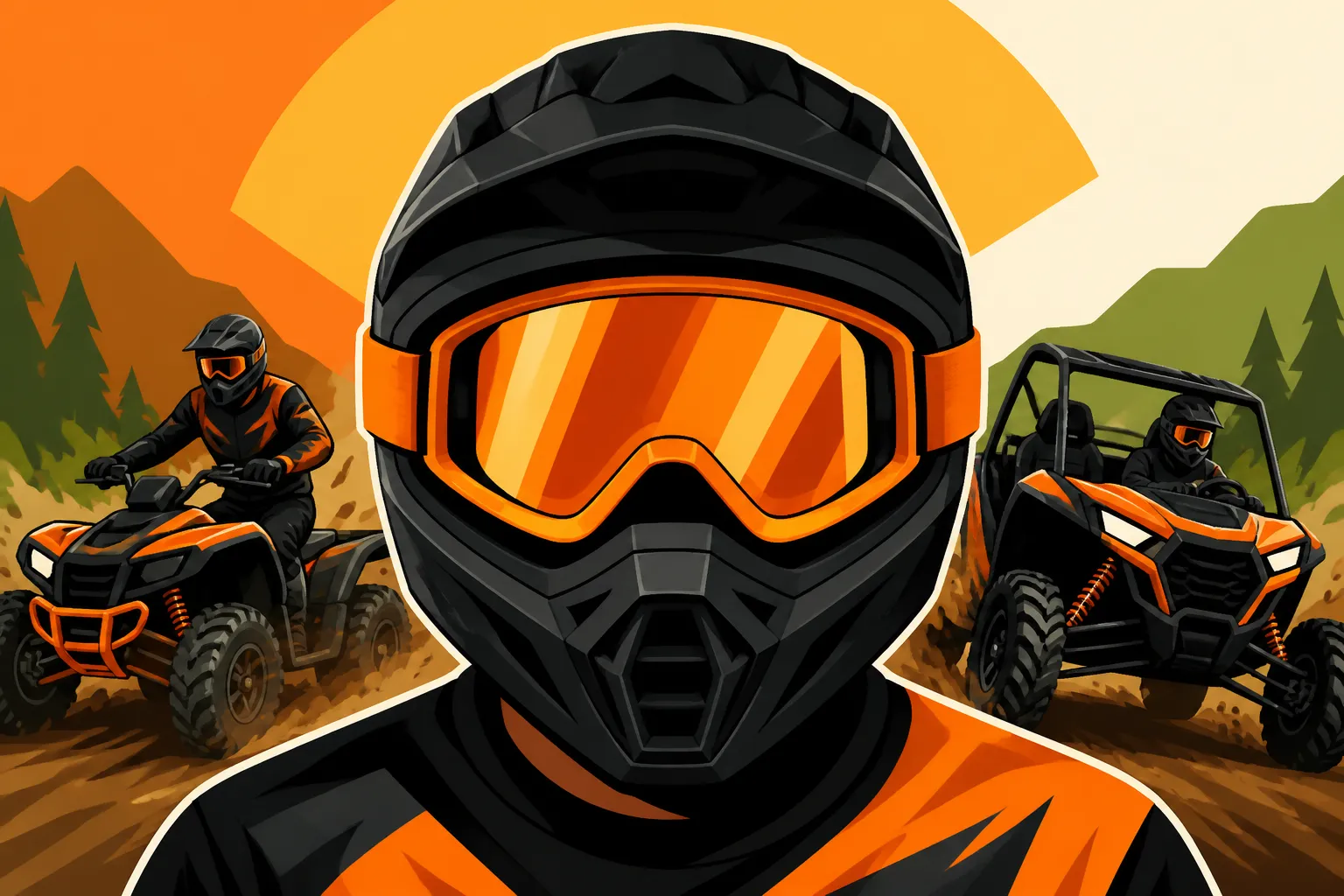
For most ATV riders, and many UTV riders who prefer an open-air experience or have no windshield, a good pair of riding goggles is the go-to solution. Goggles are designed specifically for the rigors of off-road riding. They typically feature a wide, flexible frame that conforms to your face, often with foam padding around the edges to seal out dust and absorb sweat. This snug fit is crucial for preventing debris from sneaking in around the edges, something that regular sunglasses or safety glasses often fail to do.
Goggles usually come with adjustable elastic straps that fit securely around a helmet, ensuring they stay in place even over rough terrain. The lenses are typically made from durable, impact-resistant polycarbonate, offering excellent protection against flying objects. Many high-quality goggles also offer interchangeable lenses, allowing you to swap them out for different light conditions – clear for [Arkansas Rules for Riding After Dark] or heavily wooded trails, tinted for bright sunny days, and amber or yellow for enhanced contrast in overcast or low-light situations. Some even have anti-fog coatings or ventilation systems to prevent your vision from clouding up due to humidity or exertion. When riding through the mud or crossing creeks, goggles provide an unparalleled level of sealed protection, keeping your eyes clean and your vision consistently clear.
Safety Glasses and Sunglasses: For Lighter Duty
While goggles are the gold standard for full off-road protection, sometimes a lighter option is suitable, particularly for UTV riders with windshields or those on less aggressive terrain. Safety glasses, often resembling sports sunglasses, offer a good balance of protection and convenience. They are typically constructed with impact-resistant polycarbonate lenses, similar to goggles, providing a solid barrier against airborne debris. Many models wrap around the face, offering decent peripheral coverage.
The main advantage of safety glasses is their comfort and versatility. They're often lighter, less bulky than goggles, and can be worn without a helmet if your jurisdiction or riding area allows for it (though [Arkansas ATV Helmet Requirements] are worth checking). They are great for quick, casual rides, or when you're mostly concerned with sun glare and the occasional bug. However, they lack the sealed fit of goggles. Dust, wind, and even small splashes of mud can easily get in around the edges, especially when traveling at higher speeds or through dense dust clouds. If you choose safety glasses, look for those specifically rated for impact resistance (like ANSI Z87.1) and ensure they have good side protection. They can be a good choice for passengers in a UTV with a full windshield, or for riders navigating relatively calm, less dusty conditions, but for serious trail riding, they are generally considered a step down from dedicated goggles.
Helmet Visors and Windshields: Complementary Protection
For many UTV riders, the primary line of defense comes from a windshield. A full front windshield, whether glass or polycarbonate, provides a substantial barrier against most direct impacts from dust, bugs, and debris. This is where products from brands like SuperATV often come into play, offering robust and durable windshield options designed for specific UTV models. While a windshield drastically reduces the need for goggles, it's important to remember that it's not a complete solution. Dust can still swirl up from below or enter through side openings, and flying debris from the sides or rear can still be a concern.
Therefore, even with a windshield, it's still wise to wear some form of eye protection. This could be a pair of safety glasses, sunglasses, or even a helmet with an integrated visor. An open-face helmet with a pull-down visor offers a similar level of protection to a pair of large safety glasses, sealing better against wind and some dust. Full-face helmets, designed for maximum protection, often have an integrated clear visor that completely covers the face, providing excellent protection against virtually all hazards. These visors are usually scratch-resistant and treated for anti-fogging. The key takeaway here is that windshields and helmet visors are excellent complementary forms of protection. They enhance safety and comfort, but for absolute peace of mind, especially on challenging trails, combining them with dedicated goggles or impact-rated glasses provides the most comprehensive defense for your eyes.
| Eye Protection Type | Best Use Case | Pros | Cons |
|---|---|---|---|
| Riding Goggles | Aggressive ATV/UTV riding, dusty/muddy trails | Excellent seal, impact resistance, anti-fog, interchangeable lenses | Can be bulky, may fog without ventilation, requires helmet |
| Safety Glasses | Casual UTV riding with windshield, light trails | Lightweight, comfortable, less bulky, good for sun glare | Gaps allow dust/debris, limited peripheral protection, can fall off |
| Helmet Visor (Integrated) | UTVs with windshield, full-face helmets, street-legal UTVs | Convenient, sealed against wind/dust, always with helmet, good coverage | Less flexible for different light (unless interchangeable), can fog |
| Windshield (UTV) | All UTV riding | Primary barrier against large debris, wind, and bugs | Does not seal 100%, dust can swirl in, limited side protection |
Choosing the Right Eye Protection for Your Ride
Selecting the best eye protection isn't a one-size-fits-all decision. It depends heavily on your specific machine, the type of riding you do, and even the conditions of the day. Taking a moment to consider these factors can make a huge difference in your comfort and safety.
Matching Protection to Your Machine
The type of off-road vehicle you operate is a primary factor in your eye protection choice. If you primarily ride an open-air ATV, especially in dusty conditions or through wooded areas, dedicated riding goggles are almost always your best bet. Their sealed fit around your face provides superior protection against all the elements you'll encounter on trails like those in the [Arkansas National Forest Riding Explained].
For UTV riders, the decision often revolves around whether your machine has a windshield, and what kind of windshield it is. If you have a full, sealed windshield (like those often offered by brands such as SuperATV), you might find that high-quality safety glasses or even just the integrated visor on a full-face helmet provide adequate protection for most conditions. This is because the windshield handles the bulk of the direct impact hazards. However, if your UTV has a half-windshield, or an open front, you'll still experience a lot of wind, dust, and debris, making goggles a far more effective choice. Even with a full windshield, if you plan on tackling exceptionally dusty or muddy terrain, a pair of goggles tucked away in your storage might be a smart backup. Remember, the goal is to create a comprehensive barrier, so consider your setup and where the gaps might be.
Considering Riding Conditions and Terrain
The conditions you're riding in play a huge role in your eye protection needs. On dry, dusty days, especially if you're riding in a group, dust control becomes paramount. Goggles with good ventilation and anti-fog coatings are essential to maintain clear vision. Riding after a rain, particularly through muddy sections, calls for excellent splash protection, again making goggles shine. The Ouachita Mountains can be particularly prone to mud, so be prepared when [Arkansas Riding in Spring Rain] is a possibility.
If you're primarily riding on your own private land for chores, or on designated [Arkansas Farming Operation Road Use] paths, where speeds are lower and debris is less of a concern, robust safety glasses might suffice. However, if you're hitting technical trails, navigating through dense brush, or riding at higher speeds on a gravel road, the potential for direct impacts from branches or flung rocks increases dramatically, demanding the full coverage and impact resistance of goggles or a full-face helmet with a visor. Always assess the expected terrain and conditions before you head out, and gear up accordingly. It's better to be over-prepared than under-protected when it comes to your eyesight.
Prescription Lenses and Over-Glasses Options
For riders who wear prescription glasses, finding effective eye protection can feel like a bit of a challenge. Many people try to wear their regular eyeglasses under goggles, only to find them uncomfortable, prone to fogging, or not fitting correctly. Thankfully, there are several solutions designed specifically for this common dilemma.
One popular option is "OTG" (Over The Glasses) goggles. These are specially designed to fit comfortably over most prescription frames. They often have deeper frames, cutouts in the foam padding for temple arms, and sometimes slightly larger lenses to accommodate your existing glasses without pressing them into your face. When trying on OTG goggles, make sure they don't pinch your glasses or create pressure points, as this can lead to discomfort on longer rides.
Another excellent solution is to get prescription inserts for your goggles. Many goggle manufacturers offer clip-in inserts that can be fitted with your prescription lenses by an optician. This allows you to wear standard goggles without needing your regular glasses underneath, providing a cleaner, more comfortable fit and often better anti-fog performance. This also means you can easily swap between clear, tinted, or amber goggle lenses, with your prescription always integrated.
Finally, some companies offer prescription riding glasses or sunglasses that are impact-rated. These are custom-made to your prescription and designed with durable frames and lenses suitable for active sports. While they offer good protection against UV and some debris, they generally don't provide the same sealed protection against dust and wind as goggles do. If you choose this route, ensure they have strong side protection. For any prescription solution, always prioritize impact-resistant lens materials like polycarbonate to ensure your eyes are fully protected against the hazards of the trail.
Maintaining Your Eye Protection for Lasting Safety
Investing in good eye protection is only half the battle; proper care and maintenance ensure it continues to perform at its best, ride after ride. Neglecting your gear can lead to compromised vision, reduced effectiveness, and a shorter lifespan for your valuable equipment.
Cleaning and Storage Best Practices
After a dusty or muddy ride on the trails, your eye protection will inevitably be dirty. Resist the urge to wipe lenses with your shirt or a dry rag, as this can scratch the surface and permanently impair your vision. Instead, use a gentle cleaning method. For goggles and visors, first, rinse them under lukewarm water to remove any loose dirt and mud. Then, use a mild soap (like dish soap) and your fingertips or a soft, clean cloth to gently wash the lenses. Rinse thoroughly and let them air dry, or gently blot with a microfiber cloth designed for optics. For safety glasses, follow a similar process. If your goggles have removable foam, occasionally clean that as well according to manufacturer instructions.
Proper storage is also key. Always store your goggles or glasses in a protective bag or case when not in use. This prevents them from getting scratched by other gear in your pack or rubbing against hard surfaces. Keep them out of direct sunlight for prolonged periods, as excessive heat can sometimes warp frames or degrade foam padding. Store them in a dry, cool place to prevent mold or mildew, especially if they got wet on the trail. Taking these simple steps ensures your eye protection remains clear and ready for your next adventure.
Replacing Lenses and Parts
Even with the best care, lenses can eventually get scratched, fog less effectively, or simply wear out. It’s important to inspect your eye protection regularly for signs of wear and tear. Small scratches might seem minor, but they can catch light and create distracting glare, reducing your ability to see clearly and identify hazards. If your lenses are heavily scratched or the anti-fog coating is no longer effective, it's time for a replacement. Many high-quality goggles offer replacement lenses that are easy to swap out, often for a fraction of the cost of a new pair of goggles.
Beyond lenses, check the elastic strap on your goggles. If it's stretched out, frayed, or losing its elasticity, it won't hold the goggles securely to your helmet, which could be dangerous. Replacement straps are often available. Similarly, inspect the foam padding around the frame; if it's compressed, torn, or no longer seals well against your face, dust and debris can sneak in. Some goggles allow for foam replacement. Regular inspection and timely replacement of worn-out components ensure that your eye protection continues to offer the maximum level of safety and performance, keeping your eyes shielded from the diverse challenges of [Arkansas ATV Trails: Where to Ride].
Final Thoughts on Arkansas Eye Safety
Riding ATVs and UTVs in Arkansas is an exhilarating experience, full of breathtaking scenery and thrilling trails. But part of truly enjoying that experience means being prepared and protecting yourself from common hazards. Your eyes are incredibly valuable, and overlooking proper protection is a risk simply not worth taking. Whether you opt for a sturdy pair of goggles that seal out every speck of dust, or rely on a combination of a UTV windshield and impact-rated glasses for calmer rides, prioritize clear vision and uncompromising safety.
Don't let a stray branch, a cloud of dust, or an unexpected bug ruin your day or, worse, cause an injury that impacts your long-term health. Invest in good quality eye protection, wear it every single time you ride, and take care of it so it can take care of you. When you're thinking about [Arkansas Equipment for a Street-Permitted Machine] or simply getting ready for a weekend on the dirt, make eye protection a non-negotiable part of your gear checklist. Stay safe out there, and happy trails!
Disclaimer
This article is for general informational purposes only and does not constitute professional advice. Laws, prices and regulations vary by location and change over time. Consult a qualified professional for guidance on your specific situation.