Under Twelve and Direct Supervision
It's incredibly exciting to introduce kids to the world of ATV and UTV riding, seeing their faces light up as they learn to handle a machine. But let's be real, there's a big difference between backyard fun and understanding the intricate legal requirements and safety protocols, especially when it comes to young riders. This guide will help you navigate Arkansas's specific rules regarding riders under twelve, focusing on what "direct supervision" truly means and how to keep your young adventurers safe and legal.
The Heart of the Matter: Arkansas's "Under Twelve" Rule
If you're a parent, grandparent, or guardian, you know the struggle: kids want to ride everything, and they want to do it now. But when it comes to ATVs and UTVs in Arkansas, there are clear lines drawn, particularly for our youngest enthusiasts. The state's regulations are designed to ensure safety, recognizing that children under a certain age simply don't have the judgment, strength, or coordination to operate these powerful machines unsupervised. It’s not about stifling fun; it’s about preventing serious accidents.
The key phrase you'll hear and read in Arkansas law regarding these young riders is "direct supervision." It’s more than just being in the same general area; it implies a hands-on, attentive level of oversight that many folks might underestimate. Understanding this distinction is crucial, because a lack of proper supervision isn't just a safety hazard – it can lead to legal penalties and put a real damper on your family's riding experience. This is especially true when you're thinking about places like public trails or designated riding parks, where the rules are strictly enforced.
What "Direct Supervision" Really Means on the Trail
The term "direct supervision" might sound straightforward, but in practice, it can feel a bit ambiguous. For Arkansas, when we're talking about ATV and UTV riders under the age of twelve, it means an adult must be present, attentive, and capable of immediately intervening if necessary. This isn't just a suggestion; it's a legal requirement designed to protect our most vulnerable riders. Let's break down what that typically looks like and what it demands of the supervising adult.
Physical Proximity and Line of Sight
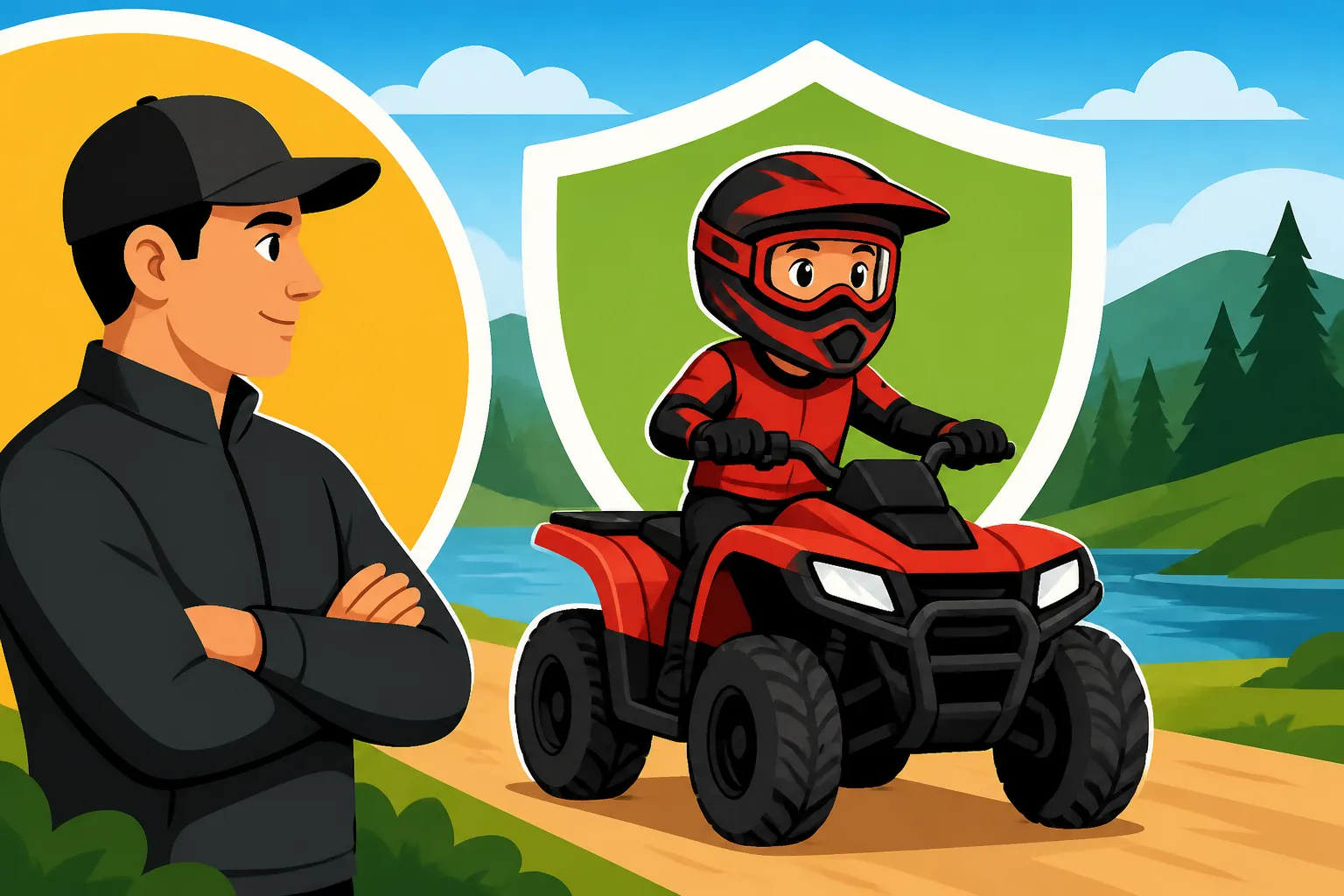
When the law talks about "direct supervision," it's certainly not envisioning you lounging in a hammock while your child explores a mile down the trail. It means you, as the supervising adult, need to be close enough to your child to see them at all times and to react instantly to any situation. Think of it like teaching a child to swim – you're in the water with them, within arm's reach. On an ATV, this translates to riding either immediately behind them, or perhaps alongside them on a wider trail, always keeping them in your field of vision.
Imagine you're on a winding forest trail in the Ouachitas. If your child rounds a bend and you can no longer see them, you are likely not providing direct supervision. This means no riding far ahead, no splitting up on different trails, and certainly no dropping them off at one point and picking them up later. The goal is constant visual contact. This proximity allows you to spot potential hazards they might miss, like a deep rut, an unexpected obstacle, or another rider approaching quickly. Many riders find that a communication system, even simple hand signals or a two-way radio, can enhance this, but it's never a substitute for physical presence. Always remember that Arkansas law has specific [Arkansas ATV Age Rules for Young Riders] that mandate this close attention.
Immediate Intervention and Control
Beyond just seeing your child, direct supervision implies the ability to act immediately. If your child suddenly loses control, encounters a stalled machine, or comes upon an unexpected obstacle, you, the supervisor, must be able to step in without delay. This means you need to be riding a machine that allows you to keep pace, or you should be on foot if it's a very controlled, slow environment. It also means you need to be focused solely on the child's riding. Checking your phone, admiring the scenery, or engaging in deep conversation with another adult while your child is riding unsupervised doesn't meet the standard.
Consider a situation where a child, still learning, might panic on a steep incline. A directly supervising adult could quickly guide them through it, or even physically assist if the machine starts to tip. This level of intervention capacity is why the law takes supervision so seriously. It’s about being prepared for the unexpected, which is especially common when a child is learning. You, as the adult, are not just an observer; you are an active safety net.
Who Can Supervise? The Adult's Responsibility
The responsibility for "direct supervision" falls squarely on an adult, typically a parent, legal guardian, or another responsible adult designated by them. It's not just about age; it's about maturity, experience, and the legal capacity to be held accountable. Simply having an older teenager oversee a younger child might not cut it, as the law generally expects an adult (usually 18 or older) to assume this critical role.
Legal Age of the Supervisor
While Arkansas statutes don't always explicitly state "18 or older" for every supervisory role, the general expectation in such legal contexts is that the supervisor must be a legal adult. This means someone capable of making sound judgments and, crucially, accepting legal responsibility should an incident occur. Handing off supervision duties to an older sibling who is still a minor can open up a host of legal complications if an accident happens. It's best practice to ensure the supervising adult is at least 18 years old, and ideally, someone with their own experience in riding ATVs or UTVs. The more experienced the supervisor, the better equipped they are to anticipate issues and guide the young rider.
You, as the adult, are responsible for knowing and understanding the [Arkansas Rules for Riders Under Twelve] and ensuring your child adheres to them. This extends beyond just riding; it includes ensuring they wear appropriate safety gear, understand basic machine operation, and know trail etiquette.
Understanding Your Liability
This is where the rubber meets the road, so to speak. As the supervising adult, you assume a significant amount of liability for the child's actions and safety. If your child is involved in an accident while riding unsupervised, or if they cause damage or injury to another person or property, you could be held legally and financially responsible. This is a heavy burden, and it underscores why "direct supervision" isn't a suggestion but a critical requirement.
This liability isn't limited to public lands. Even when riding on private property, if you've given permission or are present, you have a responsibility. Many private parks or riding areas will require adults to sign waivers, further emphasizing this point. While some might think "it's just a dirt bike," the potential for serious injury or property damage is very real. It's always wise to ensure you have proper insurance coverage for your machines and to be intimately familiar with the [Arkansas Riding on a Parent's Property] rules if that's where you primarily ride.
Practical Steps for Safe Supervision and Training
Beyond the legal requirements, there are many practical steps you can take to ensure a safe and enjoyable experience for young riders under twelve. It's about building good habits from the start, choosing the right equipment, and progressively teaching them skills in a controlled environment. Safety isn't just a set of rules; it's a culture you instill.
Choosing the Right Machine and Gear
One of the biggest mistakes parents make is putting a young child on a machine that's too powerful, too large, or too complex for their size and skill level. Many manufacturers, like SuperATV, offer a range of accessories and even smaller, youth-specific models that are designed with safety in mind. A machine that fits the child allows them to comfortably reach the controls, stand, and maneuver properly. Look for youth models with adjustable speed limiters, which can be a fantastic tool for gradually increasing speed as skill improves.
Always, always ensure proper safety gear. This isn't optional. A well-fitting helmet (DOT-approved, of course) is non-negotiable. Beyond that, consider goggles or other eye protection, sturdy over-the-ankle boots, long pants, long-sleeved shirts, and gloves. These items protect against impacts, scrapes, and flying debris. It's an investment in their safety and peace of mind. For more on this, you might look into resources about [Arkansas Private Park Helmet Rules] or general ATV safety courses.
Progressive Training and Skill Building
Think of learning to ride an ATV like learning any other complex skill. You don't start with a high-speed highway drive; you start in a quiet parking lot. For young riders, this means beginning in a wide-open, flat, and safe area with no obstacles. Teach them the basics: starting, stopping, turning, throttle control, and proper riding posture. Start at very low speeds and gradually increase as they demonstrate mastery.
Consider enrolling your child, and yourself, in a voluntary ATV safety course. While Arkansas has [Arkansas Has No Mandatory ATV Safety Course], these courses can teach invaluable skills, hazard awareness, and responsible riding etiquette. They often cover everything from pre-ride inspections to emergency maneuvers. It's not just about learning to operate the machine; it's about learning to be a responsible rider. Many parks or dealerships will even offer specific [Arkansas Safety Course Options] that cater to different age groups and skill levels.
Riding Environments and Conditions
When supervising a child under twelve, the choice of riding environment is paramount. Start on very easy, predictable terrain. Avoid steep hills, deep mud, rough trails, or areas with heavy traffic from other riders. As their skills develop, you can gradually introduce them to more challenging terrain, always maintaining direct supervision.
Be mindful of weather conditions. Rain can make trails slippery and unpredictable, while extreme heat can lead to dehydration and fatigue, impacting a child's concentration and judgment. Always check [Arkansas Trail Conditions Before You Tow] if you're heading to a public riding area. A good rule of thumb is: if you're uncomfortable with the conditions, your child likely will be too, and they'll be even less equipped to handle them safely.
Here's a quick reference table for supervision aspects:
| Aspect of Supervision | Private Land (Controlled) | Designated OHV Park/Trail | Public Roads (Permitted Crossings) |
|---|---|---|---|
| Physical Proximity | Within earshot/eyesight, easy access to intervene. | Must be within line of sight, often riding immediately behind or alongside. | Absolutely immediate, physically present, direct guidance. |
| Intervention Ability | Quick physical or verbal intervention possible. | Must be able to stop, assist, or take control instantly. | Direct hands-on guidance, possibly walking beside the machine. |
| Supervisor Age | Recommended 18+, but family context might vary (still risky). | Strictly 18+ and competent. | Strictly 18+ and competent. |
| Liability | Parent/owner assumes most liability. | Parent/supervisor liable, waivers often signed. | Strict legal penalties for unsupervised or illegal operation. |
| Focus Required | High, but can be slightly more relaxed if terrain is simple. | Extremely high, constant vigilance. | Absolute, undivided attention. |
| Communication | Verbal commands, hand signals. | Verbal, hand signals, potentially helmet communicators. | Direct verbal and physical guidance. |
| Legal Consequences | Lower, but still present for negligence. | Higher, fines/citations possible for non-compliance. | Very high, severe penalties for violations. |
Remember, it’s not just about avoiding a ticket; it’s about fostering a lifelong love for the outdoors and responsible riding. By understanding and diligently applying Arkansas’s "under twelve and direct supervision" rule, you're doing more than just following the law – you're safeguarding your child's future enjoyment and safety.
Disclaimer
This article is for general informational purposes only and does not constitute professional advice. Laws, prices and regulations vary by location and change over time. Consult a qualified professional for guidance on your specific situation.