Arkansas Decal Placement on a Side-by-Side
If you're an Arkansas side-by-side owner, you know the thrill of hitting the trails, but you also understand the headache of navigating all the rules. One common sticking point that can surprisingly lead to unnecessary hassles is simply knowing exactly where to put that small but mighty registration decal on your UTV. It’s not always intuitive, and getting it wrong can lead to questions from law enforcement. This guide is here to untangle that confusion, providing clear, detailed instructions on proper decal placement for your side-by-side in Arkansas, ensuring you’re compliant and ready for your next adventure.
The Specifics of Side-by-Side Decal Placement in Arkansas
When you finally get that little square decal after successfully registering your side-by-side, it feels like a victory. But then comes the moment of truth: where does it actually go? Unlike a traditional license plate that has a clear, designated spot, an ATV or UTV decal requires a bit more thought to ensure it meets the state's requirements for visibility and legality. Arkansas law is quite specific, even if the application to a side-by-side isn't always immediately obvious.
The "Left Front" Mandate for ATVs and UTVs
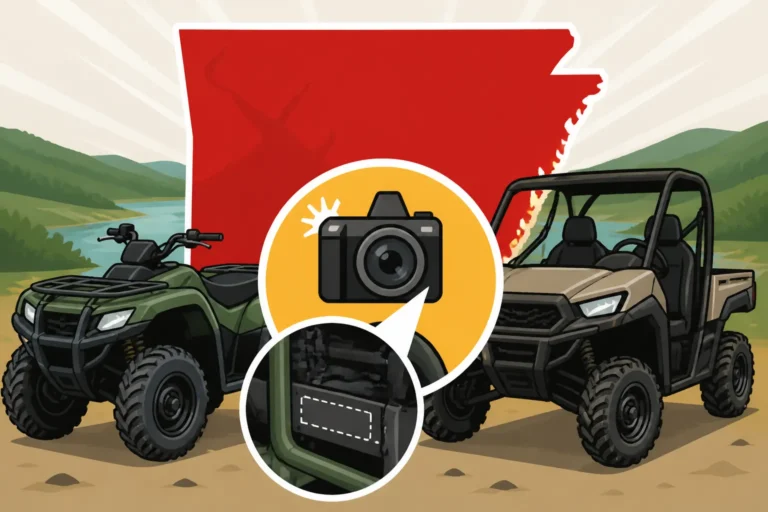
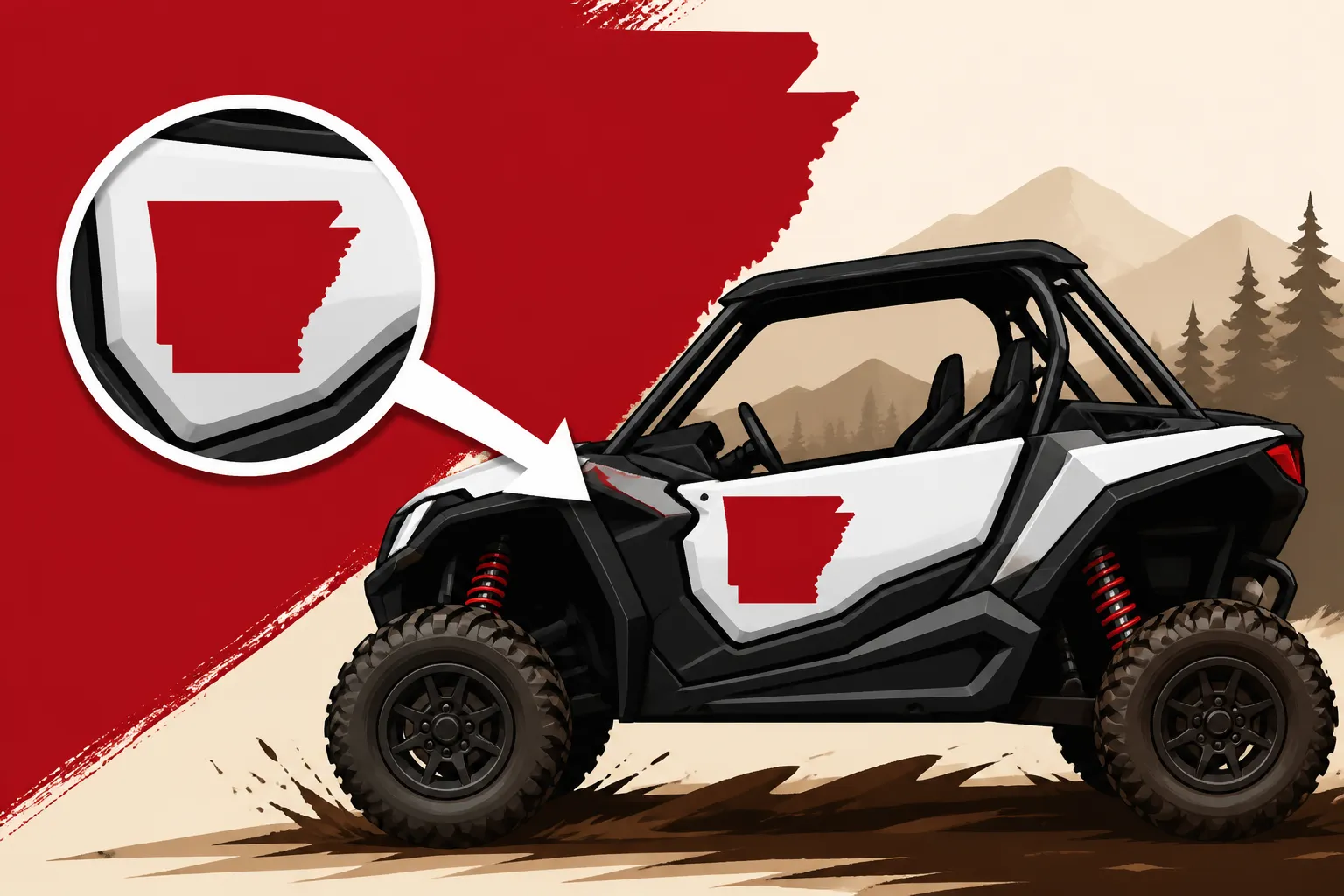
The foundational rule for decal placement, whether for an ATV or a side-by-side, comes down to one phrase: "the left front." Now, for a traditional quad, this often means the left front fender or perhaps a prominent spot on the front rack. For a side-by-side, with its more complex bodywork and varied designs, "left front" still applies but demands a bit more interpretation.
Think about the general principle here. The state wants the decal to be easily seen by someone approaching your machine from the front, especially from the left side. This is crucial for quick identification by deputies or forest rangers. On most side-by-sides, a good target area might be the left side of the front bumper, a flat spot on the left front fender, or even the left side of the front brush guard, if it provides a clear, unobstructed surface. It absolutely should not be hidden behind a winch, a light bar, or any other accessory that might block the view. The goal is prominence and clarity. You want it to stand out, not blend in. After all, this little sticker is your official proof of [Arkansas ATV Registration: One Time, Never Renewed].
Ensuring Maximum Visibility and Legality
Beyond just "left front," the most critical aspect of decal placement is visibility. The decal exists to be seen. Imagine a law enforcement officer needing to quickly verify your registration. They shouldn't have to get on their hands and knees, or peer through a tangle of mud and accessories to find it. The decal should be affixed to a part of your side-by-side that is relatively clean, flat, and free from excessive vibrations that could cause it to peel prematurely.
Consider the typical conditions you ride in. If your side-by-side is constantly caked in mud, placing the decal low on a fender might mean it's obscured almost immediately. A higher, more protected spot might be better, as long as it still fits the "left front" criteria. Some riders opt for the left side of the hood, if their specific model has a suitable flat surface there. The key is to pick a spot that will remain visible under most riding conditions and won't be easily damaged or covered. This simple act of careful placement ensures you comply with [Arkansas ATV Decal Rules and Where It Goes] and avoid any unnecessary stops or questions while you're out enjoying the beautiful Arkansas landscape.
Why Correct Decal Placement Matters to Arkansas Riders
It might seem like a small detail, but getting your decal placement right on your side-by-side in Arkansas is more than just following a minor rule. It's about respecting the law, ensuring smooth interactions with authorities, and ultimately, protecting your enjoyment of the trails. Just as you wouldn't want to leave home without your machine in good working order, you shouldn't head out without your registration decal properly displayed.
Avoiding Unnecessary Citations and Hassles
Picture this: you're out on a fantastic day exploring some forest roads or designated trails, having a blast. Suddenly, you encounter a forest ranger or a county deputy. A routine check often involves verifying registration. If your decal is missing, obscured, or placed in an unconventional spot, it can immediately raise questions. Even if you have all your paperwork tucked away in your glovebox, an improperly displayed decal can lead to a prolonged stop, a stern warning, or even a citation.
No one wants to cut their ride short or deal with the stress of a potential fine just because a sticker wasn't in the right place. By ensuring your decal is clearly visible on the left front of your side-by-side, you make the job of law enforcement easier and your own riding experience smoother. This little detail can mean the difference between a wave and a smile, and having to explain why your machine isn't in compliance. Remember, this decal is the primary visual identifier that your machine is properly registered, a requirement that often goes hand-in-hand with understanding broader guidelines like [Arkansas ATV Road Rules: What 27-21-106 Says] if you ever plan on using designated public roadways.
The Role of Your Decal in Arkansas Registration
The decal itself is more than just a sticker; it's tangible proof that you've completed the necessary steps for off-highway vehicle registration in Arkansas. Unlike a car, [Arkansas Has No ATV License Plate], so this decal serves a similar purpose in the off-road world. When you [Registering an ATV at an Arkansas Revenue Office], you're paying a one-time fee, and that decal is your receipt, so to speak, that your machine is now part of the official state records.
This decal signifies that you've satisfied the legal requirement to register your OHV, allowing you to ride on approved trails and land. It also means you've handled any associated sales tax requirements, which are often part of the initial registration process. Since [Arkansas ATV Registration Has No Annual Renewal], this single decal is meant to last the lifetime of your ownership of the machine, making its proper and durable placement even more critical. It represents your commitment to responsible riding and compliance with state regulations.
Common Decal Placement Pitfalls and Solutions
Even with the best intentions, things can go wrong with decal placement. The harsh conditions of off-road riding, the elements, or simply an oversight during application can lead to problems. Knowing what these common pitfalls are and how to address them can save you a lot of trouble down the line.
Dealing with Fading, Peeling, or Lost Decals
The Arkansas sun, mud, water, and abrasive trail debris can take a toll on that small decal. Over time, it might fade, making the numbers illegible, or the edges might start to peel, threatening to detach entirely. It’s frustrating when something that’s supposed to last the lifetime of your ownership starts to degrade. If your decal becomes unreadable or falls off, you are technically riding an unregistered machine, even if you paid the fee.
The good news is that Arkansas understands these things happen. If your decal fades or peels off, you can apply for a replacement. The process usually involves contacting the Arkansas Department of Finance and Administration (DFA) or visiting a revenue office, often with proof of your original registration. There might be a small fee for the replacement. When applying a new decal, ensure the surface is clean, dry, and smooth. Avoid placing it over textured plastic or uneven surfaces that will compromise adhesion. Using a clear protective film over the decal after application can also help extend its life and prevent fading, though always ensure the film doesn't obscure the decal's details. For a full rundown, refer to the guidance on [Arkansas Decal Replacement If It Peels Off].
Special Considerations for Accessories and Aftermarket Parts
One of the joys of owning a side-by-side is customizing it with all sorts of aftermarket accessories. From heavy-duty bumpers and winches to elaborate light bars and mudguards, these additions can significantly alter the "front" of your machine. This can, however, complicate decal placement. A common mistake is to place the decal on a part that will later be covered by an accessory, or on an accessory itself that might be removed.
The best practice is to choose a location on the main frame or body of the side-by-side that is unlikely to be modified or obstructed. If your front bumper is a bolt-on aftermarket part, it might be better to find a spot on the actual frame or a prominent, fixed fender section rather than the bumper itself. If you're running a massive front rack, ensure the decal is placed above or to the side of it, where it retains clear visibility from the left front. Always prioritize the spirit of the law, which is clear and constant visibility. If you're unsure, it's always better to err on the side of making it more visible rather than less. Sometimes, securing a custom bill of sale or other legal documents, perhaps even with a service like LawDepot, can help ensure all your paperwork is in order alongside your decal.
The Journey to Getting Your Arkansas Decal
Before you can even worry about where to stick that decal, you have to go through the proper steps to acquire it. Understanding the initial registration process is fundamental, as it ensures you receive a valid decal in the first place, setting you up for compliant riding from day one. It's not just about showing up with a machine; it's about having the right documentation and knowing what to expect.
Understanding the Registration Process
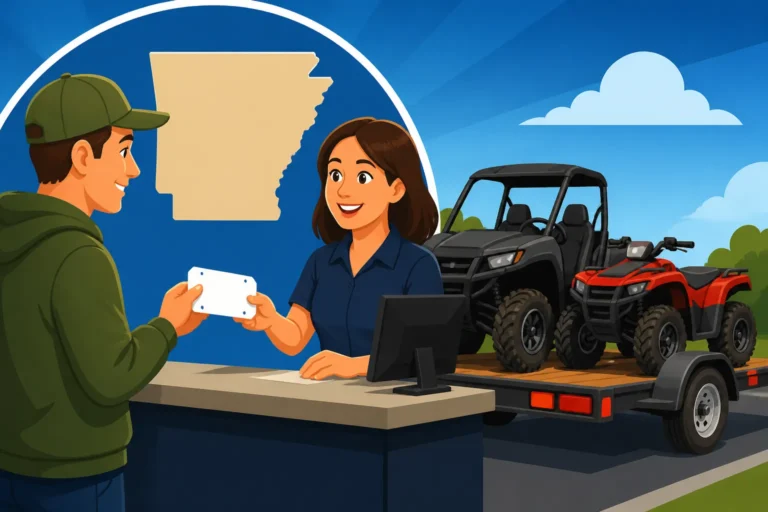
The path to getting your Arkansas side-by-side decal begins with registering your machine. This is typically done at an Arkansas revenue office. You can't just walk in with your side-by-side; you need to bring specific paperwork. This usually includes proof of ownership, such as a manufacturer's statement of origin (MSO) for a new machine or a properly executed bill of sale for a used one. You'll also need to complete the necessary forms, often including [Arkansas DFA Form 10-381 Explained], which helps the state categorize and record your off-highway vehicle.
During this process, you will also typically pay any applicable sales tax on your purchase, unless it was already collected by a dealership. Once all the paperwork is reviewed and accepted, and fees are paid, the revenue office will process your registration and issue you that all-important decal. It’s a pretty straightforward process, but having everything in order beforehand makes it much smoother. For an in-depth checklist of what to bring, consider reviewing [Arkansas Registration Paperwork Checklist] to ensure you don't miss anything crucial.
Proof of Ownership and Related Documents
The cornerstone of any registration process is establishing clear proof of ownership. For a side-by-side, this usually means an original MSO if purchased new, or a detailed [Arkansas ATV Bill of Sale Requirements] if bought from a private seller. Without proper proof of ownership, the revenue office cannot register your machine, and consequently, you won't receive a decal. This is a critical step that often trips people up, especially when purchasing used machines without adequate documentation.
When buying from a private party, ensure the bill of sale includes essential details like the buyer's and seller's names and addresses, the date of sale, the purchase price, and most importantly, the vehicle identification number (VIN) or serial number of the side-by-side. You can find reliable templates for a bill of sale through services like LawDepot to ensure it's legally sound and contains all the information Arkansas requires. Having all your ducks in a row with these documents isn't just about getting the decal; it protects you as the owner and helps prevent future headaches. Remember, if you're curious about the financial side, it's worth understanding [What Arkansas Charges to Register an ATV] well in advance.
Decal Placement at a Glance
To make it easy to remember the key points about your Arkansas side-by-side decal placement, here's a quick reference:
| Aspect | Requirement/Recommendation | Why It Matters |
|---|---|---|
| Location | Left front of the machine. This generally means the left side of the front bumper, fender, or brush guard. | State law specifies "left front" for easy identification by authorities. |
| Visibility | Unobstructed, clear view. Avoid placing it behind winches, lights, or other accessories. Choose a spot that stays clean. | Ensures compliance, prevents unnecessary stops, and makes verification quick for law enforcement. |
| Surface | Clean, dry, flat, and smooth. Avoid textured plastics or areas prone to heavy vibration. | Ensures proper adhesion, prevents peeling, and extends the decal's life. |
| Condition | Keep the decal clean and ensure it remains legible. If it fades, peels, or is damaged, apply for a replacement. | A damaged or illegible decal is considered non-compliant and can lead to issues. |
| Longevity | This is a one-time registration decal, not annually renewed. Consider a clear protective film over the decal after initial application for added durability. | It's meant to last the lifetime of your ownership, so durable placement is crucial. |
| Aftermarket Parts | Prioritize placement on the main body or frame of the side-by-side rather than removable accessories. | Ensures the decal stays with the machine even if accessories are changed or removed, maintaining compliance. |
When you've got your Arkansas side-by-side, the last thing you want is to run into trouble over a small sticker. By understanding these placement rules, ensuring your documents like those found on LawDepot are in order, and being proactive about decal maintenance, you can focus on what truly matters: enjoying the incredible trails and outdoor experiences Arkansas has to offer. Ride safe, and ride smart!
Disclaimer
This article is for general informational purposes only and does not constitute professional advice. Laws, prices and regulations vary by location and change over time. Consult a qualified professional for guidance on your specific situation.