Arkansas Parks That Renamed Themselves
A name change can make an Arkansas riding trip harder to plan than it needs to be: an old review says “Superlift,” a map shows “Hot Springs Off-Road Park,” and a friend remembers a different label altogether. This guide explains the best-known park name change, how to confirm you have the right destination, and what to check before you tow or book a ride.
The Arkansas off-road park name change riders ask about
Superlift Off-Road Park is now Hot Springs Off-Road Park
The clearest Arkansas example behind the question is Superlift Off-Road Park, which is now known as Hot Springs Off-Road Park. That means older references to Superlift and newer references to Hot Springs Off-Road Park may be talking about the same private riding destination, rather than two separate parks.
This matters when you are searching for directions, reading trip reports, or comparing information shared in a riding group. A post written under the former name may still describe the park you intend to visit, but its details could be old. Check when the information was posted and compare it with the park’s current materials before relying on specific directions, operating details, or trail descriptions.
If you want a closer look at the transition itself, [Superlift Off-Road Park Is Now Hot Springs Off-Road Park] is a useful related topic. For practical planning, [Hot Springs Off-Road Park's Trail Network] can help you focus on the current park identity rather than searching under the former name alone.
A renamed park is not necessarily a new riding area
A name change does not automatically mean the location moved, that a separate park opened, or that every trail and facility changed. It is safest to treat the new name as a change in how the destination is identified, then verify the details that affect your actual trip. The park’s current address, access instructions, rules, and booking information are more useful than assumptions based on the old label.
For example, imagine you saved a route to “Superlift Off-Road Park” years ago. The saved map pin may still point to the right general area, but it may not reflect current entry instructions or the best place to check in. Use the name change as a reason to verify your destination before departure, not as proof that your old notes are either completely right or completely useless.
It also helps to keep private parks separate from public trail systems in your planning. A private park’s identity and entry requirements are not interchangeable with those for a nearby national forest trail network. A search for “Hot Springs ATV trails” can return several kinds of riding information, so confirm that the page you are reading describes the exact place you plan to ride.
| Name or reference | How to interpret it | What to verify before traveling |
|---|---|---|
| Superlift Off-Road Park | Former name used in older articles, posts, and saved searches | Whether the information is still current |
| Hot Springs Off-Road Park | Current name commonly used for the renamed park | Current address, entry instructions, and operating details |
| Hot Springs area trails | Could refer to the private park or other nearby riding options | The specific property, land manager, and access rules |
| Arkansas forest OHV trails | Public-land riding areas with their own rules | Required permits, closures, width limits, and route access |
Why the old and new park names still appear online
Older trip reports and photos keep the former name alive
Riding information tends to stay online long after a business or destination changes its name. An old forum post, a family photo caption, a saved GPS pin, or a review may still call the park Superlift. That does not make the reference wrong; it tells you the author used the name familiar at the time they visited.
The difficulty is that older material can mix durable information with details that may have changed. A description of the general terrain may remain helpful, while statements about how to enter, what to bring, or what is open might no longer be dependable. Read older reports as background and confirm practical details using the park’s current information.
Search both names when you are researching a trip. Searching only the current name can miss older rider accounts; searching only the former name can make it seem as if the park’s present identity is unclear. Looking up [Arkansas Private Off-Road Parks Compared] can also help you keep the Hot Springs destination distinct from other private riding options in the state.
Map listings, saved pins, and directions can lag behind
Digital maps and personal navigation records do not always update at the same pace as a park’s public name. Your phone may show a saved pin under its old label, while a newer search result uses the current one. A rider’s shared route might also lead to a general area rather than the exact entrance or check-in point.
Before leaving, compare the park’s current directions with the route on your preferred map. Check that the destination name, road access, and final approach make sense together. If the directions include a gate, check-in location, or other arrival instruction, follow the park’s latest guidance rather than assuming an old pin will take you to the right spot.
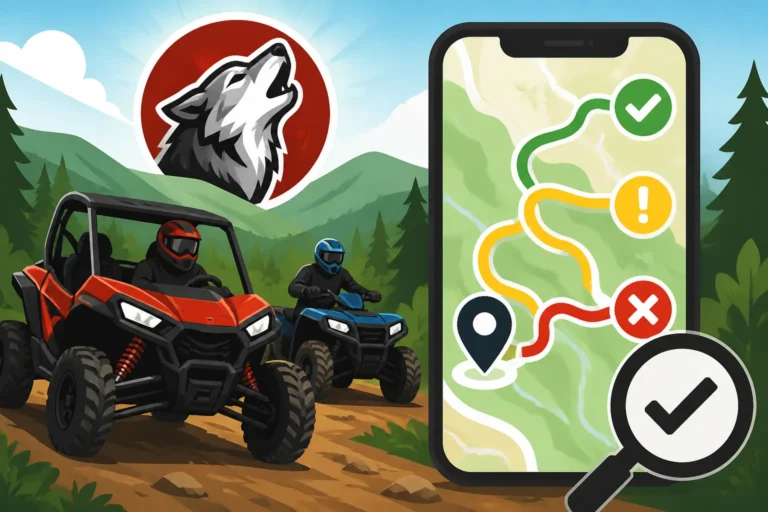
Navigation apps can help you orient yourself, but they should not be the only authority for property access or trail status. Some riders use onX Offroad as one reference when looking at off-road routes and surrounding terrain, then compare that view with the park’s own directions. That extra check is especially useful if your saved route was created under “Superlift” and your current search results use “Hot Springs Off-Road Park.”
How to confirm you have the right park before you go
Match the name with the location and the official destination details
Start by confirming the current park name, then compare the location against the details provided by the park. Check that the directions take you to the intended riding destination rather than a nearby road, campground, forest access point, or business with a similar name. If a result appears under the old name, look for a clear connection to the current park identity before treating it as an official source.
This is a simple step, but it can save a frustrating drive. Picture arriving with a trailer after following a route saved years ago, only to find that it leads to the wrong access point or leaves you unsure where to check in. A few minutes spent checking the current destination information at home is much easier than trying to sort it out on a narrow road with a loaded rig.
Keep a small record of the details you confirm: the current park name, the destination address or directions, the date you checked the information, and any arrival instructions. This is particularly helpful when several people are driving separately. Everyone can use the same destination reference instead of one person searching for Superlift while another looks for Hot Springs Off-Road Park.
Check the parts of the trip that names do not answer
The park’s name tells you how to find the destination, but it does not answer every planning question. Before setting out, check the current rules for the type of machine you plan to bring, any width or equipment restrictions, the arrival process, and whether the riding area is operating as expected. Details can vary between private parks and public trails, so do not assume one location’s rules apply to another.
If you are taking a side-by-side, check the machine’s width against the park’s current requirements rather than relying on a vague model description. Width can affect access at gates and on narrow routes. Related reading such as [Arkansas Trails That Allow Side-by-Sides] and [Arkansas Trails With Width Limits] can help you understand why checking the specific riding area matters, though the rules for a public trail are not automatically the rules for a private park.
Also confirm the practical items that shape your day: where to park or unload, what check-in involves, and whether you need to make arrangements in advance. Don’t rely on a friend’s recollection if it comes from a visit under the former name. The name may connect the old and new references, but it does not guarantee that every operating detail stayed the same.
Planning a ride at Hot Springs Off-Road Park
Choose a route and riding day that fit your group
Once you have confirmed the destination, think about who is riding and what kind of day they want. A group of experienced riders may be comfortable with a longer outing and more varied terrain. A family with younger or less experienced riders may prefer a plan that allows for breaks and easy regrouping. Avoid choosing a route based only on a dramatic description in an old trip report; terrain and conditions can change, and individual comfort levels differ.
Talk through the basics before unloading. Decide who will lead, who will ride at the back, and where the group will stop to check in with one another. If the group includes riders who have never been to the park, give them the current park name and the confirmed arrival details. That way, nobody is left trying to navigate to a location saved under a different name.
It is also wise to plan for ordinary interruptions. A machine may need attention, weather may alter the day, or a rider may want to head back early. Agree on a simple regrouping plan and make sure each driver knows the park’s current contact and arrival information. These steps are useful regardless of whether someone’s old notes call the place Superlift or their newer map calls it Hot Springs Off-Road Park.
Use maps as a planning aid, not a substitute for park guidance
A mapping tool can help you understand the general area, keep track of a route, and communicate where your group is headed. onX Offroad may be useful as one planning reference, especially when a rider is comparing a saved route with the current park name or looking at the surrounding area. Still, treat the park’s own directions and rules as the source for entry and access instructions.
Before the ride, make sure everyone understands the difference between a route to the park and a route inside the riding area. A pin that gets you to the property does not necessarily explain where to check in or which trails are open. If you are using a map offline or riding where phone reception may be limited, prepare your navigation before you leave reliable service.
You can also keep a paper note or screenshot of the essentials: the current park name, arrival directions, and any information the park asks visitors to have ready. A map is helpful, but it cannot resolve every on-the-ground question. If something about the route or access looks inconsistent, pause and verify rather than following an old track simply because it is already saved on your phone.
Avoiding common name-change and destination mix-ups
Do not treat old reviews as current operating instructions
Reviews and trip reports can be valuable for understanding what other riders experienced, but they are snapshots of a particular visit. A post that refers to Superlift may be describing the right park and still contain details that no longer apply. Dates, comments about check-in, trail availability, and descriptions of services deserve particular scrutiny.
When reading a report, separate observations from instructions. “We enjoyed the rocky sections” is a personal impression. “Enter through this gate and ride this route” is practical guidance that should be checked against current park information. This distinction helps you keep useful context without accidentally treating a years-old description as a live operating notice.
If you are comparing this private park with nearby public riding, make the distinction explicit in your notes. The name “Hot Springs” can refer broadly to the area, while the park name refers to a specific destination. For broader planning, [Arkansas Trails Near Little Rock] and [Arkansas Off-Road Parks With Cabins] may point you toward related trip considerations, but confirm that each option fits your intended riding day and lodging needs.
Keep public forest permits and private park access separate
One of the easiest planning mistakes is assuming that a park name change alters public-land requirements nearby. It does not. A private off-road park and a national forest trail system can have different managers, access rules, permits, closures, and machine restrictions. A pass or permission for one place should never be assumed to cover another.
This matters if your trip combines destinations. You might visit a private park on one day and ride a public trail system on another. Make a separate checklist for each location, including the land manager’s current instructions and any required permit. For forest riding, [Arkansas National Forest Riding Explained] provides useful context on why identifying the specific forest and trail area is important.
Finally, check conditions close to your departure. Heavy rain, maintenance, seasonal restrictions, or other local issues can affect whether a planned route is usable. [Arkansas Trail Conditions Before You Tow] is a helpful related topic for building that check into your preparation. The core habit is simple: confirm the exact destination, then confirm the current conditions and rules for that destination.
Disclaimer
This article is for general informational purposes only and does not constitute professional advice. Laws, prices and regulations vary by location and change over time. Consult a qualified professional for guidance on your specific situation.