Arkansas Rules That Changed in 2025
Navigating the ever-evolving rules for riding ATVs and UTVs on Arkansas roads has always been a source of confusion and frustration for riders. For years, the default answer was a pretty firm "no," with a few narrow exceptions. But if you're feeling like the ground is shifting under your tires, you're not wrong! This guide is here to cut through the noise and explain the significant changes that took effect, giving local communities more say and changing how and where you can legally ride your side-by-side or quad.
Understanding the Shift: What Happened in Arkansas Regarding ATVs and UTVs on Roads?
For a long time, Arkansas riders faced a pretty restrictive set of rules when it came to taking their beloved machines on public roads. It was a source of constant head-scratching and often, unfortunately, citations. Many riders felt caught between wanting to access trails or simply get from one part of their property to another without trailering, and the rigid state laws. That changed in a big way, with a specific date marking a new chapter for off-highway vehicle (OHV) enthusiasts.
The Landscape Before August 5, 2025
Before this pivotal date, the general rule was simple: ATVs and UTVs were considered "non-highway vehicles" by default, and riding them on public streets or highways was largely prohibited. This meant that for most riders, especially those living in or near populated areas, their machines were strictly for private land, designated OHV parks, or a handful of very specific, state-mandated exceptions. Trying to cross a road to reach another section of a hunting lease, or simply drive down a quiet county road, was often a gamble, relying on the discretion of local law enforcement or strict adherence to a very narrow interpretation of the rules.
This created a lot of friction. People bought UTVs for their utility, thinking they could use them for quick trips around a rural community, only to find out it was technically illegal. It felt like common sense clashed with the letter of the law, leaving many riders feeling like they were always on the wrong side of potential trouble. The desire for more flexibility was palpable across the state, and that sentiment eventually led to action.
Act 922 and Its Impact: A Game Changer
The big news, the one that reshaped the conversation around street-legal UTVs in Arkansas, came in the form of Act 922. This legislation, which became effective on [August 5, 2025 and What Changed], didn't suddenly make all ATVs and UTVs street legal statewide. Instead, it introduced a crucial "local option." What this means is that while the state's blanket ban on OHVs on public roads remains the default, cities and towns across Arkansas now have the power to create their own ordinances.
These local ordinances can specifically permit the use of UTVs (and sometimes ATVs) on certain public streets within their city limits. This was a monumental shift, decentralizing the decision-making process and giving communities the ability to respond to the needs and desires of their residents. It acknowledged that what makes sense in a bustling city might not make sense in a small, rural town, and vice versa. It was a step towards more tailored and practical local governance. You can learn more about this legislative journey in [How a Bill Became Arkansas Act 922].
Why This Change Matters to Riders
For many riders, this change is nothing short of revolutionary. It means that the possibility of legally driving your UTV down Main Street to grab groceries, or connecting two pieces of land via a public road, is no longer a pipe dream but a tangible reality – provided your local municipality has passed the necessary ordinance. It opens up new avenues for recreation, commerce, and convenience.
Imagine living on the outskirts of a small town. Before Act 922, you might have had to load your side-by-side onto a trailer just to drive a mile down the road to a friend's house or access a local trail. Now, with a city ordinance in place, you could potentially drive your UTV directly. This significantly reduces the hassle and makes your machine a more versatile tool for daily life and outdoor adventures. However, the onus is on the rider to know and understand the specific rules of their town, as not all municipalities will adopt such ordinances, and those that do will likely have varying requirements.
Navigating the "Local Option": How Cities and Towns Now Control UTV Access
With the power now largely in the hands of local governments, understanding how this "local option" works is paramount. It’s no longer about a single state-wide rule but a patchwork of individual city regulations. This can be a bit more complex, but it also offers a much more localized and responsive approach to OHV use.
The City Council's Role: Passing an Ordinance
The first and most critical step for any city or town to allow UTVs on its streets is for its local governing body – typically the city council or quorum court – to pass a specific ordinance. This isn't something that happens automatically. It requires public hearings, discussions, and a formal vote. Think of it as your community deciding if, and how, it wants to welcome these vehicles onto its roads.
These ordinances are carefully crafted legal documents that outline the specific conditions under which UTVs can be operated. They aren't vague suggestions; they are legally binding rules. Some towns might be eager to embrace this new flexibility, while others might prefer to maintain stricter controls or simply not act at all. Therefore, checking the specific stance of your local government is your very first step before you even think about airing up your tires for a street cruise. This is precisely why [Arkansas Towns Can Open Their Streets to UTVs] is such an important topic to understand.
Key Provisions of a Local Ordinance
When a city council does pass an ordinance, it will include several key provisions that riders absolutely must be aware of. These are not optional suggestions; they are requirements that must be met for legal operation. Here's a breakdown of what you might expect:
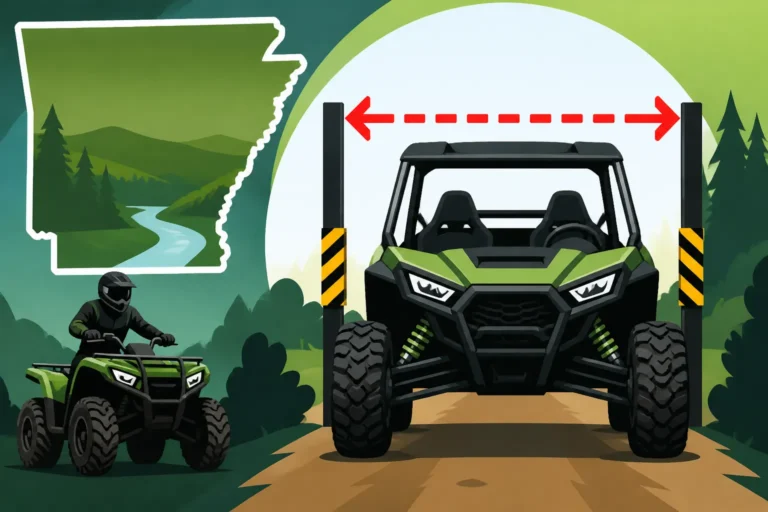
- Width Limits: Many ordinances will specify a maximum width for vehicles allowed on city streets. Arkansas has traditionally defined ATVs as 50 inches or less, but UTVs are often wider. Local rules might cap this at, say, 80 inches. You'll need to measure your machine to ensure it complies.
- Speed Limits: UTVs will almost certainly be restricted to streets with posted speed limits below a certain threshold, often 35 mph or 45 mph. Major arterial roads or state highways (often 55 mph or higher) will typically remain off-limits, even within city limits. For instance, [Why Highway 63 Stays Off Limits in Bono] highlights this very point.
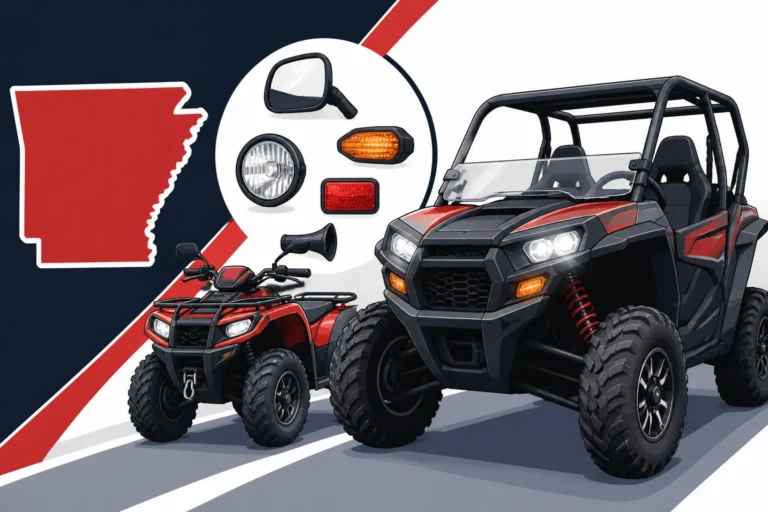
- Safety Equipment: This is where your machine might need some upgrades. Local ordinances will typically require street-legal accessories such as headlights, taillights, brake lights, turn signals, and mirrors. If your UTV is primarily for off-road use, it might not have all of these from the factory. Companies like SuperATV offer a fantastic range of aftermarket turn signal kits, mirrors, and street-legal accessory packages that can help bring your machine up to spec.
- Permitting and Fees: Many towns will require an annual permit to operate a UTV on their streets. This usually involves an application process, proof of insurance, a vehicle inspection, and a fee. This permit often comes with a decal that must be displayed on your machine. For more on this, check out [Arkansas Local Permits for Street UTVs].
- Insurance: Proof of liability insurance will almost certainly be a mandatory requirement. This protects you and others in case of an accident.
- Driver's License and Age: The operator will need a valid driver's license, and there will be an age minimum, often 16, consistent with state driving laws.
- Passenger Rules: Specific rules regarding the number of passengers and, if applicable, child passengers will also be laid out.
This table provides a generalized comparison of common requirements found in local UTV ordinances:
| Feature | Typical Local Ordinance Requirement | Notes |
|---|---|---|
| Eligible Vehicles | UTVs (Side-by-Sides); ATVs may be excluded or have separate rules | Some towns might allow ATVs, but UTVs are more commonly targeted. |
| Maximum Width | Often capped at 80 inches | Wider UTVs might be restricted from certain streets. |
| Eligible Streets | Roads with posted speed limits under 35 mph or 45 mph | Major highways (55+ mph) almost always excluded. |
| Required Equipment | Headlights, Tail Lights, Brake Lights, Turn Signals, Horn, Mirrors | Aftermarket upgrades may be necessary. |
| Permit | Annual city permit required, usually with a visible decal | Fee-based, requires application and inspection. |
| Insurance | Proof of liability insurance mandatory | Standard auto insurance for OHVs may suffice, but confirm coverage. |
| Driver's License | Valid state driver's license required | Minimum age usually 16. |
| Passengers | Must be seated, with seatbelts, within manufacturer's limits | Rules for child passengers will be specified. |
| Operating Hours | Often dawn-to-dusk, or specific hours allowed | Night riding might be permitted with proper lighting. |
Finding Your Town's Specific Rules
Given the local nature of these rules, the most important piece of advice is to do your homework. There's no single state website listing every city's UTV ordinance. You'll need to contact your specific city or town hall, often the city clerk's office, to inquire about any ordinances passed since August 5, 2025. Many cities will post their ordinances on their official websites, so a quick search for "[City Name] UTV ordinance" or "[City Name] off-road vehicle rules" might yield results.
It's crucial to [Reading Your Town's Ordinance Before You Ride]. Don't rely on hearsay or what a friend in another town told you. What applies in Bono, Arkansas, might be completely different from what applies in Cotter, Arkansas. This diligent research ensures you stay on the right side of the law and avoid any costly surprises. Remember, ignorance of the law is rarely an acceptable defense.
Beyond Local Ordinances: Six Statutory Road Exceptions Still Apply
Even with the introduction of the local option, it's important to remember that there are still specific statewide exceptions that allow ATVs and UTVs on public roads in very limited circumstances. These exceptions existed before Act 922 and continue to be relevant, regardless of whether your town has a specific UTV ordinance. They often apply to situations where road use is incidental to another approved activity. Understanding these [Arkansas Six Statutory Road Exceptions] is crucial.
Crossing Highways and Other Limited Road Use
One of the most common exceptions people might use (or misuse) involves crossing public roads. The law generally permits the crossing of a highway or street if certain conditions are met:
- Ninety-Degree Crossing: You must cross at approximately a ninety-degree angle to the road. This isn't about cruising down the shoulder; it's about getting from one side to the other as directly as possible.
- Complete Stop First: Before crossing, you must come to a complete stop and yield to all oncoming traffic. Safety is paramount here. You're entering a flow of faster-moving vehicles, so extreme caution is required.
- Only When Necessary: This crossing should be done only when it's necessary to get from one section of land to another, or to access an approved trail system. It's not an excuse for joyriding on the pavement.
These rules are designed to minimize the time an OHV is on a public road and reduce the risk of accidents with conventional vehicles. They are narrow exceptions, not general permissions.
Specific Operations: Farming, Hunting, and Public Service
Arkansas law also carves out exceptions for ATVs and UTVs used in certain operational capacities. These are not for recreational riding, but for specific, functional purposes:
- Farming Operations: If you're using your ATV or UTV as part of a legitimate farming operation, you may be permitted to operate it on public roads for short distances when moving between fields or parts of your farm. This exception is designed to assist agricultural workers in their daily tasks. The machine must be directly involved in the farm work, such as hauling feed or inspecting fences.
- Hunting Operations: Similar to farming, ATVs and UTVs can be used on public roads as part of a bona fide hunting operation. This typically means traveling to and from a hunting lease or stand, but again, it's for the purpose of the hunt, not recreational road use. This is particularly relevant for those who ride on land they do not own, or who need to get to a specific access point.
- Law Enforcement and Public Safety: Obviously, law enforcement, emergency medical services (EMS), utility company crews, and state park employees have exemptions for using ATVs and UTVs on public roads when performing their official duties. These vehicles are vital tools for accessing remote areas during emergencies or for maintenance work.
It's critical that if you're operating under one of these exceptions, your use is directly tied to the activity. Misrepresenting recreational riding as "hunting" or "farming" operations could still lead to citations.
Disability Exemptions: When Your Mobility Needs Pave the Way
Another important statutory exception is for individuals with a physical disability that impairs their mobility. Arkansas law allows a person with such a disability to operate an ATV or UTV on public roads if the machine is specifically being used as a mobility aid. This is a compassionate provision designed to ensure that those with physical challenges can still access necessary areas or enjoy the outdoors.
To qualify for this exemption, you typically need to carry documentation of your disability, and the use of the OHV must be directly related to overcoming a mobility limitation. This is a very specific and personal exemption, intended to provide necessary access rather than general recreational road use.
Practical Steps for Riders: What You Need to Know Before Hitting the Pavement
So, with these new rules and existing exceptions, what does a responsible rider need to do to ensure they're compliant? It boils down to preparation, knowledge, and sometimes, a few modifications to your machine.
Checking Your Machine for Compliance
If you plan to ride on city streets where an ordinance allows it, your UTV will likely need to meet certain equipment standards. Many off-road machines, while robust for the trails, lack the necessary features for road safety.
- Lighting: Ensure you have fully functional headlights, taillights, and brake lights. [Arkansas Equipment for a Street-Permitted Machine] often specifies these are non-negotiable.
- Turn Signals: This is a big one. Most off-road UTVs don't come with turn signals. You'll need to install a kit that includes front and rear signals, and a switch. Companies like SuperATV specialize in these types of aftermarket parts, offering universal or model-specific kits that make your UTV street-legal. [Arkansas Turn Signal Requirements for Street UTVs] is a great resource here.
- Mirrors: You'll likely need at least one, if not two, rearview mirrors. Side mirrors are common requirements, and a center rearview mirror can also be helpful.
- Horn: A working horn is typically required for alerting other drivers or pedestrians.
- Windshield: Some ordinances may require a windshield for protection from debris.
- Seatbelts: All occupants must be properly restrained, and your seatbelts should be in good working order.
Taking the time to equip your machine properly not only ensures compliance but also significantly enhances your safety on public roads, where you'll be sharing space with much larger and faster vehicles.
Permitting, Insurance, and Driver's License Requirements
Once your machine is properly equipped, you'll need to address the administrative requirements:
- Local Permits: As discussed, if your town has an ordinance, you'll likely need to apply for and obtain an annual permit. Be prepared to provide proof of ownership, insurance, and possibly have your vehicle inspected. Display the issued decal prominently as required.
- Insurance: Contact your insurance provider to ensure your policy covers UTV operation on public roads within city limits. Standard off-road policies may not extend to this type of use. [Arkansas Insurance for a Street-Permitted UTV] is a vital consideration. You need to verify that your coverage is adequate and compliant with local rules.
- Driver's License: Ensure you possess a valid state driver's license. [Arkansas Driver's License at 16 for Street UTVs] outlines the age requirement. There are no special "UTV licenses;" your standard driver's license is what's typically needed.
Penalties for Non-Compliance: Don't Risk It
The allure of legally riding your UTV on town streets is strong, but the consequences of non-compliance can be severe. If you're caught riding without the necessary permits, insurance, or required equipment, or operating on a road where it's not permitted, you could face significant penalties.
- Fines: Expect a citation and a fine, which can add up quickly, especially if you incur court costs.
- Impoundment: In some cases, your vehicle could be impounded, leading to towing and storage fees on top of the fine.
- Legal Action: Repeat offenses could lead to more serious legal repercussions.
- Insurance Issues: Operating illegally could also void your insurance coverage in the event of an accident, leaving you personally liable for damages and injuries.
It's simply not worth the risk. Take the time to understand the specific rules in your area, equip your machine correctly, and obtain all necessary permits and insurance. The goal is to enjoy your machine responsibly and legally, taking advantage of these new opportunities without the shadow of potential legal trouble. [Arkansas Penalties for Illegal Road Riding] are a serious matter and should be avoided at all costs.
Disclaimer
This article is for general informational purposes only and does not constitute professional advice. Laws, prices and regulations vary by location and change over time. Consult a qualified professional for guidance on your specific situation.