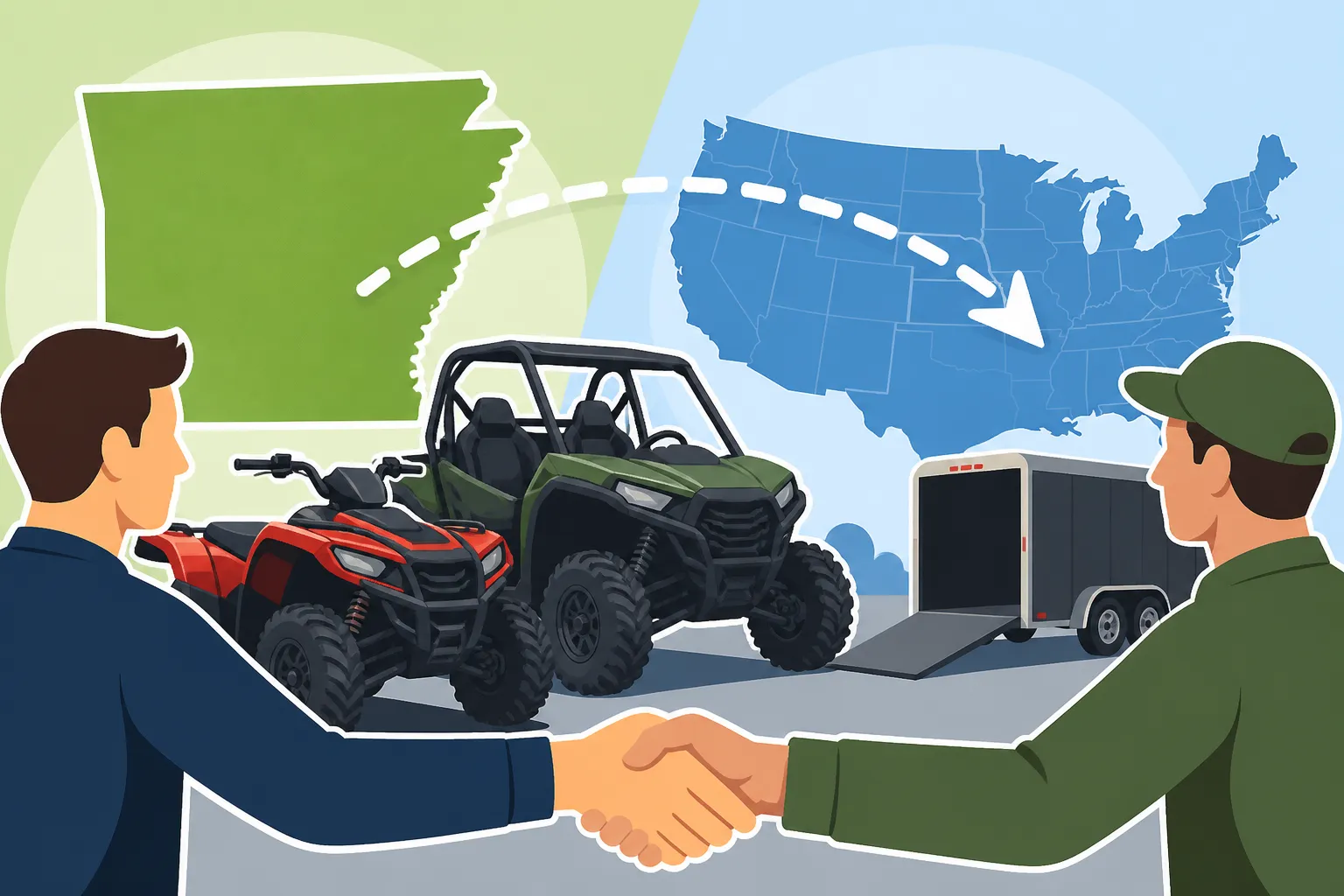
Selling to an Out-of-State Buyer
Selling an ATV or UTV can often feel like navigating a winding, unpaved trail – full of twists and turns, especially when your buyer lives outside of Arkansas. The questions that pop up about proper paperwork, sales tax implications, and how to legally protect yourself can quickly turn a simple transaction into a headache. This guide is here to smooth out that trail for you, walking you through the specific steps and considerations for selling your Arkansas-registered machine to someone in another state, ensuring a smooth and legitimate exchange for everyone involved.
Your Responsibilities as an Arkansas Seller
When you're selling your ATV or UTV to an out-of-state buyer, your primary focus shifts to ensuring that you, as the seller, are protected and that all Arkansas requirements are met. It's easy to get caught up in worrying about what the buyer needs to do in their home state, but your immediate concern should be securing your end of the deal.
Why the Buyer's State Matters (or Doesn't to You)
It's natural to wonder about the maze of rules your buyer will face once they take your machine home to Missouri, Oklahoma, or Louisiana. However, for you, the Arkansas seller, what happens in their state regarding their registration, titling, and sales tax is largely their responsibility. Your job is to provide them with the correct Arkansas documentation that proves ownership and that the transaction was legitimate.
Think of it this way: once the machine leaves your possession, with all the proper paperwork signed and transferred, your legal obligations under Arkansas law are generally fulfilled. You're not expected to be an expert on the vehicle codes of every surrounding state. If your buyer asks about their state's rules, it's perfectly fine to tell them they'll need to check with their local Department of Motor Vehicles or equivalent agency. Your priority is to clearly separate your responsibilities from theirs to avoid future complications.
Protecting Yourself After the Sale
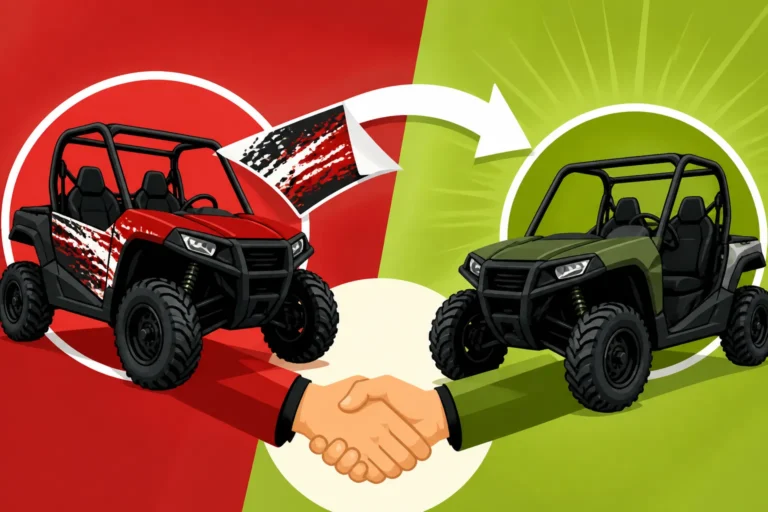
Even after the money changes hands and the machine is loaded onto the buyer's trailer, your work isn't quite done. Taking a few proactive steps can save you a lot of grief down the line. First, always make sure you have removed your Arkansas OHV decal from the machine. While Arkansas ATV registration is a one-time affair and not tied to you specifically, removing the decal is good practice. If for some reason the machine is involved in an incident before the buyer registers it in their state, you don't want any ambiguity about who the current owner is.
Secondly, keep meticulous copies of everything. Every piece of paper you sign, every document you hand over, should have a copy that you retain. This includes the bill of sale, any proof of ownership, and even records of communication. Should any disputes arise, or if the buyer claims they didn't receive certain documents, your copies will be your strongest defense. Remember, it's better to have too much documentation than not enough.
Essential Paperwork for an Out-of-State Transaction
The cornerstone of any successful ATV or UTV sale, especially to an out-of-state buyer, is the paperwork. This isn't just bureaucratic red tape; it's your legal shield and the buyer's key to registering their new machine. Getting these documents right is paramount for both parties.
The Bill of Sale: Your Best Friend
A well-crafted bill of sale is arguably the most critical document in this entire process. It serves as legal proof of the transaction, detailing who sold what to whom, for how much, and when. For an out-of-state sale, this document will be vital for your buyer to prove they legally acquired the machine, especially when they go to register it in their home state.
Your bill of sale should include specific, clear information:
- Full legal names and addresses of both the buyer and the seller.
- Detailed description of the ATV/UTV, including make, model, year, and crucially, the Vehicle Identification Number (VIN). The VIN is like the machine's fingerprint, identifying it uniquely.
- The agreed-upon purchase price in clear numerical and written form.
- The date of sale.
- A statement that the machine is sold "as-is," meaning without any warranty from you, the seller. This is a vital protection for you, as recreational vehicles are complex and often used in demanding conditions.
- Signatures of both the buyer and seller, preferably with a witness if possible, or notarized for extra security.
Don't just scrawl something on a napkin. A professional, detailed bill of sale provides clarity and reduces ambiguity. Many sellers find it incredibly helpful to use a reputable online service, such as LawDepot, to generate a customized, state-compliant bill of sale. Services like LawDepot guide you through the process, ensuring you include all necessary legal clauses and information, giving both you and your buyer peace of mind. For more specifics, check out our guide on [Arkansas ATV Bill of Sale Requirements].
Proof of Ownership: Title or MSO
Unlike cars and trucks, Arkansas does not issue traditional titles for ATVs and UTVs. This can sometimes confuse out-of-state buyers who are accustomed to vehicle titles. Instead, in Arkansas, proof of ownership for a new machine is typically the Manufacturer's Statement of Origin (MSO), also sometimes called a Manufacturer's Certificate of Origin (MCO). If the machine has been previously registered in Arkansas, your copy of the initial registration document, along with your original MSO or bill of sale, serves as your proof of ownership.
When selling, you will need to provide the buyer with the original MSO if you are the first owner, or a previous bill of sale that traces ownership to you, along with your current bill of sale. This chain of documentation is how your buyer will prove to their state that they are the rightful owner. Without proper proof of ownership, the buyer will have a significant hurdle to overcome when attempting to register their new ATV or UTV in their home state. For a deeper dive into this, see [Does Arkansas Issue a Title for an ATV?] and [Arkansas Proof of Ownership for Registration].
Handling the Arkansas Registration Decal
Arkansas's ATV and UTV registration system is unique: it's a one-time registration, not an annual renewal. Once registered, the machine receives a permanent decal. This means you won't be "transferring" an annual registration in the traditional sense.
When you sell the machine, you should physically remove the Arkansas OHV decal from the vehicle. Although the registration itself is one-time and tied to the machine, removing the decal prevents any confusion. The new owner, upon taking the machine to their state, will then need to follow their state's procedures for registration, which might involve applying for a new title, registration, or off-road permit. Our article [What Happens to the Decal When You Sell] offers more details on this. It's important for the buyer to understand that the Arkansas decal means nothing in their home state and that they will need to comply with their local laws. This unique aspect of Arkansas registration, specifically [Arkansas ATV Registration: One Time, Never Renewed], is a key point to explain to your buyer.
What the Buyer Faces: Sales Tax and Registration in Their State
While your primary concern is your own legal standing as the seller, it's helpful to understand what your out-of-state buyer will encounter. This knowledge can help you answer their questions clearly and set appropriate expectations, leading to a smoother transaction for both parties.
Explaining Sales Tax to an Out-of-State Buyer
One of the biggest areas of confusion often revolves around sales tax. When you, an Arkansas resident, sell your ATV or UTV to an out-of-state buyer, the question of whose sales tax rules apply can get muddled.
Here's the breakdown:
- If the transaction and physical handover of the machine occur entirely within Arkansas: The buyer would typically be subject to Arkansas sales tax at the time of purchase. As a private seller, you usually aren't responsible for collecting this tax, but the buyer would owe it to the Arkansas Department of Finance and Administration (DFA) if they were to register it in Arkansas. However, since they're taking it out of state, they'll usually pay sales or "use" tax in their home state.
- If the transaction and handover occur outside of Arkansas, or if the buyer immediately transports the machine out of Arkansas: The buyer will almost certainly pay sales tax (or a use tax, which is essentially sales tax on items bought out-of-state and brought in for use) in their home state. They are not generally subject to Arkansas sales tax in this scenario.
As a private seller, you are typically not responsible for collecting sales tax for another state. The buyer will be responsible for reporting the purchase and paying the applicable sales or use tax to their state's revenue department when they register the machine. It's crucial for you to clarify this with your buyer. You can politely inform them that you are not collecting any sales tax on behalf of their state and that they should contact their local tax authority for specific guidance. For a general understanding of how sales tax works on these machines, you can point them to resources like [Arkansas Sales Tax on an ATV Purchase].
The Buyer's Registration Journey
Once your buyer leaves Arkansas with their new-to-them ATV or UTV, their journey has just begun in terms of making it legal for use in their home state. Every state has its own set of regulations regarding the registration, titling, and allowable uses of ATVs and UTVs.
What might be required in their state could include:
- Titling: Many states title ATVs and UTVs, unlike Arkansas. Your buyer will likely use your MSO and bill of sale to apply for a title.
- Registration: They'll need to register the machine according to their state's off-highway vehicle (OHV) laws. This might involve an annual fee and receiving new decals or a license plate.
- Proof of Insurance: Some states require liability insurance for OHVs, especially if they are used on public lands or permitted streets.
- Safety Courses: Certain states mandate safety course completion, particularly for younger riders.
- Age Restrictions: Minimum age requirements for operating specific types of machines vary widely.
It's vital for the buyer to do their homework before the purchase to understand what they're getting into. You can tell them that this is their homework, just as you've done yours in preparing the sale. By handing over all the necessary Arkansas documentation, you've empowered them to complete their part of the process in their home state.
Practicalities of the Exchange and Verification
The final stage of selling your ATV or UTV to an out-of-state buyer involves the actual exchange of the machine and payment. This phase requires careful attention to detail to ensure both security and full compliance.
Verifying the Buyer and Preventing Fraud
In today's digital age, it's more important than ever to be cautious when dealing with unknown buyers, especially those from out of state. Fraud can happen, and protecting yourself is paramount.
Consider these steps:
- Meet in a Safe, Public Location: If possible, arrange to meet in a well-lit, public place, ideally one with surveillance cameras, if the transaction isn't happening at your home. A local police station parking lot is often a good, safe choice.
- Verify Identity: Ask to see a government-issued photo ID from the buyer (driver's license, state ID). Cross-reference the name on the ID with the name on the bill of sale.
- Payment Method: Be extremely wary of personal checks or unfamiliar payment apps. Cashier's checks can be forged, so it's best to verify them with the issuing bank before releasing the machine. For larger transactions, a wire transfer initiated and confirmed while you are together at the bank can be a secure option. Never release the machine until you have confirmed funds in your account.
- Take Photos: Snap a few pictures of the buyer, their vehicle, and the ATV/UTV being loaded. This isn't about being confrontational, but simply good practice for documentation.
Remember, if something feels off, it probably is. Trust your gut. You want this transaction to be as smooth and secure as possible for both of you. Many of these verification steps are critical for any buyer, as detailed in [What Buyers Should Verify Before Paying].
What to Do with Your Copies
After all the documents are signed, the payment is secure, and the ATV or UTV is on its way to its new home, your final task is to organize and safeguard your copies. Do not just shove them in a drawer and forget about them.
Here’s a checklist for managing your copies:
- Scan Everything: Digitize all your documents. Create clear scans or high-quality photos of the signed bill of sale, the MSO (if you had it and provided it), and any other supporting paperwork.
- Secure Storage: Save digital copies to a cloud service and/or an external hard drive. Keep physical copies in a safe, accessible place, like a fireproof box or a dedicated file cabinet.
- Send Copies to Buyer (Optional but Recommended): While you've given them the originals, sometimes buyers appreciate receiving digital copies as well. This can be a goodwill gesture that ensures they have backup access to their paperwork should something happen to the originals.
Maintaining a thorough paper trail is your best defense against potential misunderstandings or legal challenges down the road. It clearly demonstrates your compliance with the sale process and protects your interests as a private seller.
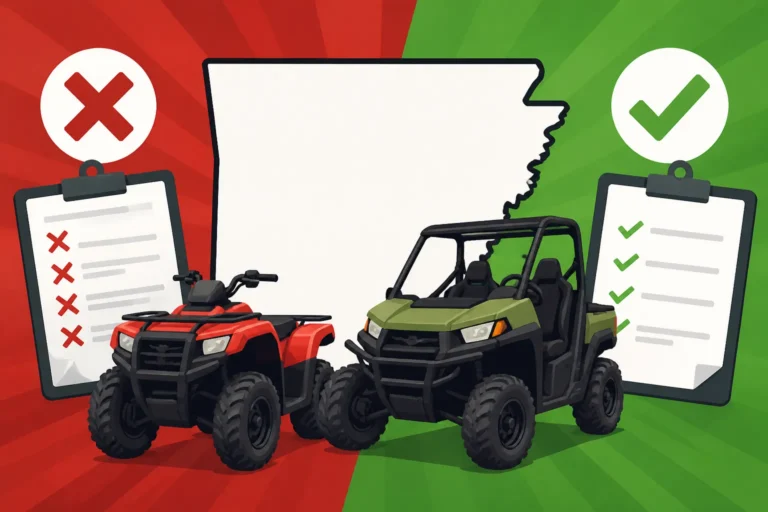
Seller vs. Buyer Responsibilities Summary
To make things even clearer, here's a quick overview of who handles what during an out-of-state sale:
| Aspect | Arkansas Seller's Responsibility | Out-of-State Buyer's Responsibility |
|---|---|---|
| Proof of Ownership | Provide original MSO (if first owner) or prior bill of sale | Use provided MSO/bill of sale to obtain title in home state |
| Bill of Sale | Create detailed, signed "as-is" bill of sale (e.g., via LawDepot) | Receive and keep original bill of sale for proof of purchase |
| Arkansas Decal | Remove the Arkansas OHV decal from the machine | Understand Arkansas decal has no bearing in home state |
| Sales Tax | Not responsible for collecting buyer's state sales/use tax | Responsible for paying sales/use tax to their home state's tax authority |
| Registration | Provide documents proving legitimate sale | Register machine in home state according to local OHV laws |
| Payment | Verify funds are secured before releasing machine | Provide verifiable payment as agreed with seller |
| Insurance | Not applicable to the sale itself | Secure necessary insurance if required by their home state |
| Vehicle Inspection | Ensure VIN is legible on the machine | May need VIN inspection for titling/registration in home state |
This table highlights the clear division of tasks, ensuring both parties understand their roles for a successful transaction.
Disclaimer
This article is for general informational purposes only and does not constitute professional advice. Laws, prices and regulations vary by location and change over time. Consult a qualified professional for guidance on your specific situation.