Storing a Machine Off Your Property
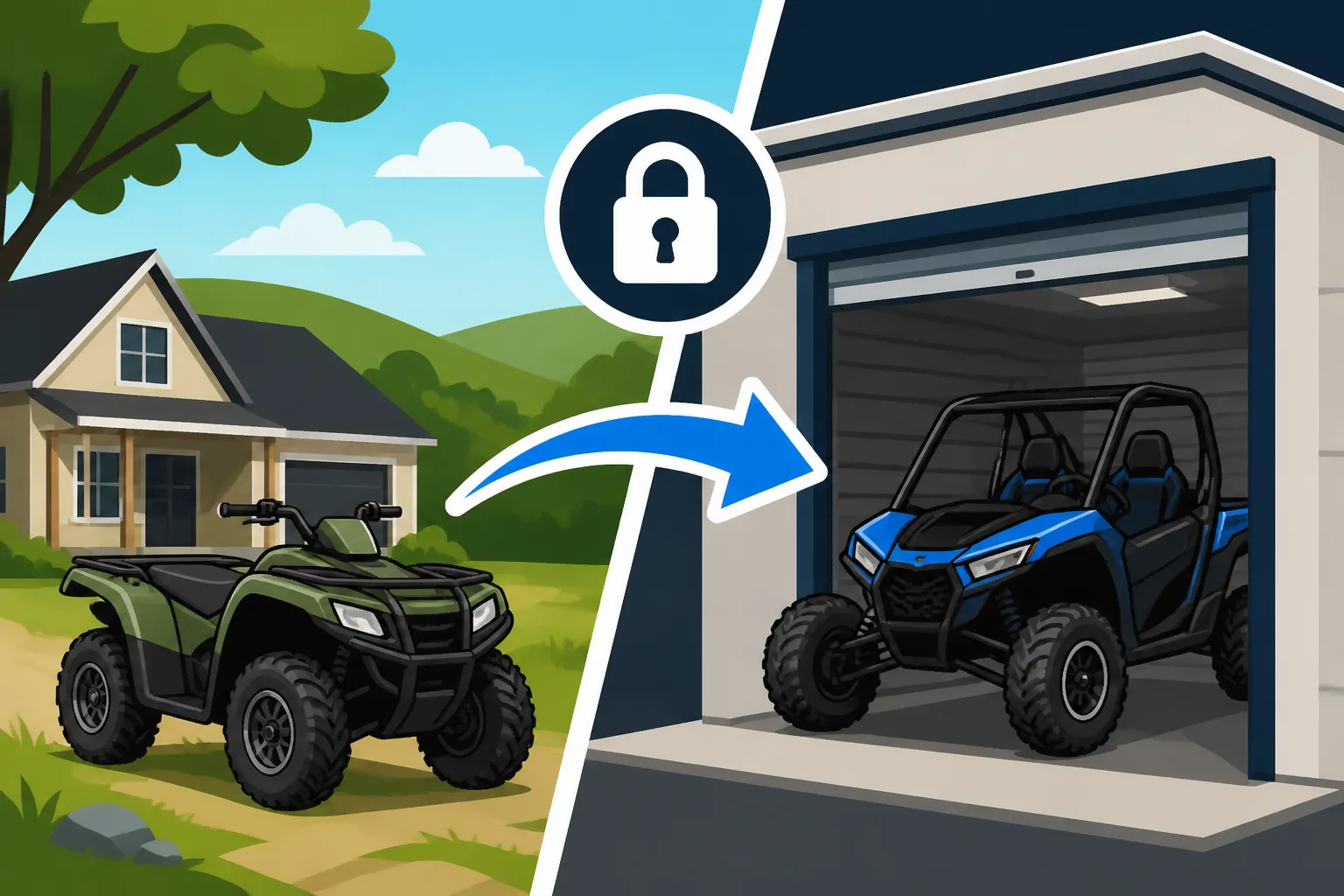
It's a common dilemma for ATV and UTV owners in Arkansas: you love your machine, but where on earth do you put it? Not everyone has a sprawling barn or a dedicated workshop, and trying to squeeze a side-by-side into a crowded garage can feel like a game of Tetris you're always losing. This guide is here to walk you through the ins and outs of storing your cherished off-road vehicle off your own property, addressing everything from security worries to the legal paperwork you might need.
Why Off-Property Storage Becomes Necessary
Life happens, and sometimes, the space you have just doesn't quite match the size of your passion. Many riders face the challenge of needing to store their ATV or UTV somewhere other than their own driveway or garage. It's not just about a lack of physical space; often, other factors play a big role in this decision.
Limited Space at Home
Let's be real: not every home comes with acreage. If you live in a more urban or suburban setting, your garage might be packed with cars, lawn equipment, bicycles, and all the other accouterments of modern life. Adding an ATV or UTV to that mix can feel impossible. Maybe you just moved into a smaller home, or perhaps your family's needs have grown, taking up precious garage real estate. This common crunch for space forces many to consider external options. You want to keep your machine safe and sound, but without turning your home into a storage unit itself.
Enhanced Security Needs
While we all wish our property was impregnable, the sad truth is that ATVs and UTVs are attractive targets for theft. Even if you have space at home, you might feel that a dedicated storage facility, a trusted friend's secured barn, or a remote, locked shed offers better protection than your residential garage or carport. These machines represent a significant investment, and the thought of it being stolen can be a constant worry. Sometimes, the peace of mind that comes with a more robust, off-site security setup is worth the extra effort.
Seasonal or Infrequent Use
Do you only ride your quad during hunting season, or perhaps just a few times a year for specific trails? For many, their ATV or UTV isn't a daily driver. If your machine sits idle for months on end, occupying valuable space at home can feel wasteful. Storing it off-property for these longer periods frees up your personal space and can even make maintenance easier if you choose a climate-controlled option. It's about optimizing your living environment while still enjoying your off-road adventures when the time is right. This is especially true if you only use your machine to travel to a specific [Arkansas WMA Riding on Open Roads] or [Arkansas Rules for Riding to a Deer Stand].
Legal and Logistical Considerations for Off-Site Storage
When you move your ATV or UTV to a different location, you're not just changing its address; you're entering a new set of considerations, both legal and logistical. It's important to think through who is responsible for what, and how to best protect your interests.
Understanding Ownership and Liability
Even when stored off your property, you remain the owner of the ATV or UTV. This means that you are still ultimately responsible for its condition, any required [Arkansas ATV Registration Has No Annual Renewal] (which in Arkansas is a one-time thing!), and any incidents that might occur related to its ownership. If you store it at a friend's house, for example, and it's stolen, that's still your loss. If it leaks oil onto their driveway, that's still your problem to fix.
Consider the potential for damage to the property where it's stored. If your machine somehow causes damage to a friend's barn or a storage unit, you could be liable for those repair costs. Having clear communication and potentially even a written agreement about responsibilities can prevent misunderstandings down the line. It's not just about your machine; it's about your relationship with the storage provider, whether they're a business or a buddy.
Formalizing Storage Agreements
When storing an ATV or UTV off your own land, especially if it's for an extended period or at someone else's private property, it’s wise to have some form of agreement in place. This doesn't have to be overly complicated, but a simple document can clarify expectations for both parties. For instance, what are the access hours? Who has keys? What happens if the owner of the property moves? What are the payment terms, if any?
You might even consider using resources like LawDepot to help draft a basic storage agreement or a simple lease if you're renting space from a private individual. These platforms often provide templates that can be customized to fit your specific situation, ensuring that all important points are covered, protecting both you and the person or entity providing the storage. This kind of forethought can prevent future headaches, especially if issues like damage or disputed access arise.
Table: Common Off-Property Storage Options
| Storage Type | Description | Pros | Cons |
|---|---|---|---|
| Friend's Property | Storing in a buddy's garage, barn, or shed. | Often free or low cost, trusted relationship. | Limited space, potential for strained friendships, less formal security. |
| Dedicated Storage Unit | Renting a self-storage unit (indoor/outdoor, climate-controlled options). | High security, professional management, various sizes. | Monthly cost, potential for limited access, can be far away. |
| Leased Land/Shed | Renting a spot in a private field, a private shed, or shared outbuilding. | More space than a unit, potentially lower cost than units. | Less security than dedicated facility, reliance on landlord. |
| Dealership Storage | Some dealerships offer seasonal storage, often with maintenance packages. | Secure, professional care, includes maintenance. | Can be expensive, limited availability, might require specific brands. |
Insurance Coverage and Theft Prevention
Before you move your machine, double-check your existing insurance policy. Does it cover your ATV or UTV when it's stored off your property? Some policies might have limitations or require an endorsement for off-site storage. If you're renting a storage unit, the facility itself usually offers its own insurance, but this typically covers their liability, not necessarily your property. You might need to add a rider to your personal policy or purchase separate coverage.
When it comes to theft, remember that out of sight isn't always out of mind. Even in a secured facility, thieves can be determined. Always use multiple layers of security. This includes sturdy locks on gates or unit doors, disc locks on your ATV's brakes, and perhaps even a chain through the frame to an immovable object. Consider GPS trackers if your machine is particularly valuable or frequently stored remotely. The more difficult you make it for a thief, the less likely your machine will become a target. This proactive approach ensures your investment is protected, regardless of where it rests.
Preparing Your ATV/UTV for Off-Site Storage
Just like you wouldn't leave a car sitting for months without some preparation, your ATV or UTV needs a little love before going into storage. Especially if it's going to be off your property, you'll want to ensure it's in the best possible condition to avoid unwelcome surprises when you retrieve it.
Cleaning and Maintenance Pre-Storage
Before putting your ATV or UTV away, give it a thorough cleaning. Dirt, mud, and grime can hold moisture against metal surfaces, leading to rust and corrosion over time. Pay special attention to the underside, suspension components, and any nooks and crannies where mud tends to cling. A good wash, rinse, and dry will make a world of difference.
Beyond cleaning, consider essential maintenance:
- Fuel Stabilizer: Add a fuel stabilizer to a full tank of gas. This prevents the fuel from degrading and causing issues with your carburetor or fuel injectors when you try to start it up months later. Run the engine for a few minutes to circulate the stabilizer.
- Oil Change: If your oil is due or nearly due for a change, do it now. Old, contaminated oil can sit and cause internal corrosion.
- Battery Tender: If electricity is available at your storage location, connect a battery tender to keep the battery charged and prevent it from dying or sulfating during long periods of inactivity. If no power, remove the battery and store it in a cool, dry place, recharging it periodically.
- Tire Pressure: Inflate your tires to the recommended pressure to prevent flat spots, which can occur when a machine sits for extended periods.
These steps are crucial for ensuring your machine fires up without a hitch the next time you're ready to hit the trails, whether they're [Wolf Pen Gap: Arkansas's Best Known OHV Complex] or [Mill Creek OHV Trail System in Arkansas].
Securing Your Machine for Long-Term Parking
Once your ATV or UTV is clean and maintained, securing it physically is the next step. This goes beyond just locking the storage unit door.
- Physical Locks: Use robust disc locks on brakes, heavy-duty chains to secure the frame to a permanent anchor point (if available), or wheel locks. Multiple layers of security are always best.
- Cover It Up: A breathable cover will protect your machine from dust, dirt, and potential moisture in the air. This is especially important in a non-climate-controlled environment. Avoid plastic tarps that can trap moisture.
- Remove Valuables: Take off any accessories that are easy to steal, such as GPS units, tools, or anything that isn't bolted down. Don't leave your [Arkansas ATV Registration Paperwork Checklist] documents in the machine; keep them with you in a safe place.
- Document Everything: Before you leave it, take photos of your machine's condition, noting any existing scratches or dents. Keep records of your VIN, engine number, and any distinguishing features. This documentation can be invaluable if you ever need to file an insurance claim or report a theft. Knowing [What Buyers Should Verify Before Paying] is also helpful if you ever sell it.
Essential Documentation to Keep on Hand
Even if your ATV or UTV is stored off-site, you still need immediate access to certain documents. Don't leave these with the machine!
- Proof of Ownership: This is paramount. Keep your bill of sale, title (if Arkansas issued one, which for ATVs is a bit different as they don't issue traditional titles but rather a registration document), or other relevant documents in a secure place at home. You'll need this for any insurance claims, potential sales, or even just proving it's yours if questions arise. If you used a [Arkansas ATV Bill of Sale Requirements], make sure you have a copy.
- Registration Documents: While [Arkansas ATV Registration Has No Annual Renewal], you still need proof of that one-time registration. Keep a copy with you, not in the machine, especially if you plan to retrieve it and ride it legally.
- Insurance Information: Always have your insurance policy number and contact information readily available. If anything happens while in storage, you'll need this immediately.
- Emergency Contacts and Storage Facility Information: Keep the contact details for the storage facility (if applicable) and any emergency contacts for the location handy. If you’re storing it at a friend’s, make sure you both have each other’s contact info.
Being prepared with these documents makes retrieving your machine smooth and hassle-free, and it provides crucial evidence should anything unexpected occur. It's also vital for when you're considering [Arkansas Registration Transfer After a Sale] or dealing with [Arkansas ATV Title Questions Answered].
Maintaining Your Machine in Off-Site Storage
Just because your ATV or UTV isn't on your property doesn't mean it should be out of sight and out of mind completely. Regular check-ins and smart planning can ensure your machine remains in top condition, ready for its next adventure.
Regular Check-Ins and Inspections
Even if your machine is properly prepared for storage, it’s a good idea to visit it periodically, if feasible. This isn't just about making sure it's still there, but about doing a quick visual inspection.
- Look for Pests: Critters love to make nests in quiet, sheltered places. Check air boxes, exhaust pipes, and under the seat for signs of mice or other pests. They can chew wires, build nests, and cause significant damage. Consider placing mouse traps or repellents, especially if you're in a barn or outdoor shed.
- Check for Leaks: Look under the machine for any signs of fluid leaks – oil, coolant, or fuel. Catching a small leak early can prevent a bigger problem and potential damage to the storage surface.
- Tire Pressure Check: Even with proper inflation, tires can slowly lose air over time. Give them a quick check and top them off if needed to prevent flat spots and premature wear.
- General Condition: Ensure the cover is still in place and hasn't been disturbed. Look for any signs of rust or corrosion, especially if the storage environment has fluctuating humidity.
These routine checks don't need to be lengthy, but they can save you a lot of trouble and expense down the road. If you're storing it at a friend's, maybe offer to bring them a cold drink while you quickly check on your machine, fostering good will.
When Professional Help Might Be Needed
Sometimes, you might not have the time, tools, or expertise for certain maintenance tasks. This is where professional help comes in, even for a machine in storage.
- Complex Mechanical Issues: If you discover a significant fluid leak, an electrical problem, or suspect an engine issue during your check-in, it’s often best to call in a professional. Trying to fix something you're not familiar with in a cramped storage unit or an unfamiliar location can be more trouble than it's worth.
- Long-Term Storage Services: Some dealerships offer professional long-term storage services. These often include climate-controlled environments, battery maintenance, and periodic engine starts. While more expensive, this can be a great option for owners who want maximum peace of mind, especially if they travel frequently or are storing a high-value machine.
- Pre-Season Prep: Before you pull your ATV or UTV out of storage for the riding season, consider taking it to a mechanic for a full pre-season inspection. They can check brakes, fluids, filters, and ensure everything is trail-ready. This is especially true if the machine has been sitting for a year or more. A small investment here can prevent a breakdown on the trail.
Planning for Retrieval
Before the riding season kicks into high gear, start planning for your machine's retrieval from storage. Don't wait until the day before your big trip to [Arkansas ATV Trails: Where to Ride] or a hunting expedition.
- Schedule Access: If you're using a storage facility or a friend's property, confirm your access time. Make sure you have the necessary keys or access codes.
- Gather Your Gear: Collect all your riding gear – helmet, goggles, gloves, boots – and make sure they're ready to go. You don't want to get to your machine only to realize you forgot your essential safety equipment. Remember that [Arkansas Has No ATV Helmet Law], but wearing one is always a smart choice.
- Fresh Fuel and Fluids: Even with stabilizer, if the fuel has been sitting for a very long time (over a year), consider draining it and adding fresh gas. Double-check all fluid levels before starting the engine.
- Battery Check: If you didn't use a tender, expect to charge the battery. If it doesn't hold a charge, you might need a new one.
A little planning ahead makes the transition from storage to adventure seamless. You'll be able to hit the dirt faster and with greater confidence, knowing your machine is ready for whatever Arkansas's beautiful outdoors throws at it.
Disclaimer
This article is for general informational purposes only and does not constitute professional advice. Laws, prices and regulations vary by location and change over time. Consult a qualified professional for guidance on your specific situation.