What Buyers Should Verify Before Paying
Buying an ATV or UTV in Arkansas can be an incredibly exciting prospect, whether you're dreaming of hitting the trails, working on the farm, or just enjoying some weekend fun. However, that excitement can quickly turn into a nightmare if you don't do your homework before handing over your hard-earned money. Many folks get caught up in the thrill of a good deal, only to discover later that the machine is stolen, has hidden damage, or comes with a mountain of paperwork issues. This guide is here to walk you through all the critical checks and verifications you absolutely must make before you pay for an ATV or UTV in Arkansas, ensuring your purchase is smooth, legal, and worry-free.
Verifying the Machine's Identity and Legality
Before you even think about test riding or discussing price, you need to establish that the ATV or UTV you're considering is legitimately owned and hasn't been involved in any shady dealings. This is often the step most buyers overlook, and it's where many problems begin. Skipping these checks can lead to losing your investment, or worse, facing legal trouble down the road.
The All-Important VIN Verification
Every ATV and UTV, just like a car, has a unique Vehicle Identification Number (VIN) stamped onto its frame. This isn't just a random string of characters; it's the machine's fingerprint, telling you its manufacturer, model year, and other vital details. Your first step should always be to locate this VIN on the physical machine itself. It's usually found on the frame near the steering column, on the engine casing, or sometimes under the seat. Make sure it's clear, legible, and doesn't show any signs of tampering, like grinding marks or re-stamping.
Once you've found the VIN, write it down accurately. Then, compare this physical VIN to the VIN listed on any paperwork the seller provides, such as a title, a Manufacturer's Statement of Origin (MSO), or a bill of sale. If there's any discrepancy, even a single digit, it's a huge red flag, and you should walk away immediately. A mismatched VIN is often a sign of a stolen vehicle or an attempt to hide its true identity. Don't let a seller try to convince you it's a "typo" or a simple mistake; in these cases, trust your gut.
Checking for Stolen Status and Liens
After you've verified the VIN on the machine matches the paperwork, the next crucial step is to run a check to ensure the ATV or UTV hasn't been reported stolen and doesn't have any outstanding liens against it. In Arkansas, an ATV or UTV is considered a motor vehicle for registration purposes, which means financial institutions can place liens on them just like cars or trucks if a loan was taken out to purchase the machine. You certainly don't want to buy a machine only to find out it belongs to someone else or that a bank can repossess it.
While Arkansas doesn't have a centralized online database for ATV/UTV stolen checks that's easily accessible to the public, you can often take the VIN to your local law enforcement agency. Many police departments or sheriff's offices can run a check through national databases to see if the VIN appears on a stolen vehicle list. For liens, you'll need to ask the seller for any previous registration documents or title paperwork, which might indicate a lienholder. If the seller can't provide this, or seems hesitant, it's a major cause for concern. Remember, if you buy a vehicle with a lien, you could be responsible for that debt. You should also refer to [Arkansas Stolen Machine Checks] for more details on this process.
Confirming Legitimate Ownership
This is perhaps the most critical verification point: ensuring the person selling you the ATV or UTV is the legal owner and has the right to transfer it to you. In Arkansas, unlike cars, ATVs and UTVs do not receive a title upon initial registration, but they do require registration if they're used off private property. This can make proving ownership a bit trickier, but it's not impossible. The most common forms of proof of ownership include the Manufacturer's Statement of Origin (MSO) for new machines, a previous bill of sale, or a past registration document.
Ask the seller to show you their government-issued photo ID and compare the name on the ID to the name on the MSO, bill of sale, or previous registration document. These names absolutely must match. If the seller claims to be selling it for a friend or family member, insist on speaking directly with the registered owner or getting a notarized power of attorney from the owner granting the seller permission to sell. Without clear, matching documentation, you risk buying a machine that legally still belongs to someone else, opening you up to all sorts of legal hassles. To understand what documents are generally accepted, check out [Proof of Ownership That Clerks Accept].
Assessing the Machine's Condition and History
Once you're confident in the machine's legal standing, it's time to shift your focus to its physical condition and history. A great deal on paper can quickly become a money pit if the ATV or UTV has underlying mechanical issues or a history of abuse. Don't let the shine of a freshly washed machine blind you to potential problems.
A Thorough Mechanical Inspection
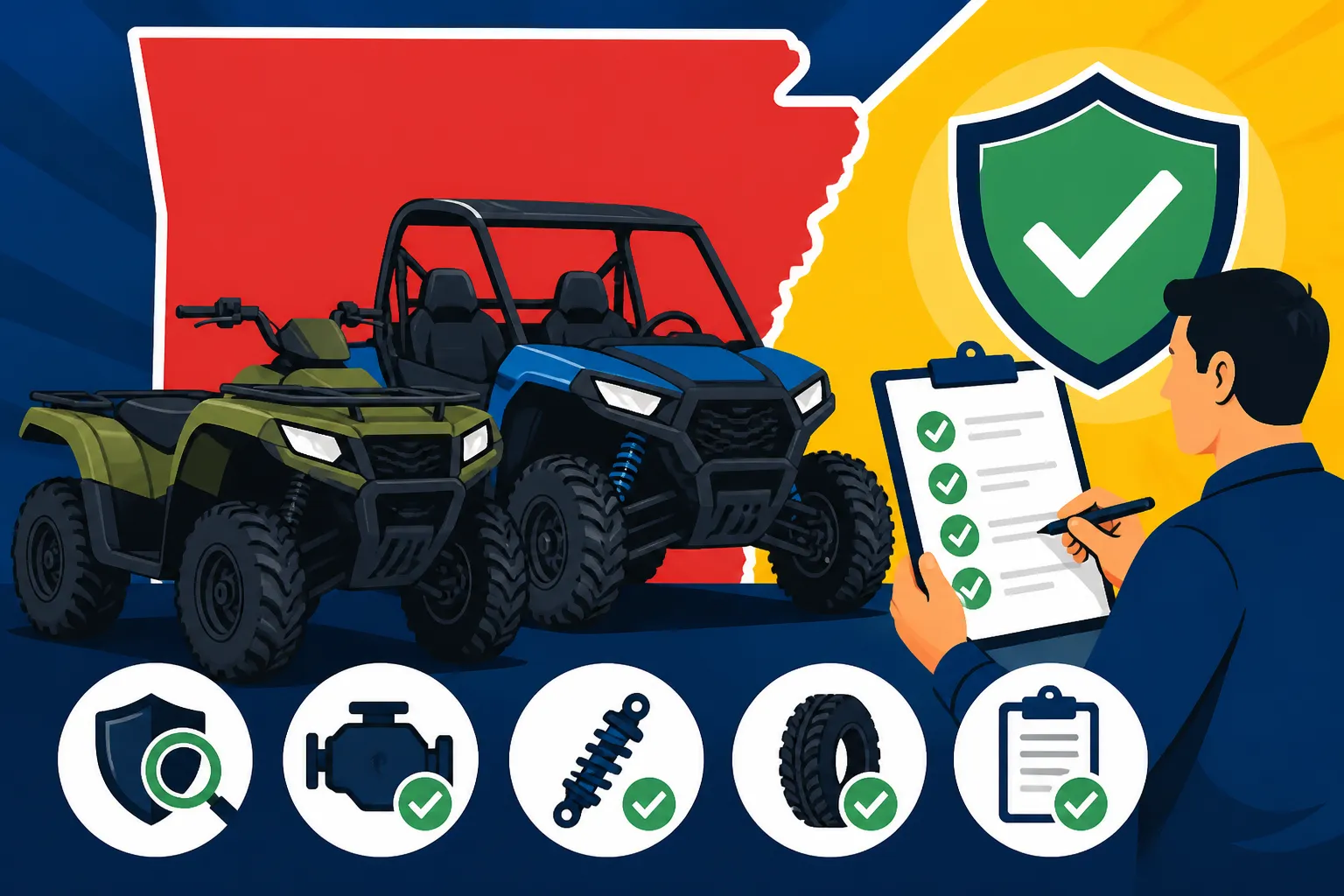
Never buy an ATV or UTV without a comprehensive mechanical inspection. This is more than just kicking the tires. Start with a visual inspection: look for bent frames, cracked plastics, leaks around the engine or shocks, and excessive rust. Check the tires for uneven wear, which can indicate suspension or alignment issues. Pay close attention to the suspension components – are the shocks leaking? Is there excessive play in the A-arms or tie rods?
Next, get the engine running. Listen for any unusual noises like knocking, grinding, or excessive smoke from the exhaust. Test the brakes, checking for spongy levers or grinding sounds. Cycle through all the gears, making sure they engage smoothly. If it's a 4×4, test the four-wheel drive system to ensure it engages and disengages properly. If you're not mechanically inclined, it's always a wise investment to have a qualified mechanic inspect the machine for you. This small upfront cost can save you thousands in repairs later. For a more detailed look at the registration process itself, you might find [Arkansas Registration Paperwork Checklist] helpful.
Understanding the Machine's Registration and Use History
Understanding how the ATV or UTV has been used can give you valuable insights into its overall condition and potential wear. Ask the seller about its history: Was it primarily used for recreational trail riding, hardcore mudding, farm work, or hunting? Each type of use puts different stresses on a machine. For example, a machine used primarily for heavy farm work might have more wear on its drivetrain and suspension, while a recreational machine might have more cosmetic damage from rollovers or impacts.
In Arkansas, all ATVs and UTVs that are operated off private property, whether on public lands like national forests or county roads where permitted, must be registered. This means there should be some registration history. Ask the seller about its current registration status. If they claim it was only ever used on private land, they wouldn't have registered it, which is permissible under [Arkansas ATV Registration for Private Land Only Machines]. However, if they claim it was used on public trails, it should have an active (or previously active) registration and decal. This history can reveal how the machine was cared for and whether it was operated legally.
Asking About Maintenance Records and Past Repairs
A responsible ATV or UTV owner will typically keep some form of maintenance records, whether it's a logbook, receipts for parts, or invoices from a repair shop. Ask the seller if they have any such records. These documents can provide a clear picture of how well the machine has been maintained, what services have been performed, and any major repairs it's undergone. Regular oil changes, air filter cleanings, and belt replacements are signs of a diligent owner, while a complete lack of records could indicate neglect.
If there have been significant repairs, inquire about the nature of the damage and who performed the work. For instance, if the engine was rebuilt, was it done by a certified mechanic or a backyard hobbyist? If the seller is vague or can't provide any information, it's another factor to weigh in your decision. It doesn't necessarily mean the machine is bad, but it does mean you're taking on more unknown risks. Remember that while Arkansas doesn't title ATVs, proper documentation, including maintenance records, is still crucial for a clean transaction. You can learn more about general titling questions in [Arkansas ATV Title Questions Answered].
Navigating the Paperwork Safely
Even after you've confirmed the machine's identity, legality, and physical condition, the transaction isn't complete until the paperwork is handled correctly. This final step is crucial for legally transferring ownership and protecting yourself from future disputes or tax issues. Don't rush this part; a little attention to detail here can save you a lot of grief later.
Securing a Proper Bill of Sale
In Arkansas, a bill of sale is your most vital document when purchasing an ATV or UTV, especially since many of these machines don't have traditional titles. This document serves as legal proof of the transaction and ownership transfer. A proper bill of sale should include:
- The full names and addresses of both the buyer and the seller.
- The date of the sale.
- A detailed description of the ATV or UTV, including its make, model, year, color, and most importantly, the full Vehicle Identification Number (VIN).
- The agreed-upon purchase price.
- A statement that the seller warrants they are the legal owner and have the right to sell the machine, and that it is free of all liens and encumbrances.
- Signatures of both the buyer and the seller.
While a handwritten bill of sale can be legally binding, using a professionally drafted template, perhaps from a resource like LawDepot, can provide more comprehensive protection. Consider having the bill of sale notarized if possible, as this adds an extra layer of authenticity and can prevent disputes over signatures later. For specific requirements, be sure to consult [Arkansas ATV Bill of Sale Requirements].
Understanding Sales Tax Implications
When you purchase an ATV or UTV in Arkansas, you are typically responsible for paying sales tax, even if you buy it from a private seller. This can sometimes catch buyers off guard, as they might assume private sales are exempt. The state sales tax rate will apply, along with any applicable local sales taxes (city and county), which can vary significantly depending on where the transaction takes place or where you live.
The sales tax is usually calculated on the purchase price you declare on your bill of sale. If the declared price seems unusually low compared to the machine's fair market value, the Department of Finance and Administration (DFA) may question it and assess tax based on their valuation. You will pay this sales tax at the Revenue Office when you register the machine or when you submit your paperwork. It's wise to factor this tax into your total budget, as it can be a substantial amount. For a deeper dive into this, read [Arkansas Sales Tax on a Private Sale].
The Critical Role of a Written Agreement
Beyond the bill of sale, it's incredibly smart to have a clear, written agreement detailing any specific terms or conditions of the sale, especially for higher-value machines or if there are any unique circumstances. This could include contingencies like "subject to mechanic's inspection" or agreements on repairs to be made before the sale is finalized. Verbal agreements are notoriously difficult to enforce and often lead to misunderstandings.
If you're making a significant investment, or if there's any complexity to the sale, consider drafting a simple purchase agreement. Online platforms like LawDepot offer templates for these types of agreements, which can help ensure all parties are clear on their obligations. This written agreement, along with the bill of sale, forms a robust legal framework for your purchase, protecting both you and the seller. It outlines exactly what you're getting and under what conditions, leaving little room for ambiguity.
Here's a handy checklist to keep with you during the buying process:
| Verification Item | Details to Check | Why It Matters | Status (Yes/No/N/A) |
|---|---|---|---|
| VIN Verification | Locate VIN on machine; match with all paperwork (MSO, Bill of Sale, Registration) | Ensures identity, helps detect theft/tampering. | |
| Stolen/Lien Check | Inquire with local law enforcement (stolen); check old registration (liens) | Avoids buying stolen property or property with outstanding debt. | |
| Proof of Ownership | Seller's ID matches MSO/Bill of Sale/Registration; clear chain of ownership | Confirms seller has legal right to sell. | |
| Mechanical Inspection | Visual inspection for damage/leaks; test engine, brakes, gears, 4×4 | Uncovers hidden mechanical issues, prevents costly repairs. | |
| Maintenance Records | Ask for service history, receipts for parts/repairs | Indicates how well the machine was maintained, predicts future reliability. | |
| Bill of Sale | Complete details (buyer/seller, VIN, price); signed by both, ideally notarized | Legal proof of sale and ownership transfer, crucial for registration. | |
| Sales Tax Awareness | Understand state and local sales tax rates; budget for it | Avoids surprises at the Revenue Office; legally required. | |
| Written Agreement (Optional) | For complex sales, outlines specific terms/contingencies | Clarifies expectations, reduces potential for disputes. |
Disclaimer
This article is for general informational purposes only and does not constitute professional advice. Laws, prices and regulations vary by location and change over time. Consult a qualified professional for guidance on your specific situation.