Arkansas Age Rules for a Street UTV Driver
It can be incredibly confusing trying to figure out the rules for riding your UTV on public roads in Arkansas, especially when it comes to who can actually get behind the wheel. Many folks assume that if they can drive a car, they can drive their side-by-side, but that's not always the case, and the age requirements can really throw a wrench in your plans. This guide will walk you through the specific age rules for driving a street-legal UTV in Arkansas, helping you understand what applies to you and your family.
The Journey to Street Legality: Arkansas's Evolving Stance on UTVs on Public Roads
For a long time, the default answer in Arkansas was a resounding "no" when it came to riding your UTV on public roads. This blanket prohibition was a source of frustration for many riders who just wanted to get from their home to the trail, or even use their side-by-side for quick errands in their rural communities. It felt like common sense was being overlooked, especially for machines that are often used for work and recreation close to home.
The landscape started to shift with the passage of Act 922, which brought about a significant change, empowering local communities to decide for themselves. This act acknowledged that a one-size-fits-all approach wasn't working for every town in the state. Now, instead of a statewide ban, individual cities and towns have the authority to pass ordinances that allow UTVs on their streets. This means that whether you can legally drive your UTV on a particular road depends entirely on where you are within Arkansas. It’s a bit like a patchwork quilt of rules, and it certainly requires you to do your homework before you head out. Understanding this foundational shift is crucial because all other rules, including age requirements, stem from these local decisions.
Why Local Ordinances Dictate Street UTV Access
The power granted to cities to open their streets to UTVs means that there isn't a single, uniform set of "Arkansas street UTV rules" that applies everywhere. Instead, you have to look at the specific ordinance passed by the city or town you plan to ride in. This can be a bit of a headache, as what's perfectly legal in one town might lead to a citation just a few miles down the road. For example, a town like Bono might have one set of rules, while Cotter might have completely different ones, or even prohibit UTVs altogether. [Arkansas UTV Street Legal Rules by Town] can be incredibly helpful in navigating this varied landscape.
These local ordinances cover everything from the types of roads allowed (often excluding state highways and roads over a certain speed limit) to the equipment your UTV needs (like turn signals, mirrors, and seat belts). Critically, they also lay out the specific age requirements for drivers. This local control reflects a desire for communities to tailor rules to their own unique traffic patterns, population density, and local culture. It’s a blessing for some towns, allowing them to embrace the popularity of UTVs, but it places the onus on the rider to be diligent about checking local laws.
The Age-Old Question: Why Age Rules Vary By Locality
You might wonder why age rules aren't just standardized across the state, especially since Arkansas already has a minimum age for driving cars. The reason is rooted in the very nature of Act 922. By giving local municipalities the authority to permit UTVs on their streets, the state essentially delegated the specifics of those permits, including age, to the local level. This means that one town might decide that 16-year-olds with a valid driver's license can operate a street-legal UTV, aligning with general driving laws. Another town, perhaps with a higher population density or different safety concerns, might decide that only licensed drivers 18 or even 21 and older can drive.
This variability means you cannot make assumptions based on what you've heard about a neighboring town. You absolutely must look up the specific ordinance for the city or town where you intend to ride your UTV. These ordinances are often available on the city's official website or by contacting the city clerk's office directly. It’s a small administrative step that can save you a lot of hassle and potential fines.
Navigating the Specifics: What Age Means for Street UTV Drivers
When it comes to actually driving your UTV on city streets, the age of the driver is a critical component of most local ordinances. It’s not just about having a UTV that meets equipment requirements; it’s about ensuring the person operating it is deemed responsible enough by the local authorities. This usually ties back to general driver's license laws, but not always in a straightforward way.
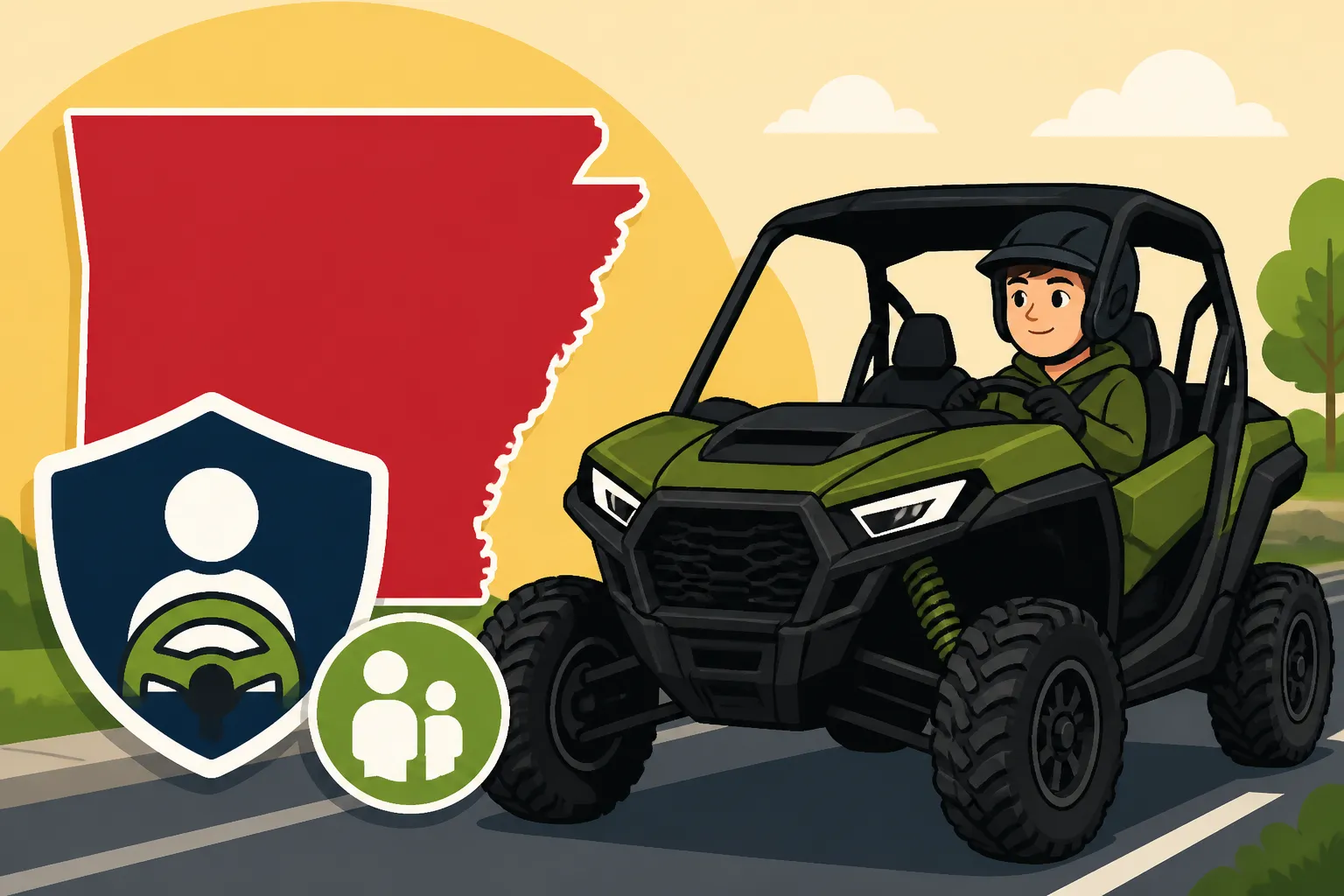
Most ordinances that permit street-legal UTVs will require the driver to hold a valid, unencumbered driver's license. This is where age becomes a factor, as the minimum age to obtain a standard driver's license in Arkansas is typically 16. So, if an ordinance states "must hold a valid driver's license," then a 16-year-old with a license would, in theory, qualify from an age perspective. However, some cities go further, explicitly stating a higher minimum age for UTV operators, such as 18 or even 21, regardless of their driver's license status. This is less common but certainly exists, reflecting a more cautious approach to these vehicles on public roads.
The Standard: Licensed Drivers, 16 and Up
For many towns in Arkansas that have opted to allow UTVs on their streets, the age requirement for drivers generally aligns with the state's standard for motor vehicle operators: a valid driver's license. This means that if you're 16 years old and possess a full, unencumbered Arkansas driver's license, you would typically meet the age requirement to operate a street-legal UTV within that town's limits. It makes sense, as the assumption is that the training and testing required to obtain a driver's license prepare an individual for operating a vehicle safely on public roads. [Arkansas Driver's License at 16 for Street UTVs] is a good resource to confirm these details.
However, even if a city's ordinance just says "must have a valid driver's license," remember that machines like UTVs handle differently than cars. They have a higher center of gravity, can be more susceptible to rollovers, and might not have the same safety features as a passenger car. So, while technically legal, a young or inexperienced driver should always exercise extreme caution and perhaps even undergo additional training specific to UTV operation before hitting the streets. A driver's license is a legal hurdle, but experience and judgment are essential for safety.
When Cities Set Higher Age Limits
Despite the general alignment with driver's license age, some Arkansas cities have chosen to implement stricter age requirements for UTV operators on their streets. This could be due to various local factors, such as concerns about congestion, specific accident data, or simply a more conservative approach to introducing these vehicles into the regular traffic flow. These ordinances might stipulate that a UTV driver must be 18 years old, or even 21 years old, regardless of whether they obtained a driver's license at 16.
For instance, a city might have a significant retirement community or be a popular tourist destination with many pedestrians, leading them to believe that more mature, experienced drivers are necessary for UTVs. If you're a 17-year-old with a brand new UTV, excited to cruise around your hometown, finding out the ordinance requires drivers to be 18 or older can be a huge disappointment. This is precisely why checking the exact wording of your local ordinance is paramount. It’s not enough to know that your town allows UTVs; you need to know who it allows to drive them.
Age for Passengers and Youth Riders
Beyond the driver, many local ordinances also address age and other rules for passengers, particularly young children. While not directly related to the driver's age, it's an important consideration for families wanting to enjoy their UTVs on city streets. Some ordinances might require passengers to be of a certain age, or to be able to reach the floorboards, or might have rules about booster seats or child restraints, similar to car seat laws.
It’s less common for specific age restrictions on passengers in a side-by-side that’s street-legal, but it's certainly a possibility, especially for youth riders on ATVs (which are different from UTVs and generally not permitted on streets). The key takeaway here is that if you plan to carry passengers, especially children, on your street-legal UTV, always check the local ordinance for any stipulations about their age, size, or required safety equipment. Safety is always the top priority, and adhering to these rules helps keep everyone safe.
Beyond Age: Other Critical Requirements for Street-Legal UTV Driving
While age is a significant hurdle, it's far from the only requirement for legally driving a UTV on Arkansas streets. Cities that have passed ordinances to allow UTVs typically impose a range of other conditions to ensure public safety and integrate these vehicles into traffic responsibly. These requirements often involve the vehicle itself, as well as the driver's legal standing. Getting caught without all your ducks in a row can lead to fines, citations, or even your UTV being impounded.
One of the most common requirements is that the UTV must be properly equipped to function safely on public roads. This means it needs to have essential safety features that you'd expect on any road-going vehicle. Think about all the things your car has to indicate its presence and intentions to other drivers – your UTV will likely need many of the same. This isn't just about avoiding a ticket; it's about ensuring visibility and communication on roads shared with cars, trucks, and pedestrians.
UTV Equipment for Street Legality
Before you even think about the driver's age, your UTV needs to meet specific equipment standards set forth by the local ordinance. These are not state-level requirements but rather stipulations by the individual cities. Common requirements often include:
- Headlights and Taillights: These are non-negotiable for visibility, especially during dusk, dawn, or bad weather.
- Brake Lights: Absolutely essential for indicating when you're slowing down or stopping.
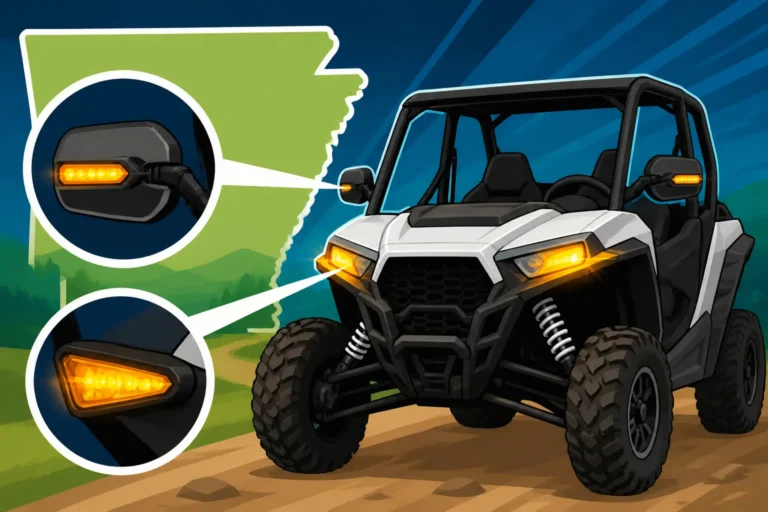
- Turn Signals: You need to clearly communicate your intentions to other drivers, just like in a car. Many UTVs don't come with these from the factory, but companies like SuperATV offer excellent aftermarket kits that are specifically designed for easy installation and street legality.
- Horn: A horn is crucial for alerting others to your presence in emergency situations.
- Rear-view Mirrors: Typically, at least one mirror (often a driver's side or a center rearview mirror) is required to see traffic behind you.
- Windshield: Some ordinances may require a full windshield made of safety glass.
- Seat Belts: All occupants typically must be wearing seat belts, and the UTV itself must have them installed for all seating positions.
Each city's ordinance will list its specific equipment requirements. It's not uncommon for a new UTV owner to underestimate these costs, but a good [Arkansas UTV Street Permit Cost in a City] will usually outline what to expect. Investing in quality accessories, perhaps from a reputable brand like SuperATV, ensures compliance and often improves safety and usability.
Registration, Permits, and Proof of Insurance
Even if your UTV is properly equipped and you meet the age requirement, you'll likely need to secure a special permit or registration from the city to operate it on their streets. This isn't the same as the state's off-highway vehicle (OHV) decal for trail riding; this is a specific city-issued permit. These permits often come with an annual fee and may require you to display a sticker or decal on your UTV. [Arkansas UTV Street Permits and Annual Fees] outlines this aspect in more detail.
Alongside the permit, proof of insurance is almost universally required. Just like with a car, you'll need to demonstrate that you have adequate liability insurance coverage for your UTV. This protects you and others in the event of an accident. The city will want to see proof of this insurance before issuing any permit. Without proper insurance, even if you meet all other criteria, you won't be allowed to drive your UTV on public streets. Always carry your proof of insurance and city permit with you when riding on roads.
Common Scenarios and Important Considerations
Navigating the rules for street-legal UTVs in Arkansas can feel like walking through a legal maze, especially with the localized nature of the ordinances. Let's look at a few common scenarios and important considerations that often pop up for riders. Understanding these can help you avoid pitfalls and ensure you're riding legally and safely.
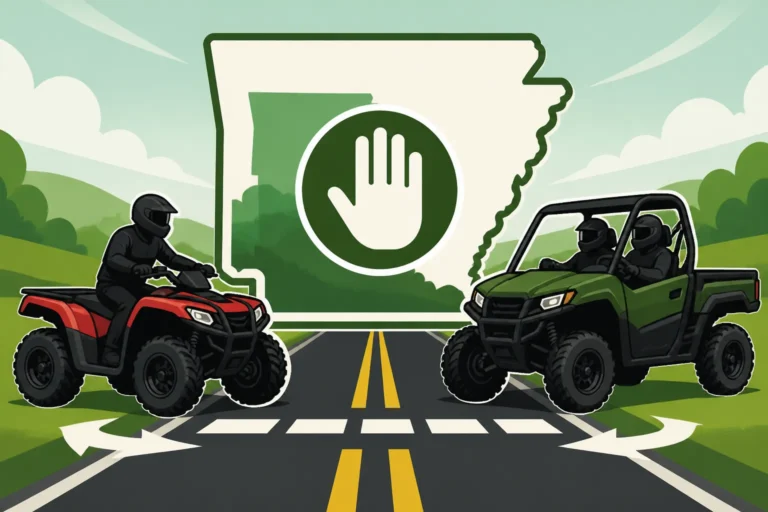
One frequent question revolves around simply crossing a main highway to get from one part of your property to another, or from a gravel road to a trail. Even if your town has an ordinance allowing street UTVs, state highways often remain off-limits except for direct, perpendicular crossings. This distinction is critical and often trips up riders who assume city permissions cover all roads within city limits. Always remember that state routes fall under a different jurisdiction.
What if My Town Doesn't Have an Ordinance?
This is a critical point that many riders miss. If your city or town has not passed an ordinance specifically allowing UTVs on its streets, then the default state law still applies: it is illegal to operate your UTV on public roads. Act 922 gave cities the option to allow UTVs, but it didn't automatically make them street-legal everywhere. You cannot assume that just because your neighbor's town allows them, yours does too.
If you live in a town without an ordinance, your options are limited to riding on private land with permission, or trailering your UTV to an approved off-road park or an area in another town that does have an ordinance. This can be frustrating, but it's the reality of the current legal framework. If you're passionate about seeing UTVs on your local streets, your best bet is to get involved with your local city council and advocate for an ordinance. [How an Arkansas City Council Opens Streets to UTVs] provides valuable information on this process.
The Nuances of State Highways and County Roads
Even in towns with active UTV ordinances, there are almost always restrictions regarding state highways. Arkansas law generally prohibits UTVs on state highways, and local ordinances usually reflect this by excluding them, except for very limited direct crossings. You might be able to cross a state highway at a 90-degree angle after coming to a complete stop, but riding along a state highway is almost universally forbidden. These rules are in place for safety, as state highways typically have higher speed limits and greater traffic volume.
County roads, on the other hand, often fall under a different jurisdiction than city streets. While cities can pass ordinances for their streets, county roads may have different rules, or no specific rules at all, which means the statewide prohibition would still apply. Some counties might have their own local options, but generally, if you're outside city limits on a county road, you need to be extremely cautious. Always verify the rules for the specific stretch of road you intend to travel.
Understanding Your Responsibilities as a Street UTV Driver
Beyond legal compliance, operating a UTV on public streets comes with significant responsibilities. UTVs handle differently than cars, have a different visibility profile for other drivers, and often lack the same crash protection as a passenger vehicle. Drivers, regardless of age, must operate their UTVs with extreme caution and defensive driving techniques. This means:
- Awareness: Always be aware of your surroundings, including vehicles, pedestrians, and cyclists.
- Signaling: Use your turn signals well in advance and ensure they are visible.
- Speed: Adhere strictly to posted speed limits, which for UTVs are often capped lower than for cars in local ordinances (e.g., 35 mph or 25 mph).
- Focus: Avoid distractions and focus entirely on driving.
- Visibility: Consider adding additional reflective tape or bright flags, especially if your UTV isn't easily seen by larger vehicles.
Remember, even if you meet all the age and equipment requirements, a UTV is still an off-road vehicle adapted for street use, not a car. Treating it with the respect it demands will ensure a safer experience for you and everyone else on the road.
| Requirement Category | General Guideline (Varies by City) | Common Minimum Age |
|---|---|---|
| Driver's License | Valid, unencumbered driver's license | 16 (often) |
| Specific UTV Age | May be higher than license minimum | 18 or 21 (less common) |
| Passenger Age | Generally no specific age, but safety requirements (seatbelts) are universal | N/A (focus on safety) |
| Vehicle Equipment | Headlights, taillights, brake lights, turn signals, horn, mirrors, seatbelts | N/A |
| Insurance | Proof of liability insurance required | N/A |
| City Permit | Annual permit/registration with fee | N/A |
Disclaimer
This article is for general informational purposes only and does not constitute professional advice. Laws, prices and regulations vary by location and change over time. Consult a qualified professional for guidance on your specific situation.