Coming to a Complete Stop First
It can be incredibly frustrating when you're out enjoying your ATV or UTV in Arkansas, perhaps heading to a favorite hunting spot or simply trying to get from one section of trail to another, only to find yourself facing a public road. The rules for these situations can feel like a minefield, leaving many riders confused and anxious about accidentally breaking the law. This guide is here to cut through that confusion, focusing specifically on the crucial requirement of coming to a complete stop before crossing any public highway or street in Arkansas, ensuring you ride safely and legally.
The Basics of Arkansas Road Rules for ATVs and UTVs
Arkansas has a very clear stance on off-highway vehicles (OHVs) and public roads: they generally don't mix. Many riders feel a deep sense of restriction when they encounter paved roads, especially when their destination is just on the other side. You've invested in a powerful machine, designed for adventure and utility, and then you hit this wall of regulations. It's a common complaint, and for good reason—sometimes, those short stretches of road are unavoidable on your way to legitimate riding areas.
Why Street Riding is Generally Forbidden and the Frustration
Imagine you're deep in the Ouachita National Forest, navigating winding trails, and suddenly your route dead-ends at a paved county road. Your map shows the trail picks up again only a quarter-mile down the road, across a bridge. Logically, you'd think a quick, careful transit would be fine, right? Well, Arkansas law, specifically statute 27-21-106, generally prohibits the operation of ATVs and UTVs on public streets, roads, and highways. This blanket prohibition exists primarily for safety reasons, as these machines aren't designed with the same safety features as street-legal vehicles and drivers in cars aren't expecting them.
The frustration for riders is palpable. It often feels like the law doesn't fully understand the practical needs of those who use ATVs and UTVs for hunting, farming, or accessing remote properties. Many riders just want to connect legitimate trail sections or get to their deer lease without having to load their machine onto a trailer for a short hop. This feeling of being unfairly restricted can lead to temptation to bend the rules, but understanding the precise allowances is key to avoiding penalties. It's not about being a rebel; it's about navigating the rules set forth to keep everyone on the road, including you, safe. For more on the overarching legal framework, check out [Arkansas ATV Road Rules: What 27-21-106 Says].
Understanding the Statutory Exceptions Where You Can Ride
While the general rule is "no public roads," Arkansas law does provide [Arkansas's Six Statutory Road Exceptions] that allow for limited, specific uses of ATVs and UTVs on public roads. These exceptions aren't carte blanche for joyriding; they are carefully defined to address genuine needs. For instance, you might be allowed to operate your machine on a public road if you're directly involved in a farming or hunting operation, or if you're a utility company employee responding to a service call. These are not general allowances, but rather specific situations where the legislature acknowledged the necessity of using an OHV.
Another significant exception, and the focus of our discussion here, involves crossing a highway. This is often where riders get into trouble, assuming a quick glance and go is sufficient. However, the law is quite particular about how these crossings must be executed. It's vital to remember that these are exceptions to a strict rule, not invitations to drive around town. If your local town council has adopted specific ordinances for UTVs, that's a different discussion entirely, but for the vast majority of public roads, these six exceptions are your only legal pathways.
Diving Deep into the "Coming to a Complete Stop First" Rule
One of the most critical aspects of legally operating your ATV or UTV near a public road in Arkansas, particularly when you need to get to the other side, is the requirement to [Arkansas Stop Before You Cross]. This isn't just a suggestion; it's a non-negotiable legal mandate designed to maximize safety for everyone involved. It’s easy to get complacent, especially if you’re crossing a quiet country road that rarely sees traffic, but the law doesn’t differentiate between busy highways and sleepy lanes.
What "Complete Stop" Actually Means
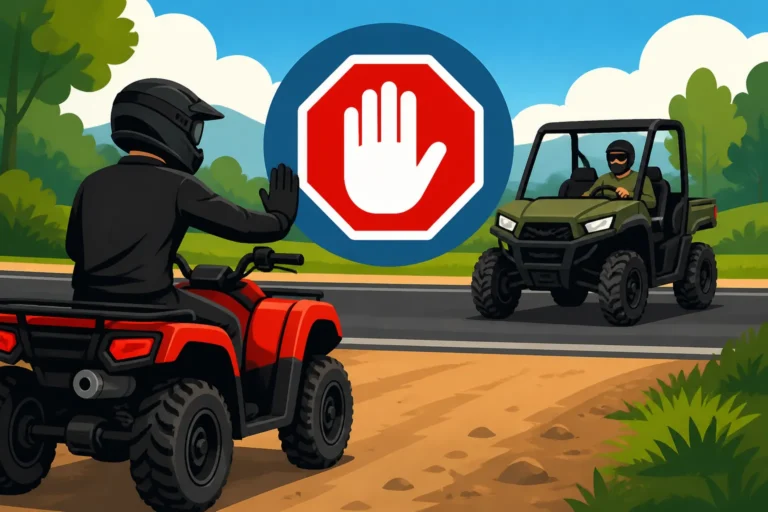
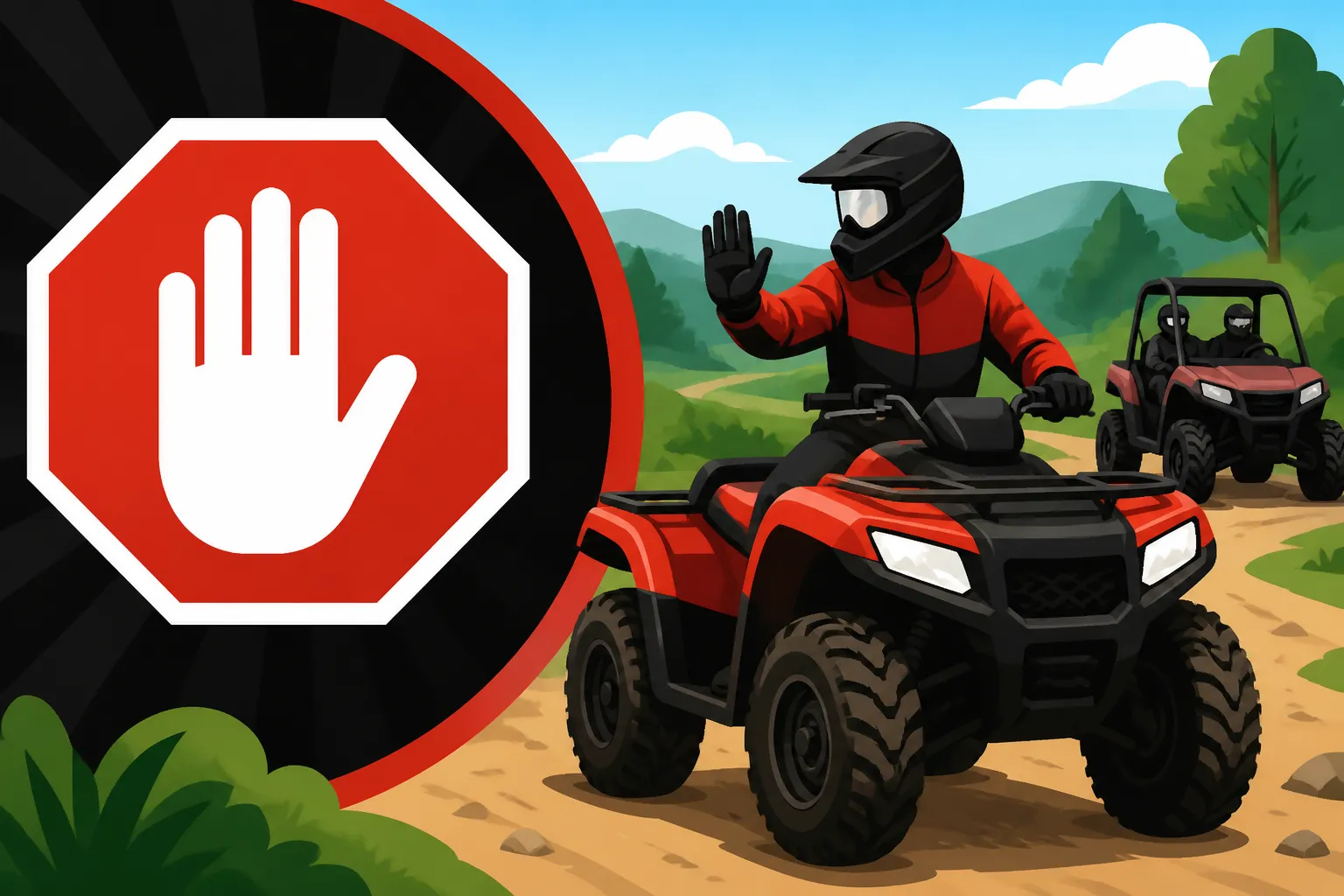
When the statute says "come to a complete stop," it means exactly that—your machine must cease all forward motion. This isn't a "California roll" at a stop sign; it's a full, unequivocal halt. Think of it like this: if a law enforcement officer were watching, they should see your wheels completely motionless for a discernible period of time. Many experts suggest a full three-second count to ensure you've truly stopped, not just slowed to a crawl. This pause isn't just a formality; it gives you the crucial time to thoroughly assess the road conditions, check for oncoming traffic from all directions, and make a sound judgment before proceeding.
Skipping this step, even if you feel you have a clear view, significantly increases your risk. Cars travel much faster than ATVs and UTVs, and their drivers may not anticipate a vehicle entering the roadway from an off-road area. A "complete stop" is your moment to fully shift your focus from the trail to the road, ensuring both your safety and the safety of others.
The Ninety-Degree Crossing Requirement
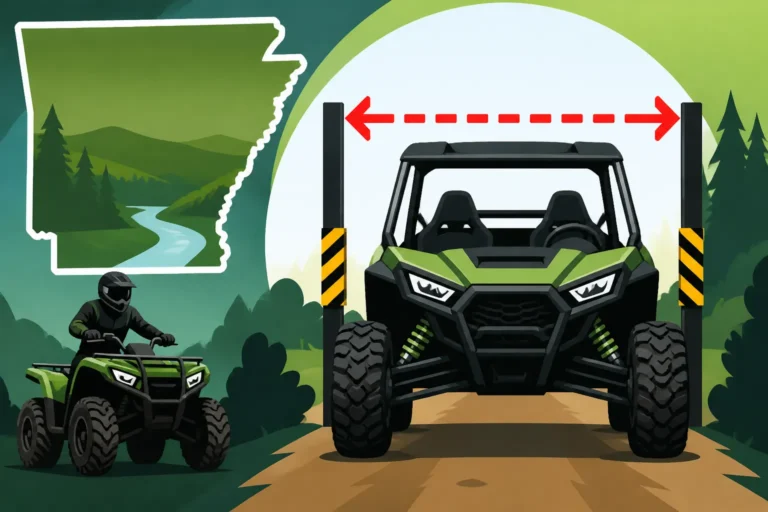
Beyond stopping, Arkansas law also dictates how you must cross. You must make the crossing at approximately a [Arkansas Direct Crossing at Ninety Degrees] to the highway. This means you can't angle down the road for a bit or merge into traffic like a car. You must approach the road, stop, look, and then proceed directly across to the other side, aiming for a point that is as straight across from your entry point as possible. This rule further emphasizes that ATVs and UTVs are not meant to blend with road traffic.
Why ninety degrees? This angle minimizes your time in the roadway and makes your intention clearer to any oncoming drivers. It reduces the chance of you inadvertently driving on the highway, even for a short distance, which is strictly prohibited unless specifically allowed by a municipal ordinance for UTVs. It also provides the best sightlines for you to see traffic coming from both directions. Deviating from this angle can not only be dangerous but can also be construed as illegal operation of your OHV on the public road, leading to citations and potential fines.
Real-World Scenarios and Common Misconceptions
Let's imagine a few scenarios to clarify this rule. You're on a deer lease, riding your ATV along a property line that abuts a paved county road. You need to get to the other side of the road to access another section of the lease.
- Correct Action: You approach the road, stop completely at the edge of the pavement, look left, then right, then left again, ensure the road is clear, and then proceed straight across, maintaining a ninety-degree angle to the road, and immediately exit onto the other side of the property.
- Common Misconception (and Illegal Action): You slow down, glance quickly, see no cars, and then veer diagonally across the road while also trying to ride a short distance down the shoulder to a gate you know is there. This is a clear violation. You are not only failing to come to a complete stop but also operating on the road and not crossing at ninety degrees.
Another scenario: you're riding your UTV with friends, and the trail briefly ends at a state highway before picking up on the other side. You've installed a full windshield, turn signals, and a horn, perhaps from a brand like SuperATV, thinking you're "more road-ready." While these upgrades are fantastic for safety and visibility, they do not automatically grant you permission to operate your UTV on a state highway, even for a short distance or to angle your crossing. The rule for crossing remains the same: complete stop, ninety degrees across.
Practical Tips for Safe and Legal Road Crossings
Navigating road crossings with your ATV or UTV in Arkansas requires more than just knowing the law; it demands a proactive approach to safety and preparation. It's about being a responsible rider and minimizing risks for yourself and others. This preparedness can make all the difference in preventing accidents and avoiding unwanted encounters with law enforcement.
Before You Even Approach the Road
Preparation is key. Before your wheels even touch the pavement, you should already be thinking about how to execute a safe and legal crossing. This often involves planning your route in advance, especially if you know there are public road intersections.
- Scout Your Route: If you're new to an area, or if trail conditions have changed, take a moment to understand where the trails intersect with public roads. Knowing this ahead of time helps you anticipate the need to stop and cross.
- Reduce Speed and Be Aware: As you approach a road, significantly reduce your speed. Your senses should be heightened. Listen for approaching traffic, even if you can't see it yet. Remove headphones or anything that might distract you from the sounds of the road.
- Check for Blind Spots: Some crossings can be tricky with blind curves or hills. If possible, walk ahead to get a clear view of traffic before attempting the crossing, especially if you're in a group. Consider having a spotter.
- Inform Your Group: If you're riding with others, communicate the plan clearly. Everyone in the group needs to understand the "complete stop" and "ninety-degree crossing" rules and execute them properly. One rider's mistake can put the entire group at risk.
Equipping Your Machine for Road Safety
While your ATV or UTV isn't street legal for general road use, certain accessories can significantly enhance your visibility and safety during legal crossings, especially for UTVs which often have more space for such additions. Many riders choose to equip their machines with items that improve their ability to see and be seen.
- Mirrors: Adding side mirrors or a rearview mirror to your UTV is a smart move. They help you quickly check for traffic without having to turn your entire body, which can be awkward on some machines. You can find robust, off-road-specific mirrors designed to withstand trail abuse from brands like SuperATV.
- Lights: Ensure your headlights and taillights are functioning perfectly. For crossings, especially around dusk or dawn, additional LED light bars or auxiliary lights can make you much more visible to drivers. Always use your lights when crossing, even in broad daylight.
- Flags and Reflective Gear: A tall, brightly colored flag (often called a whip flag) attached to the rear of your machine can dramatically increase your visibility, particularly in areas with tall brush or uneven terrain that might obscure your machine from a driver's view. Wearing reflective gear yourself and adding reflective tape to your machine can also help, particularly for those quick glances drivers might make. While Arkansas has no specific helmet law for ATVs, wearing a bright helmet or reflective jacket is always a good safety practice. For more on what to carry, see [Carrying Proof on the Trail].
What to Do If You Get Pulled Over
Despite your best efforts to follow the rules, there might be times when a law enforcement officer pulls you over while you're crossing a road. This can be intimidating, but knowing how to respond calmly and respectfully is crucial.
- Remain Calm and Comply: Immediately and safely pull your machine to the side of the road or off the pavement, if possible. Turn off your engine. Keep your hands visible, ideally on the handlebars or steering wheel.
- Provide Documentation: The officer will likely ask for your identification and proof of ownership or registration for your ATV/UTV. Having your [Arkansas Registration Paperwork Checklist] handy, along with any relevant hunting or fishing licenses if applicable, can make the process smoother. Remember, even though Arkansas ATV registration is a one-time process, you still need to prove it. See [Arkansas ATV Registration: One Time, Never Renewed] for more details.
- Explain Your Actions: Clearly and concisely explain that you were making a legal crossing under one of Arkansas's statutory exceptions, and that you came to a complete stop and crossed at approximately ninety degrees. Do not argue or become defensive. State the facts.
- Understand the Penalties: If you are found to be in violation, there can be penalties, including fines. While this guide focuses on avoiding violations, it's good to be aware that illegal road riding can lead to significant court costs. For details on potential consequences, you might refer to [Arkansas Penalties for Illegal Road Riding].
| Action | Legal / Safe (Do) | Illegal / Unsafe (Don't) |
|---|---|---|
| Approach to Road | Slow significantly, prepare to stop, activate lights. | Maintain speed, assume no traffic, don't look. |
| Stopping | Come to a complete, full stop for 3 seconds. | "Roll" through, slow down but don't stop. |
| Checking Traffic | Look left, right, then left again; listen attentively. | Glance quickly, rely only on visual confirmation. |
| Crossing Angle | Cross at a direct 90-degree angle to the road. | Angle diagonally, ride down the shoulder, or merge. |
| Duration on Road | Minimize time, proceed directly to the other side. | Linger on the pavement, drive a short distance. |
| Machine Equipment | Use mirrors, bright lights, reflective tape/flags. | Operate without adequate visibility aids. |
| Interaction with Police | Remain calm, provide documents, explain actions clearly. | Argue, become defensive, fail to provide requested info. |
Understanding and strictly adhering to the "coming to a complete stop first" rule, along with the ninety-degree crossing requirement, is paramount for any ATV or UTV rider in Arkansas. These rules aren't designed to hinder your enjoyment but to ensure everyone's safety on and around public roadways. By taking these steps seriously, you'll not only protect yourself but also contribute to a positive image for off-highway vehicle enthusiasts in the state. Ride safe, ride smart, and always be aware of your surroundings.
Disclaimer
This article is for general informational purposes only and does not constitute professional advice. Laws, prices and regulations vary by location and change over time. Consult a qualified professional for guidance on your specific situation.