Annual UTV Permits Arkansas Cities Issue
Navigating the labyrinth of rules for riding your UTV on public roads in Arkansas can feel like a game of "Mother, May I?" The state has its own baseline, but then cities throw their hats into the ring with individual ordinances, leaving many riders scratching their heads about what's actually allowed. This guide is here to untangle the confusion surrounding annual UTV permits issued by Arkansas cities, explaining what they mean for you, what you need to do to get one, and how to make sure you're riding legally within city limits.
Understanding Arkansas's UTV Road Rules Baseline
Before we dive into city permits, it's crucial to understand the foundation of UTV (and ATV) road legality in Arkansas. The state has a general stance, and then local municipalities build upon that, sometimes creating a patchwork of regulations.
The Default Ban on Public Roads
Let's face it: for many years, if you wanted to ride your UTV on a public road in Arkansas, you were mostly out of luck. The state's default position has long been that these machines are designed for off-road use, not for sharing lanes with cars and trucks. This blanket prohibition often led to frustration for owners who just wanted to run to the corner store, access a nearby trail, or simply get from one part of town to another without trailering their machine. It felt like a constant uphill battle, with the law making little distinction between a high-performance sport UTV and a utility model used for chores. It's a common lament we hear from riders across the state, and it’s why many have avoided even thinking about taking their side-by-side off private land. You can dive deeper into the overarching state rules in [Arkansas Makes Road Riding Unlawful by Default].
How Act 922 Changed Things for Cities
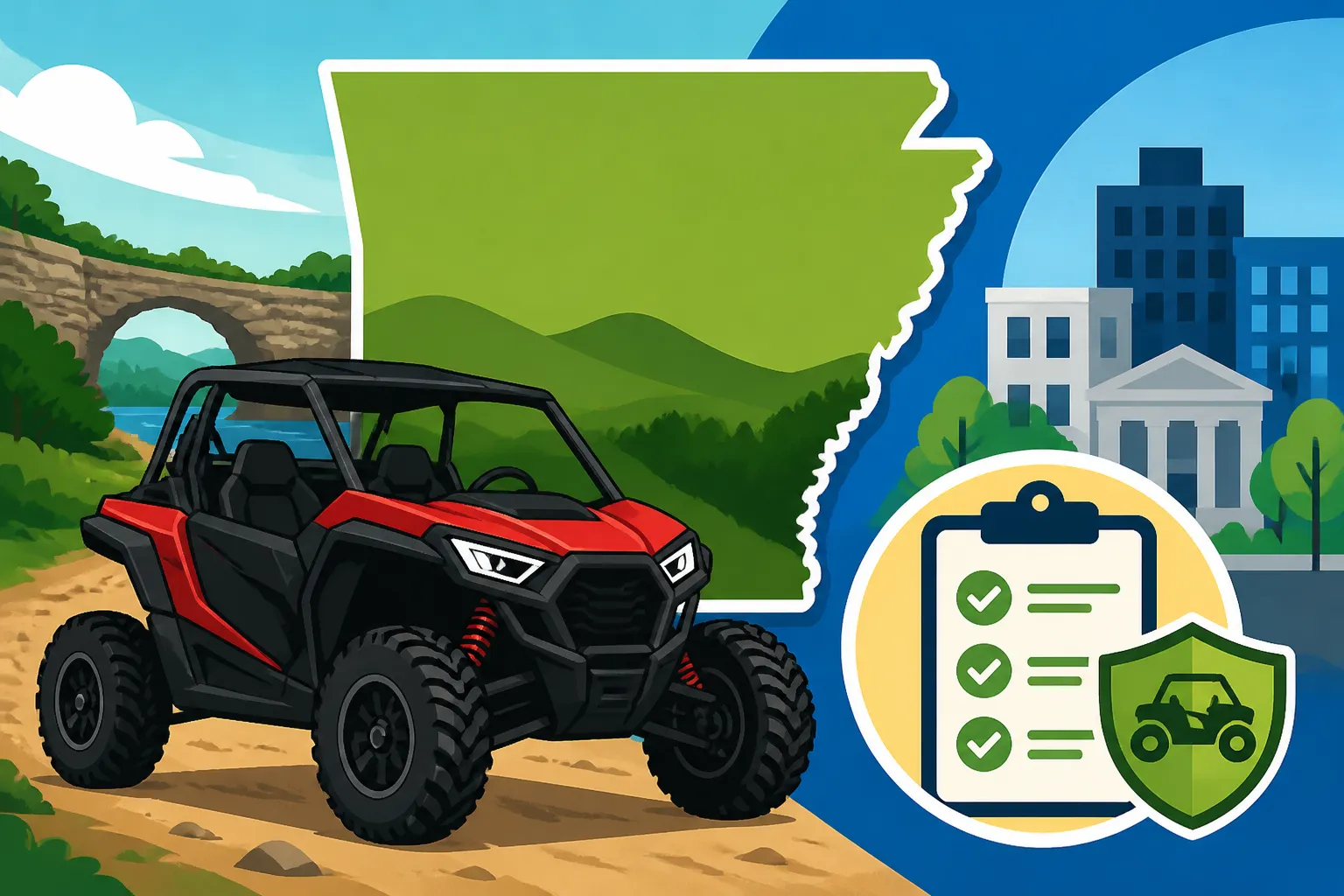
Thankfully, the landscape began to shift. Recognizing the growing popularity and utility of UTVs, and perhaps the economic benefits that could come from allowing their use, the Arkansas legislature passed Act 922. This pivotal piece of legislation didn't make UTVs street legal statewide overnight, but it did something equally important: it gave individual cities and towns the authority to create their own ordinances to allow UTVs on certain public streets within their municipal boundaries. This was a game-changer, putting the power in the hands of local councils to decide what works best for their communities. It meant that while you still couldn't assume your UTV was street legal everywhere, the possibility now existed on a city-by-city basis. This move recognized that what works for a small rural town might not work for a bustling urban center, providing much-needed flexibility. If you're curious about how this legislative change unfolded, consider reading [How Arkansas Cities Got the Choice on UTVs].
The Nuts and Bolts of Annual City UTV Permits
With Act 922, cities gained the ability to issue permits. But what exactly do these permits entail, and what do you need to do to get one? It's not as simple as showing up and asking politely; there are often specific requirements and an annual commitment involved.
What an Arkansas City UTV Permit Allows
When a city issues a UTV permit, it's essentially granting you conditional permission to operate your side-by-side on designated public streets within its limits. This isn't a free-for-all; these permits almost always come with very specific stipulations. Typically, you'll find that UTVs are permitted only on streets with a posted speed limit below a certain threshold, often 35 mph or 45 mph. Larger, multi-lane highways or state routes that pass through a town are almost always off-limits for safety reasons. The idea is to allow local access without creating hazards on high-traffic thoroughfares.
For instance, a permit might allow you to drive your UTV from your home to a local diner, the grocery store, or even a friend's house a few blocks away. It provides convenience for short trips that might otherwise require loading the machine onto a trailer. However, you generally won't be able to use your UTV to commute across town on a major four-lane road. Each city's ordinance will outline these specifics, including whether the permit is valid 24/7 or if there are restrictions on nighttime operation. You can learn more about the associated costs and what these permits generally cover in [Arkansas UTV Street Permits and Annual Fees].
Common Requirements for Obtaining a Permit
So, you've found a city that issues UTV permits. What's next? Getting your hands on one usually involves meeting a set of requirements designed to ensure safety and accountability. These often include:
- Machine Width Limits: Many ordinances specify a maximum width for permitted UTVs, often around 80 inches. This is to ensure the machine can safely share narrow residential streets.
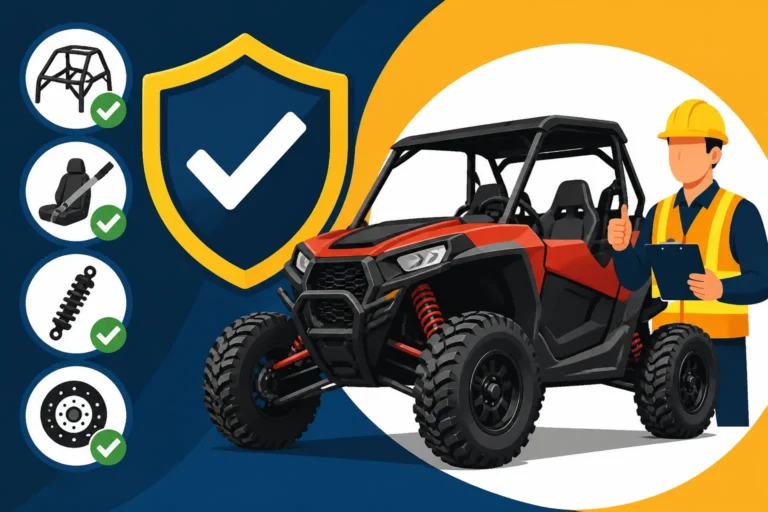
- Factory Safety Standards: Your UTV typically needs to meet original factory safety standards. This ensures it's not a heavily modified or unsafe vehicle.
- Proof of Insurance: Just like with your car, most cities require proof of liability insurance for your UTV. This protects everyone in case of an accident.
- Valid Driver's License: The operator must generally hold a valid driver's license, meaning no minors are typically allowed to drive street-permitted UTVs. Often, a minimum age of 16 is specified.
- Essential Safety Equipment: This is where you might need to add some aftermarket components to meet street-legal standards. Many ordinances require items like:
- Working headlights and taillights
- Brake lights
- Turn signals
- A horn
- A rearview mirror (and often side mirrors)
- A windshield
- Seat belts for all occupants
When it comes to equipping your UTV for street legality, many riders turn to aftermarket suppliers like SuperATV for their street-legal conversion kits or individual components. They offer everything from turn signal kits to mirrors and windshields designed specifically for UTVs, making it easier to meet these diverse local requirements. You'll want to check with your city's clerk or police department for their exact checklist, as these can vary significantly. Don't forget that there's typically a fee involved, which you can investigate further in [Arkansas UTV Permit Cost in a City].
The Annual Renewal Cycle
One crucial aspect of these city UTV permits that often catches riders off guard is their annual nature. Unlike Arkansas's state ATV registration, which is a one-time affair and never expires, city UTV permits are almost universally issued for a specific period, usually one year. This means you'll need to renew your permit annually, paying the associated fee and ensuring your UTV still meets all the city's requirements.
Think of it like renewing your car tags or your hunting license. There's a set expiry date, and it's your responsibility to keep track of it. Many cities will send out renewal notices as a courtesy, but it's not guaranteed, and forgetting to renew could lead to a citation if you're caught riding with an expired permit. This annual process helps cities manage their programs, ensure compliance, and collect fees that might help cover administrative costs or local road maintenance. Always mark your calendar for your permit's expiry date! For more details on this ongoing requirement, check out [Arkansas UTV Street Permit Annual Renewal].
Navigating Specific City Ordinances and Their Nuances
The beauty and the beast of Act 922 is that it allows for local control. This means while the general framework might be similar, the specifics can be wildly different from one town to the next.
Why Every Town Is Different
This cannot be stressed enough: there is no universal "Arkansas city UTV permit." Each municipality that chooses to allow UTVs on its streets will have its own distinct ordinance, tailored to its unique characteristics, traffic patterns, and community priorities. What's perfectly legal in Bono might be strictly forbidden just a few miles down the road in another town. This can be incredibly confusing for riders, especially those who travel between different communities.
For example, one city might allow UTVs on all two-lane streets with a 30 mph speed limit, while a neighboring town might restrict them to only designated "golf cart friendly" areas or have a stricter width limit. Some cities might have specific hours of operation (e.g., no riding after dark), while others are more lenient. It's a prime example of local control in action, but it places the onus squarely on the rider to do their homework. You absolutely cannot assume that because you have a permit in City A, you're legal to ride in City B. It’s essential to be proactive and informed. If you're exploring the possibilities, [Arkansas Towns Can Open Their Streets to UTVs] offers a good starting point for understanding this municipal landscape.
What to Look For in a City Ordinance
Before you even think about applying for a permit or heading out on city streets, you need to understand the specifics of the local ordinance. Here's a checklist of key things to look for:
- Designated Streets: Which streets are open to UTVs? Are four-lane roads or state highways excluded?
- Speed Limits: What's the maximum speed limit on streets where UTVs are permitted?
- Operating Hours: Are there restrictions on riding after dark or during certain times?
- Equipment Requirements: What specific lights, mirrors, horns, turn signals, and other safety gear are mandatory? This is where your SuperATV accessories come in handy for compliance. Ensure your machine has all the necessary components like proper lighting and mirrors.
- Operator Requirements: What's the minimum age, and is a valid driver's license required?
- Passenger Rules: Are there limits on the number of passengers or age restrictions for them?
- Permit Fees and Renewal: How much does the permit cost, and when does it need to be renewed?
- Insurance Minimums: What are the required liability insurance coverages?
Many cities will post their ordinances on their official website, or you can often get a copy from the city clerk's office or the local police department. Don't be shy about asking questions if something isn't clear. For instance, if you're looking at a specific town's rules, [Bono's Street Rules for UTVs in Arkansas] can give you an idea of what a detailed ordinance might cover, and [Arkansas Turn Signal Requirements for Street UTVs] focuses on one important equipment detail.
Displaying Your Permit and Staying Compliant
Once you've successfully obtained your annual UTV permit, the next step is to make sure you're displaying it correctly and carrying the necessary documentation. Most cities will issue a decal or sticker that needs to be affixed to a visible part of your UTV, such as the windshield or a prominent body panel. This allows law enforcement to quickly verify that your machine is permitted for street use.
Beyond the decal, it's always a good practice to carry a copy of your permit, proof of insurance, and your driver's license with you whenever you're operating your UTV on city streets. While the decal is the primary visual cue, having the actual paperwork can clear up any questions a deputy or police officer might have. Getting stopped for a routine check when you're fully compliant is much less stressful if you have all your ducks in a row. Remember, an unexpired permit and proper display are key to avoiding unnecessary citations. Read [Displaying a City UTV Permit Sticker on Your Windshield] for specifics on where that decal usually goes.
Challenges and Considerations for UTV Riders
Even with a city permit in hand, there are still important considerations and limitations that UTV riders in Arkansas need to be aware of. A permit is a privilege, and understanding its boundaries is crucial for safe and legal riding.
Crossing State Highways and Restricted Roads
This is a common point of confusion and a frequent source of citations. Even if you have a valid city UTV permit, it generally does not grant you permission to travel along or cross a state highway, especially those with higher speed limits. Arkansas state law has very specific rules about UTVs interacting with state-maintained roads. While some ordinances might allow a direct, ninety-degree crossing of a state highway after coming to a complete stop, prolonged travel on these roads is almost universally prohibited.
Imagine you're in a town with a permit, and the only way to get from one permitted street to another is by briefly crossing a major state highway. The city permit likely doesn't override state law on that particular road segment. Always check your city's ordinance carefully for any language regarding crossings, and remember that state law often takes precedence on state-maintained routes. The safest approach is to assume state highways are off-limits unless explicitly stated otherwise by both city and state regulations. Understanding [Crossing a Highway on an ATV in Arkansas] is vital for staying on the right side of the law.
When a Permit Doesn't Apply
It's vital to remember that a city UTV permit is exactly that: a city permit. It's valid only within the specific municipal boundaries of the issuing town and under the conditions outlined in its ordinance. It does not magically make your UTV street legal on:
- County roads outside city limits: These are governed by separate, often more restrictive, county and state laws.
- Other cities that don't have an ordinance: As mentioned, each city makes its own rules.
- State highways or federal roads: Generally off-limits as per state law.
- Private land without permission: A city permit has no bearing on private property access.
- Designated off-road trails: While you might use your UTV to get to a trailhead, the rules on the trail itself are separate (e.g., forest permits, private park rules).
Essentially, your permit is a bubble of legality that extends only as far as the city limits and the specific rules it dictates. Step outside that bubble, and you're back to the default state prohibitions. This means planning your routes carefully and knowing exactly where the city's jurisdiction ends.
The Importance of Research Before You Ride
Given the variability of city ordinances, the single most important piece of advice for any Arkansas UTV owner is to do your homework. Never assume. Before you even consider taking your UTV on a public street, contact the city clerk or the local police department in the specific town where you intend to ride. Ask for a copy of their UTV ordinance and review it thoroughly.
It's better to spend a little time researching than to face a hefty fine or, worse, be involved in an accident where your legality is in question. Laws can change, and new ordinances might be passed or old ones amended. Staying current with your local regulations is crucial. Make it a habit to periodically check for updates, especially if you haven't ridden in a particular area for a while. Being a responsible UTV owner in Arkansas means being an informed one. You can start your proactive research by looking at resources like [Reading Your Town's Ordinance Before You Ride] and [Arkansas Equipment for a Street-Permitted Machine].
Disclaimer
This article is for general informational purposes only and does not constitute professional advice. Laws, prices and regulations vary by location and change over time. Consult a qualified professional for guidance on your specific situation.