Open Seven Days a Week Year Round
A seven-day, year-round riding schedule can make planning a Hot Springs, Arkansas, off-road trip much easier, especially when vacation days or weather windows are hard to line up. But “open” does not necessarily mean every trail is rideable or every amenity is available. This guide explains how to plan your visit, check conditions, choose a riding day, and avoid common surprises.
What “Open Seven Days a Week Year Round” Means
The park’s schedule and trail access are not the same thing
Hot Springs Off-Road Park is described as operating seven days a week throughout the year. That gives riders more flexibility than a riding area with a narrow seasonal calendar: you may be able to plan a weekday visit, fit in a ride during a longer trip, or avoid the busiest weekend periods.
Still, an open operating schedule should not be read as a promise that every trail, service, or section of the property will be available on every visit. Rain, trail work, safety concerns, special events, or other operational needs can affect what is accessible. A park may be open while a particular route is closed or temporarily unsuitable.
That distinction matters in Arkansas, where a few days of rain can turn a rocky route into a slick, muddy climb. A trail that looked manageable on a dry afternoon may feel very different after a storm. Before leaving home, confirm the park’s current operating details and ask whether the trails you want to ride are open.
The park’s general network is covered in [Hot Springs Off-Road Park’s Trail Network]. If you are comparing destinations or choosing a place to stay, Minutes From Downtown Hot Springs can help you think through how the park fits into a broader Hot Springs trip.
Year-round riding still means planning for the season
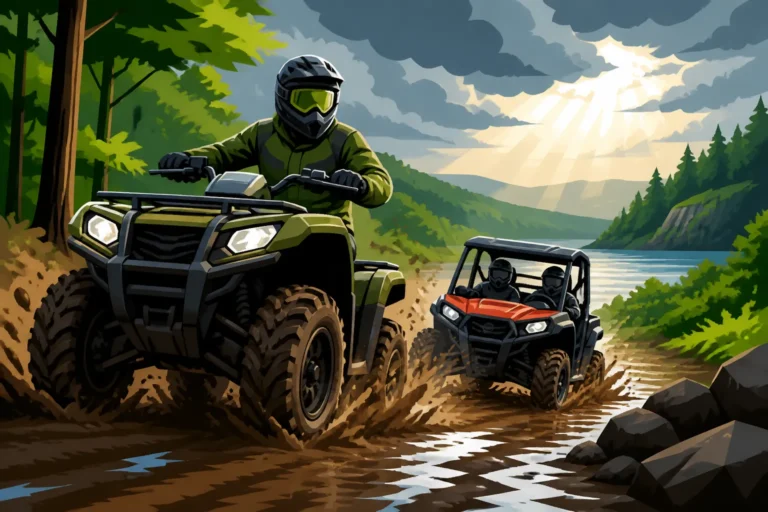
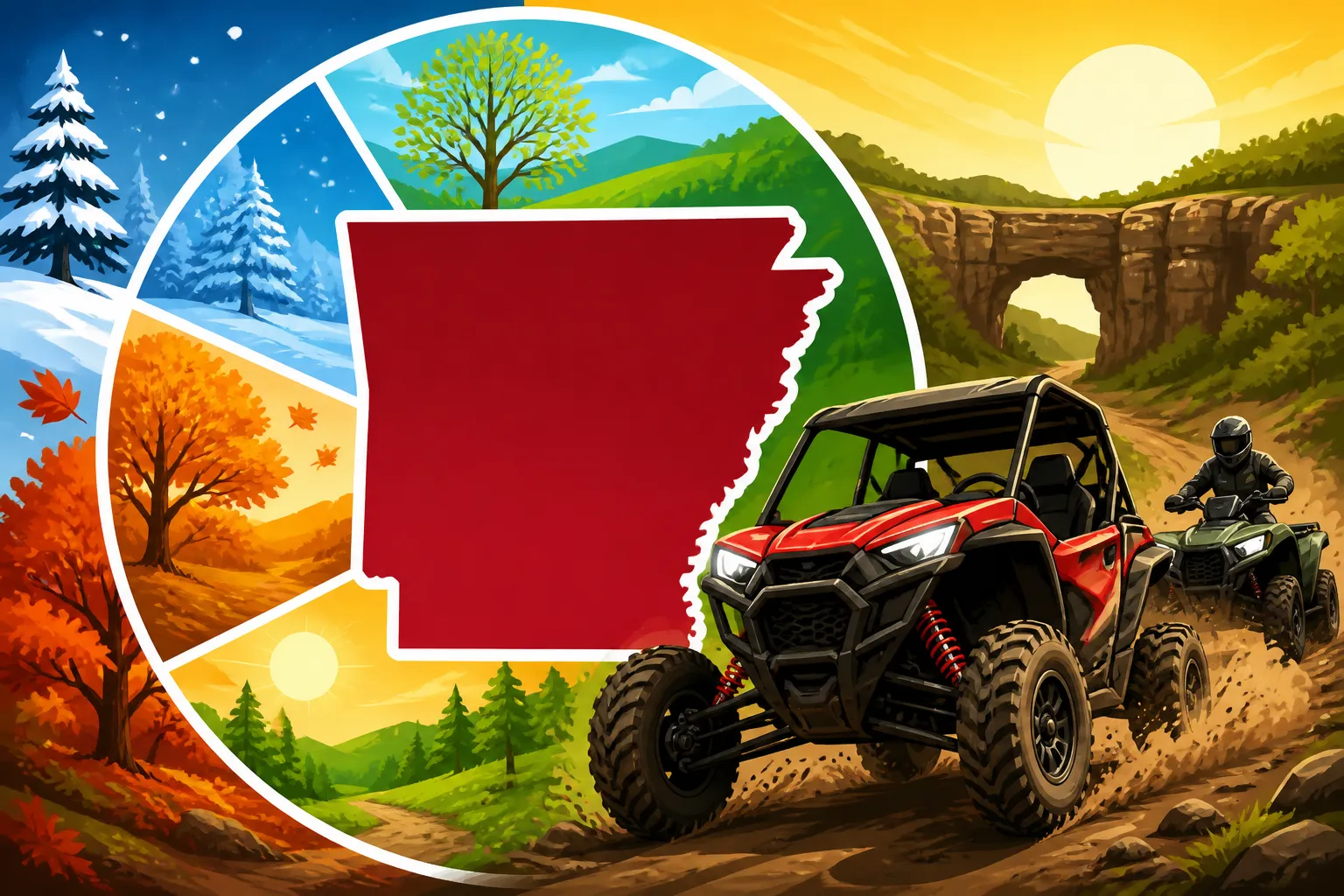
A year-round schedule does not make every season feel alike. Summer heat can turn an easy day into a tiring one, while winter conditions may bring colder mornings, damp ground, and shorter daylight. Spring rain can change traction quickly, and fall can be especially appealing for riders who want cooler temperatures and colorful scenery.
Think about more than the forecast for the day you ride. If it rained overnight, for example, the ground may still be slick even when the sky has cleared. If the weather is hot, plan water and rest breaks before you feel worn out. If the day is short, arrive early enough to check in, unload, and get oriented without rushing.
A useful habit is to make two plans: the ride you hope to do and a more conservative alternative. If a technical route is too wet, you can choose easier terrain, shorten your loop, or call it a day. That flexibility can be the difference between an enjoyable visit and a frustrating one.
What to confirm before you drive
A quick pre-trip check can spare you from towing a machine several hours only to discover that your preferred ride is not practical that day. Confirm the park’s operating status, any temporary closures, admission or access requirements, and which services are available. If you are bringing a trailer, ask about parking and unloading arrangements rather than assuming there will be room at the time you arrive.
| What to check | Why it matters | A practical question to ask |
|---|---|---|
| Operating status | A year-round schedule does not rule out a temporary closure | Is the park open on the day I plan to visit? |
| Trail conditions | Rain and maintenance can affect rideability | Which areas are currently open and suitable for my experience level? |
| Machine restrictions | Width or other requirements may affect access | Are there restrictions for my ATV or side-by-side? |
| Trailer parking | A crowded or limited lot can complicate arrival | Where should I stage and unload my trailer? |
| Available amenities | Services may not all operate the same way every day | Which facilities are available during my visit? |
| Weather plan | Conditions can change between departure and arrival | What should I do if rain or severe weather affects the trails? |
How to Plan a Ride at Hot Springs Off-Road Park
Match the terrain to your group
A good ride starts with an honest conversation about what everyone is comfortable handling. A group with experienced riders may be eager to tackle more demanding terrain, while first-time riders may prefer a slower start and plenty of room to practice. If the group has mixed experience, choose a plan that lets newer riders build confidence without feeling pressured to keep pace.
The same goes for machines. A small ATV, a wider side-by-side, and a multi-passenger machine may not suit the same routes. Check the park’s requirements before making assumptions about width, passenger capacity, or access. If you are renting, discuss your group’s experience and passenger needs with the provider before booking, rather than deciding at the trailhead.
It can help to agree on a few basics before unloading: who leads, who rides at the back, where the group will regroup, and what to do if someone needs to stop. On a winding trail, a group can stretch out faster than expected. A simple plan reduces the chance that a newer rider feels hurried or gets separated.
For a first visit, avoid building the day around the most challenging route you can find online. Start conservatively, see how the terrain feels, and make decisions based on the actual conditions. You can always add a more difficult section if the group is comfortable and the park confirms that route is open.
Check trail information and navigate carefully
A map can help you understand the shape of an area, but it is not a substitute for checking access rules and current conditions. Trail labels, route lines, and user notes may be useful for planning, yet they cannot guarantee that a path is open, passable, or appropriate for your machine. Follow signs and posted instructions at the park, and turn around if a route is beyond your group’s ability.
Some riders use onX Offroad to prepare for a trip, review mapped routes, and keep a sense of where they are while exploring. Before relying on any navigation app, learn how its maps work and save the information you may need in advance. Cell coverage can be unreliable in wooded or hilly areas, so do not assume you will be able to load a map once you are deep into a ride.
Use onX Offroad as a planning aid, not as permission to ride. A route appearing on a digital map does not establish that it is open or authorized for your vehicle. Confirm access with the park and obey closures, gates, and on-the-ground signs. Carrying a paper map or saving key directions offline gives you a backup if your phone battery runs low or service drops.
If you are unfamiliar with the area, ask staff which routes make sense for your group and whether there are recent changes to access. That local check is especially helpful after heavy rain or trail work. For broader preparation, Arkansas Trail Conditions Before You Tow offers useful reminders about checking conditions before starting the drive.
Decide whether a guide or rental fits your trip
Visitors who bring their own machines can plan around their equipment and experience. Renting can make sense if you do not own an ATV or side-by-side, do not want to tow one, or want to try a machine before buying. A guided ride may suit first-timers who would rather have someone familiar with the area lead the way.
Before booking, ask what the rental includes and what remains your responsibility. Confirm the pickup and return process, passenger rules, helmet availability, fuel expectations, and whether you need to arrange trail access separately. Do not assume a machine rental automatically includes every fee, permit, or park requirement.
If you are choosing a guided option, ask how the route is selected and whether the guide adjusts the ride for the group’s ability. A family with young riders may need a different pace than a group of experienced adults. The park’s guided options are discussed in [Hot Springs Off-Road Park Guided Tours], which can be a useful starting point when comparing a self-guided day with a led ride.
Whether you rent or bring your own machine, leave enough time for orientation and basic checks. A rushed departure can lead to missed instructions, forgotten gear, or a machine that is not ready for the terrain.
What to Bring and How to Ride Responsibly
Pack for the ride, not just the drive
A comfortable trip depends on small preparations that are easy to overlook. Wear closed-toe shoes, eye protection, and clothing that can handle dust, mud, and brush. Bring water, snacks, and a way to protect your phone from dirt or moisture. If the forecast is unsettled, pack a light rain layer even if the morning starts clear.
Check your machine before unloading. Look over the tires, brakes, lights, fuel level, and visible fasteners. If you are riding a side-by-side, check belts and safety restraints according to the manufacturer’s instructions. Carry only what you can secure firmly; loose bags or coolers can shift over rough ground.
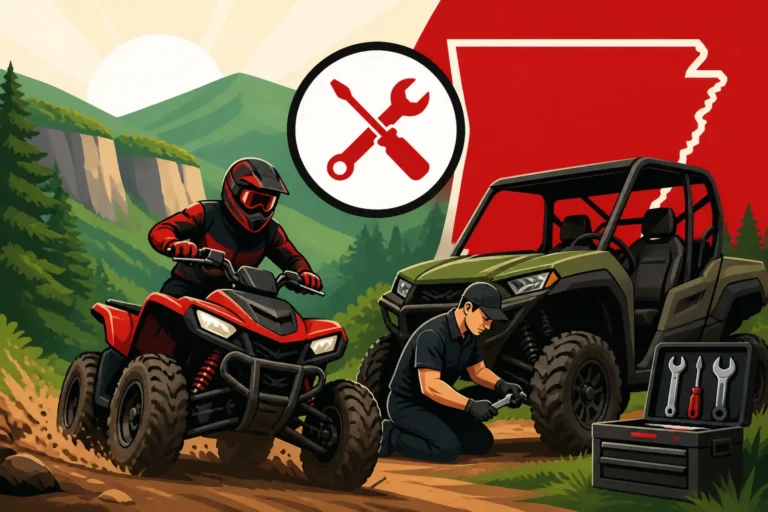
A basic ride kit might include a first-aid kit, a small tool selection suited to your machine, a tire-repair option, a tow strap, and a charged phone. What you carry should reflect the length and difficulty of your planned ride. A short, easy outing near the staging area does not require the same setup as a longer loop that takes your group farther from the entrance.
Plan for cleanup too. Mud and grit can work into controls, radiators, and other parts of a machine. Hot Springs Off-Road Park has a wash station noted in Hot Springs Off-Road Park’s Spray Hose Wash Station. Check what is available during your visit and follow any posted instructions for using it.
Give other riders room and respect closures
Trail etiquette is not just about being polite. It helps prevent collisions, keeps groups from getting separated, and reduces damage to the riding area. Travel at a speed that lets you stop safely, especially around blind turns, crests, and intersections. Leave enough distance between machines to respond if the rider ahead slows suddenly.
When you meet another group, slow down and communicate clearly. Avoid crowding riders who are climbing or maneuvering through a difficult section. If your group needs to stop, move out of the main travel path where it is safe to do so. Keep noise and dust in mind around other visitors and nearby property.
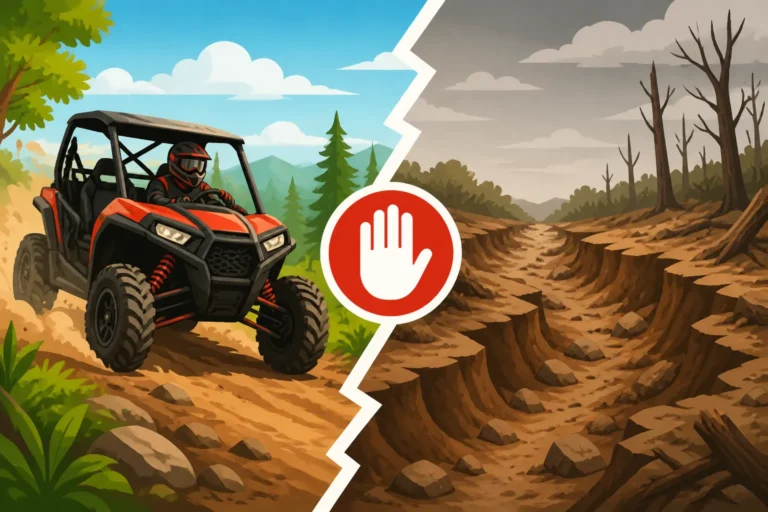
Stay on routes that are open to your machine. Do not bypass a gate, ride around a closure sign, or assume a closed route is harmless because it looks passable. Closures may protect riders from a hazard, give crews time to work, or prevent damage to wet ground. Arkansas Trail Etiquette Locals Expect is a helpful companion for thinking through considerate trail behavior.
If you are visiting a public riding area elsewhere in Arkansas as part of the same trip, check its rules separately. Park policies and public-land requirements are not automatically interchangeable. Arkansas ATV Trails: Where to Ride can help you explore other riding options without assuming that every area has the same access or permit rules.
Make the end of the day part of the plan
Before you start riding, decide when you need to head back. It is easy to lose track of time when the group is having fun, but leaving late can mean unloading in the dark, driving tired, or missing a planned return window for a rental. Keep a time buffer for slower sections, breaks, and unexpected stops.
At the end of the ride, do a quick head count and make sure everyone is back at the staging area. Look over the machine for obvious damage, remove personal gear, and follow the park’s cleanup instructions. If you rented, return the vehicle in the condition required by the agreement and report any issue promptly rather than hoping it will go unnoticed.
A stop at the bathhouse or other available facilities may be useful after a dusty or muddy day, but check what is open and what the facility provides. What the Bathhouse at Hot Springs Off-Road Park Offers can help you understand what to ask about before you count on it as part of your plan.
A Simple Checklist for a Year-Round Visit
The day before
Confirm that the park is operating and ask about current trail conditions. Check the forecast for the park area, not only your home town, and think about how rain, heat, or cold could change your ride. Make sure your machine meets access requirements and that your trailer, tie-downs, and loading equipment are ready.
If you are using onX Offroad, review your planned route before you leave and save useful map information for offline access. Check that your phone is charged, but bring a backup navigation option if you have one. Decide on a conservative alternative route in case weather or trail conditions make your first choice unsuitable.
Before unloading
Read posted rules and ask staff about changes that may affect the day. Confirm where you can park, unload, and stage your machine. Take a few minutes to check tires, brakes, lights, fuel, protective gear, and communication plans.
Make sure everyone understands the group plan. New riders should know who to follow and what to do if they cannot keep up. Passengers should understand how to sit, hold on, and use restraints where equipped. It is better to answer these questions before the engines are running.
Before heading home
Account for every rider and all personal belongings. Inspect your machine for visible damage or problems that should be addressed before the next ride. Clean it where the park permits, and secure it properly for the trip home.
A seven-day, year-round schedule offers flexibility, but the best visit still comes down to preparation. Confirm the details, choose routes that fit your group, and be willing to adjust when conditions change. That approach makes it easier to enjoy Hot Springs Off-Road Park without treating an open calendar as a guarantee that every trail or service will be available exactly as expected.
Disclaimer
This article is for general informational purposes only and does not constitute professional advice. Laws, prices and regulations vary by location and change over time. Consult a qualified professional for guidance on your specific situation.