Memberships Versus Day Passes
A membership can feel like the obvious choice when you ride often, while a day pass seems safer when plans are uncertain. The tricky part is comparing more than the price: access rules, visit frequency, vehicle limits, reservation needs, and whether you’re riding at a private park or on public forest trails all matter. This guide helps you choose without paying for access you won’t use.
What Memberships and Day Passes Usually Include
A day pass is for a planned visit
A day pass generally buys access for a defined visit or riding day. It can be a good fit for a vacation stop, a first visit to a park, or a ride you’ve been organizing with friends for months. You pay for the visit you expect to make rather than committing to return throughout a longer period.
The details vary between riding areas. A pass might apply to a person, a vehicle, or another unit of access, and it may have restrictions on where or when you can ride. Before you buy, confirm how the park defines a day, whether the pass covers everyone in your group, and whether a separate fee or permit applies to each machine. That last point matters when your household brings multiple ATVs or UTVs.
Day passes can also make it easier to test whether a park suits your riding style. Maybe you’re unsure about the terrain, the facilities, or how far the trail network is from where you’re staying. A single visit lets you learn what the experience is actually like before deciding whether you’d come back often enough to consider a membership.
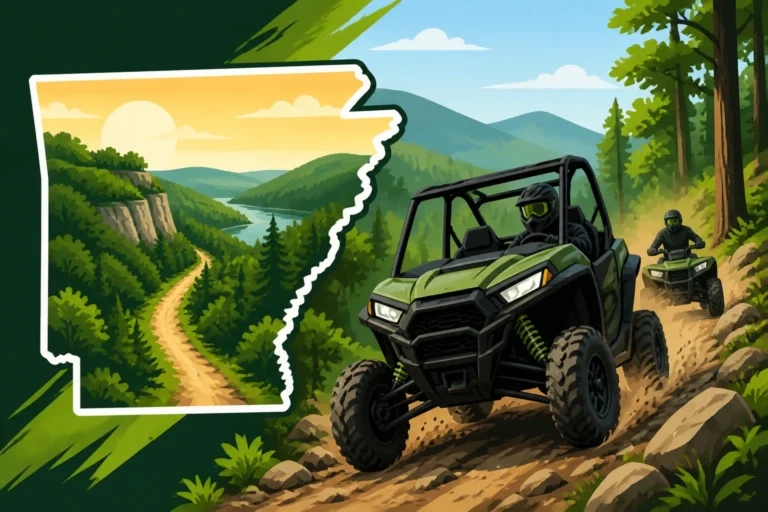
For a broader look at Arkansas riding options, start with Arkansas ATV Trails: Where to Ride. If you’re considering the Hot Springs area, Hot Springs Off-Road Park in Arkansas can help you explore that specific destination. Check the park directly for its current pass terms and access requirements before setting out.
A membership rewards repeat visits
A membership usually makes the most sense for riders who expect to return regularly and whose plans fit the membership’s conditions. The value isn’t simply “membership costs less than two day passes” or another quick comparison. You need to compare the full cost of the membership with what you would otherwise spend on the visits you are realistically likely to make.
For example, imagine a family that lives within a comfortable drive of a park. They ride several weekends a year, know the trails, and are happy to return even when they don’t have a special trip planned. Membership may be worth considering if its access period and terms cover the visits they expect. A rider who is passing through Arkansas once, by contrast, may get little practical value from paying for access beyond that visit.
Memberships can have conditions that change the math. They may apply only to named members, have limits on guest access, or require a separate pass for each vehicle. They may also have rules about dates, reservations, or what happens if the park closes temporarily. Read the terms closely, especially if your riding group changes from trip to trip.
A membership is not automatically a shortcut around planning. Even regular visitors should check park updates before driving out, since operating schedules, trail access, or event arrangements can change. Arkansas Private Off-Road Parks Compared is a useful next step if you’re weighing more than one private riding area.
Memberships and day passes are not the same as forest permits
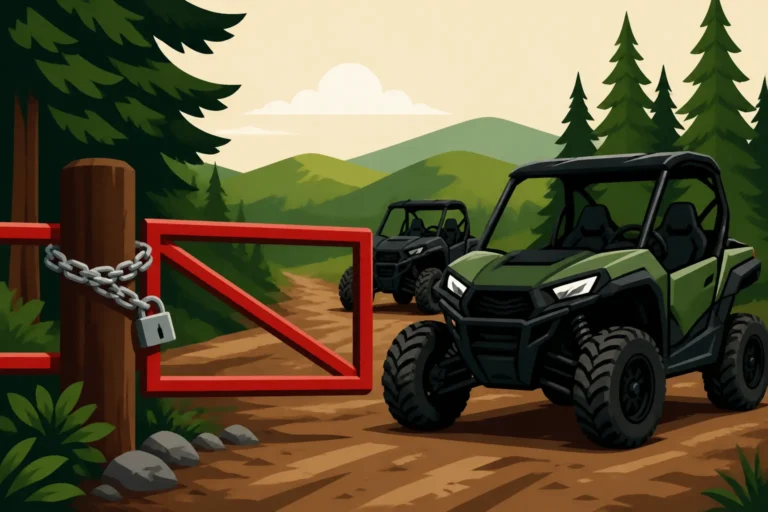
One common source of confusion is treating a private park pass and a public-land riding permit as interchangeable. They are not. Access to a private riding park is governed by that park’s own requirements. Riding on designated public forest trails may involve a separate permit system, and permission for one location does not automatically cover another.
This distinction can matter on a weekend that combines destinations. Suppose you spend Saturday at a private park near Hot Springs and plan to ride a national forest trail on Sunday. Your Saturday park access should not be assumed to cover the Sunday ride. Check the rules for each location separately, including the forest, the specific trail system, and the machine you plan to bring.
The same caution applies to digital maps. A trail appearing in a navigation app does not prove that it is currently open or that your vehicle is permitted there. onX Offroad can help riders plan routes and orient themselves, but use it as a navigation aid rather than proof of access. Confirm current closures, permit requirements, and vehicle restrictions with the land manager or park before riding.
Compare the Options Before You Pay
Make a realistic visit-frequency estimate
Start with the visits you’re likely to make, not the visits you hope to make. A busy calendar can make frequent riding sound easy, but family plans, work, weather, vehicle repairs, and travel distance all affect whether you actually get out. Look at the previous season or year and count the trips you completed, then decide whether the coming season is likely to be meaningfully different.
Separate definite trips from possibilities. A visit already planned with a group is more reliable than “we might go a few times if the weather is nice.” If a membership only looks worthwhile when every tentative trip happens, a day pass may be the more comfortable choice. The goal is to avoid paying for an optimistic version of your schedule.
Also account for who will ride. A membership that works for one person may not be the best arrangement for a family or a group with changing participants. Ask whether access is tied to the member, the vehicle, or the whole party. If the membership does not cover a spouse, child, or friend, include those additional costs in your comparison.
| Question to compare | Day pass may fit better when | Membership may fit better when |
|---|---|---|
| How often will you ride? | You expect one visit or only occasional trips | You expect repeated visits during the access period |
| Are your plans settled? | Dates are uncertain or weather could change the trip | You are confident you will return |
| Who is in your group? | Participants change from one outing to another | The same riders and machines return regularly |
| Are you trying the park for the first time? | You want to test the experience before committing | You already know the park suits your group |
| What access rules apply? | A single visit meets your needs | The membership terms match your schedule and group |
| Where are you riding? | You need access to one specific private park visit | You’ll repeatedly use the same eligible destination |
Use the table as a starting point, then check the actual terms. A pass that sounds less expensive may not cover the same people, vehicles, or access period as the alternative. Compare like with like.
Calculate the break-even point using the park’s terms
You don’t need a complicated spreadsheet, but a small calculation can prevent a frustrating purchase. First, find the membership cost and the cost of the day-pass arrangement that would apply to your group. Then compare the totals for the number of visits you truly expect. Include any separate machine, guest, or reservation charges that apply.
The basic question is: at what number of visits would the membership cost less than buying separate day passes? Once you find that point, ask whether you are likely to reach it. If the break-even point is near the maximum number of trips you could possibly fit into your schedule, the membership carries more risk than the arithmetic first suggests.
For example, consider a rider who expects to go twice, but only one trip is firmly planned. If the membership is attractive only if both trips happen, the day-pass option may be worth the extra cost for flexibility. On the other hand, a local rider who has already made several visits and has another season of regular outings planned may have a stronger case for membership.
Keep the comparison focused on usable access, not just the headline amount. If you cannot go during certain dates, if a membership does not include everyone in your group, or if you need a separate pass for each vehicle, its practical value may be lower than it first appears. Check the provider’s own page for current amounts and terms.
Weigh flexibility against commitment
A day pass gives you a smaller commitment, which is helpful when weather, work, or travel plans are unpredictable. Arkansas riding conditions can change quickly. A rainy forecast may affect your willingness to travel, while heavy rain can affect trail conditions and access. Before leaving home, check the riding area’s notices and ask whether a change in conditions affects operations or your booking.
A membership can make repeat outings feel easier to plan, but it may not be the right choice if you feel pressure to “get your money’s worth” by riding when you would rather stay home. A paid-for pass does not make a difficult drive, muddy conditions, or a packed weekend more enjoyable. Be honest about what kind of rider you are: someone who likes spontaneous day trips, or someone who schedules regular outings well in advance.
If reservations are part of the process, check how they interact with each option. A membership may not guarantee a spot on a busy day, and a day pass may still require advance planning. Arkansas Riding Areas That Take Reservations can help you think through that part of your trip. For park-specific policies, review Arkansas Private Park Waivers and Rules before you arrive, especially if you’re bringing children or first-time riders.
Choose Based on Your Trip and Riding Habits
Pick a day pass for a first visit or a one-off trip
A day pass is often the practical choice for a first visit because it lets you experience the park before making a longer commitment. You can find out whether the terrain fits your comfort level, whether your machine feels appropriate for the routes available, and whether the facilities meet your group’s needs. A park that looks perfect online may feel very different once you arrive with a trailer and a mixed-experience group.
It is also a sensible option for visitors traveling from another part of Arkansas or from out of state. If you are staying near Hot Springs for a short trip, for example, a single park visit may be all you have time for. In that situation, paying for access you may not use later is unlikely to add much value. Confirm the park’s rules before you travel, and leave room in the schedule for loading, check-in, and getting everyone oriented.
A day pass can also suit a group with different schedules. One friend may join for the first trip and another for the next. With a membership, guest rules can matter a great deal; with day passes, each person’s access may be easier to arrange, depending on the park’s policy. Don’t assume either option works a particular way—ask what the pass covers and how it is assigned.
If you are renting rather than bringing your own ATV or UTV, ask the rental business and riding area how access is handled. A rental agreement and a park pass are separate questions, even when a package or arrangement includes both. Arkansas Rentals and Trail Permits is relevant if you need to sort out which requirements apply to the machine and which apply to the riding area.
Consider a membership when repeat trips are realistic
A membership becomes more compelling when you have a track record of returning to the same destination. Local riders near Hot Springs, for instance, may find that a familiar park fits the kind of riding they enjoy and is close enough for repeat outings. Riders who already know their preferred trails can spend less time deciding where to go and more time planning the practical details of the trip.
The value can also come from convenience rather than savings alone. If membership makes it easier to plan several visits, or suits a group that returns together, that may be worthwhile. But confirm what “membership” means in practice: whether it is individual or vehicle-based, how long it lasts, what it includes, and whether you still need to pay separately for guests or particular activities.
Before signing up, consider whether you can use the access during the time it is valid. Someone who works weekends, lives several hours away, or has only one vehicle in running condition may not make enough trips. A good rule of thumb is to base the decision on your likely schedule and budget, not on the feeling that you might ride more after buying a membership.
If you ride in multiple areas, membership at one private park may not replace the need for other access arrangements. Compare the destination with your overall riding plans. Arkansas National Forest Riding Explained can help distinguish forest riding from access at a private park, while Arkansas Trail Conditions Before You Tow is a useful reminder to check conditions before committing to the drive.
Ask the right questions before buying
A short call or review of the park’s official information can answer the questions that make or break the decision. Ask whether the pass is per person, per machine, or per group; what dates it covers; whether reservations are needed; and how guests are handled. If you have a side-by-side, ask about width limits and any machine-specific restrictions rather than assuming every vehicle can use every trail.
Also clarify the cancellation and closure policy. Find out what happens if severe weather, a temporary closure, or an unexpected schedule change interrupts your plans. If you’re visiting from a distance, ask whether the park posts trail or operating updates somewhere riders can check before departure. Keep in mind that access policies and conditions can differ between private parks and public lands.
For navigation, a tool such as onX Offroad may help you plan and follow routes, especially when you’re unfamiliar with an area. Before relying on any map, check that the roads or trails shown are open to your type of vehicle and that you have the required permission or permit. The map supports planning; the land manager’s rules determine access. If your group rides more than one area, verify each destination separately rather than assuming one pass or map layer covers the whole weekend.
Finally, take a moment to review the park’s expectations for safety, noise, trail etiquette, and riding boundaries. Respecting posted restrictions protects access for everyone and makes the outing less stressful for the staff and other riders. Arkansas Trail Etiquette Locals Expect offers a useful reminder that good trail behavior matters just as much as choosing the right pass.
Plan for the Whole Cost of the Ride
Include the expenses around the pass
The pass is only one part of the trip budget. Add fuel for the tow vehicle, fuel for the ATV or UTV, food, lodging, and any rental or equipment costs. If you travel with a trailer, consider the extra fuel and time required to reach the riding area. A membership that saves money at the gate may not change the overall cost much if you make a long trip solely to use it.
Group size can also alter the comparison. A couple traveling together may find one arrangement convenient, while a family with several machines may need to account for multiple access charges. Ask whether the park charges by rider, machine, or another basis before comparing totals. Small differences in how access is counted can make a major difference when you bring more than one vehicle.
Include the cost of flexibility, too. If a day pass allows you to wait until the forecast looks acceptable, that may be valuable. If a membership encourages you to take more short trips because you live nearby, it may offer convenience that is hard to capture in a simple price comparison. The best option is the one that suits how you actually ride, not the one that looks best in isolation.
Avoid common access mistakes
The most common mistake is assuming a pass covers more than it does. A pass for one person may not cover the whole group. A park membership may not include rentals. A private park pass may not authorize riding on nearby public land. Get those details in writing or from the park’s official information before you leave.
Another mistake is choosing based on a trail map alone. onX Offroad can help you visualize routes and prepare for an unfamiliar area, but it is not a substitute for checking current access rules. Use it alongside official park or land-manager updates, especially when closures, seasonal access, or vehicle-width limits could affect your route.
Finally, don’t wait until you’re at the entrance to learn the basics. Check whether you need to purchase online or can pay on arrival, whether the park accepts your preferred payment method, and whether the group needs to complete waivers. If you’re deciding between a membership and a day pass, confirm the relevant policy before buying rather than relying on assumptions from another park.
The simplest decision is usually this: choose a day pass when the trip is occasional, uncertain, or your first visit; consider a membership when repeat use is genuinely likely and the terms fit your group. Then verify the actual access rules for the place you plan to ride. A little checking ahead can save you from paying for the wrong pass—or towing all the way there only to discover you needed something else.
Disclaimer
This article is for general informational purposes only and does not constitute professional advice. Laws, prices and regulations vary by location and change over time. Consult a qualified professional for guidance on your specific situation.