Arkansas Motorcycle Helmet Rule Is Not an ATV Rule
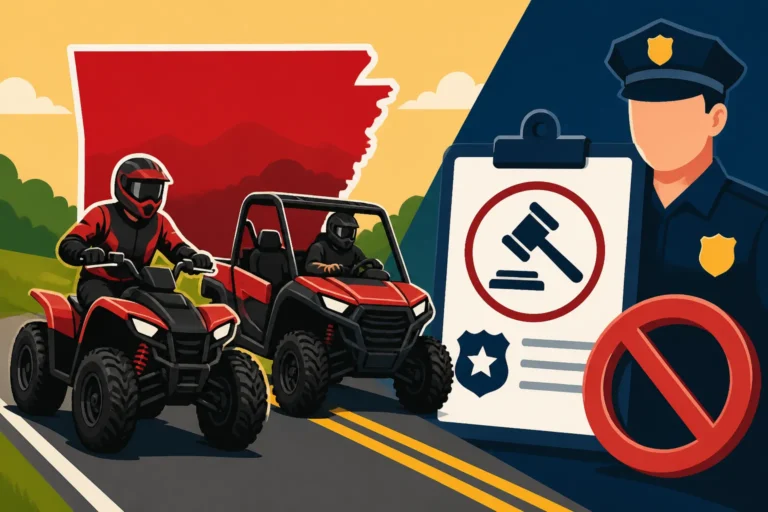
It's incredibly common to hear whispers and outright claims about helmet laws when you're talking about riding ATVs and UTVs in Arkansas. Many folks, especially if they're new to the off-road scene or just moving here, get completely turned around by what they've heard about motorcycles. This guide is here to clear up that confusion once and for all, specifically addressing the difference between motorcycle helmet rules and what actually applies to your ATV or side-by-side here in the Natural State.
The Core Distinction: ATVs Versus Motorcycles in Arkansas Law
One of the biggest sources of confusion stems from how the state of Arkansas legally defines an All-Terrain Vehicle (ATV) compared to a motorcycle. While both are motorized, two-wheeled (in the case of most motorcycles) or multi-wheeled (for ATVs/UTVs) vehicles, the distinctions in their legal classifications have a profound impact on everything from registration to, yes, helmet requirements. Understanding these fundamental differences is the first step to truly grasping Arkansas's unique approach to off-road recreation.
Defining an ATV and a Motorcycle Legally
In Arkansas, the legal definitions are very specific. An "all-terrain vehicle" is generally defined as a motorized vehicle designed for off-highway use, having three or more wheels, a seat designed to be straddled by the operator, and handlebars for steering. Think of your traditional quad or even a six-wheeled machine that fits this description. Side-by-sides (UTVs) often fall under similar "off-road vehicle" or "recreational off-highway vehicle" definitions, sharing many of the same rules as ATVs, particularly regarding off-road use.
A "motorcycle," on the other hand, is defined as a motor vehicle having a seat or saddle for the use of the rider and designed to travel on not more than three wheels in contact with the ground. This distinction is crucial because the state's traffic laws and equipment requirements, including helmet mandates, are largely written with these specific vehicle types in mind. It's not just a casual difference in terminology; it's the very foundation of how Arkansas law treats your ride. This specific legal language is what sets the stage for distinct regulatory paths.
Why the Law Treats Them Differently
The primary reason Arkansas law differentiates between ATVs and motorcycles lies in their intended use and operational environments. Motorcycles are primarily designed for on-highway travel, sharing public roads with cars, trucks, and other conventional traffic. Because of this shared environment and the inherent risks of higher speeds and mixed traffic, motorcycle riders are subject to stricter regulations concerning safety gear, licensing, and vehicle equipment. The state wants to protect riders in an environment where collisions can be far more severe and involve much heavier vehicles.
ATVs and UTVs, by contrast, are fundamentally designed for off-highway use. While some cities are exploring [Arkansas UTV Street Legal Rules by Town], the general rule for the vast majority of the state is that these machines are not built or intended for public road use. Their knobby tires, suspension, and steering characteristics are optimized for dirt, mud, and uneven terrain, not smooth asphalt. The risks associated with off-road riding, while significant, are different from those encountered on a highway. This difference in operational context is why the state legislature crafted separate statutes for each vehicle type, leading to distinct rules regarding equipment like helmets.
Arkansas Has No Mandatory ATV Helmet Law (But There Are Nuances!)
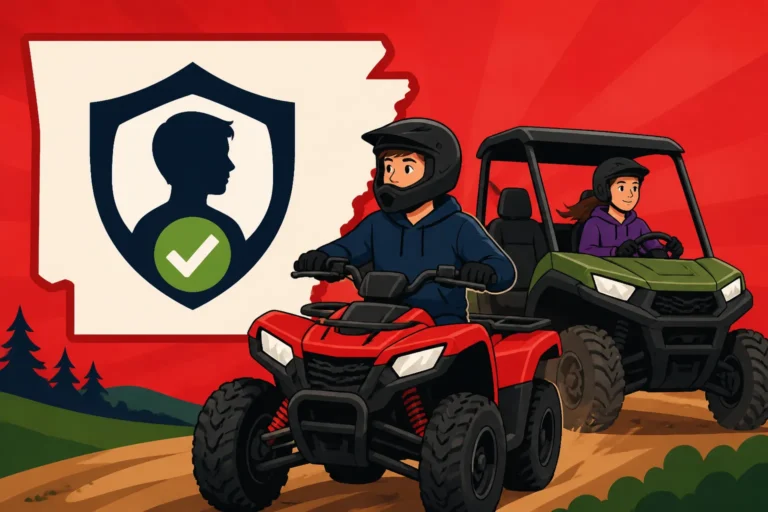
This is often the biggest revelation for many riders, and it’s important to state it plainly: generally speaking, Arkansas does not have a statewide mandatory helmet law for ATV or UTV riders. You won't be pulled over on a designated trail by a forest ranger solely for not wearing a helmet if you're an adult rider. This fact sets Arkansas apart from some other states where helmet mandates are blanket requirements for all off-road vehicle operators. However, "no mandatory law" doesn't mean "no rules at all," especially when it comes to younger riders or specific riding areas. It's really about understanding the exceptions and the strong recommendations.
No Statewide Helmet Mandate for ATV Riders
As mentioned, if you're an adult riding your ATV or UTV on private land, at an off-road park, or on a forest service trail where ATVs are permitted, you are generally not legally required by state law to wear a helmet. This is a key difference that often surprises people who assume all motorized recreational vehicles have the same safety equipment requirements. The statute that defines and regulates ATVs in Arkansas simply doesn't include a provision for mandatory helmet use for adult operators.
However, this lack of a mandate should never be mistaken for an endorsement of riding without one. Any seasoned rider, or anyone who has witnessed an off-road accident, will tell you that a helmet is the absolute best piece of safety equipment you can invest in. While the law might not force you to wear one, common sense and a strong desire to protect yourself certainly should. This is a point where personal responsibility and safety consciousness really come into play.
Age-Related Rules for Young ATV Riders
Here’s where the nuances come in, especially when it comes to our younger riders. While there's no blanket helmet law, Arkansas does have specific rules regarding the operation of ATVs by minors. These rules are designed to protect children and young teens who might not have the experience or judgment to handle the risks of ATV riding. You can dive deeper into these specifics with guides like [Arkansas ATV Age Rules for Young Riders] and [Do Kids Need Helmets on an ATV in Arkansas?].
Generally, children under a certain age are required to be supervised by an adult when operating an ATV, and in many cases, helmets are strongly recommended or even explicitly required as part of those supervision guidelines. Even if the state statute isn't a direct "wear a helmet or get a ticket" for a 12-year-old, the spirit of the law and the liability considerations for supervising adults often lead to the same conclusion. It's about ensuring a safe environment for our youth, which naturally includes head protection. Furthermore, educational programs and safety courses, like those discussed in [Arkansas Safety Courses That Are Voluntary], consistently advocate for helmet use for all riders, regardless of age.
Private Parks and Specific Rules
Even if state law doesn't mandate a helmet, many private off-road parks, riding areas, or organized events in Arkansas will have their own rules. These private entities often require helmets for all riders, regardless of age, as a condition of entry. This is a liability issue for them and a crucial safety measure. When you pay to enter a park, you're agreeing to their terms and conditions, which almost always include signing waivers (see [Arkansas Private Park Waiver Forms]) and adhering to their safety protocols.
Think of places like Hot Springs Off-Road Park or Byrd's Adventure Center. They want to ensure a safe experience for everyone on their property, and helmets are a non-negotiable part of that. Ignoring these rules could not only get you ejected from the park but could also invalidate any liability waivers you've signed, putting you in a precarious position if an accident were to occur. Always check the specific rules of any private riding area before you go, and assume helmets will be required.
The Motorcycle Helmet Law in Arkansas: What It Says
The confusion about helmet laws for ATVs almost always stems from people hearing about Arkansas's motorcycle helmet law and mistakenly applying it to off-road vehicles. It’s important to understand what the motorcycle law actually states so you can see why it doesn't cross over to ATVs. The legislature has been very clear in distinguishing between these vehicle types, and their respective safety requirements reflect that.
Who Must Wear a Helmet on a Motorcycle
Arkansas has a specific helmet law for motorcycles. This law typically states that any person operating or riding upon a motorcycle who is under the age of 21 must wear a protective helmet. This means if you're 20 years old and riding a street-legal motorcycle in Arkansas, you absolutely must have a helmet on. Once you turn 21, the law shifts, and wearing a helmet becomes a matter of personal choice, though of course, still highly recommended for safety.
The law applies not just to the operator but also to any passengers on the motorcycle. This is a standard traffic safety measure designed to protect younger, potentially less experienced riders, as well as anyone who might be more vulnerable in a crash. These regulations are enforced by local police and the Arkansas State Police on public roads and highways, where motorcycles operate at higher speeds and in mixed traffic conditions.
Why This Doesn't Extend to ATVs
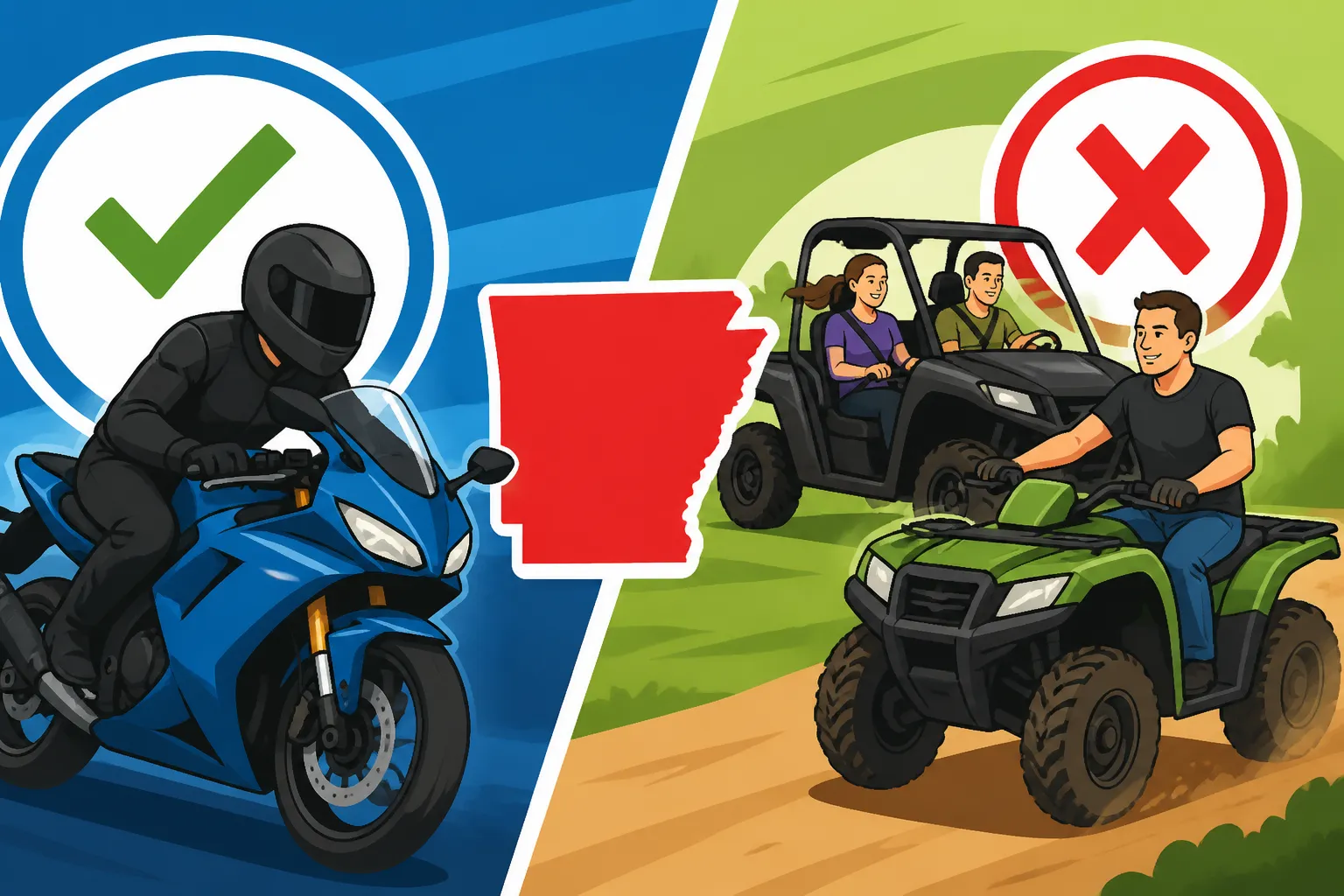
The critical point here is that the Arkansas statutes defining "motorcycle" and "all-terrain vehicle" are distinct, and the helmet law explicitly refers to "motorcycles." An ATV, by legal definition, is not a motorcycle in Arkansas. Therefore, the helmet mandate for motorcycle riders under 21 simply does not apply to ATV or UTV operators, regardless of their age.
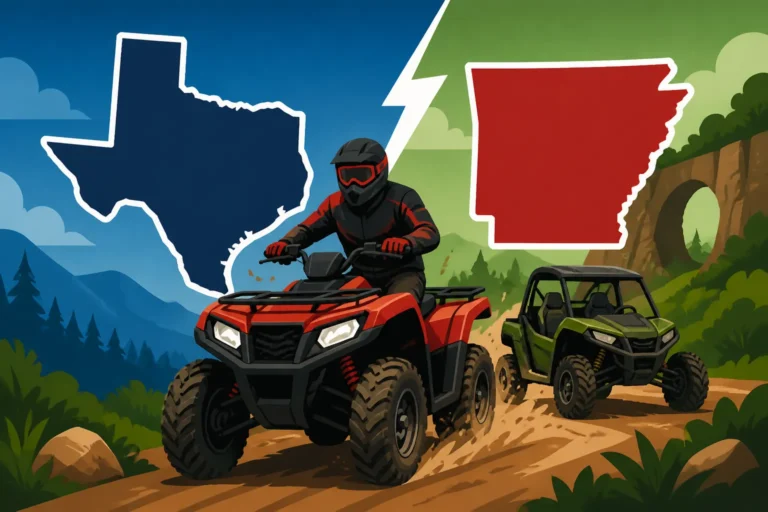
This is a common misconception, and it's easy to see why people get it wrong. Both are motor-driven, two-wheeled (or multi-wheeled) recreational vehicles that can be used for thrills. But from a legislative standpoint, they are separate entities with separate regulatory frameworks. This is why you'll find resources specifically stating [Arkansas Has No ATV Helmet Law]. The legislative intent was to regulate highway vehicles differently from off-highway vehicles, and the helmet law is a prime example of that distinction.
Should You Still Wear a Helmet on Your ATV in Arkansas? (A Resounding YES!)
Even though Arkansas state law doesn't mandate a helmet for adult ATV riders, the answer to whether you should wear one is an emphatic yes. The absence of a legal requirement does not negate the undeniable safety benefits. Riding an ATV or UTV comes with inherent risks, and protecting your head is the single most important thing you can do to prevent serious injury or fatality in the event of an accident.
The Unspoken Dangers of Off-Road Riding
Off-road riding exposes you to a unique set of challenges and hazards that can lead to falls, rollovers, and collisions. You're navigating uneven terrain, often at speed, dealing with obstacles like rocks, roots, unexpected dips, and sharp turns. The ground can be unforgiving, and the machine itself, while incredibly fun, can be unpredictable, especially if you hit something you didn't see or misjudge a maneuver. Even a low-speed tip-over on a rocky trail can result in a severe head injury if you're unprotected.
We've all seen videos or heard stories of riders who thought they were "just cruising" and ended up with a concussion or worse. The thrill of the ride can sometimes make us forget the very real dangers. A helmet acts as a crucial barrier, absorbing impact forces and distributing them away from your skull, dramatically reducing the risk of traumatic brain injury. It’s an investment in your future health and well-being. Thinking about those [Arkansas Rules for Riding After Dark] also brings to mind reduced visibility, adding another layer of risk where head protection is even more critical.
Choosing the Right Helmet for ATV Use
Selecting the right helmet for ATV or UTV riding is just as important as deciding to wear one. A bicycle helmet or a flimsy construction hard hat simply won't cut it. You need a helmet specifically designed for off-road use, which typically means a dirt bike or motocross style helmet.
Here's what to look for:
- DOT Certification: Ensure the helmet meets Department of Transportation (DOT) safety standards. This is a minimum requirement for impact protection. Higher safety ratings like Snell or ECE offer even greater protection.
- Full-Face Coverage: A full-face helmet with a robust chin bar is essential. It protects your jaw and face, which are highly vulnerable in a crash.
- Visor/Peak: The extended visor on off-road helmets helps shield your eyes from sun glare, roost from other riders, and branches. It also provides a place for your goggles to sit securely.
- Ventilation: Off-road riding is physical, and good ventilation keeps you cool and prevents fogging, which is crucial for comfort and visibility.
- Proper Fit: A helmet that doesn't fit correctly is a dangerous helmet. It should be snug but not uncomfortably tight, with no side-to-side or front-to-back movement once the chin strap is fastened. Go to a reputable dealer and try on several sizes and brands to find the perfect fit for your head shape.
Many riders also pair their helmets with additional accessories to enhance safety and comfort. For example, some may opt for a neck brace system that integrates with their helmet to reduce the risk of neck and spinal injuries, a product category where innovators like SuperATV often offer solutions or compatible gear to improve the overall riding experience.
Beyond Helmets: Other Essential ATV Safety Gear in Arkansas
While helmets take center stage in the safety discussion, they are just one piece of the puzzle. A truly safe riding experience on Arkansas's trails and terrains requires a comprehensive approach to protective gear. Just like you wouldn't drive a car without seatbelts, you shouldn't tackle a challenging trail without gearing up properly. Every piece of equipment plays a vital role in protecting your body from the impacts, abrasions, and elements you'll encounter.
Eye Protection and Goggles
This is another non-negotiable item, even if not strictly mandated by state law for adult ATV riders. Off-road riding kicks up a tremendous amount of dust, mud, and debris. Branches can whip back, insects can fly into your face, and sunlight can glare at just the wrong angle. Without proper eye protection, your vision can be compromised, leading to accidents, or you could suffer serious eye injuries.
Goggles designed for off-road use are ideal. They fit snugly around your eyes, often over a helmet, creating a seal that prevents debris from entering. Look for features like anti-fog coatings, tear-offs (for muddy conditions), and interchangeable lenses for different light conditions. Sunglasses, while better than nothing, often don't offer the same level of protection or stay securely in place during aggressive riding. Remember, [Eye Protection Worth Wearing] is about more than just comfort; it's about maintaining critical visibility and preventing permanent damage.
Long Sleeves, Pants, and Boots
It might seem counterintuitive to wear long clothing in warm Arkansas weather, but it's vital for protection. A simple tip-over or a slide out can cause nasty scrapes, cuts, and burns from exhaust pipes or hot engine components.
- Long-sleeved shirts and long pants: Opt for durable materials that can resist abrasion. Riding-specific jerseys and pants offer padding, ventilation, and articulation for comfort and movement. Jeans are better than shorts, but dedicated riding pants are even better.
- Over-the-ankle boots: Your feet and ankles are highly susceptible to injury from impacts, crushing forces, or simply getting caught under the machine. Sturdy, over-the-ankle boots (motocross boots are ideal) provide support and protection against these hazards. Sneakers offer virtually no protection in an off-road environment.
Think of it as a second skin that can take the abuse so your actual skin doesn't have to. Even in the heat, the discomfort of long clothing is far preferable to the pain and recovery time of a severe rash or burn.
Additional Protective Gear
Depending on your riding style and the terrain, you might consider even more protection:
- Gloves: Protect your hands from blisters, abrasions, and impacts from branches or rocks. They also improve grip on the handlebars.
- Chest Protector/Roost Guard: These protect your chest and back from flying debris (roost) from other riders, as well as impacts in a fall. They can range from lightweight roost guards to more substantial full-body armor.
- Knee/Elbow Pads: Especially for more aggressive riding, knee and elbow pads can prevent serious joint injuries. They can be worn under or over your clothing.
- Neck Brace: As mentioned earlier, a neck brace works with your helmet to limit excessive head and neck movement during a crash, potentially preventing severe spinal injuries. Many reputable brands, including companies known for providing quality accessories like SuperATV, offer a range of protective gear solutions that can significantly enhance rider safety.
By combining a proper helmet with these additional layers of protection, you significantly reduce your risk of injury, allowing you to focus on enjoying the incredible trails and scenery Arkansas has to offer.
Local Ordinances and Their Impact on ATV Safety
While state law might be clear on certain aspects, it’s crucial to remember that local jurisdictions in Arkansas can enact their own ordinances, especially concerning the use of ATVs and UTVs within city limits or on county roads. These local rules can add layers of regulation that riders need to be aware of, and sometimes, they might even touch upon safety equipment, directly or indirectly.
How Cities Can Regulate UTVs on Streets (and What They Can't Do for ATVs)
Arkansas state law generally prohibits the operation of ATVs and UTVs on public streets and highways. However, in recent years, the legislature has provided a pathway for cities and towns to pass their own ordinances allowing UTVs (but typically not ATVs) on certain municipal roads. This is a big deal for communities that want to embrace the recreational and practical uses of side-by-sides. We've explored this in more detail in articles like [Arkansas UTV Street Legal Rules by Town].
When a city passes such an ordinance, they often include specific requirements for the UTVs to be considered "street legal" within their boundaries. These requirements can include things like turn signals, rearview mirrors, windshields, and sometimes, specific insurance. While these ordinances generally don't mandate helmets for adult UTV drivers, they do focus on equipping the machine itself for safer road operation. It's important to note that these local ordinances usually do not extend to traditional ATVs (quads) due to their design and the state's classification. So, while your UTV might gain street access in Bono or Cotter, your quad likely won't, and the helmet rules (or lack thereof) remain distinct.
Park Rules and Waivers
As discussed earlier, private off-road parks, organized events, and even some public land management agencies (like the Forest Service in certain areas) can set their own rules that supersede the general state law regarding helmets. These rules are often a condition of entry or participation. When you visit a place like Wolf Pen Gap, for example, while the Ouachita National Forest might not have a blanket helmet mandate for adults on its trails, the specific area might have recommendations or rules for certain activities.
More commonly, private parks explicitly require helmets for all riders. When you sign a waiver to enter a private park, you're not just waiving liability; you're also agreeing to abide by their safety rules, which frequently include mandatory helmet use. Ignoring these rules can lead to being asked to leave, and in the case of an accident, could potentially complicate any legal or insurance claims. This is why it's always critical to read and understand [Arkansas Private Park Waiver Forms] before you ride. Even in situations where there's no state law, common sense and the rules of the property owner often create an de facto helmet requirement for your own safety.
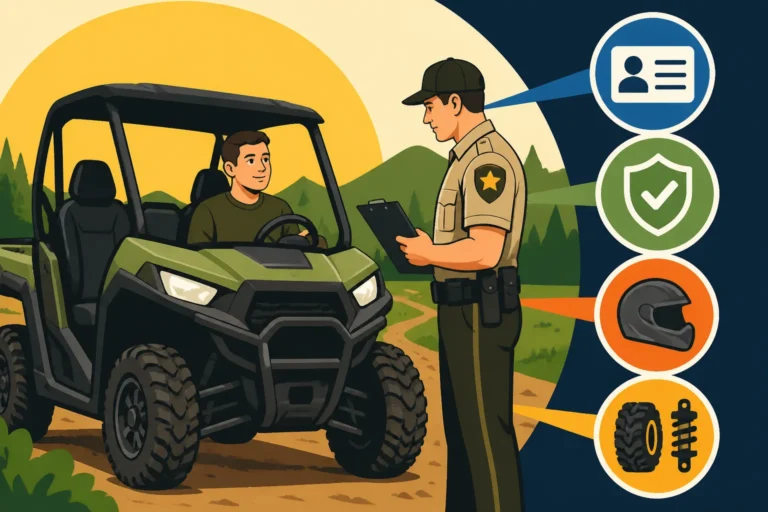
Remember, a forest ranger or a game warden, while checking for things like your [What a Forest Ranger Checks on an Arkansas Trail] permit or registration, might also educate you on best safety practices, including wearing a helmet, even if they can't ticket you for it in most cases.
Comparing Helmet Requirements: Motorcycles vs. ATVs in Arkansas
To help clarify the differences between motorcycle and ATV helmet requirements in Arkansas, here’s a quick overview. This table highlights the key distinctions and reinforces why mixing up the rules can lead to confusion.
| Feature | Arkansas Motorcycles (On-Road) | Arkansas ATVs/UTVs (Off-Road) |
|---|---|---|
| State Law Helmet Mandate | Yes, for riders/passengers under 21 years old. | No statewide mandatory helmet law for adult riders. |
| Age-Related Requirements | Under 21 requires a helmet. Over 21 is optional by state law. | No direct state law mandate based on age, but often required by parks/supervision rules for minors. |
| Primary Operating Area | Public roads, highways, streets. | Off-highway trails, private land, designated riding areas. |
| Local Ordinances | Not typically affected by local helmet ordinances; state law prevails. | Some private parks/events require helmets for all. City UTV street ordinances focus on vehicle equipment, not usually helmets. |
| Legal Basis | Specific motor vehicle and traffic laws. | Separate off-road vehicle statutes. |
| Recommendation | Highly recommended for all ages. | Strongly, unequivocally recommended for all riders, all ages. |
Navigating the Road Ahead: Making Informed Decisions
Understanding the letter of the law in Arkansas regarding ATV and UTV helmet use is important, but true safety goes beyond mere compliance. It's about making informed, responsible decisions that prioritize your well-being and the safety of those you ride with. While the state might not always reach into your gear bag to pull out a helmet, the trails and the unexpected can be unforgiving.
Ultimately, whether you're a seasoned rider or just starting out, taking an [Arkansas Safety Courses That Are Voluntary] will always be a smart move, and wearing appropriate safety gear, including a high-quality helmet, eye protection, and sturdy clothing, should be as automatic as starting your engine. Ride safe, Arkansas!
Disclaimer
This article is for general informational purposes only and does not constitute professional advice. Laws, prices and regulations vary by location and change over time. Consult a qualified professional for guidance on your specific situation.