Arkansas Rules for a Child Passenger
Navigating the world of ATVs and UTVs in Arkansas can be a thrilling adventure, but when it comes to bringing the kids along, many parents find themselves in a maze of questions. It's totally natural to want to share the joy of the trails with your little ones, but you're also probably wondering about the legalities, the age limits, and, most importantly, how to keep them safe. We've all been there, trying to decipher what's allowed and what's truly smart for our families. This guide is here to cut through the confusion and give you a clear, empathetic look at Arkansas's rules and best practices for having child passengers on your ATV or UTV, so you can ride with confidence and peace of mind.
Understanding Arkansas's ATV and UTV Passenger Laws
One of the biggest sources of confusion for riders, especially parents, is understanding the difference between a single-rider ATV and a multi-passenger UTV when it comes to carrying kids. It's not always as straightforward as it seems, and the law has specific ideas about what's permissible, often based on the machine's design and intended use.
The Basic Rule: One Rider Per Machine (Often)
For traditional ATVs, the general rule of thumb—and often what manufacturers strongly recommend—is one rider per machine. These machines are typically designed with a single seat, footpegs, and controls meant for one person. When you see folks trying to squeeze two people onto a single ATV seat, especially a child, it immediately raises red flags for safety and legality. The center of gravity can be thrown off, the child might not be able to hold on securely, and the operator's control can be severely compromised. It's not just a suggestion; for many ATVs, it's a fundamental design principle focused on rider control and safety. If your ATV isn't explicitly designed for a passenger, putting a child on it can expose you to unnecessary risks and potential legal issues.
This is a common frustration because many parents bought an ATV thinking it was a family fun machine, only to find out that it's primarily a solo adventure. The distinction becomes clearer when you look at UTVs, or side-by-sides. These machines are built with multiple bucket seats or bench seats, seatbelts, and roll cages, explicitly designed to carry passengers safely. So, while it might seem like a small difference in name, the design intent between an ATV and a UTV is crucial when considering child passengers.
The Statute's Stance on Passengers, Especially Children
Arkansas law, specifically Arkansas Code § 27-21-106 concerning off-highway vehicles (OHVs), does address passengers, though sometimes indirectly. While it may not lay out a precise age minimum for a passenger on a multi-passenger UTV, it heavily implies that the vehicle must be designed for more than one person. For single-rider ATVs, carrying a passenger, particularly a child, goes against the design and often against the spirit of safety regulations. The statute's focus is largely on the safe operation and appropriate use of these vehicles.
One key aspect often discussed is the seating arrangement. For a child to be a passenger, they need to be able to sit securely, reach the footrests (if applicable), and hold on properly. On many ATVs, this simply isn't possible for a small child. The law prioritizes the stability and control of the operator, and adding an improperly secured or positioned passenger can severely jeopardize both. This is where the legal and safety lines often converge. It's less about a specific age for a passenger on a UTV, and more about ensuring the child can safely occupy a designated seat and is secured, typically with a seatbelt provided by the manufacturer. While the law might not explicitly say "no child passengers under X age on a UTV," it relies on the machine's design for safety. This means that if you're taking your family out, you need to be very clear on whether your machine is actually built to accommodate them.
Age Minimums and Supervision Requirements for Young Riders
Beyond just the passenger question, Arkansas has specific rules about who can operate an ATV or UTV, and these often intertwine with how and when children can be involved in off-road riding, whether as a driver or a passenger. It’s a puzzle that many parents grapple with, trying to balance their kids’ enthusiasm with legal compliance and, most importantly, their safety.
Minimum Age for Operating and Carrying Passengers
Arkansas law sets a minimum age for operating an ATV or UTV. For example, individuals under the age of 12 are generally not permitted to operate an ATV on public lands, and there are specific requirements for older minors as well. You can find detailed information on these guidelines in resources like [Arkansas ATV Age Rules for Young Riders]. This is a crucial distinction: the rules for operating a machine are much clearer than those for being a passenger, especially for UTVs.
The implication here is significant: if a child is too young to legally drive an ATV, it complicates the idea of them taking on the responsibility of carrying another passenger, regardless of the passenger's age. On a UTV designed for multiple passengers, an adult who is legally allowed to operate the machine can typically carry children, provided they are properly seated and secured. However, a minor operator (even one old enough to drive) might still face restrictions on carrying passengers, especially younger children, depending on the specific wording of local ordinances or park rules. It’s always the adult operator’s responsibility to know the rules, not just for themselves but for everyone on board.
Direct Adult Supervision: What It Means in Practice
For riders under a certain age, Arkansas law often mandates "direct adult supervision." This concept is particularly relevant when a child is operating their own smaller machine or riding as a passenger where specific age rules might apply. [Arkansas Supervision Rules Under Twelve] and [Adult Supervision Rules for Arkansas Riders Under 12] provide insights into these requirements. In practice, "direct supervision" usually means that an adult, typically 18 years or older, must be physically present, within sight and sound of the child, and able to intervene immediately if necessary.
This isn't just about having an adult somewhere on the property. It means actively watching and being engaged in the child's riding experience. For a child passenger in a UTV, this means the adult operator is always directly supervising, ensuring the child remains seated, secured, and safe. For younger kids riding their own small ATV, it implies the supervising adult should also be on a machine, riding alongside or close enough to react instantly to any dangers or rule violations. It's a hands-on approach to safety that demands constant vigilance, ensuring that kids, whether operating or riding as passengers, are always under the watchful eye of a responsible adult. This level of supervision helps mitigate risks and ensures that children are learning safe riding habits from the start.
Safety Considerations Beyond the Law for Child Passengers
While understanding the letter of the law is vital, ensuring the safety of child passengers goes far beyond mere compliance. As parents, we intuitively know that just because something isn't explicitly forbidden doesn't automatically make it safe. When it comes to off-road riding with kids, proactive safety measures and smart choices are paramount, turning a potentially risky outing into a genuinely fun and secure family adventure.
Ensuring a Secure and Appropriate Seating Position
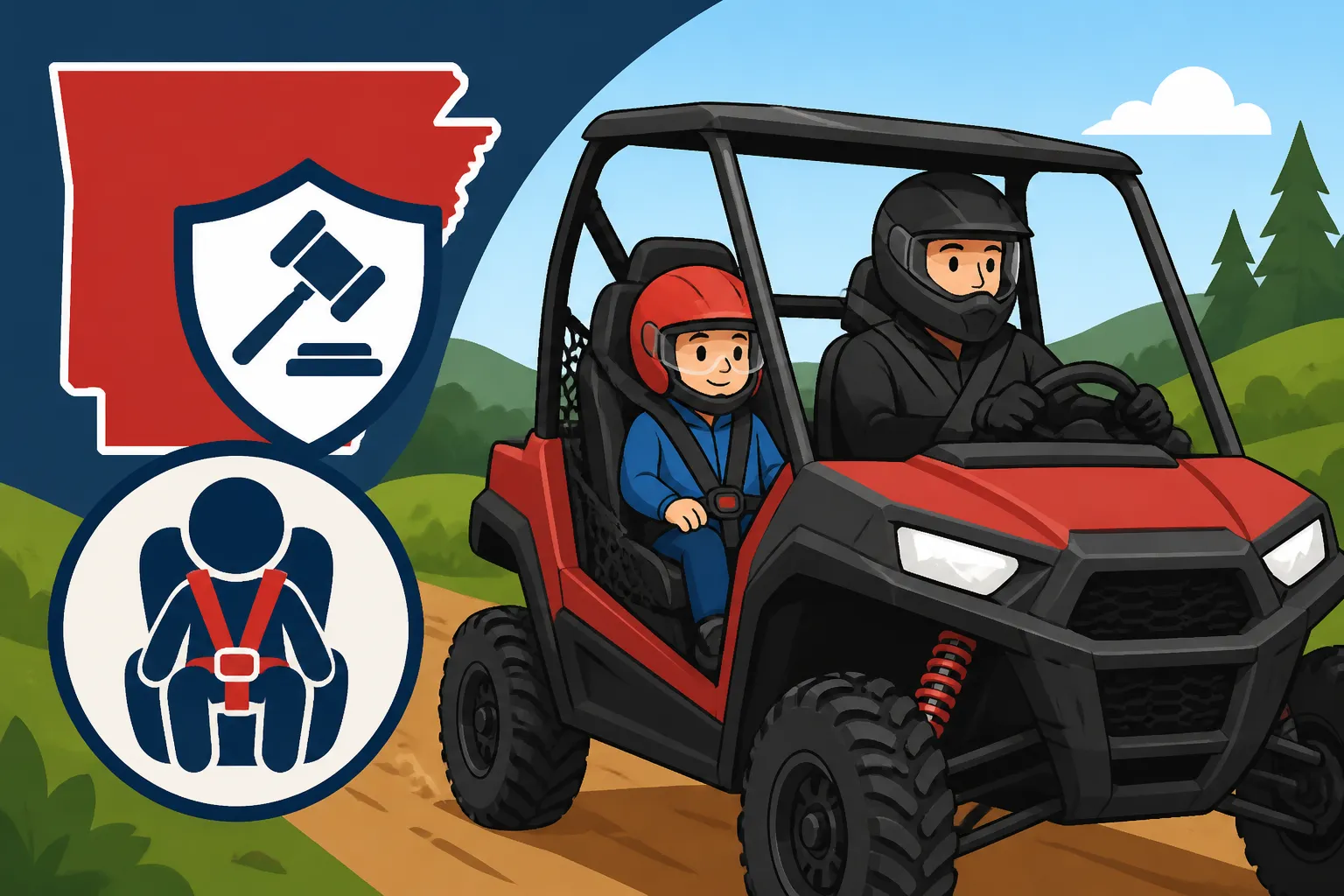
This is perhaps the most critical safety factor for a child passenger. On a UTV, it means using a seat that was designed for a passenger, ideally with a properly functioning seatbelt. Children must be able to sit upright, with their back against the seat and their feet able to reach the floor or designated footrests. They shouldn't be slumped, dangling, or forced into an awkward position. If a child is too small for the vehicle's seatbelt to secure them properly, you might need a booster seat or another age-appropriate restraint system if the UTV manufacturer explicitly allows and provides guidelines for such devices. Always consult your vehicle's owner's manual for recommendations on child restraints.
Never, under any circumstances, should a child be sitting on an adult's lap or standing up in a moving UTV. They could easily be thrown from the vehicle during bumps, turns, or sudden stops. Even with SuperATV or similar aftermarket accessories designed to enhance comfort or storage, the primary seating for children must be factory-designed and safely secured. The goal is to ensure that in the event of a sudden jolt, swerve, or even a rollover, the child remains protected within the vehicle's safety cage and restraint system. Anything less is simply not worth the risk, no matter how short the ride.
Essential Safety Gear for Young Riders
Even if Arkansas law, such as [Arkansas Has No ATV Helmet Law] for adults, doesn't specifically mandate helmets for ATV or UTV passengers, every child should wear a properly fitted, DOT-approved helmet. This is non-negotiable for their head protection. A helmet should fit snugly, without wobbling, and the chin strap should be securely fastened. Beyond helmets, eye protection (goggles or a helmet with a face shield) is crucial to shield against dust, debris, and insects.
Additionally, encourage children to wear long-sleeved shirts, long pants, and sturdy over-the-ankle boots. This apparel acts as a barrier against scrapes, branches, and minor impacts, offering a layer of protection that street clothes simply can't provide. Gloves are also a good idea to protect hands and improve grip. Just as you'd gear up for your own safety, equipping your child with appropriate protective gear significantly reduces the risk of injury and reinforces the importance of safety every time you hit the trails. It's about instilling good habits from a young age and showing them that safety isn't just about following rules, but about making smart choices.
Communicating Safety and Trail Rules to Children
Before you even start the engine, take the time to talk to your child passengers about the rules of the ride. Explain clearly that they must keep their hands and feet inside the vehicle at all times, remain seated, and hold onto any designated grab handles. Teach them about the potential for bumps and sudden movements, and how to brace themselves. Using simple, clear language that they understand is key. For example, "When we go over bumps, I need you to hold on tight, like a superhero!"
Choosing appropriate trails is also vital. Avoid extremely rough, steep, or fast trails when you have young passengers. Opt for smoother, well-maintained paths where the ride will be less jarring and more predictable. Take frequent breaks, especially on longer rides, to allow children to stretch, rehydrate, and simply take a breather. This also provides an opportunity to reinforce safety rules and check in with them. By setting expectations, choosing suitable environments, and communicating openly, you create a safer and more enjoyable experience for everyone. It helps them understand their role in their own safety and builds trust in you as the driver.
Special Scenarios and Common Questions
The world of ATV and UTV riding isn't black and white, and when you add child passengers into the mix, various scenarios can pop up that leave even experienced riders scratching their heads. From where you're riding to who owns the land, these details can change the rules of the game.
Riding on Private Land Versus Public Trails
One of the most frequently asked questions revolves around whether the rules for child passengers differ between private land and public trails. Generally, state laws and park regulations are enforced more strictly on public lands, such as national forests, state parks, and designated OHV areas. These public spaces often have clear guidelines regarding age restrictions for operators, passenger limits, and required safety gear. Riding on a public trail with a child passenger in a manner contrary to these rules could lead to a citation or being asked to leave. It's crucial to check the specific regulations for any public trail system you plan to visit, as they can sometimes vary.
On private land, such as your own property or land you have explicit permission to ride on, the enforcement of state-level ATV/UTV passenger laws might be less direct. However, this doesn't mean safety rules go out the window, nor does it absolve you of responsibility. While you might have more leeway regarding adult supervision or specific passenger age limits, the fundamental principles of safe operation and ensuring your child's well-being still apply. You're still liable for any accidents or injuries that occur due to negligence. Even if the law is silent, common sense and parental responsibility should dictate your actions. It's always best to follow the safest practices, regardless of where you're riding, especially when children are involved. Remember, even if you're riding on your own [Arkansas Rules on a Parent's Property], those safety guidelines are still paramount.
The Role of Private Off-Road Parks and Their Rules
Private off-road parks, like those found around Arkansas, often have their own comprehensive set of rules that can be even stricter than state laws. They are designed to manage risk and ensure the safety of all patrons. It’s very common for these parks to have explicit age minimums for both ATV operators and UTV passengers. For instance, a park might state that all UTV passengers must be at least 4 or 5 years old, or that they must be able to sit with their feet flat on the floorboards. They might also require a parent or guardian to sign specific waivers, which is discussed in more detail in resources like [Arkansas Private Park Waivers and Rules].
Before you even load up the family for a day at a private park, it is absolutely essential to visit their website or call ahead to understand their specific policies. Showing up and being turned away with an excited child can be incredibly disappointing. These parks often have staff on-site who monitor compliance with their rules, and they won't hesitate to enforce them for safety reasons. Their rules are usually born out of experience with various incidents, so it's wise to respect them. They often cover everything from helmet requirements for all riders and passengers to specific restrictions on certain types of machines or trails based on skill level.
What About Side-by-Sides Designed for Multiple Seats?
Side-by-sides (UTVs) are, without a doubt, the most common type of off-road vehicle for families who want to ride together. They are specifically engineered with multiple seats, seatbelts, and typically a roll-over protection structure (ROPS), making them much safer for carrying passengers than traditional ATVs. This is a key distinction that Arkansas law, through its definitions, implicitly recognizes. When discussing [Arkansas UTV Registration Requirements], it highlights the unique nature of these machines.
However, even with a UTV, there are crucial considerations. Always ensure that the number of passengers does not exceed the manufacturer's stated capacity for the vehicle. Every passenger, especially a child, must occupy a designated seat and be securely fastened with the UTV's seatbelt. Just because there's "space" doesn't mean it's a safe or legal seating position. Avoid modifications that compromise the safety structure or seating, and always double-check that any aftermarket seats or restraints are installed correctly and are appropriate for the child's size and weight. The temptation to squeeze in "just one more" can have serious consequences. A UTV, when used within its design parameters and with proper safety precautions, can be an incredible way to enjoy the Arkansas outdoors with your entire family.
Disclaimer
This article is for general informational purposes only and does not constitute professional advice. Laws, prices and regulations vary by location and change over time. Consult a qualified professional for guidance on your specific situation.