What a Deputy Can Ask to See
Picture this: you're out enjoying a fantastic ride on your ATV or side-by-side, the sun's shining, the trail is perfect, and suddenly you see flashing lights behind you. A deputy pulls you over. It's a moment that can make anyone's heart race a little, and it's completely natural to wonder, "What exactly can they ask me for?" This guide is here to demystify those interactions, laying out exactly what a deputy in Arkansas is legally allowed to request when you're out on your machine, helping you ride with confidence and peace of mind.
What Deputies Are Looking For When They Pull You Over
When an Arkansas deputy initiates a stop, whether you're on a public trail, crossing a road, or even riding on certain private lands that might intersect public access, they're generally looking to ensure compliance with state and local laws. Their primary goal is public safety and upholding the regulations designed to keep everyone safe and trails accessible. It’s not usually about singling you out; it’s about making sure your ride is legitimate and safe.
Confirming Ownership and Registration
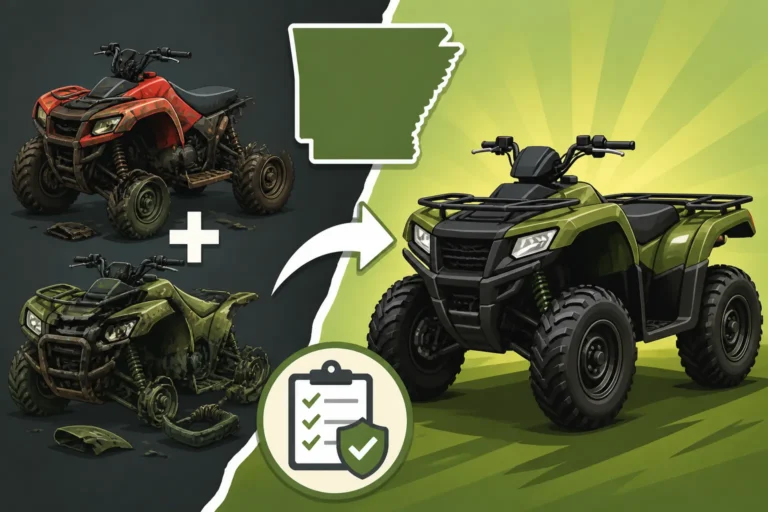
One of the first things a deputy will likely want to verify is that you are the rightful owner of the ATV or UTV you're operating, or that you have permission to use it. This is crucial for preventing theft and ensuring accountability. In Arkansas, while ATVs don't receive a traditional title like a car, they do have a unique registration process. It's a one-time registration, not an annual renewal, so once it's done, you're set for the life of the machine under your ownership.
A deputy will want to see proof that your machine is properly registered with the state. This means carrying your official registration receipt, which serves as your primary proof. They'll also be looking for the physical registration decal that must be affixed to your ATV or side-by-side. This decal is a visual confirmation that the machine has been through the necessary process. If you've just bought your machine, remember that Arkansas gives you a [Thirty Days From the Day You Buy] window to get it registered, so keep your bill of sale handy to prove the purchase date if you're within that timeframe.
Verifying Compliance with Operating Laws
Beyond ownership, deputies are also enforcing the rules of the road – or, in this case, the trail and road crossings. Arkansas has specific statutes governing where and how ATVs and UTVs can be operated, especially concerning public roads. They'll be looking to confirm that you're not violating any road riding prohibitions. For instance, [Can You Drive an ATV on the Road in Arkansas?] is a common question, and generally, the answer is no, with specific exceptions. If you are crossing a highway, for example, they'll check to see if you're doing so safely and legally, often at a ninety-degree angle after coming to a complete stop.
Deputies might also be checking for compliance with local ordinances, particularly if you're in a town that has chosen to allow UTVs on certain streets. Some cities, like Bono, have passed specific ordinances outlining requirements for street-legal UTVs, which can include things like turn signals, mirrors, and specific permits. If you're riding in such an area, a deputy would be looking to see if your machine meets those local requirements and if you possess the required city permit.
Essential Documents to Have On Hand
Being prepared with the right documents can make any roadside or trailside stop quick and uneventful. It shows the deputy you are a responsible rider who understands and respects the laws. Think of it as your riding "go-bag" for paperwork.
Proof of Ownership and Registration
When a deputy asks for proof of ownership and registration, you need to be ready to present it. The most common documents for this include your official Arkansas ATV registration receipt. This receipt details your machine's information, your name, and confirms that the one-time fee has been paid. Don't forget your [Arkansas ATV Decal Rules and Where It Goes] for your machine. This decal, usually placed on the left front of the machine, is your visual confirmation of registration.
If you are operating a machine that isn't yet registered because you just purchased it, a dated bill of sale is critical. This document proves when you acquired the machine and helps explain why the registration might still be pending. A properly executed bill of sale, especially one that clearly identifies the machine by its VIN and includes buyer and seller information, is a key piece of proof. Resources like LawDepot can provide templates for creating a robust bill of sale if you're buying or selling a machine privately, ensuring all the necessary details are captured. For private sales, it's often the only proof of purchase you'll have.
Proof of Permission for Private Land Riding
Many of us ride on private land, whether it's our own property, a friend's farm, or a leased hunting area. While deputies typically won't patrol deep within private property unless there's a specific complaint, if you're stopped on or near land you don't own, or if you're exiting private property onto a public thoroughfare, they may ask for proof of permission. This is especially true in areas known for trespass issues.
A simple, written letter of permission from the landowner can save a lot of headaches. This letter should ideally include the landowner's name and contact information, the dates you have permission to ride, and a description of the land. It doesn't have to be fancy; even a handwritten note can suffice, but a more formal document, perhaps even drafted using a service like LawDepot for clarity, can provide extra peace of mind. This document is a clear indication that you're not trespassing and that your presence on the land is authorized. Keep it laminated or in a waterproof bag to protect it from the elements while you ride.
Driver's License or ID
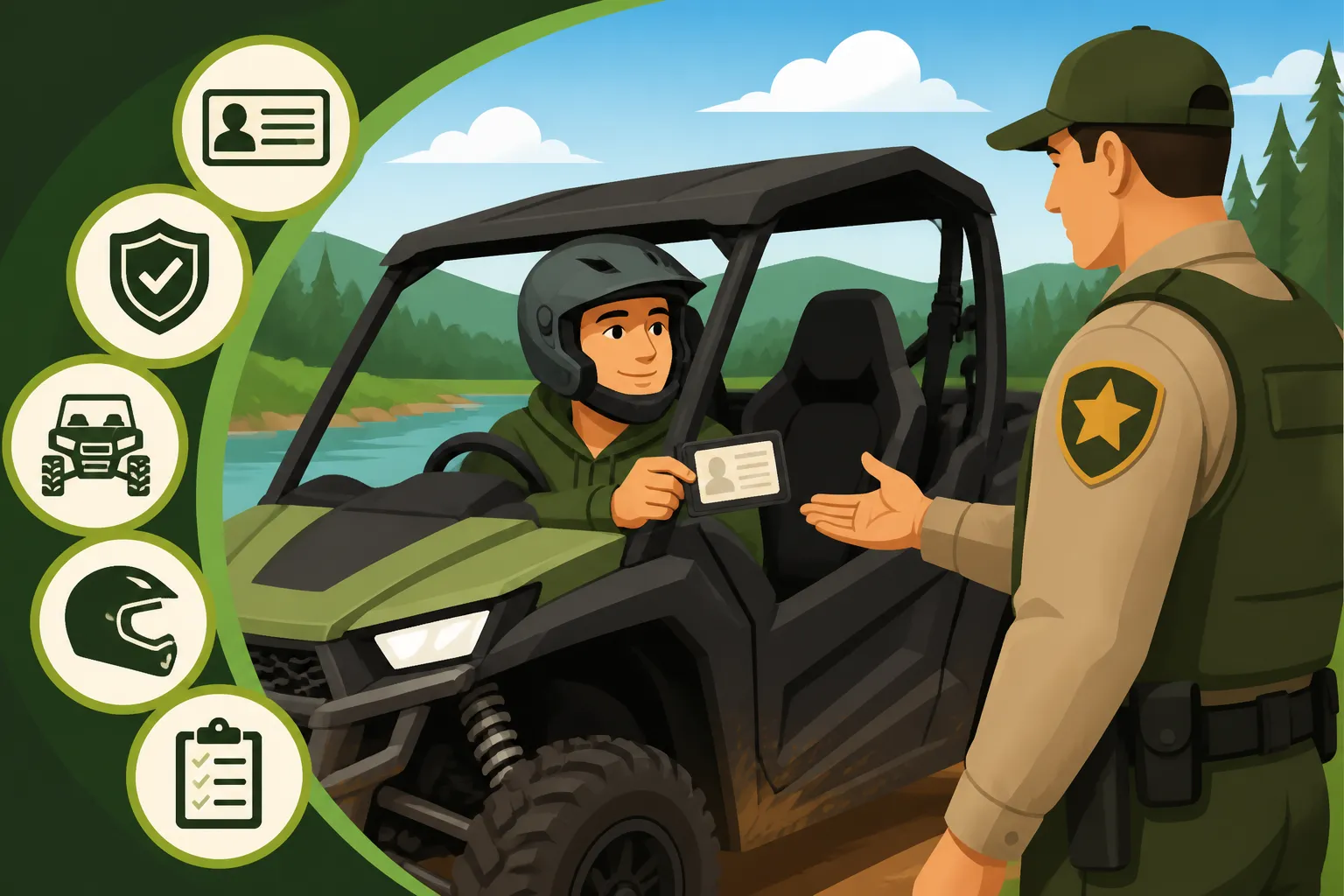
While Arkansas doesn't require a special "ATV license" to operate these machines, you still need to be able to identify yourself. If you're driving a street-legal UTV in a municipality that allows it, you will absolutely need a valid driver's license, as these ordinances typically require operators to be licensed. Even if you're just on a trail or crossing a road, a deputy may ask for identification to confirm your age and identity. This is particularly relevant if there are questions about [Arkansas ATV Age Rules for Young Riders] or if you're involved in any incident.
Always carry a government-issued photo ID, such as your driver's license or state ID card. This allows the deputy to confirm who you are and whether you meet any age requirements for operating the machine, especially if you're under 18. Having your ID readily available demonstrates responsibility and can help the stop proceed smoothly and quickly.
Here's a quick look at common documents you should consider carrying:
| Document Type | Why a Deputy Might Ask For It | Where to Get It / What to Do |
|---|---|---|
| Arkansas ATV Registration Receipt | Proof of legal, one-time registration with the state. | Revenue Office during registration. |
| Arkansas ATV Decal | Visual proof of registration, must be affixed to machine. | Mailed after registration. |
| Bill of Sale (dated) | Proof of recent purchase, if registration is pending (within 30 days). | From seller, or create using a service like LawDepot. |
| Written Landowner Permission | Proves you're not trespassing on private property. | Get from landowner, or create with LawDepot. |
| Valid Driver's License/ID | Identifies operator, verifies age, required for street-legal UTVs. | State DMV/Revenue Office. |
| City UTV Permit (if applicable) | Required for street-legal UTVs in specific towns. | Issuing city's clerk or police department. |
Navigating Specific Situations and Common Questions
Knowing what to expect can ease any anxiety you might have. Deputies are there to enforce laws, but also to ensure public safety, and a polite, prepared rider usually has a much better experience.
Riding on Wildlife Management Areas (WMAs)
Arkansas has numerous Wildlife Management Areas (WMAs) managed by the Arkansas Game and Fish Commission (AGFC). While many of these areas offer incredible opportunities for outdoor recreation, they also have specific rules regarding ATV and UTV use. Deputies, or AGFC officers, will be checking for compliance with these rules. This might include asking about your purpose for being there, especially during hunting seasons. [Arkansas AGFC WMA Rules for Riders] can be quite detailed, specifying which roads are open to vehicles and which are closed.
Officers might ask if you are traveling to or from a hunting camp on designated WMA roads during open hunting seasons, as this is often one of the few permitted uses. They'll want to see that you're not riding on levees, food plots, or gated areas unless specifically authorized. If you're riding in a WMA, understand that the rules are often stricter than on other public lands, and carrying your hunting license (if applicable) and knowing the WMA's specific regulations for OHVs can be very helpful.
Crossing Public Roads and Highways
One of the most common reasons for an ATV or UTV operator to encounter a deputy is while crossing a public road or highway. Arkansas law is very clear: ATVs are generally not allowed on public roads, with only a handful of specific exceptions. If you're crossing a road, a deputy will be looking for proof that you are doing so legally and safely. This includes performing a [Crossing at a Complete Stop] and at roughly a [Crossing at Roughly Ninety Degrees] angle to minimize your time on the pavement.
They might ask you to explain your reason for crossing, such as moving between private property sections or accessing a legal trail. Having a clear understanding of [Arkansas's Six Statutory Road Exceptions] (like farming or hunting operations, or disability exceptions) can help you explain your situation. It's important to remember that these exceptions are usually narrow and don't grant general permission to ride down the road. If your machine isn't equipped with road-specific features like turn signals, even in a town that permits UTVs on streets, you might face questioning.
Interaction with Law Enforcement
When a deputy stops you, it's always best to remain calm and cooperative. Keep your hands visible, and don't make any sudden movements. Politely answer their questions and present the documents they request. If you have any questions about why you were stopped, it's appropriate to ask, "Officer, could you please tell me why you stopped me?" Remember, they are performing their duty to enforce the laws and ensure safety.
Being prepared with your documents not only streamlines the process but also demonstrates respect for the law. While it can be an unsettling experience, knowing What a Deputy Can Ask to See and having those items readily available can turn a potentially stressful situation into a quick check-and-go, allowing you to get back to enjoying your ride much faster. Riding smart means riding prepared, and that includes your paperwork as much as your gear.
Disclaimer
This article is for general informational purposes only and does not constitute professional advice. Laws, prices and regulations vary by location and change over time. Consult a qualified professional for guidance on your specific situation.