Arkansas UTV Permit Cost in a City
It's a real headache trying to figure out if your UTV is street legal in your Arkansas town, let alone what it's going to cost you. With different rules in every city, it can feel like you need a law degree just to take your side-by-side to the grocery store. This comprehensive guide is here to untangle the confusion surrounding Arkansas city UTV permit costs, walking you through the fees, hidden expenses, and the critical steps to get your machine legally on local streets.
Understanding Arkansas's Local-Option UTV Laws
Riding your UTV on public roads in Arkansas used to be a pretty clear-cut "no," with very few exceptions. For years, folks who wanted to use their side-by-side to run errands or get to a nearby hunting spot without trailering it were out of luck, unless they lived in one of the very specific areas with special allowances. This broad prohibition made things tough for UTV owners who saw their machines as more than just off-road toys – they were useful tools for everyday tasks. The frustration was real, as many states had already embraced more flexible UTV road rules, leaving Arkansas riders feeling a bit behind.
Why City Ordinances Matter for UTV Riders
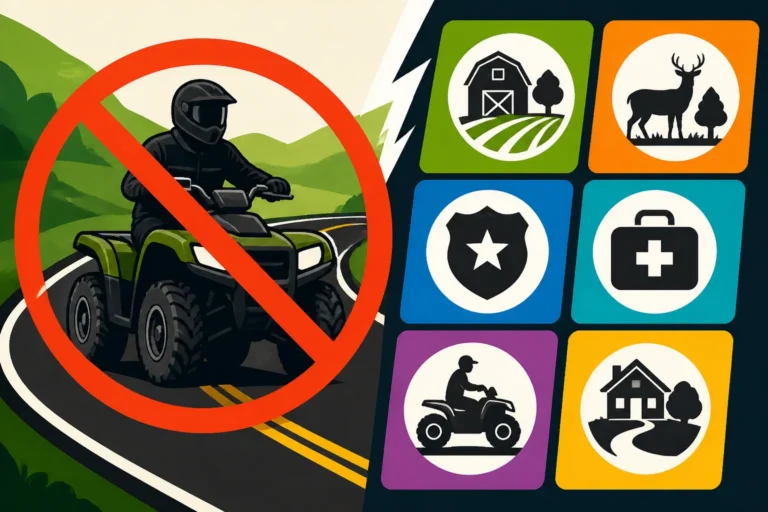
The game changed significantly when Arkansas implemented a law that empowered individual cities and towns to create their own ordinances regarding UTV use on their local streets. What this means for you, the UTV owner, is that there isn't a single, statewide "yes" or "no" answer anymore. Instead, it's a patchwork quilt of rules. One town might welcome UTVs with open arms, while the very next town over might still have a strict ban in place. This local control was a big step, giving communities the flexibility to decide what works best for their unique traffic patterns and resident needs. However, it also put the onus on you to do your homework for every place you plan to ride.
This localized approach can be incredibly frustrating. You might live in a city like Bono that has embraced the idea of street-legal UTVs, allowing residents to obtain permits and cruise down local roads. Then, you drive five miles down the highway to a neighboring town, and suddenly your perfectly permitted UTV is considered illegal on their streets. This isn't about state ATV registration, which is a separate, one-time process for off-road use; this is purely about local permission for street use. Understanding that each municipality is its own island when it comes to UTV street legality is the first, crucial step. You can learn more about how this came to be by reading [How Arkansas Cities Got the Choice on UTVs] and [Arkansas Towns Can Open Their Streets to UTVs].
The Basics of an Arkansas City UTV Permit
So, what exactly is an Arkansas city UTV permit? It's not a state-issued license plate or a renewal for your general ATV registration. Instead, it's an official document, usually accompanied by a physical sticker or decal, issued by a specific city or town. This permit signifies that your UTV, and you as its operator, meet that municipality's specific criteria for operating on certain public roads within its corporate limits. It's essentially a stamp of local approval, indicating that you've jumped through all the hoops the city has laid out.
Typically, this permit will contain essential information about your UTV, such as its VIN, make, model, and possibly even the owner's name and address. The decal is generally designed to be clearly visible on your machine, often on the windshield or a prominent front location, so local law enforcement can easily verify its legality. It's a key piece of proof you'll need if you're ever stopped while riding on city streets, showing that you're compliant with their specific regulations. Remember, this permit is specific to the issuing city, so don't expect it to grant you permission to ride on the streets of a different town that hasn't passed its own enabling ordinance. For more details on what these permits entail, check out [Arkansas UTV Street Permits and Annual Fees].
Deconstructing the "Cost" of a City UTV Permit
When you start looking into getting your UTV street legal in an Arkansas city, the immediate question is always about the cost. It's easy to assume it's just one flat fee, but the reality is often more nuanced. While there is usually an explicit permit fee, there are often other financial considerations that contribute to the overall price tag of making your machine street-legal. Ignoring these can lead to unexpected expenses or even legal trouble down the road.
The Permit Fee Itself: What to Expect
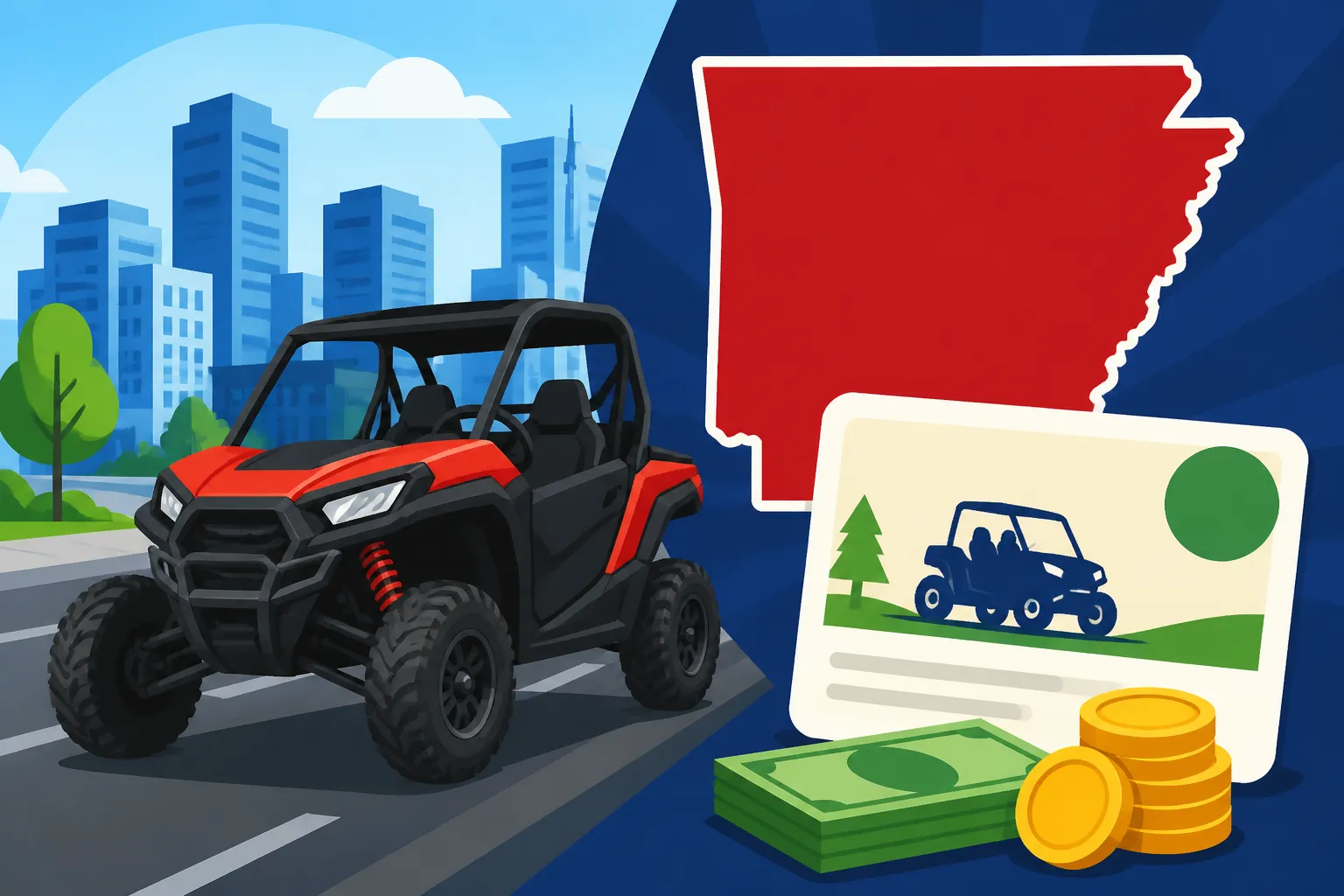
The actual Arkansas UTV permit cost in a city is usually the most straightforward part of the equation. This is the fee you'll pay directly to the city or town to obtain the annual permit. Because these ordinances are set locally, there isn't a uniform price across Arkansas. One city might charge a modest flat fee, perhaps a few dozen dollars, while another might have a slightly higher rate, sometimes bundled with an inspection fee. The critical takeaway here is that you cannot assume the cost will be the same from one town to the next.
These fees generally cover the administrative costs associated with processing applications, printing decals, and maintaining the local program. They might also contribute, in a small way, to local infrastructure or safety initiatives related to UTV use. It’s important to note that this permit cost is typically an annual expense. Unlike the [Arkansas ATV Registration Has No Annual Renewal], which is a one-time fee for off-road use, city UTV street permits almost universally require renewal each year to remain valid. This ongoing commitment is a key factor in the overall Arkansas UTV permit cost in a city. Your best bet for pinpointing the exact amount is always to consult the specific city's ordinance or contact their city clerk's office directly. You can also get more insight into this annual requirement by reading [Arkansas UTV Street Permit Annual Renewal].
Hidden Costs and Related Requirements
Beyond the direct permit fee, considering the overall Arkansas UTV permit cost in a city means looking at other requirements that often come with a financial implication. These are the expenses that can sneak up on you if you're not prepared, potentially adding hundreds of dollars to your initial investment or your ongoing operating costs.
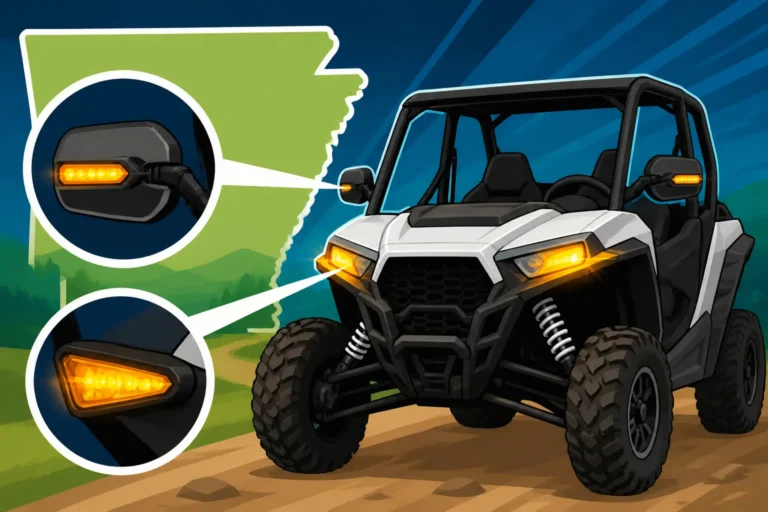
First and foremost, most city ordinances mandate that your UTV must meet certain equipment standards to be deemed street-legal. This isn't just a suggestion; it's a hard requirement. You'll likely need to install turn signals, side mirrors, a rearview mirror, a horn, a windshield, and working headlights and taillights. If your UTV didn't come with all of these from the factory, you're looking at aftermarket purchases and installation costs. Companies like SuperATV specialize in providing high-quality, durable components designed to help UTV owners meet these precise requirements, ensuring your machine is not only compliant but also safe for road use. These equipment upgrades can range from a relatively inexpensive horn to a full kit including lights and mirrors, significantly increasing your initial outlay. To prepare yourself, take a look at [Arkansas Equipment for a Street-Permitted Machine] and [Arkansas Turn Signal Requirements for Street UTVs].
Secondly, nearly every city ordinance allowing UTVs on streets will require proof of liability insurance. This isn't an optional add-on; it's a non-negotiable part of the package. While the permit itself might be inexpensive, the cost of adding your UTV to an existing policy or securing a new standalone policy can be a recurring expense you need to factor in. Insurance rates vary widely based on your machine, driving history, and coverage limits, but it’s an essential part of being a responsible street rider. You can explore this further by checking out [Arkansas Insurance for a Street-Permitted UTV].
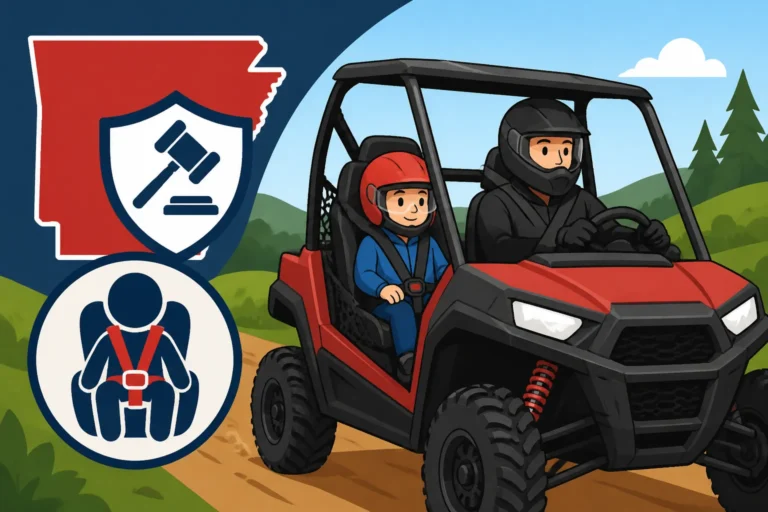
Finally, the driver operating the street-legal UTV must typically hold a valid driver's license. While obtaining a driver's license isn't a direct "cost" of the UTV permit, it is an absolute prerequisite. If you or someone who plans to drive the UTV doesn't have one, that's another step (and potential cost, like taking a driving test) to consider. Most cities specify a minimum age, often 16, consistent with state driver's license laws. For more details on driver requirements, see [Arkansas Driver's License at 16 for Street UTVs].
How to Navigate City-Specific UTV Permit Costs and Requirements
Understanding the costs and requirements for a UTV street permit in an Arkansas city can feel like a daunting task, especially with the variety of rules from one town to the next. However, with a methodical approach, you can easily determine what applies to you and ensure you're riding legally and safely. The key is local investigation and careful attention to detail.
Researching Your Local City's Ordinance
The absolute first step in determining the Arkansas UTV permit cost in a city, and all the associated requirements, is to thoroughly research the specific ordinance for the city where you intend to ride. Do not rely on hearsay or what a friend in a different town told you. Each city's rules are unique.
Here’s a practical approach:
- Start with the City Clerk's Office: This is your primary resource. Most city clerks are well-versed in local ordinances and can either provide you with a copy of the UTV ordinance or direct you to where it's published online. They can often answer specific questions about fees, application procedures, and required documentation.
- Check the City's Official Website: Many cities post their municipal code or ordinances online. Look for sections related to "vehicles," "traffic," "off-highway vehicles," or "side-by-sides." You might find the full text of the ordinance, which is what you really need to review.
- Read the Entire Ordinance: Don't just skim for keywords. The full text will detail everything: the annual permit fee, any specific equipment requirements (e.g., windshield, turn signals, mirrors, horn), insurance mandates, speed limits for UTVs on city streets, restricted roads (like state highways), and even the hours of operation. Pay close attention to wording, as it can have legal implications.
- Ask Specific Questions: If anything is unclear after reading the ordinance, don't hesitate to call the city clerk or even the local police department for clarification. It's far better to ask questions upfront than to risk a citation later.
Understanding [How an Arkansas City Council Opens Streets to UTVs] will give you context, but [Reading Your Town's Ordinance Before You Ride] is paramount to ensure compliance.
The Application and Renewal Process
Once you've done your homework and understand the requirements, the next step is actually applying for and maintaining your UTV permit. This is typically an annual process that you'll need to stay on top of if you want to continue riding legally on city streets.
The application process usually involves:
- Submitting a Form: You'll complete an application form provided by the city, often available at city hall or on their website. This form will ask for details about your UTV (VIN, make, model) and yourself (name, address, driver's license number).
- Providing Documentation: You'll likely need to show proof of ownership (like a bill of sale or previous registration), proof of liability insurance, and your valid driver's license. Some cities might require a physical inspection of your UTV to ensure it has all the mandated street-legal equipment.
- Paying the Fee: This is where the annual Arkansas UTV permit cost in a city comes into play. You'll pay the specified fee at the time of application. Payment methods vary by city; some may accept cash, check, or card, while others are more limited.
- Receiving Your Permit and Decal: Once approved, you'll receive your permit and a decal to [Displaying a City UTV Permit Sticker on Your Windshield]. Ensure the decal is placed as instructed, typically on the left front of the machine, where it's easily visible.
Renewal is generally an annual event, requiring you to repeat most of these steps and pay the fee again. Cities don't usually send renewal notices for these types of permits, so it's up to you to remember the deadline. If your decal gets damaged or peels off, you'll need to inquire about [Arkansas Decal Replacement If It Peels Off]. This proactive approach to [Renewing a City Permit Each Year] is crucial for uninterrupted legal street riding.
Common Pitfalls and How to Avoid Them
Even with the best intentions, it's easy to stumble into common mistakes when navigating city UTV permits. Being aware of these pitfalls can save you time, money, and hassle.
Here are some frequent issues and how to steer clear:
- Assuming Rules Are Universal: This is perhaps the biggest pitfall. Just because one town in Arkansas allows UTVs on its streets doesn't mean the next town over does. Always verify the rules for each municipality you plan to ride in. A permit from City A is not valid in City B unless City B has its own ordinance and you've obtained their permit.
- Neglecting Annual Renewal: As mentioned, these permits are almost always annual. Forgetting to renew means your permit expires, making your UTV illegal on city streets. Mark your calendar!
- Ignoring Equipment Requirements: Thinking you can get by without turn signals or mirrors because "no one will notice" is a recipe for a ticket. If the ordinance lists specific equipment, it's mandatory. These aren't just suggestions; they're legal requirements. Failing to have the right gear will add to your overall Arkansas UTV permit cost in a city through fines.
- Not Carrying Proof: Always carry proof of your permit, insurance, and driver's license when riding on city streets. You should have these documents easily accessible. While a deputy might check for proof of registration on the trail, they'll certainly ask for permit and insurance proof on city roads.
- Confusing State Registration with City Permits: Remember, your [Arkansas ATV Registration Has No Annual Renewal] is for off-road use and is a state requirement. A city UTV permit is an additional, local, annual requirement specifically for street use. They are not interchangeable.
- Inadequate Research: Simply Googling "Arkansas UTV street legal" isn't enough. You need to delve into your specific city's ordinance. Generic information can be misleading and lead to [Arkansas Common Arkansas Registration Mistakes] in a different context.
By being proactive, thorough, and mindful of these common errors, you can smoothly navigate the process of getting your UTV legally on Arkansas city streets.
Arkansas City UTV Permit Cost and Requirement Comparison
To illustrate how varied the requirements and the Arkansas UTV permit cost in a city can be, here's a hypothetical comparison. Remember, these figures and requirements are illustrative; you must always check with your specific city's ordinance for current and accurate details.
| City (Hypothetical) | Annual Permit Fee Shape | Common Equipment Required | Insurance Required? | Notes |
|---|---|---|---|---|
| Bono, AR | Modest flat fee | Turn signals, mirrors, horn, windshield, headlights, taillights | Yes | Streets under 55 mph only. Excludes specific state highways. May require annual inspection. |
| Riverbend, AR | Low annual fee | Headlights, taillights, brake lights, mirrors, horn, seatbelts | Yes | Day-use only (no night riding). Specific route restrictions. Driver must be 18+. |
| Oakridge, AR | Variable, based on UTV width/engine size | All above, plus DOT-approved tires, speed-governing device | Yes | Stricter equipment inspection. Higher fees for larger machines. May have noise restrictions. |
| Meadowview, AR | No direct permit fee | Headlights, taillights, brake lights, mirrors, horn | Yes | Relies solely on state ATV registration and insurance proof. Requires local ordinance acknowledgment form. |
This table clearly shows that while the "Arkansas UTV permit cost in a city" is typically a relatively small annual fee, the overall financial and regulatory burden can vary significantly due to mandated equipment, specific driving rules, and varying local policies.
Disclaimer
This article is for general informational purposes only and does not constitute professional advice. Laws, prices and regulations vary by location and change over time. Consult a qualified professional for guidance on your specific situation.