Written Permission From an Arkansas Landowner
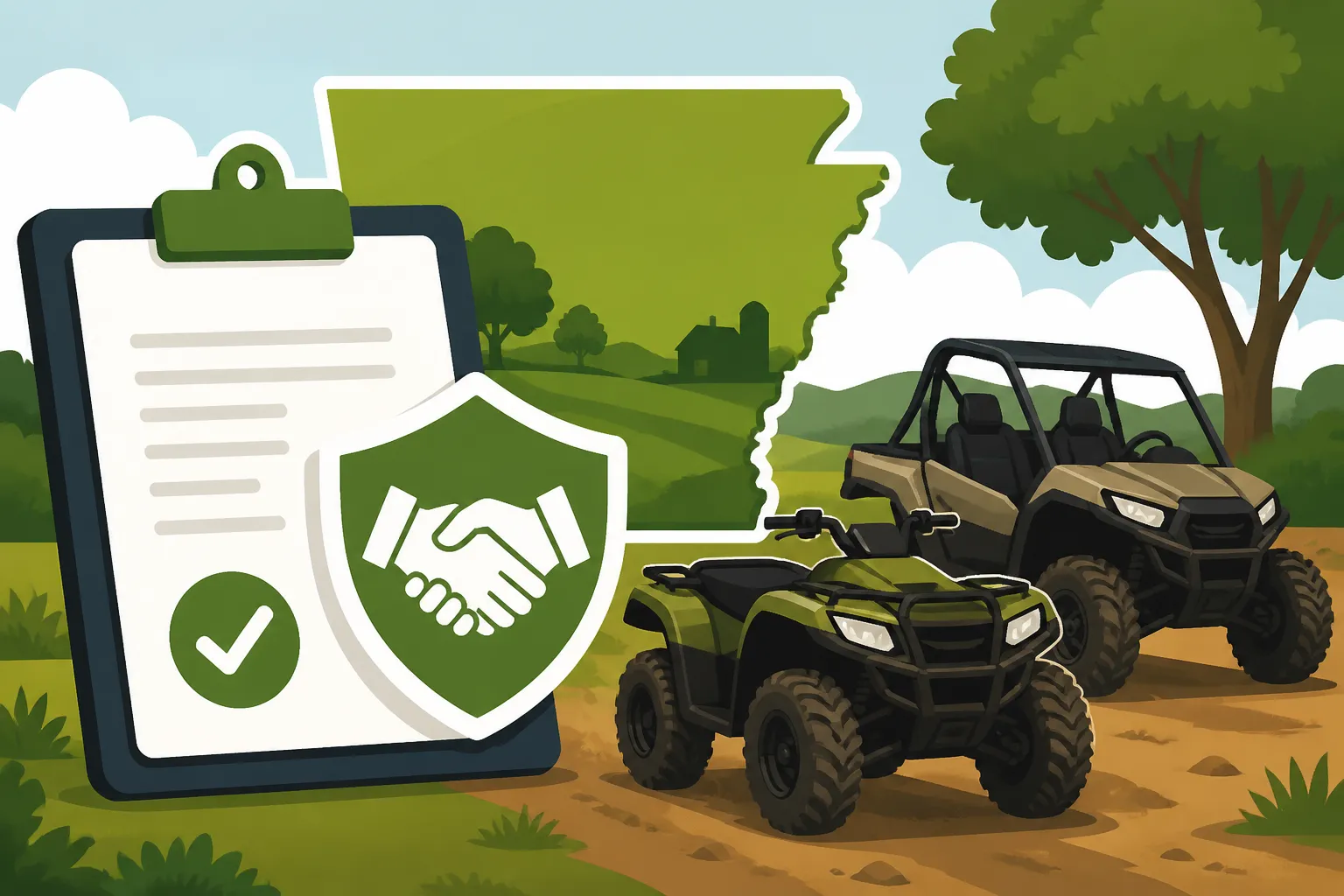
There's nothing quite like the freedom of riding your ATV or UTV across wide-open spaces, feeling the sun on your face and the dirt under your tires. But for many riders in Arkansas, the dream hits a snag when that perfect piece of land isn't their own. You might have a friendly neighbor, a generous family member, or a potential new acquaintance with acres calling your name, and a simple "sure, go ahead" might seem like enough. However, relying on a handshake and a verbal agreement can quickly lead to misunderstandings, liability nightmares, and the loss of your riding privileges. This comprehensive guide will walk you through why written permission from an Arkansas landowner is not just a polite request, but an absolute necessity, and how to secure it properly, protecting both you and the property owner.
Why Written Permission Isn't Just a "Good Idea" in Arkansas, It's Essential
Picture this: you've been riding on a buddy's sprawling property for years with his verbal blessing. One day, your buddy sells the land, or perhaps there's a family dispute, and suddenly, the new owner or a different family member confronts you. Without anything in writing, you're left with no leg to stand on, potentially facing accusations of trespassing or worse. This scenario, while hypothetical, plays out for riders all too often. In Arkansas, like everywhere else, property rights are serious business, and for good reason.
Avoiding Misunderstandings and Liability Headaches
Verbal agreements are notoriously flimsy. Human memory is fallible, intentions can be misinterpreted, and circumstances change. What one person remembers as a blanket "ride whenever you want" might be recalled by another as "ride on Sundays, but only on the back forty." A written agreement eliminates this ambiguity. It creates a clear record of what was agreed upon, leaving no room for doubt or selective memory.
From a landowner's perspective, liability is a massive concern. If you get injured on their property, or if your machine causes damage, they could be held responsible. This is a terrifying prospect for many landowners, and it's often the primary reason they're hesitant to grant access. A well-crafted written permission form, especially one that includes a liability waiver, can provide them with a significant layer of protection. It clarifies that you understand the inherent risks of ATV/UTV riding and agree not to hold them accountable for accidents that are not due to their gross negligence. This protection goes a long way in making landowners comfortable with allowing riders on their land.
What Arkansas Law Says About Trespassing
In Arkansas, entering or remaining on someone else's property without their express permission constitutes trespassing. It's not just a minor infraction; it can carry legal consequences. Even if you believe you have implied permission, or a verbal "go ahead," if the landowner later denies it, or if a different owner or law enforcement gets involved, you could find yourself in a bind. [Arkansas Trespass Law for Riders] clearly defines what constitutes illegal entry.
The penalties for trespassing can range from fines to, in more serious cases, even your machine being impounded. Imagine losing your prized ATV or UTV, not because you were doing anything overtly malicious, but simply because you didn't have the proper paperwork to back up your presence. It's a risk no responsible rider should take. Having a physical document of permission can prevent these scenarios, giving you tangible proof if you're ever questioned. It's about protecting yourself and your right to enjoy the trails you've been granted access to.
Peace of Mind for Both Rider and Landowner
Beyond the legal and financial ramifications, there's the simple benefit of peace of mind. As a rider, knowing you have explicit, documented permission means you can truly relax and enjoy your time on the trails. You won't be constantly looking over your shoulder, worrying about an unexpected confrontation or a misunderstanding. You know you're there legally and respectfully. This often translates to a better, more focused, and ultimately safer riding experience.
For the landowner, this peace of mind is invaluable. They know exactly who is on their property, when they are there, and what they are doing. This transparency builds trust and fosters a positive relationship between you and the landowner. They can rest assured that you're not just some unknown person creating potential problems. They've granted you a privilege, and the written agreement is a testament to your mutual respect for that arrangement. This is especially important for situations like [Arkansas Rules on Land You Lease] or when you're riding on [Arkansas Rules on a Parent's Property].
Key Elements of a Solid Written Permission Agreement
Crafting a good written permission agreement doesn't need to be overly complicated, but it does need to be thorough. Think of it as a clear contract outlining the expectations and responsibilities of both parties. The more specific you are, the less room there is for future disagreement.
Identifying Information and Property Details
The first step is to clearly identify everyone involved and the property itself. This means including the full legal names of the landowner(s) and the rider(s) granted permission. Contact information for both parties—phone numbers and email addresses—should also be included. If multiple riders will be using the property under the same permission, list all of them.
Next, accurately describe the property. The best way to do this is with the property's legal address, including county and any relevant parcel numbers. If the landowner has a detailed plat map or survey, you can reference it or even attach a copy. It's also crucial to define the specific areas on the property where riding is permitted. Is it the entire 100 acres? Or just a specific trail system on the back half? Using a simple hand-drawn map, signed and dated by both parties, can be incredibly helpful to avoid confusion, especially on large or irregularly shaped parcels. For instance, you might delineate a specific wooded area, a old logging roads, or a particular field.
Defining the Scope of Permission
This section is where you get into the "what, when, and how" of your riding privileges. Be as detailed as possible to prevent any surprises later on.
- Allowed Activities: Clearly state that the permission is for operating ATVs and UTVs (or specify if only one type of machine is allowed). Are other activities, like hiking, camping, or fishing, also permitted? If not, explicitly state that ATV/UTV riding is the sole permitted activity.
- Timeframes: Specify the duration of the permission. Is it a one-time thing for a specific weekend? For a season (e.g., fall riding only)? Or an ongoing agreement that requires annual review? Be sure to include specific dates for start and end, and even daily hours (e.g., "sunrise to sunset").
- Specific Trails/Areas: Reiterate the exact routes or zones where riding is allowed, perhaps referencing the map discussed earlier. Conversely, identify any areas that are off-limits, such as sensitive wetlands, cultivated fields, near livestock, or close to residences.
- Guest Policy: Can you bring friends or other riders? If so, does the landowner need to approve them first? Are they covered under your liability waiver, or do they need their own? Generally, it's best to specify that no guests are allowed unless explicitly permitted and documented.
- Prohibited Activities: It's often helpful to list things that are absolutely forbidden. This might include littering, damaging trees, starting fires, hunting, "mudding" in sensitive areas, or excessive noise, especially if you've been considering performance parts. You might even consider certain upgrades for your machine, like a quieter exhaust system or robust skid plates from brands like SuperATV, to demonstrate your commitment to responsible riding and minimizing impact.
Liability Waivers and Indemnification Clauses
These are often the most critical parts of the agreement for a landowner. They sound formal, but they're about protecting everyone. A liability waiver essentially states that you, the rider, acknowledge the inherent risks associated with operating an ATV/UTV on private property and agree to assume those risks. You waive your right to sue the landowner for injuries or damages that might occur, provided they haven't acted with gross negligence or willful misconduct.
An indemnification clause goes a step further. It states that you agree to "indemnify and hold harmless" the landowner. This means if a third party (say, one of your guests, even if unapproved) sues the landowner because of something that happened while you were riding, you would be responsible for defending the landowner and covering any judgments or legal fees.
While these clauses are important, it's crucial to understand that they don't always offer 100% foolproof protection, especially against gross negligence. However, they significantly reduce a landowner's exposure and make them much more likely to grant permission. Sometimes, a landowner might have their own preferred liability form, similar to what you might sign at a private riding park, and it's best to be open to their requests.
Machine Requirements and Safety Expectations
Don't forget to include details about the machines themselves and rider conduct.
- Machine Type/Size: Specify that only ATVs and UTVs (or Off-Highway Vehicles as defined by Arkansas law) are permitted. If there are width restrictions for certain trails, mention them.
- Safety Gear: While [Arkansas Has No ATV Helmet Law], a landowner might reasonably request that all riders, especially [Arkansas ATV Age Rules for Young Riders], wear helmets and eye protection while on their property. This shows a commitment to safety.
- Operating Rules: Outline rules like speed limits, respecting private property boundaries, and not riding after dark without proper lighting. Ensure your machine has functioning lights and a spark arrestor, which are often required on public lands anyway, as detailed in [Arkansas Spark Arrestor Requirements]. This also helps with concerns about [Arkansas Sound Limits on Forest Land], even on private land.
How to Approach a Landowner for Permission and What to Expect
Asking for permission can feel daunting, but a respectful and prepared approach can make all the difference. Remember, you're asking for a privilege, not demanding a right.
Building Trust and Respect
Your first impression is key. Don't just show up unannounced on their doorstep with your machine running. Instead, make an initial, polite inquiry. Start with a phone call or a brief, friendly visit to introduce yourself and explain your interest. Be genuine and humble. Landowners often have strong ties to their land and appreciate those who show it respect.
Offer to help them out. Could you help mend a fence? Clear some brush? Assist with general property upkeep? Demonstrating that you're not just there to "take" but also to "give" can go a long way in building rapport. Show them you're a responsible individual who cares about the land, not just the thrill of the ride. Explain your riding habits – that you're a careful rider, you don't litter, and you respect boundaries. Show that you're prepared. This might include ensuring your machine is well-maintained, maybe even having some protective accessories from SuperATV installed, indicating you're serious about preventing damage and breakdowns on their land.
What to Bring to the Conversation
When you sit down to discuss the details, come prepared. This shows professionalism and that you've thought this through.
- A Draft Agreement: Having a template or a pre-filled draft of the permission form (with your information already included) shows you're serious and organized. It gives them something tangible to review.
- Your Contact Information: A business card or a simple printed sheet with your name, phone, and email.
- Proof of Insurance: This is incredibly important. Bring proof of liability insurance for your ATV/UTV. This reassures the landowner that if you cause damage to their property or injure someone else (not yourself, as that's typically covered by the waiver), there's a policy to back it up.
- Machine Information: Have your ATV/UTV's VIN or serial number, and a copy of your [Arkansas ATV Registration Has No Annual Renewal] decal handy. This just adds another layer of legitimacy.
- References (Optional but Recommended): If you have other landowners who can vouch for your responsible riding habits, offer their contact information.
Common Concerns Landowners Have
Be ready to address the typical worries a landowner might express. Proactively addressing these can alleviate their hesitation.
- Noise: ATVs and UTVs can be loud. Explain that you will operate your machine considerately, especially near their home or during certain hours. Mention that you've kept your exhaust stock or installed a quieter aftermarket option.
- Damage to Land: They might worry about ruts, erosion, or harm to vegetation. Reassure them you'll stick to designated trails and avoid sensitive areas, especially after heavy rains.
- Litter: Promise to pack out everything you pack in, and even offer to pick up any existing trash you find.
- Liability: This is almost always the biggest concern. Reiterate that you're providing a signed liability waiver and have insurance. Explain that you understand their worries and want to protect them as much as you want to ride.
- Other People: Landowners fear that if they let one person in, soon everyone will be showing up. Emphasize that your permission is only for you (and explicitly named individuals) and that you will not invite others without their explicit, separate permission.
- Gate Etiquette/Security: Discuss how gates will be handled. Will they be closed and locked? Will you bring your own lock? Ensure they know you're committed to maintaining the security of their property.
Sample Agreement Components and Best Practices
While every agreement might look a little different depending on the specific situation, here's a general idea of what a comprehensive written permission form for ATV/UTV riding on private land in Arkansas should include. And just like you might equip your rig with reliable parts from SuperATV for peace of mind on the trail, a written agreement provides that same security for both you and the landowner.
A Checklist for Your Agreement
Here’s a table outlining the essential components to include in your written permission document:
| Component | Description |
|---|---|
| Parties Involved | Full legal names and contact information for landowner(s) and rider(s). |
| Property Description | Legal address, county, parcel number, and a clear description/map of permitted riding areas. |
| Scope of Permission | Explicitly states ATV/UTV riding is allowed; defines dates, times, and specific trails/zones. |
| Prohibited Activities | Lists actions not permitted (e.g., littering, off-trail riding, hunting, excessive noise). |
| Liability Waiver | Statement where rider assumes risk and waives claims against landowner for injury/damage (unless gross negligence). |
| Indemnification Clause | Rider agrees to protect landowner from third-party claims arising from rider's use of property. |
| Proof of Insurance | Rider attests to having liability insurance for their machine, providing policy details. |
| Machine Requirements | Specifications for allowed machines (e.g., spark arrestors, width limits, lights). |
| Safety Rules | Any specific safety requirements (e.g., helmets, speed limits, no riding under the influence). |
| Emergency Contacts | List of emergency contacts for both rider and landowner. |
| Termination Clause | Conditions under which either party can terminate the agreement (e.g., landowner can revoke at any time). |
| Signatures & Dates | Signatures of all parties involved, dated. Witness signatures are a good idea. |
Remember, this isn't legal advice, and if a landowner has serious concerns, they might want to have an attorney review it. However, a comprehensive document like this will certainly show your earnestness.
Reviewing and Revisiting the Agreement
A written permission agreement isn't a "set it and forget it" document. It’s a living document that benefits from occasional review. If the duration of permission is open-ended, make a point to touch base with the landowner annually, perhaps before riding season kicks off. This check-in allows both parties to discuss any new concerns, changes in property use, or updates to contact information. It also reinforces the relationship and ensures continued good standing.
If you encounter any issues while riding—like a fallen tree blocking a trail, a damaged gate, or unusual activity on the property—report it to the landowner immediately. This demonstrates your commitment to being a good steward of their land and keeps the lines of communication open. For example, if you notice trail erosion on an incline, you could suggest a solution, like maybe a product from SuperATV that could help with trail maintenance, or just offer to help repair it. Maintaining that open dialogue is paramount to a successful long-term arrangement, as it reflects the spirit of [Arkansas Rules With a Landowner's Permission].
What to Do If Permission Is Denied
Despite your best efforts and a well-crafted request, there will be times when a landowner simply says no. It could be for any number of reasons—liability concerns, previous bad experiences, or simply a desire for privacy. Whatever the reason, it's crucial to respect their decision gracefully. Do not argue, badger, or try to convince them further. A polite "I understand, thank you for your time" is the only appropriate response. Pushing the issue will only create resentment and could lead to more serious problems down the line, potentially even legal action if you ignore their refusal.
If private landowner access isn't an option, remember that Arkansas has fantastic public riding opportunities and private off-road parks. Places like [Arkansas ATV Trails: Where to Ride] and [Arkansas Private Off-Road Parks Compared] offer incredible experiences without the need for individual landowner negotiations. These options provide structured, legal, and often well-maintained environments for you to enjoy your ATV or UTV, which is a much better alternative than risking a citation for riding on someone else's land without proper consent.
Disclaimer
This article is for general informational purposes only and does not constitute professional advice. Laws, prices and regulations vary by location and change over time. Consult a qualified professional for guidance on your specific situation.