Arkansas ATV Helmet Requirements
It can be incredibly confusing to figure out all the different rules and regulations for riding ATVs and UTVs here in Arkansas, especially when it comes to something as critical as safety gear. You've likely heard a dozen different things from fellow riders, or maybe you've looked at online forums and just come away more puzzled. This guide is here to cut through all that noise and give you a crystal-clear understanding of Arkansas's specific helmet requirements for ATVs and UTVs, so you can ride safely and confidently.
The Core Question: Does Arkansas Have an ATV Helmet Law?
One of the most common questions I get from riders, especially those new to the Arkansas trails or those visiting from out of state, is about helmet laws. It seems like a simple question, but the answer often surprises people, leading to a lot of confusion and even some heated debates around the campfire.
Dispelling the Common Misconception
Let's get straight to it: Many people mistakenly believe that Arkansas requires all ATV and UTV riders to wear a helmet, regardless of age or where they're riding. This isn't just a random guess; it often stems from a few understandable places. For one, many neighboring states do have mandatory helmet laws for off-road vehicles. If you're used to riding in Missouri or Oklahoma, you might assume Arkansas operates under similar rules. Another big reason for the confusion is the blanket motorcycle helmet law in Arkansas. Because motorcycles require helmets, people often (and logically) extend that assumption to other motorized, open-air vehicles like ATVs and UTVs. It's easy to think, "If it has an engine and no cage, it needs a helmet," but the legal definitions are much more specific than that.
The reality is that, at the state level, Arkansas does not have a mandatory helmet law that applies to the vast majority of ATV and UTV riding situations. This isn't to say that wearing one isn't a good idea – quite the opposite, as we'll discuss – but it's important to understand what the law actually says, or rather, what it doesn't say, when it comes to [Arkansas ATV Helmet Requirements].
The Legal Language of the Statute
When we dig into Arkansas law, specifically the statutes governing off-road vehicles, you'll find that all-terrain vehicles and utility terrain vehicles are defined in a way that separates them from motorcycles or motor-driven cycles. These distinctions are crucial because the helmet laws that apply to motorcycles simply do not extend to ATVs and UTVs under current state statute. The relevant sections of the law focus more on registration, allowable road use, and age restrictions for operators rather than mandating personal protective equipment like helmets.
So, while a motorcycle rider 21 and under must wear a helmet on Arkansas roads, and riders of any age are encouraged to, those rules don't legally translate to your quad or side-by-side. This is a point of frequent misunderstanding, and it's why it's so important to consult the specific statutes or reliable resources like this blog. The law makes a clear differentiation: your ATV is not legally treated the same as a motorcycle when it comes to head protection mandates. You won't find a line in the state's ATV regulations that requires you to strap on a helmet before you hit the trail.
Why There's No Statewide ATV Helmet Law (But Why You Still Should Wear One)
Understanding why the law is structured this way can help clarify things even further. It's not an oversight; it's a result of how different vehicles are classified in the eyes of the law, and it highlights the distinction between legal requirements and best practices for safety.
Distinguishing ATVs from Motorcycles and Mopeds
The primary reason Arkansas doesn't have a statewide ATV helmet law boils down to legal definitions. When lawmakers draft legislation, they use very specific terms. A "motorcycle" is defined in one way, typically as a two-wheeled vehicle designed for highway use. "Motor-driven cycles" and "motorized bicycles" also have their own distinct definitions, and these are the vehicle categories to which helmet laws (particularly for younger riders) apply. ATVs and UTVs, on the other hand, fall under the broader category of "off-road vehicles" or "all-terrain vehicles" in the Arkansas code. Their design, intended use (primarily off-road), and characteristics (like having three, four, or six wheels, and often roll cages for UTVs) put them in a different class entirely.
Because they're not legally classified as motorcycles or similar road-going vehicles, the helmet mandates for those vehicle types simply don't apply to your quad or side-by-side. It's a distinction that can feel a bit like legal hair-splitting, but it's fundamental to how the laws are interpreted and enforced. So, while [Arkansas Motorcycle Helmet Rule Is Not an ATV Rule], it's good to know why that is. Now, this doesn't mean local jurisdictions can't impose their own rules, especially if they allow UTVs on city streets, but for typical trail riding across the state, the state law is silent on helmets.
The Very Real Risks of Riding Without a Helmet
Okay, so the law doesn't require it. But here's where we move from legal obligation to common sense and personal safety. The absence of a mandatory helmet law does not mean that riding without one is safe or advisable. Far from it. When you're out on the trails, even familiar ones, you're dealing with unpredictable terrain, potential hazards like trees and rocks, and the inherent risks of a motorized vehicle. A seemingly minor bump or sudden stop can throw you from your machine.
Consider a scenario: you're cruising down a gravel path, maybe going 25 mph, and hit an unexpected washout or a patch of loose rock. Your front end washes out, and you go over the handlebars. Without a helmet, your head is completely exposed to impact with the ground, a tree, or even your own machine. Even a low-speed tip-over can result in a serious concussion, skull fracture, or worse. We've all seen riders who've had close calls or experienced spills, and unfortunately, many of those stories involve head injuries that could have been mitigated by a helmet. According to reports, head injuries are a leading cause of severe injury and fatality in ATV accidents, even when riders are experienced. While [Arkansas Accident Reporting for an ATV Crash] is crucial after an incident, preventing the most severe outcomes should be our top priority. Investing in a quality helmet, perhaps even one from a reputable brand that also offers other protective gear like SuperATV, is a small price to pay for significant protection.
Protecting Younger Riders: Supervision and Safety Gear Recommendations
When it comes to our younger riders, the conversation around helmets often comes up, and for good reason. Parents naturally want to ensure their children are as safe as possible while enjoying the sport. Arkansas law addresses youth riding, but its focus is primarily on supervision rather than specific gear mandates.
Arkansas's Focus on Adult Supervision, Not Helmets
Arkansas law does have specific provisions for young riders, but they center around age restrictions and supervision requirements. For instance, there are rules about how old a child must be to operate an ATV, and whether they need to be under the direct visual supervision of an adult. This is largely designed to prevent inexperienced riders from putting themselves in unduly risky situations without immediate guidance. [Arkansas ATV Age Rules for Young Riders] are important to understand, and they vary depending on the engine size of the machine. Generally, riders under the age of 12 must be supervised by an adult at least 18 years old. For larger machines, there are stricter age limits.
So, while the state prioritizes having an experienced eye on younger riders, it doesn't mandate helmets for them. This means that a ten-year-old operating a youth ATV under the direct supervision of an adult is not legally required to wear a helmet by state law. However, this absence of a legal requirement should absolutely not be interpreted as a suggestion that helmets are unnecessary. On the contrary, if there's any group of riders for whom a helmet is non-negotiable, it's children. Their developing brains are more vulnerable, and their judgment and reflexes aren't as honed as an adult's. Ensuring [Adult Supervision Rules for Arkansas Riders Under 12] are met is just one piece of the safety puzzle; providing them with the best protective gear is another.
Essential Safety Gear Beyond the Helmet (Even for Adults)
Let's be clear: a helmet is the cornerstone of ATV safety, protecting the most vital part of your body. But it's just one part of a comprehensive safety ensemble. Even if you're an adult and the law doesn't technically require it, you should always consider a full range of protective gear. This includes:
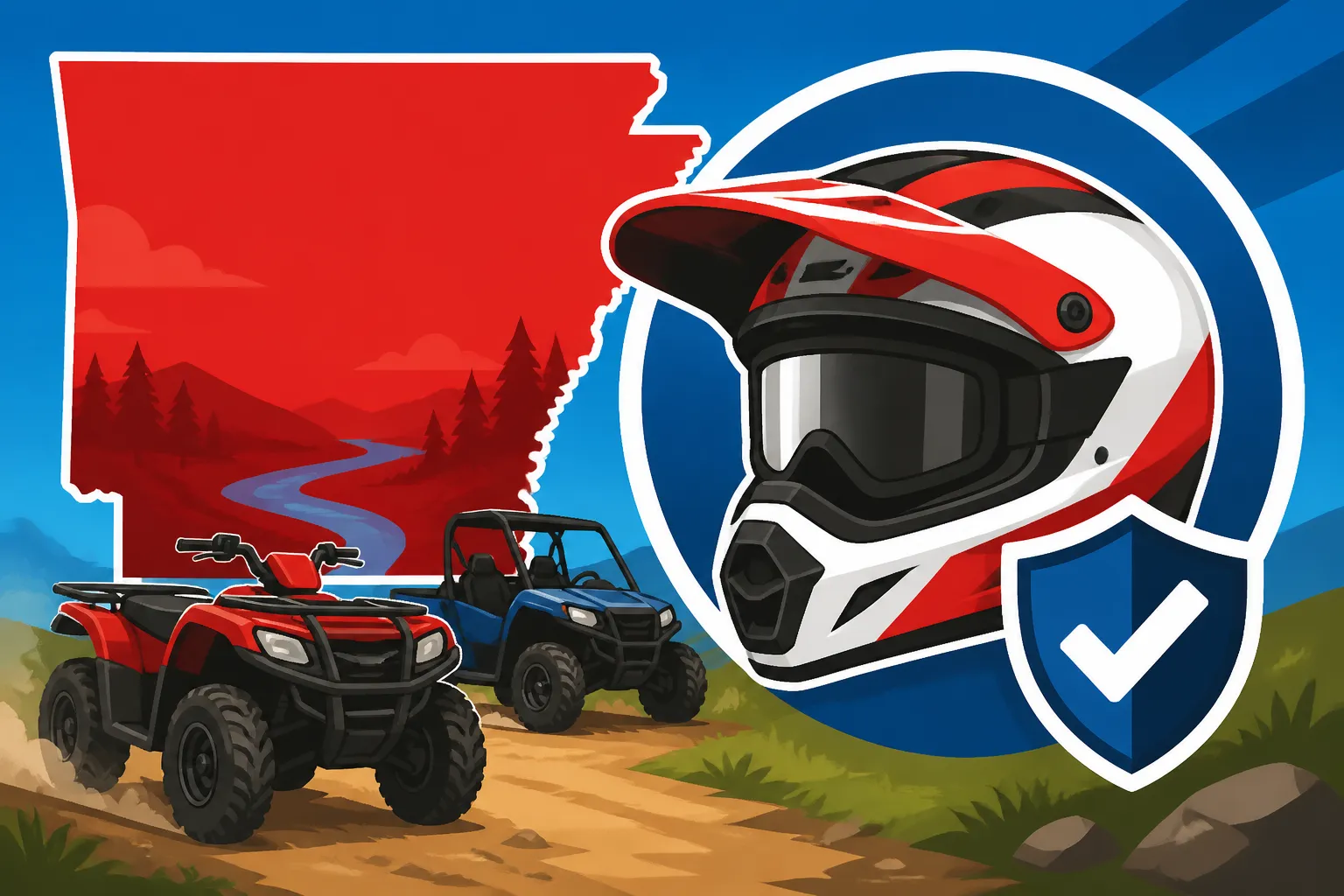
- Helmets: Choose a DOT-approved helmet, and ideally, one that's designed for off-road use (like a motocross helmet) as they offer better ventilation and often have a peak to block roost and sun. Make sure it fits snugly but comfortably. Brands like SuperATV offer a range of accessories that can enhance safety, including potentially helmets or other protective items for your machine.
- Eye Protection: Goggles are absolutely essential. Dirt, dust, branches, and bugs can all impair your vision or cause serious eye injury. Regular sunglasses just won't cut it for serious riding.
- Gloves: They protect your hands from blisters, cuts, and scrapes, and also improve your grip on the handlebars, which is crucial for control.
- Long-Sleeved Shirt and Pants: Even in hot weather, long sleeves and pants made of durable material (like denim or specialized riding gear) protect your skin from abrasions, branches, and sun exposure.
- Over-the-Ankle Boots: Sturdy boots protect your feet and ankles from impacts, provide grip on footpegs, and prevent your feet from getting caught in moving parts.
Think of it this way: you wouldn't drive a car without a seatbelt, even if the law didn't require it, because it's just plain smart. The same principle applies to proper ATV gear. Accidents can happen to anyone, anytime, and being prepared is your best defense.
Local Ordinances, Private Parks, and Common Sense
While state law might not mandate helmets for ATVs, it's crucial to understand that specific situations and locations can, and often do, have their own rules. Ignoring these can lead to anything from a warning to being asked to leave a riding area.
When Local Rules or Park Policies Come into Play
This is where things can get a little more nuanced. While the state of Arkansas doesn't have a blanket helmet law for ATVs, local municipalities (cities and counties) do have the authority to pass their own ordinances, especially if they allow UTVs on certain city streets. If your town has decided to open its streets to side-by-sides, it's highly likely their local ordinance will include safety requirements, which could very well include mandatory helmets, along with other equipment like turn signals, mirrors, and insurance. It's always a good idea to check [Reading Your Town's Ordinance Before You Ride] if you plan on using your machine on public roads in any capacity.
Furthermore, almost every private off-road park or riding area will have its own set of rules and regulations, and a mandatory helmet policy is nearly universal. Places like Byrd's Adventure Center or Hot Springs Off-Road Park are serious about rider safety, and they typically require helmets for all riders and passengers, regardless of age. If you show up without one, they often won't let you ride, or they might have rentals available for a fee. It's a condition of entry and a smart move on their part to protect their visitors. For any riding on private land that isn't your own, always verify the rules. If you're going to a destination like Wolf Pen Gap, which is on federal land, while the forest service encourages helmets, they generally defer to state laws for OHV operation, which means no mandatory helmet rule, but it is still highly recommended. Always check specific park or forest regulations before you go, as [Arkansas Private Park Helmet Rules] are almost always stricter than state law.
Making the Smart Choice for Your Ride
Ultimately, while Arkansas state law doesn't make it mandatory to wear a helmet on your ATV or UTV for off-road use, making the choice to wear one is a no-brainer for any responsible rider. It's about personal safety, risk reduction, and ensuring you can keep enjoying this fantastic sport for years to come. The statistics on head injuries in ATV accidents are stark, and a helmet is your single best defense against severe or life-altering trauma.
Think about the investment you've made in your machine, the cost of a good riding trip, and then compare that to the relatively small cost of a high-quality, DOT-approved helmet. It's an essential piece of gear that should be right up there with gas in the tank and air in your tires. When you're out there tackling the beautiful, rugged terrain of Arkansas, you want to be focused on the trail, not worrying about what might happen if you take a spill. Wearing a helmet gives you that peace of mind, allowing you to concentrate on the ride and the experience. It sets a good example for younger riders too, reinforcing that safety always comes first.
| Feature | Argument for Wearing a Helmet | Argument for Not Being Legally Required (but still recommended) |
|---|---|---|
| Head Protection | Dramatically reduces risk of severe head injury, concussions, skull fractures in a crash. | State law prioritizes personal choice/responsibility for experienced adult riders on trails. |
| Eye Protection | Built-in visors or integrated with goggles protect eyes from dust, debris, branches, insects. | Separate goggles can provide eye protection without a full helmet. |
| Facial Protection | Shields face from impacts, scrapes, and flying debris. | Some riders prefer the open feel and unimpeded peripheral vision. |
| Visibility | Brightly colored helmets can make riders more visible to others. | Depends on helmet color; not a primary function for individual safety in all scenarios. |
| Comfort/Fatigue | Modern helmets are well-ventilated and lightweight, reducing fatigue. | Some riders find helmets hot, restrictive, or cumbersome, especially in extreme heat. |
| Legal Compliance | Required by most private parks and potentially local street ordinances. Ensures compliance. | No statewide legal requirement for off-road ATV/UTV riding in Arkansas. |
| Role Modeling | Sets a strong safety example for children and less experienced riders. | Personal decision for adults; education on risks is also a form of safety advocacy. |
| Peace of Mind | Rides with confidence, knowing the best possible protection is in place. | Some riders feel over-protected or prefer the feeling of freedom without a helmet. |
Disclaimer
This article is for general informational purposes only and does not constitute professional advice. Laws, prices and regulations vary by location and change over time. Consult a qualified professional for guidance on your specific situation.