Do Kids Need Helmets on an ATV in Arkansas?
The joy of riding an ATV or UTV with your kids in Arkansas is truly special, a chance to make memories and explore the stunning natural beauty our state offers. But when it comes to keeping those little adventurers safe, one question often weighs heavily on parents' minds: "Do my kids actually need a helmet?" It's a question that gets surprisingly murky, leaving many feeling frustrated by conflicting information or the sheer lack of clear guidance. This comprehensive guide is here to cut through that confusion, explaining Arkansas's specific laws regarding helmets for young ATV and UTV riders, and more importantly, offering practical advice to ensure their safety on every ride.
Understanding Arkansas's ATV Helmet Laws for Young Riders
It's completely understandable why so many parents scratch their heads when trying to figure out helmet laws for their kids on ATVs here in Arkansas. The truth is, the law isn't always as straightforward as we might wish, especially when comparing it to other types of vehicles. Let's break down what the state actually says and where some of that common confusion originates.
The General Rule: No Mandatory Helmet Law for ATVs
Here's the often surprising reality: Arkansas state law does not mandate helmets for ATV or UTV riders of any age, including children, when riding on public lands or areas where state law primarily governs. This can feel counterintuitive, especially for parents who are rightly concerned about head injuries and want to do everything possible to protect their kids. You might assume that such a powerful machine would require the most basic safety gear by law, but that's simply not the case in Arkansas.
This lack of a universal state-mandated helmet law for ATVs is a significant point of difference from many other states and even other types of vehicles within Arkansas. For example, if your child were riding a motorcycle, the rules would be entirely different. This disparity is precisely why so many parents find themselves in a bind, trying to reconcile what seems like common sense with what the official statutes actually state. It leaves a lot up to individual discretion, which can be both a freedom and a burden for responsible parents.
Where the Confusion Comes From: Motorcycle vs. ATV Definitions
A big source of this widespread confusion often stems from mixing up the legal definitions of different types of vehicles. In Arkansas, there are helmet laws, but they typically apply to "motor-driven cycles" or "motorcycles," especially for younger riders. An all-terrain vehicle (ATV) or utility terrain vehicle (UTV) is generally defined differently under state law. Because of this distinction, the helmet laws written specifically for motorcycles do not extend to ATVs.
It’s easy to see why this can be a mental trap. You might recall hearing about a law that says riders under a certain age on a "motorized vehicle" need a helmet, and naturally, an ATV fits that general description in a common sense way. However, in the eyes of Arkansas legal code, an ATV is a distinct category. This means that while a 16-year-old on a dirt bike might legally need a helmet, that same 16-year-old on a quad or side-by-side might not be legally compelled to wear one under state law. This critical difference is why you often hear conflicting advice, and it's important to understand that [Arkansas Motorcycle Helmet Rule Is Not an ATV Rule].
The Importance of Eye Protection, Even Without a Helmet Law
While state law might not insist on a helmet for your young ATV rider, let's talk about something that's absolutely non-negotiable for safety: eye protection. Whether or not your child is wearing a helmet, quality goggles or a face shield are paramount. Think about it: when you're out on the trails, you're constantly exposed to dust plumes kicked up by other riders, stray branches reaching out from the side, flying rocks from tires, or even just pesky bugs. Any of these can obscure vision in an instant, leading to a loss of control and a potential accident.
Imagine your child riding along, having a blast, when suddenly a low-hanging branch whips across their face because they weren't wearing eye protection. Not only is that painful and potentially damaging to their eyes, but a moment of blindness can lead to them veering off course or hitting an obstacle. Proper eye protection ensures clear, unobstructed vision, which is fundamental to safe riding. So, even if you decide against a helmet for certain low-speed, private property rides (which we still strongly advise against), never, ever skip the goggles. It's a small investment that offers huge returns in preventing serious injury and maintaining control. [Eye Protection Worth Wearing] is always a smart choice.
When Helmets ARE Required or Strongly Recommended for Kids
Just because state law doesn't mandate helmets for ATVs doesn't mean you're entirely off the hook. In fact, there are very common scenarios where helmets become a non-negotiable requirement, and beyond that, a multitude of reasons why they should always be strongly recommended for young riders.
Private Parks and Trail Systems: Their Own Rules
Here's where the "no state law" rule quickly changes: many of Arkansas's fantastic private off-road parks and even some public-access trail systems have their own specific safety rules, and almost universally, these rules require helmets for all riders, especially minors. This is a critical point for any family planning a day out on popular trails like Wolf Pen Gap, Mill Creek, or Hot Springs Off-Road Park. These establishments operate under their own liability and insurance guidelines, and ensuring rider safety, particularly for children, is a top priority for them.
When you arrive at a private park, you'll typically sign a waiver, and prominently featured within that waiver (or stated clearly at the entrance) will be the helmet requirement. They'll often have staff members at check-in or patrolling the trails who are empowered to enforce these rules. Imagine showing up to a place like Byrd's Adventure Center with your excited child, only to be turned away because they don't have a helmet. It's a heartbreaking scenario that's entirely avoidable. These park rules are there for a reason – to protect riders and minimize the risk of serious injury. So, always check the specific rules of the park you plan to visit. It's a good bet they'll have strict [Arkansas Private Park Helmet Rules].
Parental Discretion and Best Practices for Child Safety
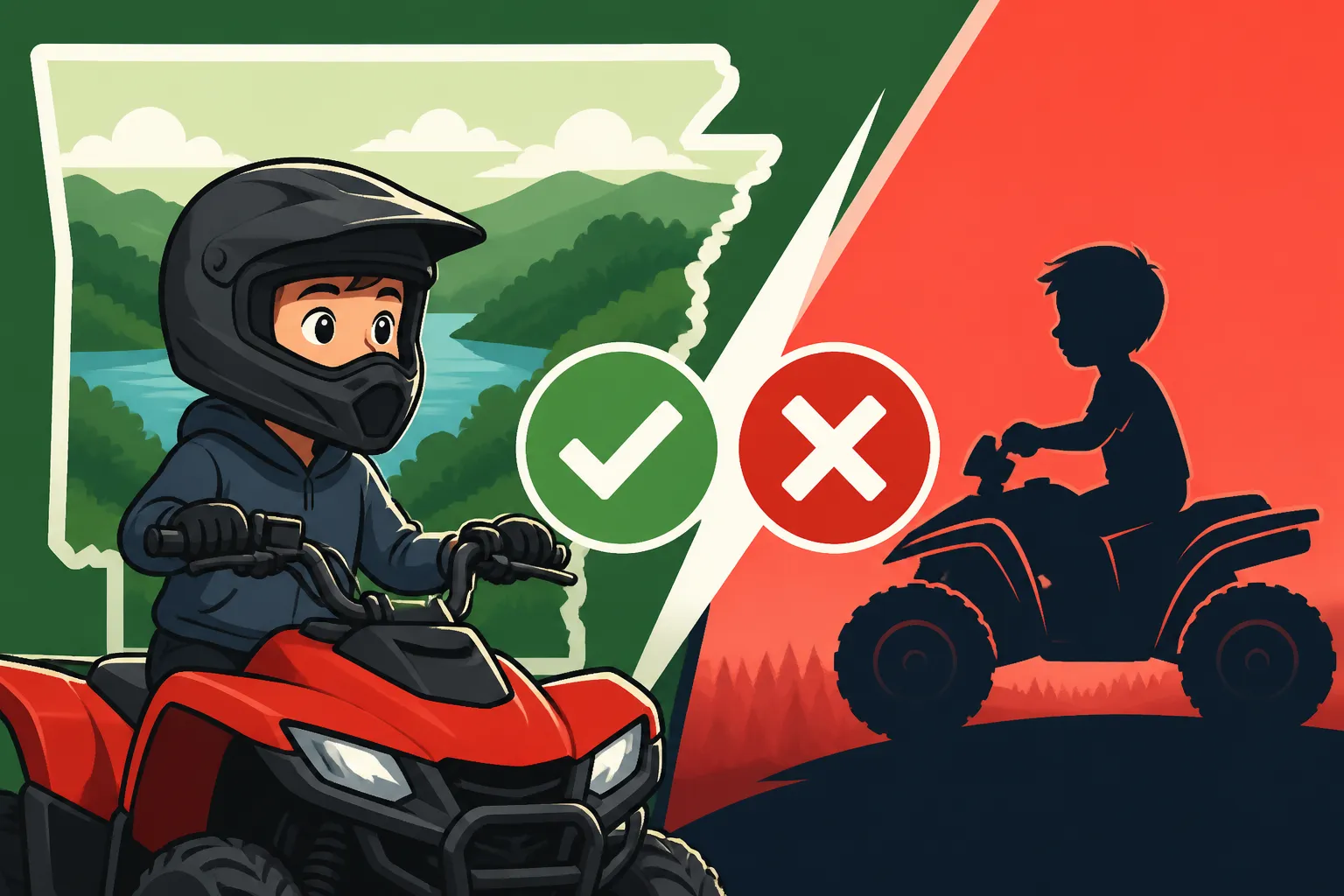
Even without a legal mandate, parental discretion plays the most significant role here, and as a seasoned off-road enthusiast, I cannot emphasize this enough: always have your child wear a DOT-approved helmet when riding an ATV or UTV, no matter the circumstances. While the law might not require it, common sense and a deep concern for your child's well-being absolutely should. A child's developing brain is incredibly vulnerable, and the risks associated with head injuries from even a seemingly minor fall or impact on an ATV are profound.
Think about it this way: a helmet is the most crucial piece of protective gear your child can wear. It acts as a shock absorber, distributing impact forces and dramatically reducing the chance of severe head trauma. There are so many variables out on the trail – unexpected bumps, sudden turns, or even just losing balance while learning to ride. Why take the chance? Investing in a good quality, properly fitting helmet is investing in your child's future. It's an essential best practice, and encouraging [Choosing a Helmet Anyway] is a clear sign of responsible riding.
Supervision Requirements for Young Riders
Beyond helmets, Arkansas does have specific guidelines about supervising young ATV riders. While these regulations don't directly mention helmets, they're intrinsically linked to overall rider safety. For instance, children under the age of 12 must be under the direct supervision of an adult who is at least 18 years old when operating an ATV. This means the supervising adult needs to be within visual and audible range, able to intervene immediately if necessary. As children get older, the rules might relax slightly, but the principle of responsible oversight remains.
This supervision requirement highlights the state's recognition that young riders need extra care and guidance. A supervising adult isn't just there to watch; they're there to teach safe riding techniques, ensure the child is operating the machine within their skill level, and, crucially, confirm they're wearing appropriate safety gear. Imagine a situation where a child under 12 is riding without a helmet, falls, and suffers a head injury. Even if the helmet wasn't legally required, the lack of it would certainly be a point of concern regarding the adequacy of supervision. Understanding [Arkansas Rules for Riders Under Twelve] and [Adult Supervision Rules for Arkansas Riders Under 12] is key to a holistic approach to safety.
Choosing the Right Gear for Your Young Rider
Picking out the right safety gear for your child, especially a helmet, isn't just about grabbing the first one you see. It's about ensuring a proper fit, understanding the purpose of each piece of equipment, and making informed choices that provide the best protection.
Sizing and Fit: More Than Just a Number
When it comes to helmets, fit is king. A helmet that's too loose can shift around during a ride or, worse, fly off during an impact, rendering it useless. One that's too tight will be uncomfortable, distracting, and might even impede vision, making your child less likely to wear it consistently. You need a helmet that's snug but not uncomfortably so. To ensure a good fit, measure your child's head circumference just above the eyebrows and around the widest part of their head.
When trying on helmets, look for these signs of a good fit:
- Snugness: The helmet should feel firm all around the head, with no significant gaps.
- No Movement: When you try to move the helmet from side to side or front to back, it should move your child's scalp slightly, not slide independently on their head.
- Comfort: The cheek pads should fit snugly against their face, but without causing painful pressure points.
- Vision: The eye port should provide a clear, unobstructed view without being too wide or too narrow.
Remember, helmets are typically designed for one-time impact protection. If a helmet has been involved in a crash, even if there's no visible damage, it's generally recommended to replace it. A properly fitting helmet is only effective if it stays on and absorbs the impact as intended.
Beyond the Helmet: Full Protective Gear
While a helmet is the cornerstone of safety, it's part of a larger ensemble of protective gear that all young riders should wear. Think of it as a head-to-toe shield against the unpredictable nature of off-road riding.
- Goggles: As we discussed, [Eye Protection Worth Wearing] is non-negotiable. Quality goggles protect against dust, debris, insects, and branches, ensuring clear vision.
- Gloves: Riding gloves offer multiple benefits. They improve grip on the handlebars, reduce blistering, and protect hands from scrapes, cuts, and impacts with branches or rocks.
- Long Sleeves and Pants: Even on warm days, long sleeves and durable pants (like riding pants or sturdy jeans) are essential. They protect skin from sunburn, scratches, and abrasions in case of a fall. Layering is key for comfort and protection.
- Over-the-Ankle Boots: Sturdy boots that cover the ankle offer crucial protection from foot and ankle injuries, which are common in off-road spills. They also provide better grip on footpegs.
- Chest Protectors: For more aggressive riding or if your child is prone to falls, a chest protector can guard against impacts to the chest and back. This is especially beneficial for riders still developing their balance and control.
Yes, accumulating all this gear can feel like a significant upfront cost, and it's a valid concern for many families. However, the cost of proper gear pales in comparison to the potential medical expenses and long-term consequences of a serious injury. Think of it as a necessary investment in your child's safety and your peace of mind.
Leading Brands and Where to Find Good Gear
When you're ready to invest in quality safety gear for your young rider, you'll find a wide array of reputable brands that specialize in off-road protection. It's always a good idea to research and read reviews to find gear that balances safety, durability, and comfort. Many local ATV dealerships will carry a selection of gear, and online retailers offer an even broader choice.
Brands like SuperATV, while widely known for aftermarket parts and accessories, often highlight the importance of safety and offer a range of products that complement safe riding, indirectly promoting the need for quality protection. When you're looking for helmets, look for certifications like DOT (Department of Transportation) or Snell, which indicate the helmet has met specific safety standards. For other gear, prioritize durable construction, good ventilation, and a comfortable fit that won't restrict movement. Don't be afraid to ask questions at dealerships; a knowledgeable staff member can help you find the right sizes and types of gear for your child's specific needs and riding style.
Navigating Common Riding Scenarios with Kids
Understanding the general rules is one thing, but applying them to real-world riding situations with children can get a little nuanced. Whether you're hitting state trails or just exploring your own property, knowing what to expect and what's expected of you as a parent is crucial.
Riding on Private Land vs. Public Trails
The place where your child rides can significantly impact the rules and expectations regarding helmets. If your child is riding solely on your private property, or on private land with the owner's explicit permission, Arkansas state law will not require a helmet. This is the scenario where parents have the most direct control and discretion. However, even in this low-stakes environment, our strong recommendation stands: a helmet is always the safest choice for a child. A fall in your own backyard can be just as damaging as a fall on a public trail.
The moment you venture onto public trails, such as those within the Ouachita or Ozark-St. Francis National Forests, or into any dedicated off-road park, the situation changes. While Arkansas's state helmet law still doesn't apply directly to ATVs, these public lands and private parks often have their own governing rules that do mandate helmets for all riders, especially minors. It's vital to research the specific regulations for any area you plan to visit. For example, national forest trails might fall under federal regulations or specific local guidelines that require helmets. Don't assume that just because you're in Arkansas, the "no state law" rule applies everywhere. Always check the specific location, as rules for places like [Arkansas National Forest Riding Explained] can vary.
What to Expect at Private OHV Parks
Private Off-Highway Vehicle (OHV) parks are generally the most stringent when it comes to safety gear for kids. These parks are businesses that manage significant liability, and they prioritize rider safety to prevent accidents and maintain their operational permits. If you're heading to a popular spot like Hot Springs Off-Road Park or Byrd's Adventure Center, prepare for a thorough check-in process.
Here’s what you can typically expect:
- Waiver Signatures: You, as the parent or guardian, will sign waivers acknowledging risks and agreeing to abide by park rules. These waivers almost always include a helmet requirement for all riders, particularly minors.
- Gear Check: Staff members may visually inspect riders to ensure they are wearing appropriate safety gear, including helmets, goggles, and often long sleeves, pants, and boots. They aren't just being difficult; they're trying to keep everyone safe.
- Age and Supervision Verification: For younger riders, parks will verify age and ensure a supervising adult is present and accountable.
- Permit Requirements: Some parks may require their own specific permits, and adherence to safety gear rules is often part of that permit agreement.
Failing to meet these requirements can mean your child won't be allowed to ride, which can be a huge disappointment after a long drive. To avoid any unwelcome surprises, always call ahead or check the park's website for their specific [Arkansas Private Park Waivers and Rules] before you pack up and go.
Educating Your Child About ATV Safety
Beyond the gear, a crucial component of ensuring your child's safety is ongoing education. A helmet is a tool, but a well-informed and responsible rider is the best protection. Start early by teaching them about the power and potential dangers of ATVs. Explain why certain rules and gear are important, rather than just dictating them. When children understand the rationale behind safety measures, they're more likely to adopt them willingly.
Here are some key educational points to cover:
- Pre-Ride Checks: Teach them how to quickly inspect their machine before each ride (tires, brakes, throttle).
- Safe Riding Practices: Emphasize staying on designated trails, riding within their skill level, and never speeding or showing off.
- Trail Etiquette: Explain the importance of being respectful to other riders and the environment, including yielding to others and not littering.
- Environmental Awareness: Teach them to be aware of changing trail conditions, wildlife, and potential hazards like hidden roots or rocks.
- Leading by Example: As a parent, consistently wear your own safety gear. Children learn by observing, and your commitment to safety will influence their habits.
While Arkansas [Arkansas Has No Mandatory ATV Safety Course], enrolling your child in a voluntary ATV safety course can be incredibly beneficial. These courses provide hands-on training, teach fundamental riding techniques, and reinforce safety principles in a structured environment. They can also help your child build confidence and develop the judgment necessary for safe riding. It's an investment in their skills and their ability to make smart decisions when they're out on the trails.
Helmet Rules and Recommendations Comparison
To help clarify the various layers of helmet requirements and recommendations for young ATV and UTV riders in Arkansas, here's a handy comparison table. This can help you quickly understand what applies in different scenarios.
| Aspect | Arkansas State Law (ATVs/UTVs) | Private OHV Parks/Specific Trail Systems | Best Practice (Parental Recommendation) |
|---|---|---|---|
| Mandatory Helmet for Kids? | No, state law does not mandate helmets for ATV/UTV riders of any age. | Yes, almost universally required for all riders, especially minors. | Yes, strongly recommended for all young riders on every ride. |
| Enforcement | None by state law. | By park staff (check-in, trail patrols). Failure to comply means no riding. | By parents/guardians, through education and consistent expectations. |
| Applies To | Riding on public roads (where exceptions apply), certain public lands. | Specific private properties, designated off-road parks, certain national forest trails. | All riding situations, on private land, public land, or in parks. |
| Legal Penalties | None for lack of helmet. | Exclusion from the park/trail; no refund. | None, but significant risk of injury if not followed. |
| Key Rationale | Distinct legal definition from motorcycles. | Liability, insurance requirements, safety culture, minimizing injury risk. | Preventing head trauma, role modeling, teaching lifelong safety habits. |
Disclaimer
This article is for general informational purposes only and does not constitute professional advice. Laws, prices and regulations vary by location and change over time. Consult a qualified professional for guidance on your specific situation.