How an Arkansas City Council Opens Streets to UTVs
It can be incredibly frustrating to own a UTV and feel like your riding opportunities are limited to private land or dedicated off-road parks. Many folks dream of being able to hop on their side-by-side to run a quick errand, grab groceries, or simply cruise through their hometown streets. But the question of legality often looms large. This comprehensive guide will walk you through exactly how an Arkansas city council can open up its streets to UTVs, what that process entails, and what you need to know to ride legally in your community.
Understanding Arkansas's Default Position on Road Riding
Before we dive into how a city council can change things, it's crucial to understand the baseline. For a long time, and still predominantly, Arkansas has taken a very clear stance on off-highway vehicles (OHVs) like ATVs and UTVs on public roads. The general rule has been, and largely remains, that these machines are simply not allowed on state highways, county roads, or city streets. This isn't just a suggestion; it's a matter of state law.
The Statewide Ban on OHVs on Public Roads
The default position in Arkansas is that ATVs and UTVs are designed for off-road use, period. They aren't typically manufactured with the same safety features, signaling systems, or road-worthiness standards as conventional automobiles. Because of this, the state legislature enacted statutes that essentially prohibit their operation on paved or public roadways. This blanket ban aims to ensure public safety, preventing collisions between faster, heavier road vehicles and lighter, often slower, off-road machines. It's a bummer for those of us who just want to drive down the road to a friend's house, but it comes from a place of public safety concern. The state simply decided that, by default, these machines don't belong in the mix with cars and trucks. For a deeper dive into what the state generally says, check out [Arkansas Makes Road Riding Unlawful by Default].
Arkansas's Six Statutory Road Exceptions
Now, like almost every rule, there are exceptions. Arkansas law does carve out specific situations where an OHV might legally touch a public road, but these are generally very narrow and purpose-driven. You might be surprised to learn that these exceptions aren't about joyriding down Main Street. Instead, they cover things like farming operations, hunting operations (for specific purposes), emergency services, and utility work. There are also allowances for direct crossings of a highway at a ninety-degree angle, but even then, you have to come to a complete stop and ensure safety first. These exceptions were put in place to allow essential activities to continue without completely hamstringing folks who rely on their machines for work or access, but they don't grant general street access. To understand these specific carve-outs, you might find [Arkansas's Six Statutory Road Exceptions] helpful.
Act 922 and the Local Option Rule
So, if the state has a general ban, how can a city council open its streets? This is where a pivotal piece of legislation comes into play: Act 922. This act was a game-changer for UTV owners across Arkansas because it introduced the "local option" rule, fundamentally shifting some control from the state to individual municipalities.
What Changed on August 5, 2025
The effective date of Act 922 was August 5, 2025 (or around that timeframe, it's essential to always check the latest legislative updates as laws can shift). Before this act, cities essentially had no authority to permit UTVs on their streets beyond the very limited state-mandated exceptions. Their hands were tied by the statewide prohibition. With Act 922, the state legislature recognized that local communities have unique needs and characteristics. A small, rural town might have very different traffic patterns and safety concerns than a bustling metropolitan area. Therefore, it made sense to give local governments the power to assess their own situations and make decisions that best fit their community.
This change didn't automatically make UTVs street legal everywhere in Arkansas. Far from it. What it did was open the door for each individual city council to consider and vote on whether they wanted to allow UTVs on certain municipal streets. It created the legal framework for local control, acknowledging that a one-size-fits-all approach wasn't always practical or desirable. It's really about empowering local decision-making.
Empowering Local Municipalities to Decide
The "local option" is precisely what it sounds like: it's an option, not a mandate. No city in Arkansas is required to allow UTVs on its streets. Instead, Act 922 gives city councils the authority to pass their own ordinances, essentially creating their own local rules that supersede the general state ban within their city limits, but only for municipal streets. This is a critical distinction. A city ordinance can only govern the streets directly under that city's jurisdiction. It cannot permit UTVs on state highways or county roads that pass through or skirt the city, as those remain under state and county authority, respectively.
This empowerment means that if you're a UTV owner eager to ride in your town, your efforts should be directed towards your local city council. They are the ones with the power to draft, debate, and enact the necessary legislation. Understanding [How Arkansas Cities Got the Choice on UTVs] is key to participating in this process.
The Process for a City Council to Adopt an Ordinance
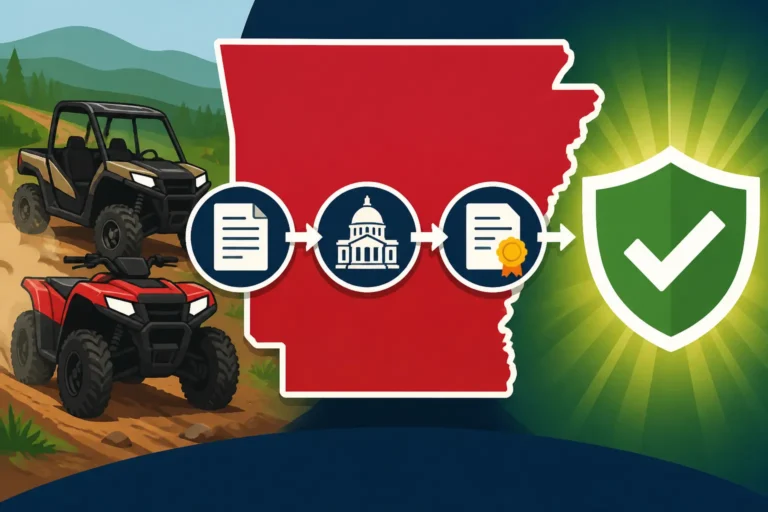
So, your local city council has the power – but how do they actually use it? Passing a new ordinance is a formal process that involves several steps, public involvement, and ultimately, a vote. It's not something that happens overnight, but it is achievable with community support and diligent effort.
Initial Discussions and Public Input
The journey for a UTV ordinance typically begins with informal discussions, often spurred by concerned citizens, UTV enthusiasts, or even council members themselves. Residents might approach their aldermen or city manager, expressing interest in legalizing street use for UTVs. This initial outreach is crucial because it demonstrates community interest and can put the item on the city council's radar.
Once the idea gains some traction, the city council or a designated committee might begin preliminary discussions. They'll likely consider various factors: the size and layout of the city, traffic volume, existing infrastructure, potential safety concerns, and the experiences of other Arkansas towns that have already adopted such ordinances. At this stage, city staff might research state law, look at model ordinances from other places, and gather data. This is an excellent time for UTV owners to engage, providing data on UTV safety features, responsible riding, and the economic benefits that might come from allowing street access (e.g., increased patronage for local businesses).
Drafting the UTV Ordinance
If the initial discussions are favorable, the next step is drafting the actual ordinance. This is a technical process, usually handled by the city attorney or a legal team, to ensure the ordinance is legally sound, aligns with state law (specifically Act 922), and is enforceable. The draft ordinance will specify exactly which streets are open, what type of vehicles are allowed (e.g., UTVs only, not necessarily ATVs), what equipment is required, and any other pertinent rules.
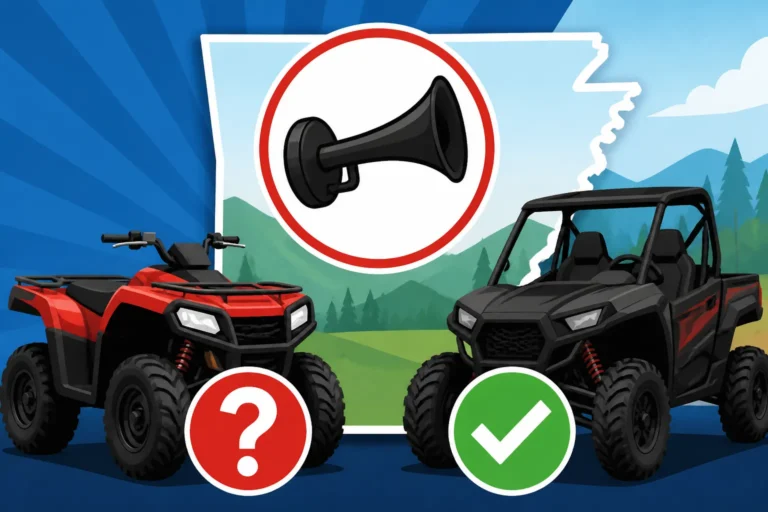
This draft will likely incorporate many common-sense safety requirements. For instance, it might stipulate that UTVs must have proper lighting, turn signals, mirrors, a horn, and seat belts to be considered street-legal. They might also impose width limitations or engine size restrictions, though these tend to be less common in city ordinances, which often defer to the state's definition of an OHV. A good resource for looking at common requirements is [Arkansas Equipment for a Street-Permitted Machine]. Companies like SuperATV specialize in accessories that can help UTV owners meet these types of requirements, offering everything from signal kits to rearview mirrors.
Public Hearings and Council Vote
Once a draft ordinance is prepared, it enters the public phase. This is arguably the most critical stage for community input. The city council will typically hold one or more public hearings where residents can express their opinions, ask questions, and raise concerns. This is a chance for both proponents and opponents of the ordinance to make their voices heard.
For UTV proponents, it's vital to present a respectful, well-reasoned argument that emphasizes safety, responsible riding, and the benefits to the community. Addressing potential concerns head-on, such as noise or traffic safety, can go a long way. After the public hearings, the city council will deliberate and, if satisfied, proceed to a vote. Most ordinances require multiple readings and a majority vote to pass. If it passes, the ordinance becomes law within the city limits, opening up opportunities for local UTV use. For more on how this process can unfold, you might want to read [Arkansas Towns Weighing a UTV Ordinance].
Key Provisions and Restrictions in Local UTV Ordinances
When a city council passes a UTV ordinance, it doesn't just throw open all roads to all machines. These ordinances are carefully crafted with specific rules and restrictions designed to maintain safety and order. Understanding these common provisions is essential for any UTV owner planning to ride in an approved city.
Speed Limits and Road Types
One of the most common restrictions you'll find in local UTV ordinances relates to speed and the types of roads allowed. Most cities will limit UTV access to streets with posted speed limits of 35 mph or less, or sometimes 55 mph or less in more rural settings. It's incredibly rare to find an ordinance that allows UTVs on state highways or major four-lane streets, even if those roads pass through the city. These higher-speed, higher-traffic routes are typically deemed too dangerous for UTVs, and rightly so, as state law usually overrides local control on these thoroughfares.
For instance, an ordinance might state that "UTVs are permitted on any public street within city limits where the posted speed limit is 35 miles per hour or less, excluding any state or federal highways." This clearly defines the permissible boundaries, keeping UTVs off the busiest and fastest roads. Always remember that even if your city allows UTVs, you still need to know [Arkansas ATV Road Rules: What 27-21-106 Says] which applies broadly across the state.
Equipment Requirements
Safety equipment is a huge focus for city ordinances. Since UTVs aren't typically manufactured as street-legal vehicles, local laws often mandate specific additions to ensure they are visible and can communicate with other traffic. Common requirements include:
- Headlights and Taillights: Operational at all times, not just at night.
- Brake Lights: Clear and functional.
- Turn Signals: Front and rear, just like a car. This is where a company like SuperATV comes in handy, as they offer many universal or machine-specific turn signal kits to help you comply.
- Rearview Mirrors: Typically at least one, and often two, side mirrors are required.
- Horn: An audible warning device.
- Seat Belts: For all occupants, and they must be worn.
- Windshield: Some ordinances may require a windshield.
These requirements are designed to bring UTVs closer to the safety standards of regular street vehicles, making them more predictable and visible to other drivers. If you're considering riding in a town with an ordinance, you should definitely review [Arkansas Turn Signal Requirements for Street UTVs] to ensure your machine is up to snuff.
Permitting, Fees, and Annual Renewals
To help regulate and track street-legal UTVs, many cities implement a local permitting system. This usually involves an application process, a nominal fee, and the issuance of a decal or sticker that must be displayed on the UTV. The permit often needs to be renewed annually, sometimes for a small recurring fee.
For example, a city might require UTV owners to register their machine with the city clerk, provide proof of ownership, and pay a $25 annual permit fee. The permit could be a bright sticker placed on the windshield or dashboard. This system allows the city to keep a record of registered UTVs, ensures owners are aware of local rules, and provides a small revenue stream to cover administrative costs or street maintenance. You can learn more about this specific aspect in [Arkansas UTV Street Permits and Annual Fees].
Insurance and Driver's License Requirements
Personal responsibility is a big part of any street-legal UTV ordinance. Cities almost universally require that the UTV operator possess a valid driver's license – typically a standard Class D driver's license, not a specialized OHV permit. This ensures that the person operating the UTV on public roads has met the state's basic requirements for safe vehicle operation. For young drivers, this means adhering to the state's minimum age of 16 for a driver's license. [Arkansas Driver's License at 16 for Street UTVs] has more details.
Furthermore, proof of liability insurance is almost always a prerequisite for obtaining a city permit. This is critical for protecting all parties involved in the event of an accident. The insurance policy must meet the state's minimum liability coverage requirements, just like any other motor vehicle. Before you even think about applying for a city permit, make sure your insurance coverage is sorted out. A helpful resource on this topic is [Arkansas Insurance for a Street-Permitted UTV].
Examples of Arkansas Cities with UTV Ordinances
It's one thing to talk about the theoretical process, and another to see it in action. Several cities across Arkansas have taken advantage of Act 922 to establish their own UTV ordinances. Examining some of these examples can give you a clearer picture of what to expect and how these rules vary from one community to another.
Bono's Pioneering Ordinance
The city of Bono, Arkansas, is often cited as one of the pioneers in implementing a UTV ordinance after Act 922. They recognized the local desire for UTV access and worked to create a framework that balanced rider freedom with public safety. Bono's ordinance, for example, typically permits UTVs on city streets where the posted speed limit is 45 mph or less, but with specific exclusions for state highways like Highway 63. This demonstrated a clear understanding of the limits of local authority, as the state highway remains off-limits even within Bono's city limits.
Bono's rules also cover standard equipment requirements, permit fees, and the need for a valid driver's license and insurance. Their approach has served as a model for other smaller towns looking to create their own UTV regulations. It shows that with careful planning and community engagement, it's absolutely possible to integrate UTVs safely into a town's streetscape. For the specific details, you can look up [Bono's Street Rules for UTVs in Arkansas].
Cotter's Approach and Restrictions
While Bono embraced UTVs, other towns might take a more cautious or even restrictive approach. Some cities, like Cotter, have opted not to allow ATVs at all, even while potentially considering golf carts. This highlights the "local option" aspect perfectly: each city makes its own decision. A city might decide that due to its specific road network, traffic density, or community demographics, UTVs are simply not a good fit for their streets.
It's also possible for a city to pass an ordinance that includes very stringent restrictions, perhaps limiting UTVs to only a few designated streets, or imposing a lower speed limit than other towns. This variation underscores why it's absolutely crucial to research the specific ordinance for your town. There's no statewide template for these local rules, so what's legal in one city might be illegal just a few miles down the road.
What to Look For in Your Town's Specific Rules
Given the diversity in local ordinances, you absolutely must do your homework. Here's a quick checklist of what to look for when researching your city's UTV rules:
- Permitted Vehicle Types: Does the ordinance cover ATVs, UTVs, golf carts, or all OHVs?
- Permitted Streets: Which specific streets or types of roads are allowed? Are there any exclusions (e.g., state highways)?
- Speed Limits: What's the maximum posted speed limit for streets open to UTVs?
- Equipment Requirements: What specific lights, mirrors, turn signals, etc., are mandated? This is where your SuperATV accessories come in!
- Operator Requirements: What kind of driver's license is needed? Is there a minimum age?
- Insurance: What are the minimum liability coverage requirements?
- Permit Process: How do you get a permit? What are the fees? Is it annual?
- Hours of Operation: Are there any restrictions on riding at night? (Less common, but possible).
- Passengers: Are there rules about the number of passengers or child passengers?
Finding this information means you won't get caught off guard. Every UTV owner should definitely consult [Reading Your Town's Ordinance Before You Ride] before hitting the streets.
Navigating Your Town's UTV Rules
So, you've learned how cities can allow UTVs, and what kind of rules they might put in place. Now, what do you do with all this information? It comes down to understanding your local situation and, if necessary, engaging with your community and city government.
Where to Find Your City's Ordinance
The absolute best place to find your city's specific UTV ordinance is by contacting your city clerk's office. They are the keepers of all official city records and can provide you with a copy of the ordinance or direct you to where it's published online (many cities have their ordinances available on their official websites). Don't rely on hearsay or what a friend "heard" was allowed. Get the official document and read it thoroughly.
You can also often find summaries or direct links to ordinances on the city's official website under sections like "City Code," "Ordinances," or "Public Safety." Be prepared to read through legal language, but understanding the precise wording is crucial for compliance. Once you have the official word, you'll know exactly what you need to do to make your UTV street-legal in your town. This knowledge is specifically covered in [Arkansas UTV Street Legal Rules by Town].
What to Do If Your Town Doesn't Have One
If you contact your city clerk and find out there's no ordinance allowing UTVs on city streets, don't despair! This just means your town hasn't yet exercised its "local option" under Act 922. It doesn't mean it's impossible. In fact, it means you have an opportunity to be a catalyst for change.
Start by gathering information. Research other towns in Arkansas that do have ordinances (like Bono). Understand what their rules are, what their process was, and what challenges they faced. This preparation will make you a much more credible and effective advocate.
Next, talk to your neighbors and fellow UTV owners. Gauge interest and build a coalition of like-minded individuals. A single voice might be easy to dismiss, but a united group carries much more weight.
The Role of Advocacy and Community Engagement
Once you have your information and your supporters, it's time to engage with your city council. This can involve:
- Contacting individual council members: Reach out to your alderman or councilperson directly. Schedule a brief meeting to explain your interest, share your research, and discuss potential benefits.
- Attending city council meetings: This is a great way to observe the process and identify opportunities to speak during public comment periods.
- Presenting a formal proposal: Work with your group to draft a clear, concise proposal that outlines the benefits (economic, recreational, convenience), addresses common concerns (safety, noise), and perhaps even offers a model ordinance based on successful examples from other towns.
- Emphasizing responsible riding: Stress that UTV owners in your community are responsible, safety-conscious individuals who want to enhance, not detract from, their town. Highlighting features like those offered by SuperATV, which enhance safety and compliance, can also be a good point.
Remember, advocacy is a marathon, not a sprint. It takes patience, persistence, and a willingness to compromise. But by actively participating in your local government, you can absolutely play a vital role in shaping the future of UTV riding in your Arkansas community.
| Ordinance Element | Common City Requirements (General Example) | Notes |
|---|---|---|
| Permitted Roads | Streets with speed limit 35 mph or less | Excludes state/federal highways, county roads |
| Required Equipment | Headlights, taillights, brake lights, turn signals, horn, rearview mirror(s), seat belts | Must be functional and used |
| Driver's License | Valid Class D (standard auto) license | No learner's permits, no specialized ATV/UTV license |
| Insurance | Proof of minimum state liability coverage | Required for all operators on city streets |
| Permit/Registration | Annual city permit, visible decal, small fee | Varies by city, check for renewal process |
| Operator Age | Must be 16+ with valid driver's license | Follows state driver's license laws |
| Occupants | Limited to manufacturer's seating capacity | All passengers must use seat belts |
| Operating Hours | Generally allowed during daylight hours | Some may restrict late-night operation |
Disclaimer
This article is for general informational purposes only and does not constitute professional advice. Laws, prices and regulations vary by location and change over time. Consult a qualified professional for guidance on your specific situation.