Reading Your Town’s Ordinance Before You Ride
Riding your ATV or UTV in Arkansas can be a fantastic way to explore the natural beauty of the state, but the rules for taking these machines onto public roads are notoriously complex and often a source of deep frustration. Many riders find themselves confused by conflicting information, unaware that while state law sets a baseline, individual towns and cities have the power to create their own unique ordinances. This guide will help you cut through that confusion by explaining exactly how to find, read, and understand your local municipality's specific rules before you ever hit the pavement, preventing unexpected tickets or misunderstandings.
The Shifting Landscape of Arkansas ATV/UTV Road Rules
For years, the general sentiment among Arkansas riders was clear: ATVs and UTVs were for trails, private land, or very specific agricultural uses, but almost never for public roads. This perception was rooted in the state’s overarching laws, which, by default, prohibit these off-highway vehicles (OHVs) from operating on highways and public streets. It felt like a constant battle, especially for those who just wanted to run to the corner store or connect two pieces of property without trailering their machine.
Arkansas's Default Ban on Road Riding
Let's be clear about the foundation: Arkansas state law generally prohibits the operation of ATVs and UTVs on public roads, streets, and highways. This isn't just a suggestion; it's the default legal stance. The intention behind these laws is typically to ensure public safety, as these machines are not designed or equipped for the speeds and traffic conditions found on paved roadways. They lack standard safety features like turn signals, mirrors, and proper lighting required for street-legal vehicles, which makes them a risk in a conventional traffic flow. Riders often feel this ban is overly restrictive, especially when they see similar vehicles like golf carts on neighborhood streets in other areas, but the state has specific definitions for what constitutes an OHV, and these machines fall squarely within that category. You can learn more about [What Arkansas Law Forbids on a Public Road].
However, there are crucial exceptions carved out at the state level. These generally pertain to specific scenarios such as crossing a highway, using the machine for agricultural purposes, or during hunting operations. For instance, you might be able to cross a road at a ninety-degree angle after coming to a complete stop, or operate your machine for certain farm-related tasks. These [Arkansas's Six Statutory Road Exceptions] are vital to understand, but they are limited and don't grant general street access. They are more about allowing necessary movements rather than recreational road use.
The Local Option for UTVs: A Game Changer
The landscape for UTVs specifically began to shift with the passage of Act 922 in 2025. This pivotal legislation introduced a "local option," empowering individual Arkansas towns and cities to create their own ordinances to permit the use of certain UTVs on local streets. This was a monumental change, moving the decision-making power from a blanket state ban to a community-by-community choice. It recognized that a small, quiet town might have different needs and traffic patterns than a bustling city.
This meant that suddenly, the answer to "Can I ride my UTV on the road?" became, "It depends on where you are." A UTV that is perfectly legal to ride on the streets of Bono might be strictly prohibited just a few miles away in Cotter. This local control gives residents a voice in how their community manages these vehicles, but it also places the burden of research squarely on the rider. Understanding [How Arkansas Cities Got the Choice on UTVs] is key to appreciating this dynamic legal environment. It's no longer enough to know the state law; you must also know your local law.
Why Local Ordinances Create Confusion
This patchwork of regulations is precisely why so many riders feel lost. Imagine driving through several towns in a single day, each with its own set of rules regarding UTVs. One town might require a permit, another might not. One might allow them on all streets under 35 mph, while another restricts them to residential areas only. This variation is further compounded by the fact that some towns might have passed ordinances, while others have chosen not to, leaving the state's default ban firmly in place.
Adding to the confusion is the fact that many of these local ordinances apply only to UTVs, not ATVs. The state's definition typically differentiates between the two, often based on features like side-by-side seating, steering wheel, and a roll cage. So, while your side-by-side might be eligible for street use under a local ordinance, your traditional four-wheeler ATV likely remains subject to the stricter state-level prohibitions. This distinction is critical and often missed by riders. This is why it’s so important to dive deep into [Arkansas UTV Street Legal Rules by Town] rather than making assumptions.
How to Find Your Town's Specific ATV/UTV Ordinance
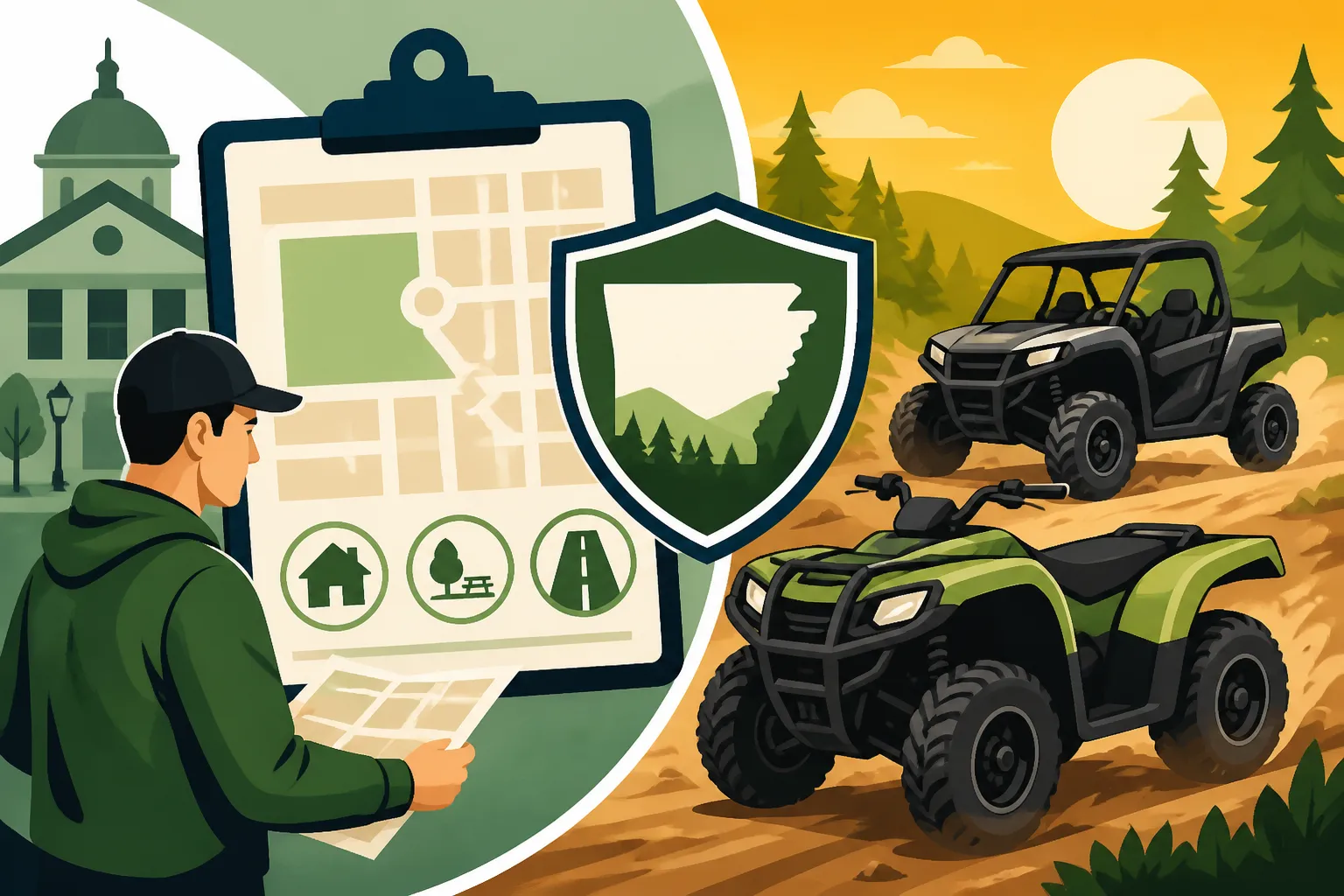
So, you're in an Arkansas town, you own a UTV, and you're wondering if you can legally drive it on the streets. Your first and most important step is to find out if that town has passed a specific ordinance. This isn't always as simple as a quick Google search; you need to go to the source. Taking the time to do this due diligence can save you from a costly ticket or even impoundment.
Starting with Your City Clerk or Administrator
The most reliable and often the quickest way to get accurate information about local ATV/UTV ordinances is to contact your city clerk or city administrator's office. These individuals are the official custodians of municipal records, including all ordinances passed by the city council. They can tell you definitively if an ordinance exists, point you to where it's published, and sometimes even provide you with a copy.
When you call or visit, be specific. Ask if there is an ordinance in place that allows the operation of "off-highway vehicles," "utility terrain vehicles (UTVs)," or "side-by-sides" on public streets. Don't just ask about "ATVs," as this might lead to confusion given the distinction many laws make. Be prepared to note down the ordinance number or date of passage if they provide it. If they say no such ordinance exists, then the state's default ban applies to your location, and you should not operate your machine on public roads beyond the specific state-level exceptions.
Navigating Online Municipal Code Databases
Many Arkansas cities and towns now publish their entire municipal code online. Websites like Municode, Code Publishing Company, or even the city's own official website are excellent resources. These platforms allow you to search through the codified laws of a municipality. You'll want to use keywords like "UTV," "side-by-side," "off-highway vehicle," "OHV," or even "motorized vehicle" in conjunction with terms like "street," "road," or "public way."
When using these online databases, be mindful of the effective date of any ordinance you find. Sometimes an ordinance is passed, but its effective date is in the future, or it might have been amended since its original publication. Always look for the most current version. If you find something that seems relevant, it's a good practice to still call the city clerk to confirm it's the latest and most accurate information. These online resources are fantastic, but an in-person or phone confirmation adds an extra layer of certainty.
Public Meetings and Community Resources
Another way to stay informed, especially if an ordinance is still being debated or is relatively new, is through public meetings and community resources. City council meetings are where these ordinances are discussed, voted on, and adopted. Attending or reviewing the minutes from these meetings can give you insights into the intent behind the rules and any ongoing changes. Local news outlets or community social media groups might also be discussing these topics, though always cross-reference any information found in informal channels with official sources.
Riders can also benefit from joining local ATV/UTV clubs or forums. Often, these groups have members who are deeply involved in local politics or are very knowledgeable about current regulations. They might be able to share experiences, provide copies of ordinances they've obtained, or direct you to the right person or department. Just remember, while these community resources are valuable for discussion and guidance, the official word always comes from the municipality itself.
Key Elements to Look For in a Local Ordinance
Once you've located your town's UTV ordinance, simply finding it isn't enough. You need to read it meticulously, because the devil is truly in the details. These ordinances aren't boilerplate; they often have very specific requirements that your machine and your riding habits must meet. Skipping over a single sentence could mean the difference between a legal ride and a citation.
Eligible Machine Types and Width/Engine Limits
Not all UTVs are created equal in the eyes of local law. Many ordinances will specify the types of machines allowed, often adhering to the state's definitions. For example, the ordinance might explicitly state that it applies to "Utility Terrain Vehicles (UTVs) as defined by Arkansas Code § 27-21-102," which often includes limitations on maximum width and engine displacement. You might find that your side-by-side, even if it has four wheels and a steering wheel, is too wide or too powerful to qualify under the local rules.
It's common for ordinances to set a width cap, such as [Arkansas's 50-Inch, 1,000cc ATV Definition] or sometimes up to 80 inches for UTVs. Some ordinances might even specify that the machine must be "factory-equipped" or meet certain safety standards from the manufacturer. If your UTV has aftermarket modifications that increase its width beyond the allowed limit, or if it's a homemade machine, it might not qualify. Verify your machine's exact dimensions and engine size against the ordinance's language.
Permitted Streets and Prohibited Roadways
This is a critical section for riders. Most UTV ordinances do not grant universal access to all public roads. Instead, they typically designate specific types of streets where UTVs are allowed and, just as importantly, list those that are explicitly prohibited. Common restrictions include:
- Speed Limits: Many ordinances restrict UTV use to streets with posted speed limits of 35 mph or less, or sometimes up to [Arkansas Streets Under 55 mph for UTVs]. Major arterial roads or state highways passing through town are almost universally excluded.
- Four-Lane Streets: Often, [Arkansas Four-Lane Streets Stay Closed] to UTVs, regardless of the speed limit, due to higher traffic volumes and more complex intersections.
- Specific Highways: Some towns might explicitly name state or federal highways that are off-limits, even if they run through the municipal boundaries. For example, [Why Highway 63 Stays Off Limits in Bono] is a very specific local exclusion.
- Residential vs. Commercial Areas: Occasionally, an ordinance might differentiate between types of areas, allowing UTVs in residential zones but not heavy commercial districts.
Map out your intended routes and verify that every street you plan to use falls within the permitted categories. Don't assume that because a street looks like a residential road, it's automatically included.
Required Equipment for Street Use
Operating a UTV on public streets, even under a local ordinance, isn't as simple as driving it straight off the trail. These machines must be equipped with certain safety features to be considered street-legal within the town's limits. These requirements are often designed to bring the UTV closer to the standards of a conventional vehicle and are crucial for visibility and safe operation.
Typical equipment requirements include:
- Headlights and Taillights: These are almost always mandatory, ensuring visibility during dawn, dusk, or inclement weather.
- Brake Lights: Essential for signaling deceleration to other drivers.
- Turn Signals: [Arkansas Turn Signal Requirements for Street UTVs] are a common feature in local ordinances, as they are fundamental for safe lane changes and turns. Many stock UTVs do not come with these, requiring an aftermarket kit. This is where products from brands like SuperATV often come into play, offering comprehensive turn signal kits, mirrors, and other street-legal conversion accessories specifically designed for popular UTV models.
- Mirrors: Side mirrors and a rearview mirror are usually required to provide the driver with adequate visibility of surrounding traffic.
- Horn: A functional horn is necessary for signaling warnings to pedestrians or other vehicles.
- Windshield: Some ordinances may require a windshield to protect the driver and passengers from debris.
- Seat Belts: Most UTVs come with seat belts, but the ordinance might specify their functional requirement for all occupants.
- License Plate Lighting: If the town requires a city-issued permit sticker or plate, it might also require illumination for it.
Before you consider riding, do a thorough inspection of your UTV. If it lacks any required equipment, you'll need to install it. Checking out resources on [Arkansas Equipment for a Street-Permitted Machine] can help ensure you're fully compliant.
Age, Licensing, and Insurance Requirements
Beyond the machine itself, the driver and the machine's insurance status will also be scrutinized. Local ordinances typically mimic state law regarding driver qualifications for street use. This usually means:
- Driver's License: The operator must possess a valid, unexpired driver's license, often specifying a minimum age, such as [Arkansas Driver's License at 16 for Street UTVs]. A learner's permit is generally not sufficient for operating a UTV on public streets.
- Insurance: Proof of liability insurance is almost always a requirement for operating any motor vehicle on public roads, and UTVs are no exception. The ordinance will likely specify the minimum coverage limits. You'll need to contact your insurance provider to ensure your UTV policy meets these requirements. For more details, refer to [Arkansas Insurance for a Street-Permitted UTV].
- Permit Fees and Renewal: Many towns that allow UTVs on streets require an annual permit. This often comes with an application fee and an annual renewal process. The ordinance will detail [Arkansas UTV Street Permits and Annual Fees], including how much it costs, where to apply, and how often it needs to be renewed. You might need to display a permit sticker on your machine.
Always carry your driver's license, proof of insurance, and any required city permit with you while riding. Deputies or local law enforcement officers will likely ask to see these documents if you are stopped.
Understanding the Implications of Your Local Ordinance
Just like understanding the rules of a game before you play, knowing the full implications of your town's UTV ordinance is crucial. It's not just about what you can do, but also what you must do, and what the consequences are if you don't. This involves everything from how you get your permit to what happens if you break the rules.
Permit Application and Renewal Processes
If your town has a UTV ordinance, it almost certainly requires a permit for street operation. The ordinance will lay out the step-by-step process for obtaining this permit. Typically, you'll need to fill out an application form, provide proof of ownership (like a bill of sale or title if applicable), show your driver's license, and provide proof of insurance. You might also need to bring your UTV in for a visual inspection to verify it has all the required safety equipment.
These permits are usually annual, meaning you'll need to go through a renewal process each year. Keep track of the expiration date to avoid riding with an expired permit, which could lead to fines. Some towns might send renewal notices, but it's ultimately your responsibility to stay current. The process can vary significantly, so don't assume it will be the same as registering a car. It's a specific UTV-related municipal process.
Enforcement, Fines, and Penalties
This is where the rubber meets the road, so to speak. Your local ordinance will detail the penalties for non-compliance. These can range from a simple warning for minor infractions to significant fines, impoundment of your vehicle, or even more severe legal consequences for repeat offenses or dangerous driving. Law enforcement officers, whether city police or county deputies, are empowered to enforce these local rules.
Don't underestimate the penalties. [Arkansas Penalties for Illegal Road Riding] can be substantial, often comparable to traffic violations for conventional vehicles. An officer isn't likely to accept "I didn't know" as an excuse, especially if the ordinance is publicly available. If you're ticketed, you'll likely face not only a fine but potentially court costs, and the incident could be a black mark on your driving record or affect your insurance rates. Understanding these potential repercussions should reinforce the importance of meticulous research and compliance.
The Importance of Staying Informed
Local ordinances, like any laws, are subject to change. City councils might amend existing rules, introduce new requirements, or even repeal ordinances entirely. What's legal today might not be legal next year. This means that simply reading the ordinance once isn't a "set it and forget it" situation.
It's wise to periodically check your city's official website, sign up for municipal newsletters, or even attend local council meetings to stay abreast of any proposed or enacted changes to UTV regulations. Being part of local riding communities can also help, as members often share updates. The ongoing nature of these regulations means that an active approach to staying informed is the best defense against inadvertently breaking the law.
Common Pitfalls and Best Practices for Arkansas Riders
Navigating the world of Arkansas ATV and UTV road rules is tricky, and it's easy to make mistakes. But by being aware of common pitfalls and adopting some best practices, you can significantly reduce your risk of running into trouble. Your goal should always be to ride safely and legally, ensuring you can enjoy your machine without unnecessary stress or fines.
Assuming Rules Are Uniform Statewide
This is perhaps the biggest and most common mistake riders make. The idea that "if it's legal in one town, it's legal everywhere" is completely false in Arkansas when it comes to UTVs on public roads. As we've discussed, the local option means that each municipality can, and often does, have its own specific set of rules. You cannot assume that because your buddy rides his UTV on the streets of Mena, you can do the same in Ozark, or vice-versa.
Always verify the rules for each specific town or city where you intend to ride on public streets. Even if two towns are next-door neighbors, their ordinances might differ significantly. Treat every new municipal boundary as a potential change in regulations. This due diligence is the cornerstone of responsible UTV operation on Arkansas roads.
Verifying Information with Official Sources
In the age of social media and online forums, it's easy to get information from various sources. While these communities can be helpful for anecdotal experiences or general tips, never rely solely on them for legal advice regarding specific ordinances. "My buddy told me" or "I read it on Facebook" will not hold up in court if you're cited.
Always go directly to the official source: the city clerk's office, the city's official website, or the municipal code published by the city. If there's any ambiguity, ask for clarification from the city clerk or a local law enforcement agency. It's better to ask a seemingly "dumb" question beforehand than to pay a hefty fine later. This diligent verification protects you and ensures you have the most accurate and up-to-date information.
Equipping Your Machine for Compliance
As noted earlier, local ordinances often require specific safety equipment. A common pitfall is assuming your stock UTV is ready for the road. Many UTVs, fresh from the dealership, do not come with all the features required for street legality, such as turn signals, proper mirrors, or even an audible horn. Neglecting these requirements is a surefire way to get pulled over.
Take the time to assess your UTV against the ordinance's equipment list. If you need additions like a turn signal kit, a rearview mirror, or a horn, invest in quality aftermarket parts. Companies like SuperATV offer a wide range of accessories specifically designed to help UTV owners meet these street-legal requirements, from full plug-and-play turn signal kits to durable mirrors and safety glass windshields. Equipping your machine correctly not only ensures compliance but also significantly enhances your safety and the safety of others on the road. It’s a small investment that offers huge peace of mind.
Another best practice is to always perform a quick pre-ride check. Ensure all your lights, turn signals, and horn are functioning properly before you leave your driveway. Just like you'd check your car's lights, make it a habit for your street-legal UTV.
Navigating the Nuances: Beyond the Ordinance
Understanding your town's ordinance is paramount, but responsible riding on Arkansas roads involves more than just a checklist. It's about blending in with traffic, being a courteous operator, and understanding that you're sharing the road with other vehicles that might not expect to see a UTV.
Understanding Other Road Rules
Even if your UTV is legally permitted on certain streets, you're not exempt from general traffic laws. This includes obeying speed limits, stopping at stop signs and red lights, yielding the right of way, and signaling turns. All the rules that apply to cars and trucks on those roads now apply to your UTV. Don't assume that because you're in a UTV, you can cut corners or ignore standard traffic etiquette.
In fact, it's often wise to be even more cautious. UTVs typically don't accelerate or brake as quickly as cars, and their smaller profile can sometimes make them less visible to larger vehicles. Drive defensively, anticipate the actions of others, and always prioritize safety over speed.
Riding Responsibly and Respectfully
When a town opens its streets to UTVs, it's often a decision made after significant debate and consideration of community impact. Riders have a responsibility to uphold the privilege of street access by riding in a manner that is respectful of residents and other motorists. This means:
- Mind Your Noise: Many UTVs, especially with aftermarket exhausts, can be quite loud. Be mindful of noise levels, particularly in residential areas or during quiet hours.
- Avoid Disruptions: Don't rev your engine unnecessarily, drive erratically, or block traffic. Be a good neighbor.
- Respect Private Property: Even if you're on a public road, be aware of adjacent private property. Don't trespass or disturb residents.
- Stay on Permitted Roads: Don't venture onto prohibited roads or highways just because it's a shortcut or seems fun. Sticking to the letter of the law is crucial for maintaining a positive image of UTV riders.
The future of UTV street legality in Arkansas depends heavily on how riders conduct themselves under these new local ordinances. Responsible riding helps solidify public support for these rules and ensures that the privilege isn't revoked due to complaints or safety concerns.
What to Carry with You
Beyond your valid driver's license, proof of insurance, and city permit, it's a good idea to carry a copy of the actual city ordinance with you. While officers should be familiar with local laws, having a physical copy can sometimes clarify any questions or ambiguities on the spot, especially if the ordinance is relatively new. Store it in a waterproof bag or container on your UTV.
Additionally, consider carrying basic emergency gear, even for short street rides. A small first-aid kit, a cell phone, and maybe some water are always wise. You never know when a simple mechanical issue or a flat tire could leave you stranded, even on a paved road. Being prepared demonstrates a high level of responsibility.
Conclusion
The ability to ride your UTV on public streets in Arkansas is a privilege that has slowly emerged through state legislation and local choice. However, it's a privilege that comes with significant responsibility. The days of a blanket answer to street legality are gone, replaced by a nuanced, town-by-town approach. By thoroughly researching your local ordinance, ensuring your machine is properly equipped (perhaps with quality parts from SuperATV), and committing to responsible, respectful riding, you can confidently and legally enjoy your UTV on the roads of Arkansas. Don't guess, don't assume, and always verify.
Disclaimer
This article is for general informational purposes only and does not constitute professional advice. Laws, prices and regulations vary by location and change over time. Consult a qualified professional for guidance on your specific situation.