How Arkansas Cities Got the Choice on UTVs
For years, if you owned an ATV or UTV in Arkansas, the rules about riding on public roads were clear, and honestly, pretty frustrating: it was mostly a no-go. This left many enthusiasts feeling boxed in, wondering why their expensive machines, perfectly safe for off-road adventures, couldn't even get them to the local store or connect trails. This guide will walk you through the pivotal changes that put the power into the hands of Arkansas's local cities and towns, allowing them to carve out their own rules for UTV street legality.
The Historical Context: Arkansas's Road Ban on ATVs and UTVs
Before recent legislative changes, the landscape for ATV and UTV owners in Arkansas was largely restrictive when it came to public roads. It was a source of constant confusion and often, disappointment, for riders who simply wanted a little more freedom with their machines. You'd see folks trailer their UTVs everywhere, even for short distances, because the alternative was a ticket.
Why Road Riding Was Unlawful by Default
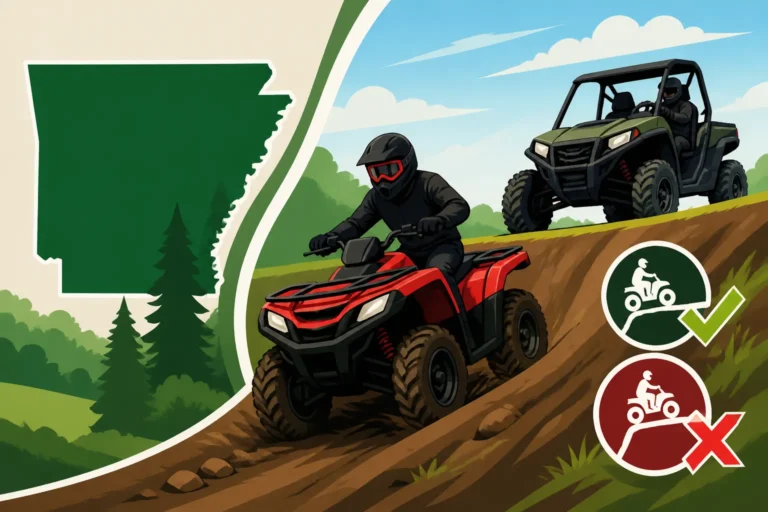
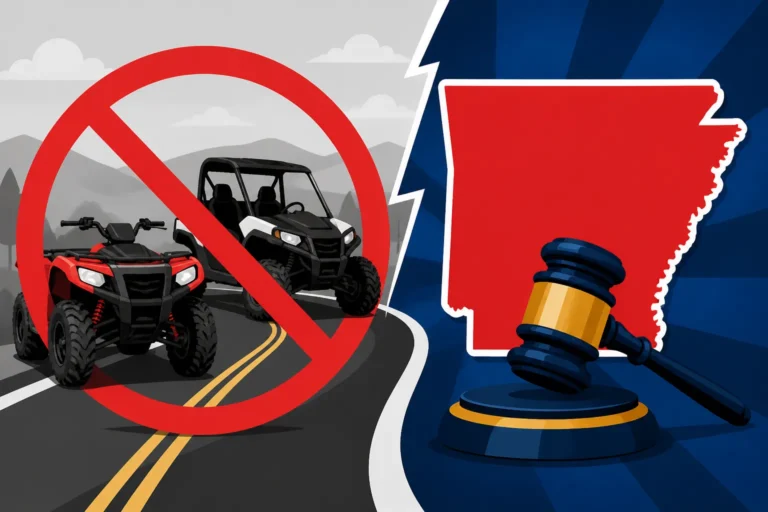
Arkansas law generally classified ATVs and UTVs as "off-highway vehicles," designed and intended for operation on natural terrain, not paved roads. This designation meant that by default, riding them on public streets, highways, or even most county roads was against the law. It wasn't about the capability of the machine, but its legal classification. Many a rider has felt the sting of a deputy pulling them over for what seemed like a harmless short jaunt down a county road. The law was quite explicit, aiming to separate off-road machines from typical street-legal vehicles, often citing concerns about safety, vehicle standards, and traffic flow. This blanket prohibition was often a major headache for residents in rural areas who just wanted to use their side-by-sides to run errands or access remote properties without having to load them onto a trailer. The common refrain was, "But it's just a little road!" but the law saw no "little roads" when it came to ATVs and UTVs. The general statute, [Arkansas Makes Road Riding Unlawful by Default], created a clear boundary for where these machines could and could not operate, and public thoroughfares were firmly on the "cannot" side for a long time.
Limited Exceptions Before the Change
While the general rule was "no roads," Arkansas law did provide a few very specific, narrow exceptions for ATV and UTV use on public ways. These weren't broad allowances for recreational riding, but rather carefully defined circumstances where the utility of these machines was deemed essential. For instance, farmers could use their machines for agricultural purposes, such as crossing a road to get from one field to another, or moving equipment within their operation. Similarly, hunters might be allowed to cross a highway to access hunting land, provided they did so directly and safely. Law enforcement, EMS, and utility crews also had exemptions, as their work often required off-road capabilities that traditional vehicles couldn't provide. However, these exceptions were meticulously outlined and didn't open the floodgates for general road use. They required adherence to strict conditions, such as crossing at a 90-degree angle after coming to a complete stop, or only operating within the scope of a legitimate farming or hunting operation. These were lifelines for some, but for the average enthusiast looking to explore their local community or link up with friends at a nearby trail, they offered no relief. You can learn more about these exceptions in [Arkansas's Six Statutory Road Exceptions].
How Act 922 Changed the Game for Arkansas Cities
The frustration and growing popularity of UTVs eventually led to a significant shift in Arkansas law, acknowledging the evolving needs and desires of its citizens. The turning point came with the passage of Act 922, a piece of legislation that fundamentally altered the way cities and towns could approach UTV use within their limits. This wasn't just a minor tweak; it was a delegation of power that opened up entirely new possibilities for communities across the state.
The Legislative Journey and What It Accomplished
The journey to Act 922 was driven by a grassroots movement of UTV owners, local businesses, and community leaders who saw the economic and recreational benefits of allowing side-by-sides on city streets. They argued that well-regulated UTV access could boost tourism, provide convenient local transportation, and generally enhance the quality of life in many Arkansas towns. Lawmakers listened, recognizing that a one-size-fits-all state mandate wasn't serving everyone. The legislative process involved extensive discussions about safety, local control, and the practicalities of implementation. The goal was to empower local municipalities without creating a free-for-all on state highways. [How a Bill Became Arkansas Act 922] details this process. What Act 922 ultimately accomplished was the removal of the state-level prohibition on UTVs operating on municipal streets, instead granting individual cities and incorporated towns the authority to establish their own ordinances. This legislative move signaled a recognition that local communities are best equipped to determine what works for their unique infrastructure and resident needs, leading to a much more flexible and responsive regulatory environment. It was a pivotal moment for Arkansas UTV enthusiasts, offering a path to broader, legal street access.
Empowering Local Control Over UTVs
With Act 922, the state effectively stepped back from dictating UTV street legality within municipal boundaries, instead giving that power directly to city councils and town boards. This meant that while the state's blanket ban still largely applied to state highways and unincorporated county roads, cities could now, if they chose, create specific rules for their own streets. This local option was a huge win for communities like Bono, which quickly moved to adopt its own ordinance, becoming a pioneer in the state for UTV-friendly streets. The idea was that a small town with minimal traffic might welcome UTVs to support local businesses, while a larger, busier city might opt for stricter regulations or none at all. This decentralization of authority created a patchwork of rules across Arkansas, requiring riders to be more diligent about checking local ordinances. However, it also provided a pathway for towns to cater to their residents' desires, fostering a sense of community engagement around UTV recreation. For many, it meant the dream of driving their SuperATV machine to the corner store or a local restaurant became a real possibility. The new legal framework effectively said, "Arkansas towns, it's now up to you." The specific date often associated with these changes, [August 5, 2025 and What Changed], highlights the ongoing evolution of these laws, emphasizing the dynamic nature of UTV regulation in the state.
What an Arkansas City Must Do to Allow UTVs
Just because a city can allow UTVs on its streets doesn't mean it automatically does. There's a clear process that municipalities must follow, and it involves drafting, debating, and ultimately enacting a local ordinance. This isn't a simple wave of a magic wand; it requires thoughtful consideration of safety, infrastructure, and community needs.
The Ordinance Requirement: Local Action Is Key
For a UTV to be legally ridden on the streets of an Arkansas city, that city's governing body—typically the city council or board of directors—must pass a specific ordinance. This isn't something that happens overnight; it involves public hearings, community input, and careful crafting of the rules. The ordinance serves as the legal framework, outlining everything from what types of machines are allowed to where they can operate and what equipment they must have. Without an ordinance, even if the state has granted the ability to allow UTVs, the default state prohibition still applies. This means that if you're in a town that hasn't passed such an ordinance, riding your UTV on public roads is still unlawful. It places the onus on the rider to know their local laws, which can be a bit of a maze if you travel between different towns. [Reading Your Town's Ordinance Before You Ride] is absolutely essential, as each city's rules can vary widely. It's truly a local decision, reflecting local priorities and circumstances.
Common Provisions and Restrictions in City Ordinances
While each city's ordinance will be unique, many share common provisions and restrictions designed to ensure safety and integrate UTVs smoothly into existing traffic. For example, most ordinances will specify a speed limit for UTVs, often restricting them to streets with posted limits under 35 mph or 55 mph, as explored in [Arkansas Streets Under 55 mph for UTVs]. You'll typically find restrictions against operating on state highways, four-lane roads, or even certain high-traffic city arteries. Machines often need to meet certain width limits, usually an 80-inch cap, and may require specific safety equipment beyond what's standard on an off-road model. This might include turn signals, brake lights, headlights, taillights, a horn, and rearview mirrors. Some ordinances also stipulate that the UTV must pass a basic safety inspection. For riders, it means understanding that simply owning a UTV isn't enough; it must be properly equipped and driven in accordance with all local rules. Many ordinances also address driver age and licensing requirements, often mirroring those for standard motor vehicles.
Here's a look at common elements you might find in a city's UTV ordinance:
| Ordinance Element | Typical Requirement | Why It's Included |
|---|---|---|
| Street Type/Speed | Streets with speed limits under 35 or 55 mph; no state highways or multi-lane roads. | Safety, integration with traffic, avoid high-speed collisions. |
| Machine Width | Maximum 80 inches wide. | Ensure UTVs fit in traffic lanes and parking spaces. |
| Driver's License | Valid driver's license required, often minimum age 16. | Ensures driver competence and responsibility. |
| Insurance | Proof of liability insurance. | Financial protection in case of an accident. |
| Equipment | Headlights, taillights, brake lights, turn signals, horn, mirrors, seat belts. | Visibility, signaling intentions, general road safety. |
| Permit/Decal | Annual city permit and visible decal. | Local revenue, identification, enforcement. |
| Operating Hours | Often restricted to daylight hours, or specific times. | Safety, noise control, neighborhood peace. |
| Passengers | Number of passengers limited to manufacturer's design capacity. | Prevent overcrowding, ensure all have seat belts/seats. |
| Alcohol/Drugs | Strict prohibition, DUI laws apply. | Impaired driving is dangerous regardless of vehicle type. |
Rider Responsibilities and Machine Requirements Under Local Ordinances
Once a city has passed an ordinance allowing UTVs on its streets, the ball is then in the rider's court. It's not a free pass to roam wherever you please; there are specific responsibilities and equipment requirements that you, as the UTV owner, must meet to legally enjoy this newfound freedom. Overlooking these details could quickly turn a fun outing into an expensive citation.
Getting a Local UTV Permit and Its Annual Renewal
A core component of most city UTV ordinances is the requirement for a local permit. Think of it like an annual registration for your street-legal UTV, but specific to that municipality. This permit typically involves an application process, a fee, and an inspection to ensure your machine meets the city's safety standards. Once approved, you'll usually receive a decal or sticker that must be prominently displayed on your UTV, signifying its street-legal status within that town. This is how law enforcement quickly identifies compliant vehicles. The catch? These permits are almost always annual, meaning you'll need to renew them each year to continue riding legally on city streets. It's easy to forget, so it's a good idea to mark your calendar! Information on [Arkansas UTV Street Permits and Annual Fees] will highlight the recurring nature of this responsibility. These permits are crucial for local authorities to manage and track the UTVs operating on their roads, and the fees often help cover the administrative costs and even contribute to road maintenance. It's a small price to pay for the privilege of street access, but it's a critical step that many riders, eager to hit the road, sometimes overlook.
Essential Equipment for Street-Legal UTVs
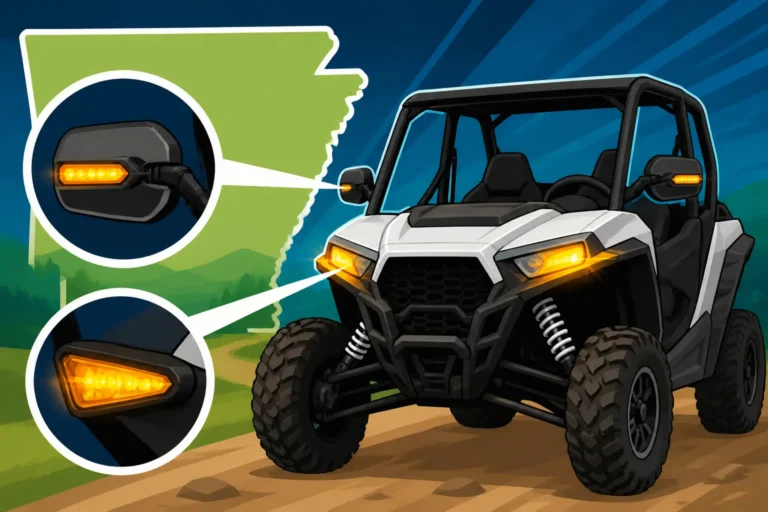
Beyond the permit, your UTV itself needs to be outfitted with specific equipment to meet street-legal standards under most local ordinances. This isn't just about personal preference; it's about making your machine visible, audible, and controllable in a way that aligns with standard road vehicles. While your off-road SuperATV might already have great lights for the trail, for street use, you'll almost certainly need proper headlights, taillights, and brake lights. A horn is also usually mandatory, allowing you to signal other drivers. Perhaps one of the biggest additions for many off-road UTVs is the requirement for turn signals, both front and rear. These are vital for communicating your intentions to other drivers and are detailed in [Arkansas Turn Signal Requirements for Street UTVs]. Rearview mirrors, at least one, and often two, are also standard requirements, allowing you to monitor traffic behind you. Beyond these, some cities might require a windshield, windshield wipers, and even a parking brake. Essentially, your UTV needs to be equipped in a way that makes it predictable and safe for operating alongside cars and trucks. The goal is to bridge the gap between an off-road beast and a street-friendly cruiser. You can find a comprehensive list of what might be required in [Arkansas Equipment for a Street-Permitted Machine].
Navigating the New Landscape: What This Means for Riders
The shift in Arkansas law, granting cities the choice to permit UTVs on their streets, has undeniably opened up exciting new avenues for riders. However, it's also introduced a layer of complexity. No longer is there a simple, uniform rule across the entire state. Now, riders must be more informed and adaptable than ever before.
The Patchwork of Rules Across Arkansas Towns
Because Act 922 empowered individual cities, rather than creating a statewide UTV road-use policy, what we now have in Arkansas is a diverse and often intricate "patchwork" of local rules. One town might enthusiastically embrace UTVs, allowing them on most streets and offering clear permit processes, while a neighboring community might choose to maintain a strict ban, or implement very restrictive conditions. For instance, while Bono was an early adopter, other towns like Cotter have specific ordinances that ban ATVs on their streets, even if they might allow golf carts under different statutes. This means that a leisurely ride that starts in one town could quickly become illegal once you cross into the next municipality's limits. It creates a significant need for riders to perform their due diligence before they ride, especially if they plan to travel between communities. There's no substitute for checking the specific ordinance of every city you plan to ride through. This variability can be a real headache for those who enjoy long rides that span multiple towns or counties.
The Importance of Checking Local Regulations
Given the varied landscape of UTV ordinances across Arkansas, the single most important piece of advice for any rider is this: always check the local regulations. Before you even load your UTV onto a trailer or plan a trip, research the specific city or town you intend to ride in. This involves looking up their municipal code or contacting the city clerk's office directly. Don't rely on hearsay or what a friend "heard" about a town. What's legal in one place can be strictly prohibited just a few miles down the road. This includes not just whether UTVs are allowed, but also the specific equipment requirements, speed limits, permitted streets, driver age, and [Arkansas Insurance for a Street-Permitted UTV] rules. Many cities require [Arkansas Driver's License at 16 for Street UTVs], aligning with traditional vehicle licensing. Even if a city allows UTVs, they might have restrictions on operating hours, noise levels, or where you can park. The responsibility falls squarely on the rider to understand and comply with these nuanced rules. Ultimately, for those who want to ride their SuperATV UTV legally and safely on city streets, being proactive and informed about the specific local ordinance is paramount. The options for [Arkansas Local Permits for Street UTVs] reflect this localized approach, making local research indispensable.
Disclaimer
This article is for general informational purposes only and does not constitute professional advice. Laws, prices and regulations vary by location and change over time. Consult a qualified professional for guidance on your specific situation.