Arkansas Turn Signal Requirements for Street UTVs
Riding your UTV around town, even just to cross a road to get to the next trail or perhaps run a quick errand, can feel like navigating a legal minefield in Arkansas. Many riders mistakenly assume that because their UTV has headlights and taillights, they're good to go on any public street. The truth is, when it comes to making your side-by-side legitimately street-legal in many Arkansas cities that allow it, the question of proper turn signals is often a critical one, and getting it wrong can lead to fines or worse. This guide will walk you through the nitty-gritty of Arkansas turn signal requirements for street UTVs, explaining the law, what you need, and how to ensure your machine is fully compliant.
The Initial Hurdle: Why UTVs Aren't Automatically Road Legal in Arkansas
For years, it was a pretty clear-cut situation: your UTV, no matter how shiny or powerful, was meant for off-road adventures, private land, or very specific, limited road crossings. The idea of cruising down Main Street in your side-by-side felt like a pipe dream for most. This wasn't just a suggestion; it was enshrined in state law, making any widespread street use generally unlawful. Understanding this default position is key to appreciating why specific equipment like turn signals became such a pivotal topic.
The Default Ban on Public Roads
Before recent legislative changes, Arkansas law made it pretty straightforward: off-highway vehicles (OHVs), which include most ATVs and UTVs, were not permitted on public roads. This blanket ban meant that even if you just wanted to drive a quarter-mile to your buddy's house down a quiet county road, you were technically breaking the law. It wasn't about the machine's capability or how safely you drove; it was about its classification. Vehicles had to meet certain highway vehicle standards, and factory UTVs simply weren't designed to tick all those boxes. This often led to frustration for owners who lived just across a paved road from their riding land or those who used their machines for legitimate purposes like farming or hunting, where brief road use was unavoidable. They found themselves having to trailer their machines for even the shortest distances.
How Local Ordinances Changed the Game
The landscape started to shift thanks to advocacy from riders and communities. Recognizing the economic potential and the practical needs of residents, a movement began to give local governments more control. This culminated in legislation that empowered Arkansas cities and towns to create their own ordinances regarding UTV use on public streets. It was a significant departure from the previous statewide ban, opening the door for what many riders had hoped for. Now, instead of a blanket "no," the answer became "it depends on where you are." This local-option approach means that while one town might enthusiastically embrace UTVs on its streets, the next town over might still prohibit them entirely. This is why you simply cannot assume your neighbor's rules apply to your town, or even a town just a few miles down the road. You’ll need to do your homework to understand [Arkansas Towns Can Open Their Streets to UTVs] and what that means for your specific locale.
Understanding Arkansas Act 922 and Its Equipment Mandates
The legislative change that truly opened the door for street-legal UTVs was Act 922. This act wasn't just about allowing cities to make their own rules; it also laid out a foundational set of equipment requirements that any UTV wishing to operate on public streets, where permitted by local ordinance, would need to meet. It essentially created a statewide baseline of safety equipment, ensuring that even with local flexibility, a certain standard of roadworthiness would be maintained. This meant that while cities could decide if they allowed UTVs, the state provided guidance on how those UTVs should be equipped. [How a Bill Became Arkansas Act 922] is an important piece of legislation for UTV owners to understand.
The Core Requirements for Local Street Permitting
Act 922 established a series of mandatory equipment items that UTVs must have to be considered for street-legal status under a local ordinance. These aren't suggestions; they are non-negotiable requirements intended to make UTVs more visible and safer for shared road use. Think of it like a checklist you need to complete before you even approach your local city hall. The list typically includes items like headlights, taillights, brake lights, a horn, a rearview mirror, and a windshield. These are all standard safety features you'd expect on any vehicle sharing the road, designed to facilitate communication and awareness between drivers. Without these fundamental components, no city permit will be issued, regardless of how friendly your local ordinance might be.
The Explicit Need for Turn Signals
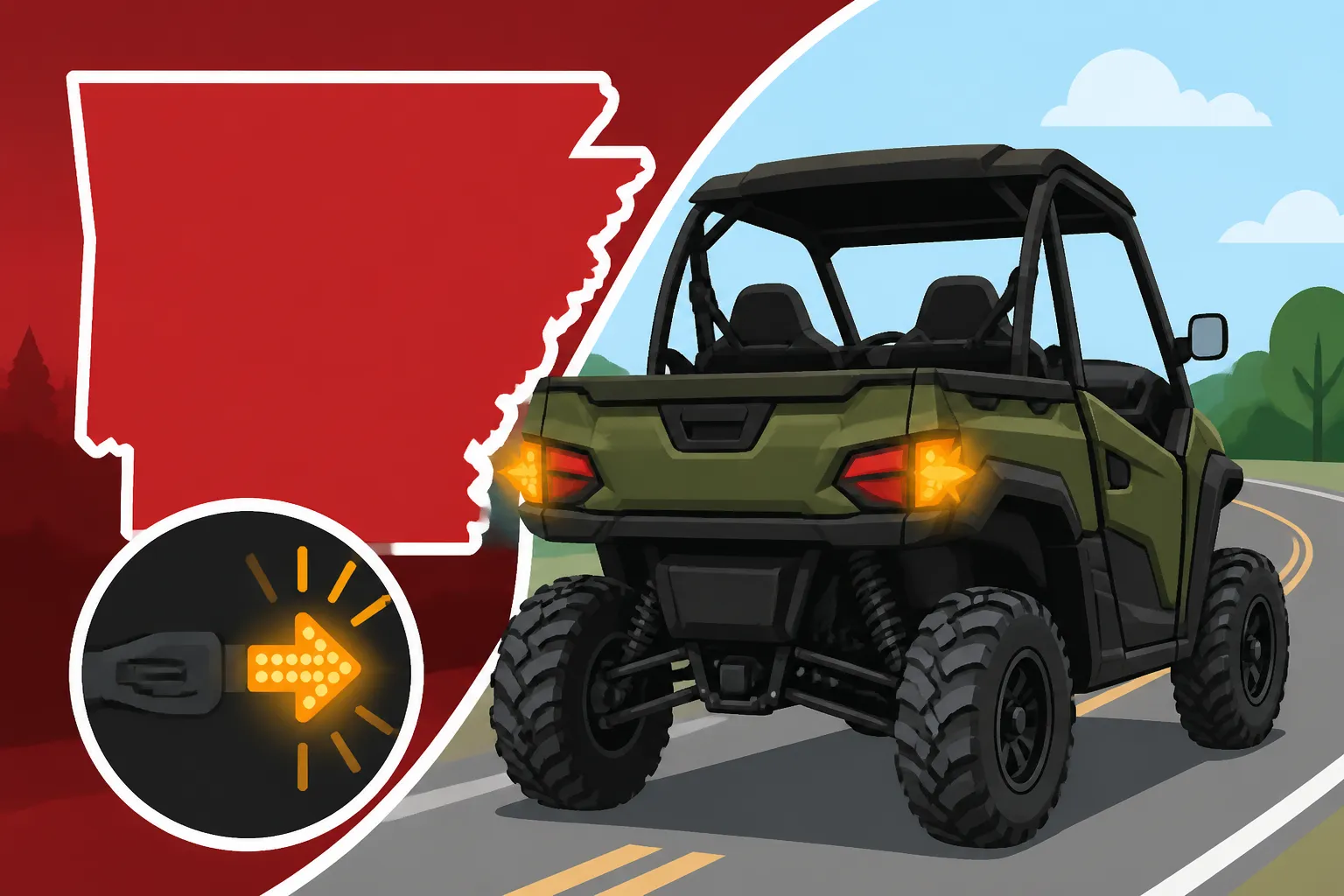
Among the most crucial requirements outlined by Act 922 for street-permitted UTVs are functional turn signals. This isn't just an option; it's a necessity. Imagine driving in traffic and having no way to clearly indicate your intention to turn or change lanes. It would be incredibly dangerous and chaotic. Therefore, the law mandates that your UTV must be equipped with working turn signals on both the front and rear, clearly visible from both sides. These signals must operate independently for left and right turns, just like on a car or motorcycle. This requirement helps ensure that your UTV can communicate its movements to other drivers, significantly enhancing safety on public roads. For anyone serious about making their UTV street-legal in Arkansas, adding a reliable turn signal kit is one of the first and most important modifications they'll need to make. Without them, you're simply not compliant, and you're putting yourself and others at risk. Check out [Arkansas Turn Signals and Mirrors on a UTV] for more detailed insights.
What "Turn Signal Ready" Really Means for Your UTV
When you decide to equip your UTV with turn signals for street legality, you'll quickly realize it's more than just slapping on a couple of blinking lights. A complete, street-legal turn signal system involves several interconnected components working in harmony. Most UTVs don't come from the factory with a comprehensive turn signal system designed for road use, so this usually means looking into aftermarket solutions. The good news is that the market has responded to this need, offering a wide array of options, but understanding what makes a system "street-ready" is crucial for compliance and safety.
Components of a Street-Legal Turn Signal System
A truly street-legal turn signal system for a UTV typically consists of several key elements:
- Turn Signal Lights: These are the actual amber-colored lights, usually LED, that blink to indicate your turn. You'll need at least two upfront and two in the rear, strategically placed for maximum visibility. Some kits integrate these into existing headlight or taillight housings, while others provide separate pods.
- Flasher Relay: This component controls the timing and rate of the blinking lights. It's what makes the lights flash on and off at a consistent, regulated speed.
- Control Switch: Often mounted on the steering column, similar to a car, this switch allows you to easily activate the left or right turn signal. Many kits include a toggle switch or a multi-function stalk.
- Wiring Harness: This connects all the components, providing power and signal paths. A good harness will be robust, weather-resistant, and designed for easy installation into a UTV's electrical system.
- Indicator Light (Optional but Recommended): An indicator on your dashboard lets you know when your turn signals are active, preventing you from accidentally leaving them on.
Beyond these core parts, many kits also include a horn button, which is another common requirement for street-legal UTVs in Arkansas. It’s about building a complete system that functions reliably every time you need it.
Integrating Aftermarket Kits and OEM Solutions
Given that most UTVs aren't "street-legal ready" out of the box, aftermarket kits are the most common solution. Companies like SuperATV specialize in creating comprehensive turn signal kits specifically designed for various UTV makes and models. These kits are engineered to provide everything you need in one package, often with plug-and-play wiring for easier installation. They typically come with detailed instructions, making it possible for a mechanically inclined DIYer to install them. When choosing an aftermarket kit, look for one that is robust, weatherproof, and uses bright, durable LED lights. You'll want to ensure the components are high-quality to withstand the vibration and elements that UTVs are exposed to.
While some UTV manufacturers might offer "street legal packages" or accessories for certain models, they are less common than the extensive range of aftermarket options. These OEM (Original Equipment Manufacturer) solutions might offer a more seamless integration with your UTV's existing controls and aesthetics, but they can sometimes be pricier or less comprehensive than dedicated aftermarket kits. Regardless of whether you go with an aftermarket kit or an OEM accessory, the goal is the same: a fully functional, visible, and reliable turn signal system that meets the specific requirements of Act 922 and your local ordinance.
Navigating Local Ordinances: Beyond Just the Signals
While state law sets the baseline for equipment, local ordinances are where the rubber truly meets the road. It's not enough to know that turn signals are required; you must also understand the nuances of your city's rules. Each city that opts into allowing UTVs on its streets has the power to define the specifics, and while many will echo the state's requirements, some might add their own particular stipulations. This means a little local research is absolutely essential before you hit the pavement.
Checking Your Specific City's Rules
This is perhaps the most critical step for any UTV owner hoping to ride on city streets. Arkansas state law gives towns the option to allow UTVs, but it doesn't force them to. And those that do allow it can set their own terms, within the framework of Act 922. For example, some cities might have restrictions on the types of streets UTVs can use (e.g., only streets posted 35 mph or less, excluding four-lane roads). Others might specify times of day, or even require a special annual permit or sticker that needs to be prominently displayed.
The best way to get accurate information is to contact your city clerk's office, your local police department, or visit the city's official website. Ask directly about "UTV ordinances" or "off-highway vehicle regulations." Don't rely on word-of-mouth or what you heard from a friend in a different town, because [Reading Your Town's Ordinance Before You Ride] is absolutely crucial. A quick call or website visit can save you a lot of headache, confusion, and potential citations down the road. You might find that your city even has specific requirements for the brightness or size of your turn signals, although most stick to the general visibility standard.
Other Equipment Necessary for a Street Permit
Beyond turn signals, local ordinances, building upon Act 922, will typically mandate a host of other equipment to ensure your UTV is safe for public street use. Think of these as the comprehensive safety package that makes your UTV more like a low-speed vehicle (LSV) than a purely off-road machine.
Here’s a breakdown of common additional requirements:
- Headlights and Taillights: Must be functional and illuminated when riding on streets, especially during dawn, dusk, or inclement weather.
- Brake Lights: Essential for signaling stops to drivers behind you.
- Horn: A working horn is critical for alerting pedestrians or other vehicles.
- Rearview Mirror: Allows you to see traffic approaching from behind. Many riders opt for a wide-angle panoramic mirror for better visibility.
- Windshield: Provides protection from debris and elements.
- Brakes: Adequate braking system, obviously.
- Seat Belts: Required for all occupants, and they must be worn.
- Tires: Your UTV generally needs non-highway tires for its intended off-road use, but for street travel, they must be in good condition. The statute covers what counts as [Nonhighway Tires in the Legal Definition].
- Roll Cage/ROPS: The factory Roll-Over Protective Structure (ROPS) is usually considered sufficient.
Some cities might add further requirements, such as a maximum width limit (often 80 inches) or even a minimum age for the driver (usually 16 with a valid driver's license). It's a significant list, and overlooking any item can put your street-legal status in jeopardy. A brand like SuperATV offers many of these required components, from mirrors to windshields, making it easier to gather all the necessary upgrades from a single, trusted source. Understanding [Arkansas Equipment for a Street-Permitted Machine] is vital for full compliance.
Installation and Compliance: Getting Your UTV Up to Code
Once you've purchased your turn signal kit and other necessary street-legal equipment, the next step is installation. This process can range from a relatively straightforward DIY job to something that might benefit from professional hands, depending on your mechanical aptitude and the complexity of the kit. Regardless of who does the work, ensuring proper installation and functionality is paramount for both safety and legal compliance. You don't want to get pulled over for a blinking light that isn't blinking, or for one that's barely visible.
DIY vs. Professional Installation Considerations
Many aftermarket turn signal kits, especially those from reputable brands like SuperATV, are designed with the DIY enthusiast in mind. They often come with detailed instructions, pre-wired harnesses, and vehicle-specific mounting brackets, making the installation process as straightforward as possible. If you're comfortable working with basic tools, have some experience with automotive wiring, and can follow instructions carefully, you can likely tackle the installation yourself. This can save you money and give you a better understanding of your machine's electrical system. However, it's crucial to take your time, ensure all connections are secure and waterproof, and properly route wires to avoid pinching or abrasion. A loose connection could mean a signal fails at a critical moment.
For those who are less mechanically inclined, or if your UTV has a particularly complex electrical system, professional installation might be a better option. Many ATV/UTV dealerships, off-road shops, or even general automotive repair shops are equipped to handle these types of upgrades. A professional can ensure that the system is installed correctly, all wiring is neatly managed and protected, and that the signals function perfectly. While it will add to the cost, the peace of mind knowing it's done right can be well worth it, especially when dealing with critical safety equipment.
Verifying Proper Functionality and Visibility
After installation, thoroughly testing your turn signal system is non-negotiable. Don't just flip the switch once and assume everything is fine. Take the time to:
- Check All Lights: Stand in front of and behind your UTV, then to each side, to ensure all four turn signal lights (front left, front right, rear left, rear right) are working properly and blinking at a consistent rate.
- Test the Indicator: If your system has a dash indicator, confirm it illuminates when the signals are active.
- Verify Visibility: Have a friend stand a reasonable distance away (like across a parking lot) to confirm the lights are clearly visible in various lighting conditions – bright daylight, dusk, and even at night. Are they bright enough? Are they obstructed by anything?
- Confirm Operation with Other Lights: Turn on your headlights and taillights, and then test the turn signals again. Ensure there's no interference or dimming.
- Check Horn (if part of the kit): Give the horn a test to make sure it's loud enough to be effective.
Remember, the goal isn't just to install the signals; it's to ensure they are fully functional and highly visible to other drivers. This detailed verification process is your final step in compliance, ensuring you meet the Arkansas turn signal requirements for street UTVs and are ready for safe road use.
The Consequences of Non-Compliance on Arkansas Streets
Riding a UTV on public streets without meeting all the necessary equipment requirements, particularly the turn signal mandate, isn't just a minor oversight. It carries real consequences, ranging from financial penalties to safety risks and even the potential for more severe legal trouble. Arkansas law, and local ordinances building upon it, are designed to ensure public safety, and non-compliance demonstrates a disregard for those protections. It's not worth the risk, especially when the solutions are readily available.
Penalties for Riding Without Proper Equipment
If you're caught riding your UTV on an Arkansas street that permits it, but your machine lacks required equipment like functional turn signals, you could be facing a citation. The specific penalties can vary depending on the local ordinance and the discretion of the issuing officer, but generally involve fines and potentially court costs. These aren't just minor parking tickets; they can add up quickly. Imagine getting pulled over and ticketed for lacking turn signals, then realizing you also don't have a working horn or a proper mirror – each could be a separate offense.
Beyond monetary penalties, there's the inconvenience of dealing with law enforcement, potential impoundment of your vehicle in some severe cases, and the hassle of court appearances. It's also important to remember that if you're involved in an accident while operating an unequipped or non-compliant UTV, your liability could increase significantly, and your insurance coverage might even be impacted. The costs associated with fines, legal fees, and potential accident liability far outweigh the cost and effort of properly equipping your UTV in the first place. You can read more about [Arkansas Penalties for Illegal Road Riding] to understand the full scope.
Ensuring Your Permit Remains Valid
Getting a permit for street-legal UTV use from your local city is a fantastic step, but it's not a one-and-done deal. That permit is typically contingent upon your UTV continuing to meet all the equipment and operational requirements. If you obtain a permit based on having working turn signals, but then one of them burns out or stops functioning, you are no longer in compliance, and your permit could be considered invalid.
Regularly inspecting your UTV's equipment is crucial. Before every street ride, do a quick walk-around. Check your headlights, taillights, brake lights, and most importantly, activate your turn signals to ensure they're all working correctly. If you notice a bulb out or a wiring issue, address it immediately. Delaying repairs not only puts you at risk of a citation but also jeopardizes the safety of everyone else on the road. Maintaining your equipment isn't just about avoiding a ticket; it's about upholding your responsibility as a driver and ensuring that your privilege to ride on Arkansas streets remains intact and valid. After all, cities have the power to [Arkansas UTV Street Permit Cost in a City] and even revoke permits if rules are consistently broken.
Here’s a useful table summarizing typical equipment requirements for street-legal UTVs in Arkansas cities:
| Equipment Item | Act 922/State Baseline | Common Local Additions/Clarifications | Importance |
|---|---|---|---|
| Headlights | Yes | Must be factory or equivalent bright | Essential for visibility to others and for the driver |
| Taillights | Yes | Must be visible from X distance | Essential for visibility from behind |
| Brake Lights | Yes | Clearly indicate braking | Critical for signaling stops to following vehicles |
| Turn Signals | Yes | Front & Rear, Amber, Visible Both Sides | Absolutely critical for indicating turns/lane changes |
| Horn | Yes | Audible from X distance | For alerting pedestrians and other drivers |
| Rearview Mirror | Yes | One required (some suggest multiple) | For driver to see traffic behind |
| Windshield | Yes | Glass or shatterproof material | Protection from debris and elements |
| Seat Belts (for all seats) | Yes | Must be worn by all occupants | Safety restraint for all riders |
| Minimum Driver Age | Varies by city (often 16 with DL) | Specific age, valid driver's license | Ensures driver competency |
| Max Width | Varies by city (often 80 inches) | Limits size for shared road use | Prevents oversized machines on narrow streets |
| Permit Sticker | Varies by city (often required) | Must be displayed prominently | Proof of legal street operation |
Navigating the rules for street-legal UTVs in Arkansas, particularly concerning turn signals, requires attention to detail and a commitment to safety. It's a privilege, granted by local ordinances, that comes with clear responsibilities. By understanding Act 922, choosing reliable equipment like those offered by SuperATV, ensuring proper installation, and regularly verifying functionality, you can enjoy your UTV on permitted streets with confidence and peace of mind.
Disclaimer
This article is for general informational purposes only and does not constitute professional advice. Laws, prices and regulations vary by location and change over time. Consult a qualified professional for guidance on your specific situation.