Arkansas Street UTV Annual Renewal
Oh, the joys and occasional headaches of keeping our beloved UTVs street legal here in Arkansas! It can feel like a bit of a labyrinth sometimes, especially when you're trying to remember what needs renewing when, and what county office handles what. Unlike the simple, one-and-done state registration for ATVs, getting your side-by-side legal for city streets involves a recurring annual dance. This guide is here to walk you through exactly what "Arkansas Street UTV Annual Renewal" entails, helping you understand the unique local rules, what documents you'll need, and how to avoid any unexpected bumps in the road.
Understanding the Arkansas Local-Option UTV Ordinance
Let's clear up a common misconception right off the bat: Arkansas doesn't have a blanket state law that says "all UTVs are street legal everywhere" or "no UTVs are street legal anywhere." Instead, our state has taken a really specific approach that puts the power in the hands of local communities. This "local-option" system is both a blessing and a bit of a puzzle for riders.
The "Local-Option" Reality for Street UTVs
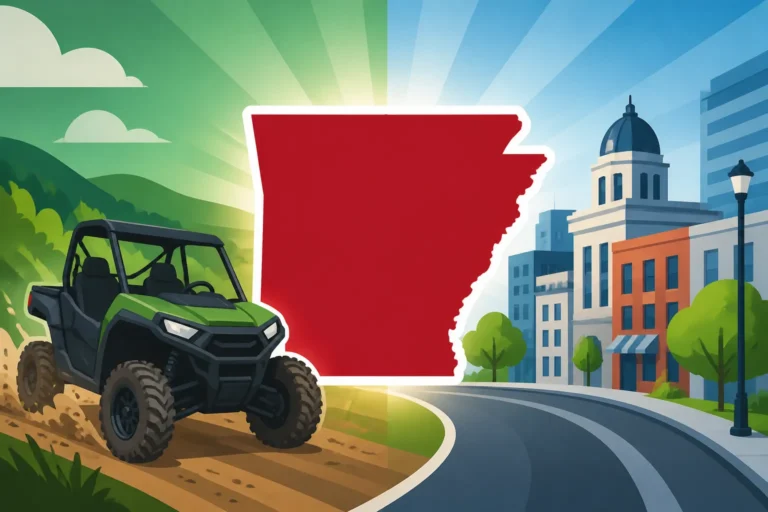
For years, it was pretty much a no-go for UTVs on public roads in Arkansas, unless you were doing specific things like farming or hunting, and even then, it was limited. But things changed, and now, thanks to legislation like Act 922, cities and towns across the state have the ability to pass their own ordinances. What does that mean for you? It means that whether your UTV can legally cruise down Main Street isn't determined by a state agency, but by your city council.
This is a crucial point because it directly impacts your permit and its renewal. If your town hasn't passed an ordinance, then your UTV simply isn't street legal there. If they have, then you need to follow their specific rules, which can vary wildly from one town to the next. This decentralized approach can certainly lead to some confusion, but it also means communities can tailor rules to their unique needs. It’s why you might see UTVs zipping around in one town while they're strictly prohibited in a neighboring one. Understanding [How Arkansas Cities Got the Choice on UTVs] is the first step in navigating this landscape.
What an Ordinance Typically Covers (and Why it Matters for Renewal)
When a city or town decides to open its streets to UTVs, they don't just wave a magic wand. They pass an ordinance that lays out all the nitty-gritty details. These ordinances are like the instruction manual for street-legal UTV operation in that specific municipality. They usually cover a range of important aspects, such as:
- Allowed Streets and Speed Limits: Many ordinances restrict UTVs to streets with speed limits under a certain threshold, often 35 mph or 45 mph, and sometimes exclude four-lane state highways that run through town.
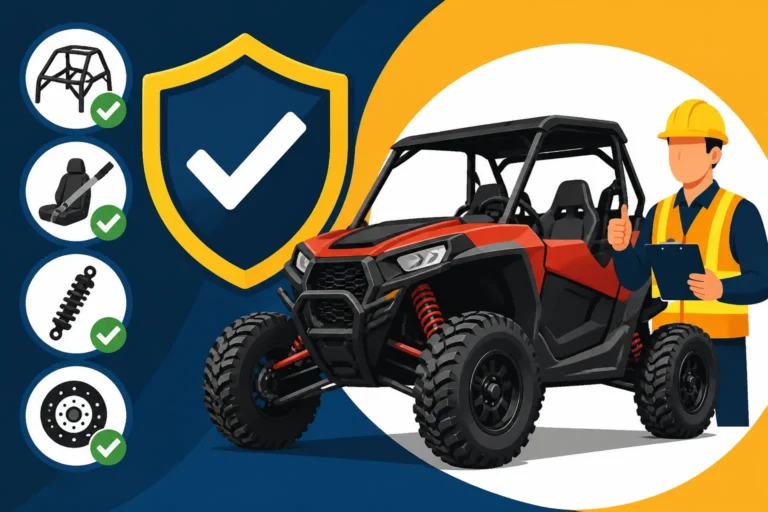
- Required Equipment: This is where safety comes in. Cities often mandate things like turn signals, rearview mirrors, a windshield, headlights, taillights, brake lights, a horn, and seat belts. Think of it as making sure your UTV can behave like a regular car on the road.
- Permitting Process and Fees: Every city that allows UTVs will have a process for applying for and obtaining a street permit, and this almost always involves an annual fee. This fee helps cover the administrative costs of managing the permits and sometimes goes towards local road maintenance.
- Driver Requirements: Age restrictions, valid driver's license requirements, and sometimes even insurance stipulations are common.
Why does all this matter for renewal? Because when you go to renew your permit, the city clerk's office will essentially be verifying that you and your UTV still meet all these established criteria. It's not just about paying a fee; it's about continued compliance with the ordinance. Knowing [Arkansas UTV Street Legal Rules by Town] is essential to avoid any surprises when your renewal date rolls around. You can't just assume what applies in Bono also applies in Hot Springs or Ozark.
The Annual Renewal Process: What to Expect
Now, let's dive into the specifics of actually renewing that permit. This is where it really differs from other vehicle registrations you might be used to, and it's where a lot of riders can get tripped up.
Why "Annual" is the Keyword (and Why it Differs from ATV Registration)
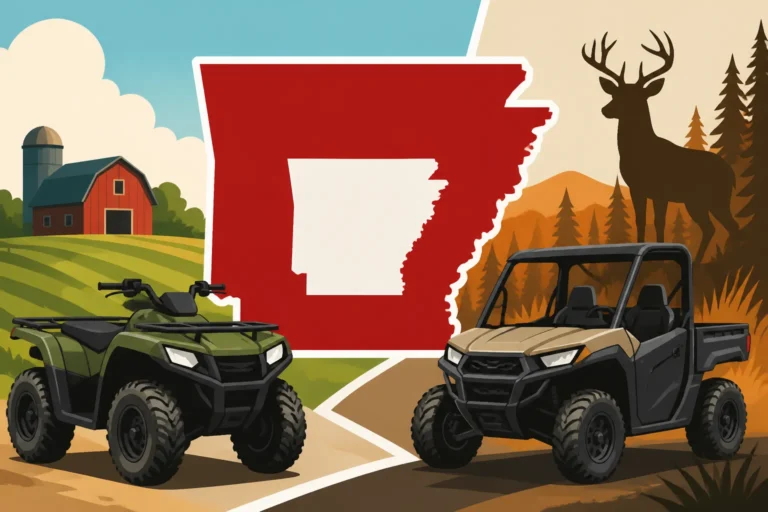
One of the biggest distinctions to wrap your head around is the "annual" part of UTV street permits. If you've ever registered an ATV in Arkansas for off-road use, you know that the state registration is a glorious, one-time affair. You get your decal, pay your fee, and you're good for the life of the machine in your ownership. There's no annual renewal. It's a fantastic system for off-road enthusiasts because it means one less thing to track. You can read more about [Arkansas ATV Registration Has No Annual Renewal] to see how simple that is.
However, street-legal UTV permits issued by individual cities are a completely different animal. These permits are almost universally annual. This means that, just like your car's license plate tags, your UTV street permit has an expiration date, and you'll need to go through a renewal process every single year. This annual requirement makes sense from a city's perspective; it allows them to:
- Collect annual revenue to help manage local infrastructure and permit administration.
- Regularly verify compliance with current ordinances, ensuring safety standards are continually met.
- Maintain an up-to-date registry of street-legal UTVs within their jurisdiction.
So, while your trail machine might have a decal that never expires, your street-legal UTV will have a city-issued permit that you need to re-up regularly. Don't confuse the two, as they serve different purposes and have different lifespans!
Step-by-Step for Renewing Your UTV Street Permit
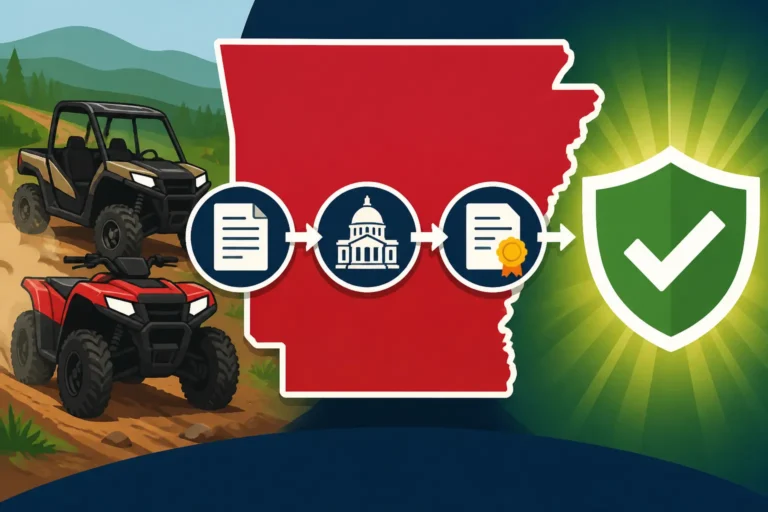
The exact steps might vary slightly from one town to the next, but generally, the process for renewing your UTV street permit will look something like this:
- Check Your Local Ordinance: Before you even leave the house, confirm the current rules for your city. Sometimes ordinances are updated, or specific requirements might change. A quick check on the city's website or a call to the city clerk can save you a wasted trip.
- Gather Your Documents: You'll typically need a few key pieces of paperwork. This almost always includes:
- Your current driver's license: Proof that you're a licensed driver, as most ordinances require this.
- Proof of insurance: Many cities require liability insurance for street-legal UTVs, just like a car. Make sure your policy is current and covers UTV use on public roads.
- Your UTV's registration or title information: The city will need to verify the vehicle's details, including its VIN.
- Your expired or expiring street permit: If you have the old decal or permit card, bring it along.
- Visit the City Clerk's Office: This is usually where the magic happens. Unlike state ATV registration which might involve a revenue office, city UTV permits are handled at the local level. Be prepared to fill out a renewal form, which might be similar to your initial application.
- Pay the Annual Fee: As mentioned, these permits come with an annual fee. The amount will depend on your specific city. You'll pay this at the clerk's office. [Arkansas UTV Street Permits and Annual Fees] will give you an idea of the costs involved, but remember it's highly localized.
- Receive Your New Decal/Permit: Once everything is processed and the fee is paid, you'll be issued a new permit or decal. This usually needs to be displayed prominently on your UTV, often on the windshield or a specific location where it's easily visible to law enforcement.
It's a fairly straightforward process, but staying organized with your documents and knowing your city's specific requirements is key to making it a smooth experience.
Common Documents and Equipment Checks at Renewal
When you head to the city clerk's office for renewal, they're not usually doing a full roadside inspection of your UTV. However, they are verifying that you meet the core requirements outlined in their local ordinance. The most common things they'll ask to see or confirm are:
- Your Valid Driver's License: This is almost always a non-negotiable. You need to be a licensed driver to operate a street-legal UTV on public roads.
- Proof of Current Insurance: Liability insurance is typically required to cover any potential accidents on city streets. Make sure your insurance card or policy declaration clearly states coverage for your UTV and is up-to-date.
- Vehicle Identification Information: They'll want your UTV's VIN (Vehicle Identification Number) to ensure the permit is correctly associated with your specific machine.
While the clerk might not physically inspect your UTV, remember that law enforcement will be looking for compliance on the roads. So, before you renew, it's a great idea to do your own quick pre-check of your machine. Does it still have working [Arkansas Turn Signal Requirements for Street UTVs]? Are your [Mirrors on a Side-by-Side] properly attached and adjusted? Is your horn functioning? Are all your lights bright and operational? If your city ordinance requires certain equipment, you want to make sure it's all in good working order. Companies like SuperATV offer a huge range of aftermarket accessories specifically designed to help UTVs become street-legal compliant, from signal kits to mirrors and windshields. It's much easier to address these things proactively than to get pulled over for a non-compliant UTV.
Navigating the Nuances of City-Specific Renewals
The local-option nature of Arkansas UTV street legality means that your renewal experience won't necessarily be the same as your friend's in the next county over. It's a patchwork of regulations, and understanding these nuances is crucial for stress-free riding.
The Varying Costs and Deadlines Across Arkansas Towns
This is perhaps one of the most frustrating aspects for UTV owners in Arkansas: there's no single, statewide fee structure or uniform renewal deadline for street permits. Each city that has passed an ordinance allowing UTVs will set its own annual permit fee and its own renewal schedule.
For example, one town might charge a flat annual fee of around $50, while another might charge $75 or even $100. Some cities might require renewal by a specific date each year, like January 1st, while others might make it due on the anniversary of your initial permit issuance. This can feel like a guessing game if you're not careful. The best practice is always to:
- Consult your city's ordinance directly: This document is the ultimate source of truth for all rules, including fees and deadlines.
- Call your city clerk's office: They are the experts on their local ordinance and can provide the most current information.
These fees often contribute to the administrative costs incurred by the city for managing the program, which includes issuing permits, maintaining records, and sometimes funding local infrastructure or enforcement. So, while it might seem like a small amount, it's essential to factor it into your annual UTV budget. To get a better grasp of how these costs can fluctuate, take a look at information on [Arkansas UTV Permit Cost in a City], but always verify the exact number with your specific municipality.
What Happens If You Miss the Renewal Deadline?
Just like with your vehicle tags, letting your UTV street permit expire can lead to some unwelcome consequences. It's not just a minor oversight; it means your UTV is no longer legally permitted on the city streets.
If you're caught riding your UTV on public roads with an expired permit, you could face:
- Fines: The most common penalty is a citation and a fine, the amount of which will be set by the local ordinance. These fines can add up, making the cost of renewal seem minimal in comparison.
- Impoundment: In some cases, if law enforcement deems the UTV to be illegally operated, it could be impounded, leading to towing fees and storage costs on top of any fines.
- Loss of Street-Legal Status: Until you renew and pay any associated penalties, you simply cannot legally operate your UTV on those city streets.
Imagine you're heading out for a quick run to the store or a scenic cruise through town, only to be pulled over and hit with a hefty fine because you forgot to renew. It's a scenario that's easily avoidable with proper planning. Don't take the risk; make sure your permit is always current. Understanding the potential [Arkansas Penalties for Illegal Road Riding] is a strong motivator to keep your paperwork in order.
Moving to a New Town or Riding Between Cities
This is where the local-option system can get genuinely tricky. What happens if you live in a town that allows street-legal UTVs, but you move to a new town that either doesn't have an ordinance or has a different one? Or, what if you want to ride your permitted UTV from your town into a neighboring one?
Here's the critical takeaway: a UTV street permit from one Arkansas city generally does not grant you street legality in another city.
- Moving to a new town: If you move, you'll need to check the ordinance of your new municipality. If they have one, you'll likely need to go through their permitting process from scratch, even if you had a valid permit in your old town. If your new town doesn't have an ordinance allowing UTVs on streets, then your UTV simply won't be street legal there, regardless of your previous permit.
- Riding between cities: Planning to cruise from Town A (where your UTV is permitted) to Town B (which has its own ordinance)? You need to check Town B's rules. Often, you'll need a separate permit for Town B, or perhaps Town B's ordinance has specific provisions for visitors. If Town B doesn't have an ordinance at all, then you cannot legally ride your UTV on its public streets, even if you're just passing through. This highlights the importance of understanding [Riding Between Two Towns].
This might seem inconvenient, but it's the nature of the local-option law. Each city has jurisdiction over its own roads. It emphasizes the need to always know the local rules of wherever you plan to ride your UTV on public streets. If you anticipate riding in multiple towns, having versatile and compliant accessories from a brand like SuperATV can make adapting to different local requirements a bit easier, as you might just need to verify your existing setup rather than installing entirely new components for each town.
Tips for a Smooth Renewal and Staying Compliant
Nobody wants the hassle of fines or legal issues when they're just trying to enjoy their UTV. With a little organization and foresight, you can make your annual street permit renewal a breeze and ensure you're always riding legally.
Setting Reminders and Staying Organized
The easiest way to avoid missing your renewal deadline is to simply remember it. Sounds obvious, right? But with so many things competing for our attention, it's easy for an annual permit to slip through the cracks. Here are a few practical tips:
- Calendar Alerts: Immediately after you get your new permit, set a recurring annual reminder on your digital calendar (phone, computer, smart assistant) for about a month before the actual expiration date. This gives you plenty of time to gather documents and make a trip to the city clerk.
- Physical Reminder: If you prefer old-school methods, make a note on a wall calendar or even tape a reminder to your UTV's dashboard or a prominent spot in your garage.
- Dedicated Folder: Create a physical or digital folder specifically for your UTV's street-legal documents. Keep your permit, insurance card, title/registration, and a copy of the city ordinance all together. When renewal time comes, everything you need will be in one place. This is similar to creating an [Arkansas Registration Paperwork Checklist] for your initial registration, but for ongoing compliance.
- Know Your City Clerk's Hours: Look up the operating hours of your city clerk's office. Many municipal offices have specific hours or days for permit applications, and knowing these in advance will prevent a wasted trip.
By taking these small organizational steps, you can turn a potentially stressful last-minute scramble into a quick and easy errand.
Knowing Your Ordinance Inside and Out
I can't stress this enough: read your city's UTV ordinance. Don't just skim it; read it thoroughly. Many riders assume they know the rules, but ordinances can be quite specific, and misinterpretations can lead to trouble.
Your city's ordinance is the rulebook for your UTV on their streets. It will detail:
- Specific equipment requirements: Does it require a DOT-approved windshield? A minimum decibel level for your horn? Specific reflector placement?
- Road restrictions: Are there certain streets (like state highways or those above a certain speed limit) that are off-limits even if your UTV is permitted?
- Time of day restrictions: Are there rules about riding after dark?
- Passenger rules: Are children allowed? If so, what are the age or seating requirements?
- Penalties for violations: Understanding these can reinforce the importance of compliance.
These details are not just for your initial application; they're what you're expected to comply with every single day you operate your UTV on city streets. A quick review of the ordinance annually, especially before renewal, can ensure you haven't overlooked any changes or forgotten a specific rule. Knowing [Reading Your Town's Ordinance Before You Ride] is truly the best defense against accidental non-compliance.
Keeping Your UTV Street-Legal Ready
Finally, don't wait until the last minute to make sure your UTV is physically compliant. Regular checks of your required street-legal equipment will save you headaches at renewal time and keep you safe on the road.
- Lights, Signals, and Horn: Test all your lights (headlights, taillights, brake lights, turn signals) regularly. Ensure your horn is loud and clear. These are essential safety features and almost always required for street legality.
- Mirrors and Windshield: Check that your rearview mirror(s) are securely attached and provide adequate visibility. If your ordinance requires a windshield, ensure it's clean and free of major cracks that could obstruct your view.
- Tires: While not always explicitly part of the permit check, using non-highway tires on pavement can accelerate wear and affect handling. Ensure your tires are in good condition and suitable for the kind of mixed riding you're doing.
- Maintenance: Beyond street-legal specific items, keep up with general UTV maintenance. A well-maintained machine is a safer machine, whether on the trail or on city streets.
If you find that an accessory is broken or simply isn't meeting the requirements, address it promptly. Companies like SuperATV specialize in durable, high-quality UTV parts and accessories, including many that are specifically designed to help your machine meet street-legal standards. Investing in quality components from a trusted brand means you're less likely to have issues with durability or compliance down the line. Regularly checking your [Arkansas Equipment for a Street-Permitted Machine] ensures you're ready for anything the renewal process, or the open road, throws your way.
Disclaimer
This article is for general informational purposes only and does not constitute professional advice. Laws, prices and regulations vary by location and change over time. Consult a qualified professional for guidance on your specific situation.