Arkansas Has No ATV Helmet Law
There's a persistent whisper among ATV and UTV riders in Arkansas, a question that pops up time and again at trailheads, dealerships, and around campfires: "Do I really need a helmet?" The confusion is understandable, especially with so many varying laws for different types of vehicles and states. This guide aims to cut through the noise, clarify Arkansas's specific laws regarding helmet use for ATVs and UTVs, and empower you to make informed decisions for your safety on the trail and beyond.
The Core Truth: Arkansas's Stance on ATV Helmets
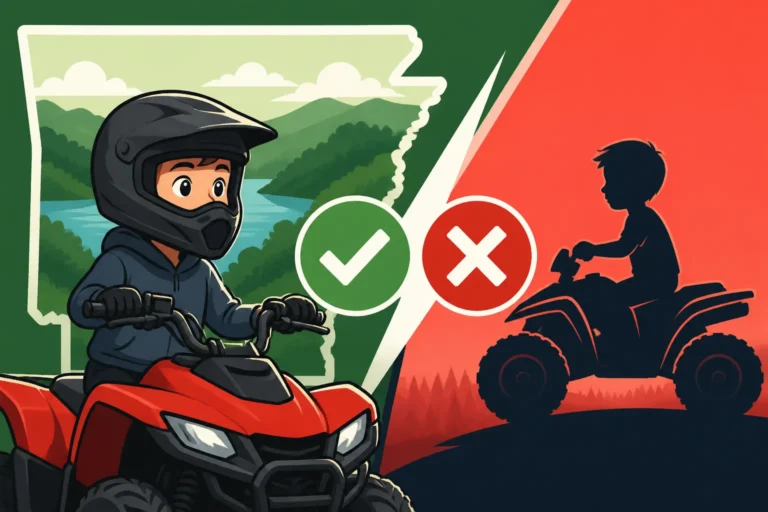
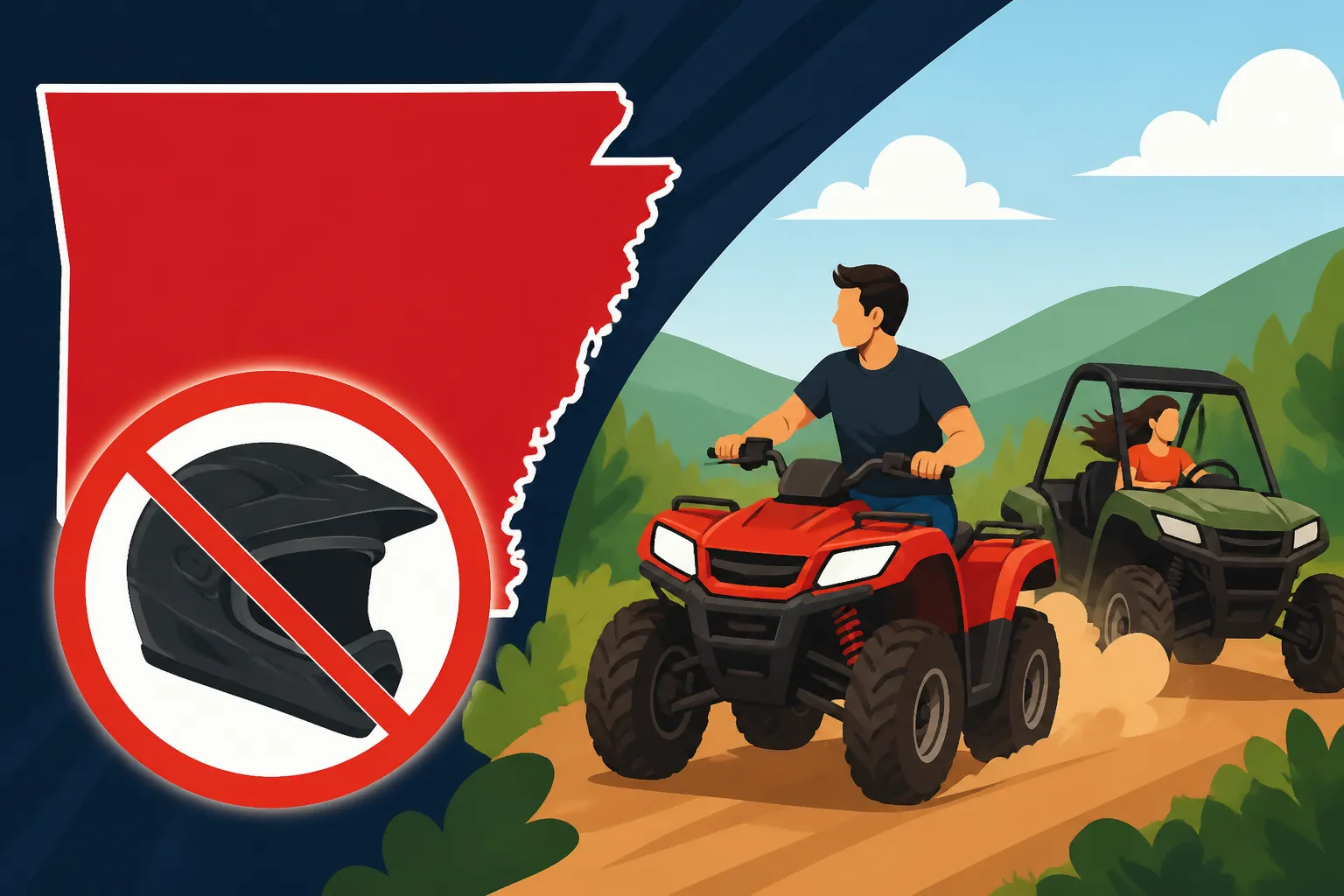
Let's get straight to the point to address a very common misunderstanding. When it comes to riding an All-Terrain Vehicle (ATV) or a Utility Terrain Vehicle (UTV) in Arkansas, there is no state law that mandates riders, regardless of age, to wear a helmet. This often surprises people, especially those familiar with strict helmet laws in neighboring states or for other types of recreational vehicles.
Dispelling the Common Misconception
Many riders assume that because a state has a general "helmet law" on the books, it must apply to all off-road vehicles. This is where the confusion truly begins. Arkansas does have helmet requirements, but they are specifically tied to motorcycles and certain motor-driven cycles, not ATVs or UTVs. The language in the statutes is very precise, and an ATV, by its legal definition in Arkansas, simply doesn't fall under the same umbrella as a motorcycle for helmet purposes. You might have heard anecdotes about riders getting ticketed for not wearing a helmet on a quad, but these instances are almost always due to misapplication of the law, or the rider was actually on a different type of vehicle. It's vital to understand the distinctions to avoid unnecessary worry or, conversely, a false sense of security regarding other safety aspects.
For example, imagine pulling up to a popular trail system like Wolf Pen Gap. You'll see riders with all sorts of headgear – from full-face motocross helmets to open-face dirt bike helmets, and even some folks with just a baseball cap. No one is pulling them over at the trailhead to check for helmet compliance, because the state law simply doesn't require it for their ATV or UTV. This freedom of choice is a distinct feature of Arkansas's approach to ATV safety regulations, setting it apart from many other states that impose universal helmet mandates for off-road vehicle operators and passengers.
The Legal Language Explained
To truly understand why there's no state-mandated helmet law for ATVs in Arkansas, we need to look at the specific legal definitions. Arkansas Code Annotated Title 27, Chapter 21, Section 102 defines an "all-terrain vehicle" as "any motorized vehicle manufactured and designed for off-highway use, traveling on three (3) or more low-pressure tires, having a seat designed to be straddled by the operator, and having handlebars for steering control." Notice key phrases here: "seat designed to be straddled" and "handlebars for steering control." This definition clearly distinguishes ATVs from automobiles and, crucially, from motorcycles.
Motorcycles, on the other hand, are defined separately, and it is under the motorcycle statutes that helmet requirements are found. The law specifically states that "no person shall operate or ride as a passenger upon a motorcycle or motor-driven cycle upon the public streets or highways of this state without wearing a protective helmet of a type approved by the Office of Motor Vehicle." The critical distinction here is "motorcycle or motor-driven cycle" and "public streets or highways." Since ATVs are generally defined for "off-highway use" and have distinct operating characteristics, they are not captured by the motorcycle helmet mandate. It's a nuance that many people miss, but it's the foundation of Arkansas's position on ATV helmets. This legal clarity is why you won't find a deputy citing you for not wearing a helmet solely because you're on a quad in Arkansas. You can delve deeper into [Arkansas Motorcycle Helmet Rule Is Not an ATV Rule] for a full breakdown.
Why Helmets Aren't Mandated for ATVs (But Are for Motorcycles)
The difference in how Arkansas law treats ATVs versus motorcycles often sparks debate and curiosity. It primarily boils down to how each vehicle type is legally defined and, consequently, how they are intended to be used within the state's legal framework. This distinction isn't arbitrary; it's rooted in the design, operational characteristics, and historical context of their regulation.
Defining "All-Terrain Vehicle" in Arkansas Law
As we touched on, Arkansas's legal definition of an ATV is quite specific. It describes a machine "manufactured and designed for off-highway use, traveling on three (3) or more low-pressure tires, having a seat designed to be straddled by the operator, and having handlebars for steering control." This definition is crucial because it sets the ATV apart from other vehicle classifications. It limits the scope of where and how these machines are primarily intended to be used, which is off-road, on trails, or private property. This foundational understanding impacts everything from registration to road rules, and yes, even helmet requirements.
For instance, a classic four-wheeler, with its straddle seat and handlebar steering, fits this definition perfectly. It's built to tackle rugged terrain, not to cruise down Main Street. This designation for "off-highway use" is key. While there are exceptions that allow ATVs to cross public roads or use them for agricultural purposes, these are very specific and don't reclassify the ATV as a street-legal vehicle subject to general highway laws, including motorcycle helmet mandates. Understanding this core definition helps clarify many other aspects of ATV legality in the state, including why [Arkansas's Six Statutory Road Exceptions] don't change the fundamental nature of the vehicle.
The Motorcycle vs. ATV Legal Divide
The legal distinction between motorcycles and ATVs is the lynchpin of Arkansas's helmet law. Motorcycles are designed and manufactured for on-highway use, even if many riders also take them off-road. The state's helmet law specifically targets vehicles designed for public road use where higher speeds, traffic, and different types of impacts are more common. The risks associated with a motorcycle crash on a paved highway, often involving other vehicles, are statistically different from those typically associated with an ATV crash on a dirt trail.
For a clearer picture, consider the differences in design: a motorcycle rider sits on the machine, often leaning into turns, with their feet potentially on footpegs. An ATV rider straddles the seat, using body weight to shift and control the machine, often requiring more dynamic movement. These operational differences contribute to separate regulatory approaches. While both involve motorized two-wheeled or multi-wheeled vehicles, the intent and context of their primary use are treated differently under Arkansas law. The state's legislature has historically opted not to extend the motorcycle helmet mandate to ATVs, recognizing these inherent differences in vehicle design and intended usage. This is why you can ride your quad without a helmet, but your friend on their dirt bike (if it's street legal and operating on public roads) might need one.
The Importance of Personal Choice and Safety Gear
Just because Arkansas doesn't have a mandatory helmet law for ATVs doesn't mean you should throw caution to the wind. Far from it. As an experienced rider and blogger, I can tell you that personal safety should always be your top priority. Accidents happen, even to the most skilled and careful riders. Choosing to wear a helmet is one of the most effective ways to protect yourself from severe injury.
Beyond the Law: Mitigating Risks
Riding an ATV or UTV inherently involves risks. You're navigating uneven terrain, often at speed, around obstacles like trees, rocks, and unpredictable trail conditions. A sudden rut, an unexpected drop-off, or simply losing your balance can send you flying or cause the machine to roll over. In any of these scenarios, your head is incredibly vulnerable. A traumatic brain injury (TBI) can be life-altering, leading to long-term physical, cognitive, and emotional challenges. Helmets are designed to absorb impact energy, distributing forces over a wider area and protecting your brain from direct trauma.
Think about it: whether you're cruising through the woods on a leisurely ride or tackling a challenging uphill climb at a private park like Hot Springs Off-Road Park, the ground is just as hard, and gravity works the same way. The absence of a law doesn't reduce the physical forces at play during a crash. Many experienced riders choose to wear helmets as a matter of course, understanding that the benefits far outweigh any perceived inconvenience. They ride year-round, in all conditions, from the slick mud of spring to the dusty trails of summer, knowing that protection is paramount.
Recommended Head Protection for All Riders
When it comes to choosing a helmet, you've got options. Look for helmets specifically designed for off-road use, often referred to as motocross or dirt bike helmets. These typically feature:
- Aggressive Chin Bar: To protect your jaw and face from impacts and roost (dirt kicked up by other riders).
- Visor (Peak): Designed to shield your eyes from sun glare, roost, and debris.
- Open Face (for goggles): Most off-road helmets are designed to be worn with separate goggles, which provide better ventilation and customizable eye protection than a built-in visor.
- Good Ventilation: Riding off-road is physically demanding, and good airflow keeps you cooler and more comfortable.
- DOT or Snell Certification: These certifications indicate that the helmet meets rigorous safety standards. Always ensure your helmet has at least a DOT certification.
Brands like Fox Racing, Bell, Shoei, and SuperATV (which also offers a range of accessories including safety gear) produce excellent off-road helmets that provide superior protection. Even though the law doesn't require it, a quality helmet is a non-negotiable piece of gear for many serious riders. It's an investment in your well-being.
Other Essential Safety Gear
While a helmet protects your most vital organ, a comprehensive approach to safety involves more than just head protection. Here’s a quick rundown of other essential gear that every ATV and UTV rider should consider:
- Eye Protection: Goggles are a must, whether your helmet has a visor or not. They protect your eyes from dust, branches, insects, and mud. Clear, tinted, or photochromatic options allow you to adapt to different light conditions.
- Gloves: Protect your hands from blisters, abrasions, and impacts. They also improve grip on the handlebars, which is crucial for control.
- Long-Sleeved Shirt and Pants: Even in warm weather, long sleeves and pants provide a barrier against scrapes, cuts, and sun exposure. Dedicated riding apparel offers additional padding and durability.
- Over-the-Ankle Boots: Sturdy boots protect your feet and ankles from impacts, crushing injuries, and hot engine parts. They also provide better grip on footpegs.
- Chest Protector/Body Armor: For more aggressive riding or rocky terrain, a chest protector or full body armor can safeguard your torso, shoulders, and elbows from impacts.
- Hydration Pack: Especially on longer rides in Arkansas's humid climate, staying hydrated is crucial. A hydration pack allows you to drink on the go without stopping.
Remember, a mishap can happen to anyone, whether you're riding with friends at Byrd's Adventure Center or simply exploring your own property. Being fully geared up can turn a potentially severe injury into a minor bump or bruise.
Special Considerations for Young Riders
While adults in Arkansas aren't mandated to wear helmets on ATVs, the conversation changes slightly, and quite importantly, when we talk about younger riders. Although the state law doesn't explicitly require helmets for children on ATVs, Arkansas does have very clear regulations regarding the supervision and age appropriateness for youth riding off-road vehicles. This highlights a legislative focus on preventing accidents through responsible operation and oversight, rather than solely through personal protective equipment for children.
Supervision, Not Helmets, for Kids Under Twelve
Arkansas law is specific about the supervision of young ATV riders. The statute states that "no person under twelve (12) years of age shall operate an all-terrain vehicle unless under the direct supervision of a parent, guardian, or an adult who is authorized by the parent or guardian." This means that if you have a child under 12 who wants to ride an ATV, an adult must be present and actively supervising them. This supervision isn't just about watching from a distance; it means being close enough to intervene, guide, and instruct the child in safe riding practices. The emphasis here is on ensuring that young, developing riders have the guidance needed to learn and operate these machines safely.
While the law doesn't mention helmets for these young riders, common sense and best safety practices dictate that a helmet is absolutely essential. A child's head is particularly vulnerable, and the potential for serious injury in a fall or collision is high. Many riding schools and off-road parks, for instance, will mandate helmets for all participants, especially children, regardless of state law. This legal focus on supervision for young riders can be further explored when considering [Arkansas ATV Age Rules for Young Riders].
Parental Responsibility and Best Practices
As a parent or guardian, you bear a significant responsibility for the safety of any child operating an ATV under your care. Even without a specific state helmet law for kids, providing them with appropriate head protection is a fundamental aspect of that responsibility. Here are some best practices:
- Age-Appropriate Machines: Ensure the ATV your child rides is the correct size and power level for their age and experience. A machine that is too large or powerful can be incredibly difficult for a child to control, significantly increasing accident risk.
- Mandatory Helmets: Make helmets non-negotiable for all children riding ATVs. Lead by example and wear one yourself.
- Full Gear: Beyond helmets, ensure children wear all other recommended safety gear: goggles, gloves, long sleeves, long pants, and over-the-ankle boots. Children are prone to falls and scrapes, and this gear provides crucial protection.
- Riding Training: Enroll children in an ATV safety course. These courses teach critical skills like proper riding techniques, hazard awareness, and responsible operation. While [Arkansas Has No Mandatory ATV Safety Course], they are invaluable.
- Designated Riding Areas: Allow children to ride only in safe, controlled environments, free from excessive hazards or traffic. Supervise them constantly.
- No Child Passengers: Arkansas law generally restricts passengers on ATVs that are designed for a single rider. Children are particularly vulnerable as passengers. This is an important consideration when reviewing [Arkansas Rules for a Child Passenger].
Ultimately, while the law guides minimum requirements, parental judgment and a commitment to safety should always drive decisions regarding children and ATV riding. It’s about instilling good habits from a young age that will serve them throughout their riding lives.
Street Legal UTVs and Local Ordinances: A New Layer of Rules
The landscape for UTVs in Arkansas has evolved significantly, particularly concerning their use on public roads. Historically, both ATVs and UTVs were strictly off-highway vehicles, with very limited exceptions for road crossings or agricultural use. However, a crucial change in state law, specifically Act 922, has empowered local jurisdictions to open their streets to UTVs, introducing a new layer of potential regulations, some of which could indirectly touch on safety gear.
How Act 922 Changed the Landscape for UTVs
Before Act 922, UTVs (or "side-by-sides") faced the same strict road restrictions as ATVs under state law, generally prohibiting their operation on public roads except for specific, limited circumstances. But Act 922, which came into effect on August 5, 2025, granted Arkansas cities and towns the authority to pass their own ordinances allowing UTVs on designated streets. This was a game-changer for UTV owners, especially those who wanted to use their machines for local errands, to access trailheads, or just cruise around their communities.
It's important to note that Act 922 itself doesn't impose a state-level helmet mandate for UTVs on these newly opened roads. The state still differentiates UTVs from street-legal motorcycles for helmet purposes. However, the act allows local municipalities to set their own rules for street-legal UTV operation. This means that while the state doesn't require a helmet, a specific town's ordinance might include a provision for helmets or other safety gear as a condition for street operation. So, while [Arkansas Rules That Changed in 2025] opened doors, they also brought new complexities.
What Local Ordinances Might Ask Of You
When a city council in Arkansas decides to open its streets to UTVs, they don't just wave a magic wand. They pass a specific ordinance that outlines the rules for street-legal UTVs within their city limits. These ordinances can vary significantly from town to town. Some might be very basic, requiring things like lights and turn signals. Others might be more comprehensive, addressing insurance, age limits for drivers, speed restrictions, and even specific safety equipment.
For example, a city ordinance might require UTVs to have:
- Headlights, Taillights, Brake Lights: For visibility on public roads.
- Turn Signals: Essential for communicating intentions in traffic.
- Mirrors: To see traffic behind you.
- Seat Belts: Often mandated, as UTVs have enclosed cabins and seats similar to cars.
- Windshield: For protection from road debris.
- Proof of Insurance: Liability insurance is common for any vehicle on public roads.
- Driver's License Requirement: Typically, a valid driver's license is needed.
Crucially, some of these local ordinances could also stipulate helmet use, even if the state law doesn't. While it's not a widespread practice, a town prioritizing safety might include it. Therefore, if you plan to operate your UTV on city streets, it is absolutely essential to check the specific ordinance of that particular city. A good place to start is the city clerk's office or the city's official website. What applies in Bono, for example, might not apply in Cotter. For a broader understanding of this topic, check out [Arkansas UTV Street Legal Rules by Town].
Here's a generalized comparison of vehicle types and their typical helmet requirements in Arkansas:
| Vehicle Type | State Helmet Requirement for Operators | State Helmet Requirement for Passengers | Comments |
|---|---|---|---|
| Motorcycle | Yes (on public roads) | Yes (on public roads) | Must be DOT approved helmet. Applies to all ages. |
| Motor-Driven Cycle | Yes (on public roads) | Yes (on public roads) | Similar to motorcycles, covers mopeds, scooters, etc., if operated on public roads. |
| ATV (All-Terrain Vehicle) | No | No | Designed for off-highway use. State law does not mandate helmets, even for children. |
| UTV (Utility Terrain Vehicle) | No | No | Designed for off-highway use. State law does not mandate helmets, even if street-permitted by local ordinance. |
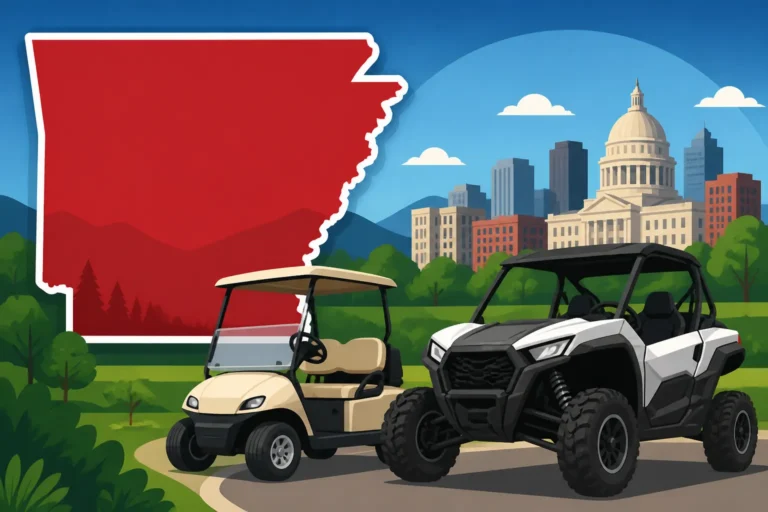
| Golf Cart | No | No | Primarily restricted to private property or specific local ordinances in approved communities. |
Note: This table reflects state law. Local ordinances, particularly for street-legal UTVs, can add requirements beyond state minimums, but a helmet mandate for UTVs is rare even at the local level.
Visiting Arkansas: What Out-of-State Riders Should Know
If you're an out-of-state rider planning a trip to Arkansas with your ATV or UTV, you might be wondering how your home state's laws or expectations might conflict with what you'll find in the Natural State. It's a common concern, as off-road vehicle laws can vary dramatically from state to state. Understanding Arkansas's specific approach will help ensure a smooth, enjoyable, and compliant riding experience.
Reciprocity and Confusion
Many states have helmet laws that apply universally to all off-road vehicle riders, regardless of age or vehicle type. For example, some states might require helmets for all ATV riders under 18, or even all riders entirely. When you come from such a state to Arkansas, the absence of a helmet law can feel counter-intuitive or even a bit confusing. You might assume, out of habit or caution, that you still need to wear one, or you might worry about legal repercussions if you don't.
The good news for visiting ATV and UTV riders in Arkansas is that the state does not impose its own helmet mandate on these vehicles. Therefore, you won't be ticketed for not wearing a helmet on your ATV or UTV solely because you're from a state that does require one. Arkansas's laws primarily govern its residents and visitors within its borders. However, it’s always a smart practice to review your own insurance policy to see if it has any clauses regarding helmet use, as some policies might have conditions related to personal protective equipment, regardless of local laws. When exploring [Arkansas Rules for a Visiting Missouri Rider] or other neighboring states, remember that each state has its own unique set of regulations.
Always Ride Prepared
Even though the law doesn't require it, most experienced riders, whether local or visiting, strongly recommend wearing a helmet and full safety gear. This isn't just about legal compliance; it's about common-sense safety. You're riding in unfamiliar territory, potentially on more challenging trails than you're used to, and conditions can change rapidly. A helmet, goggles, gloves, sturdy boots, and appropriate clothing are your best defense against injury.
Consider the diverse terrain Arkansas offers, from the rocky trails of the Ouachita Mountains at Wolf Pen Gap to the muddy river crossings near Byrd's Adventure Center. Each environment presents its own set of risks. Being prepared with the right gear means you can focus on the incredible riding experience rather than worrying about potential hazards to your safety. Moreover, if you plan to access designated OHV trails within national forests, such as the Ouachita National Forest or Ozark-St. Francis National Forest, you'll need the appropriate [Arkansas OHV Permits: Two Forests, Two Prices]. While these permits primarily address access fees, they underscore the need to be aware of all regulations for the specific area you're riding in.
My best advice for out-of-state riders, and indeed for all riders in Arkansas, is to pack your helmet and wear it. It's a small inconvenience for potentially life-saving protection. Enjoy the beautiful trails and unique riding opportunities Arkansas has to offer, but do so with safety at the forefront of your mind.
Disclaimer
This article is for general informational purposes only and does not constitute professional advice. Laws, prices and regulations vary by location and change over time. Consult a qualified professional for guidance on your specific situation.