Adult Supervision Rules for Arkansas Riders Under 12
Navigating the world of off-road riding with kids can feel like a minefield, especially when you're trying to figure out all the specific rules and regulations that apply to young riders. Many parents worry about staying safe and legal, and it's easy to get confused by what "adult supervision" truly means in Arkansas. This guide is here to break down the essential adult supervision rules for children under 12 who want to ride ATVs and UTVs in our beautiful state, helping you ensure both fun and compliance.
Understanding Arkansas's Stance on Young Riders
Arkansas, like many states, recognizes that ATV and UTV riding comes with inherent risks, especially for younger participants. The law isn't designed to stifle fun but to protect our children from potential hazards by ensuring they have knowledgeable guidance. For riders under a certain age, adult supervision isn't just a recommendation; it's a legal requirement that carries significant weight.
The "Under Twelve" Rule: What It Actually Means
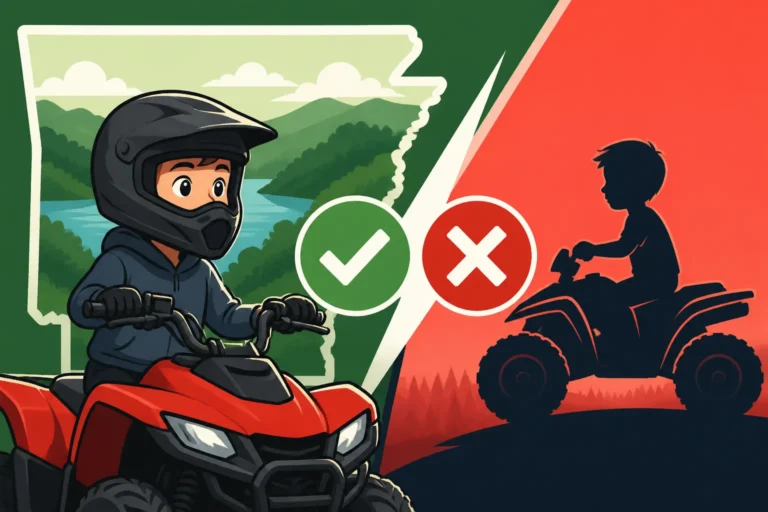
When we talk about the "under twelve" rule in Arkansas for ATV and UTV riders, we're referring to a specific age threshold where direct adult supervision becomes mandatory by statute. This isn't just a suggestion for good parenting; it's a hard and fast rule embedded in state law. If your child is under the age of 12, they cannot legally operate an ATV or UTV on public lands, designated trails, or even private property without an adult present and actively supervising them.
This rule acknowledges that children under 12 might lack the cognitive development, physical strength, and judgment needed to safely operate these powerful machines completely on their own. They might not anticipate hazards, react appropriately to unexpected situations, or have a full grasp of throttle control and braking. Therefore, the law mandates that a responsible adult must be there, within sight and sound, ready to intervene if necessary. It’s about more than just being in the same general area; it’s about active oversight. You can find more details on general age requirements in [Arkansas ATV Age Rules for Young Riders].
Why Arkansas Prioritizes Supervision for Kids
The state's focus on supervision for young riders isn't arbitrary; it's rooted deeply in safety. ATVs and UTVs are not toys; they are powerful machines capable of high speeds and challenging maneuvers. For children, the risks associated with improper use or lack of judgment are significantly higher. Studies and accident statistics consistently show that unsupervised young riders are at a much greater risk of severe injury or even fatality.
Beyond the immediate physical dangers, there's also the educational aspect. A supervising adult isn't just a babysitter; they're a mentor. They teach proper riding techniques, demonstrate responsible trail etiquette, and instill an understanding of machine capabilities and limitations. Without this direct guidance, a child might develop bad habits or take unnecessary risks. This priority on safety is why Arkansas also encourages, though doesn't mandate, ATV safety courses, as discussed in [Arkansas Safety Courses That Are Voluntary], which can greatly enhance a child's skills and awareness when paired with hands-on supervision.
Who Qualifies as an "Adult Supervisor" in Arkansas?
Understanding that supervision is mandatory is one thing, but knowing who qualifies to provide that supervision is equally important. It's not just any older person; the law generally implies a level of responsibility and capability from the supervising adult. This distinction is crucial for both legal compliance and, more importantly, for the child's safety.
Age Requirements and Responsibility
In Arkansas, when the law refers to an "adult supervisor," it generally means someone who is at least 18 years of age. This age minimum aligns with the legal definition of adulthood and the responsibilities that come with it. A supervising adult is expected to be mature, capable, and able to make sound judgments in potentially high-stress situations. They should possess the physical ability to intervene quickly if a child gets into trouble, whether that means running to them, providing verbal instructions, or even operating their own machine to assist.
Beyond the strict age, there's an implied responsibility that goes with the title. The supervisor should ideally have experience with ATVs or UTVs themselves, or at the very least, a strong understanding of how they operate and the specific challenges of the terrain. They are not just present; they are responsible for the child's actions and safety while riding. This means understanding the child's skill level, the limitations of their machine, and the conditions of the riding environment. [Adult Supervision Rules for Arkansas Riders Under 12] further clarifies this crucial requirement.
What "Direct Supervision" Looks Like in Practice
The term "direct supervision" is key here and goes beyond simply being on the same trail or even in the same general area. For a child under 12 riding an ATV or UTV in Arkansas, "direct supervision" generally means:
- Within Sight: The supervising adult must have an unobstructed view of the child at all times. This means no riding around blind corners ahead of the child, no disappearing over hills, and no getting so far behind that the child is out of view.
- Within Hearing: The adult should be close enough to communicate effectively with the child, whether through verbal commands or signals. If the child gets into trouble, the adult needs to hear their call for help or the sounds of distress.
- Close Proximity: While the law doesn't specify an exact distance in feet or yards, the spirit of direct supervision implies being close enough to immediately intervene if a problem arises. If a child suddenly swerves, gets stuck, or falls off, the adult needs to be able to reach them within seconds, not minutes. This might mean riding a separate machine slightly behind or alongside the child, or if the child is on a very small, slow machine in a contained area, walking beside them.
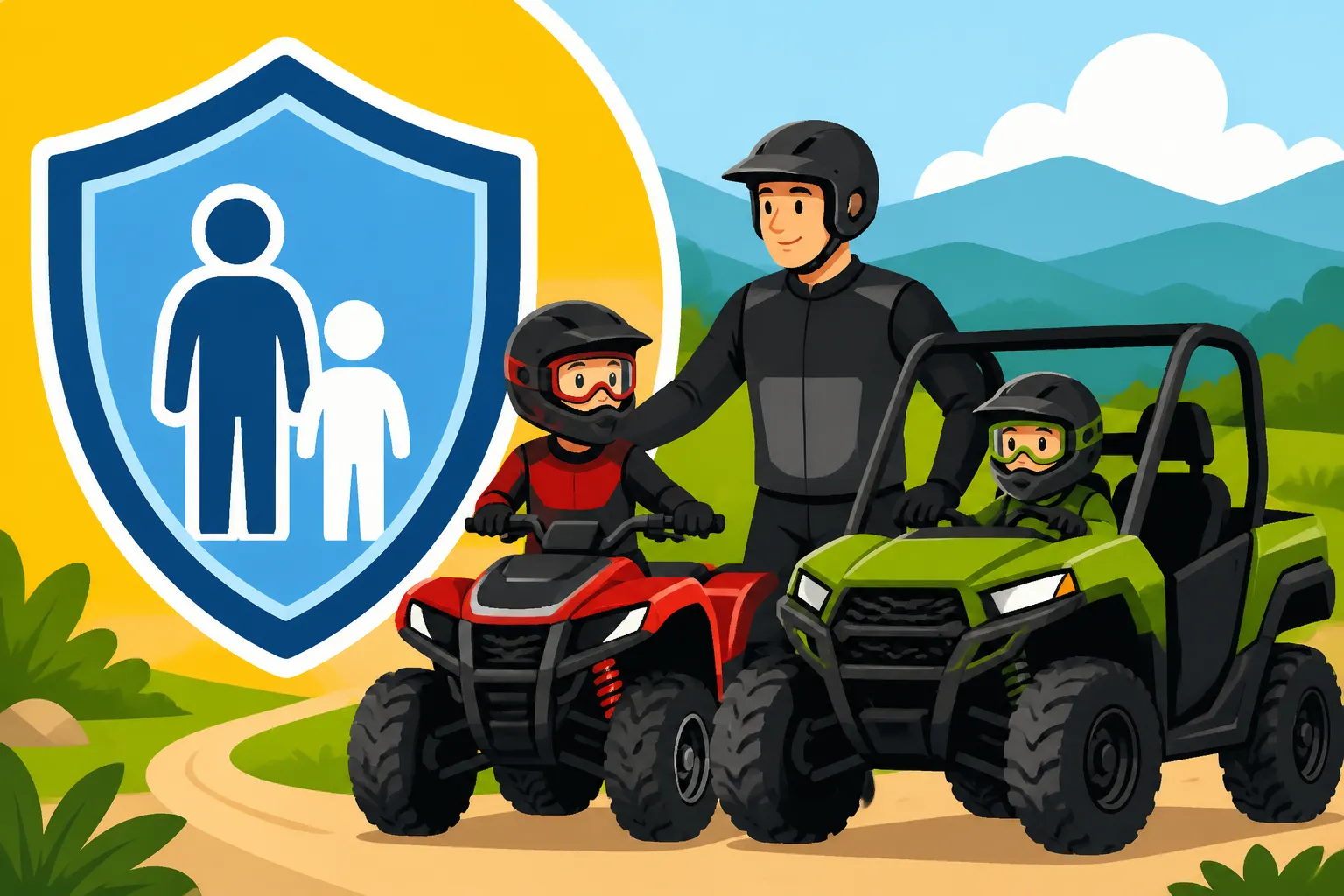
Imagine a parent teaching their child how to ride a new SuperATV youth model. The parent isn't just watching from the picnic table; they're on their own machine, maybe a few bike lengths back, constantly assessing the child's control, the terrain ahead, and ready to shout advice or hit the brakes on their own machine to get to the child. This active engagement is the essence of direct supervision. For hands-on experience and training, look into [Youth Training at an Arkansas Trail Park] where supervisors are always present.
Here's a quick table to illustrate the difference:
| Scenario | Within Sight | Within Hearing | Close Proximity | Meets "Direct Supervision" |
|---|---|---|---|---|
| Adult on same trail, 50 yards ahead | No | Sometimes | No | No |
| Adult watching from a parked truck | Yes | Sometimes | No | No |
| Adult on separate machine, 10 yards behind | Yes | Yes | Yes | Yes |
| Adult walking alongside child on very slow machine | Yes | Yes | Yes | Yes |
Where Do These Supervision Rules Apply?
The location of your ride can sometimes feel like it complicates matters, but the basic premise of adult supervision for young riders remains largely consistent across different types of land in Arkansas. However, there are some important distinctions to be aware of, especially when moving between public and private spaces.
Public Trails vs. Private Land: Are the Rules Different?
This is a common question, and it's a good one! The general answer is that the requirement for adult supervision for riders under 12 largely applies across the board, whether on public lands or private property.
- Public Trails and Designated OHV Areas: On public trails, like those found in the Ouachita National Forest or the Ozark National Forest, the rules are strictly enforced. Forest rangers and law enforcement personnel will be looking for compliance with these age and supervision requirements. If a child under 12 is observed riding unsupervised, the adult responsible could face fines or other penalties. These rules are in place to ensure safety for everyone using these shared resources. You'll need to know about [Arkansas OHV Permits: Two Forests, Two Prices] if you plan to visit these areas.
- Private Land (Owned or Leased): While you might think "my land, my rules," Arkansas state law regarding the supervision of young ATV/UTV riders extends to private property as well. This means that even if you own a vast tract of land, your child under 12 still needs direct adult supervision. The intent here is uniform child safety, regardless of land ownership. Of course, when riding on private land that isn't yours, you'll also need [Arkansas Rules With a Landowner's Permission] or, if it's leased, [Arkansas Rules on a Parent's Property].
- Private Off-Road Parks: Many private parks, like Hot Springs Off-Road Park or Byrd's Adventure Center, have their own extensive sets of rules designed to ensure safety. While they often mirror state laws, they may also have additional requirements, such as mandatory waivers or specific age limits for certain trails. However, the state's supervision rule for under-12 riders will almost certainly be enforced. Always check the park's specific regulations and be prepared to sign [Arkansas Private Park Waiver Forms] for your children.
The critical takeaway here is that you shouldn't assume the rules loosen up just because you're not on a public highway. The safety of young riders is a consistent concern throughout Arkansas's ATV and UTV regulations.
Exceptions and Important Nuances
While the "under 12 requires supervision" rule is fairly broad, it's worth noting that the law specifically targets the operation of ATVs and UTVs. There aren't many broad exceptions to the direct supervision rule itself.
One common question is whether the rules change if the child is a passenger rather than the operator. While Arkansas doesn't have a specific helmet law for ATVs in general, as noted in [Arkansas ATV Helmet Requirements], safety dictates that any child, whether riding or supervising, should wear appropriate safety gear, including a helmet. If a child under 12 is a passenger in a UTV, the adult operating the UTV is still responsible for their safety, and the child should be properly secured. The driver of the UTV, who must be an adult, is providing the ultimate supervision in that scenario.
It's also important to remember that these rules are minimums. As a parent or guardian, you always have the authority and responsibility to impose stricter rules if you feel it's necessary for your child's safety. For instance, even if the law doesn't explicitly state a minimum distance, you might decide your child needs you even closer, especially if they are just learning or riding on challenging terrain. When it comes to the safety of our kids, common sense and parental discretion often go hand-in-hand with legal compliance.
Ensuring a Safe and Compliant Ride for Youngsters
Beyond understanding the letter of the law, applying these supervision rules effectively means creating a safe environment from the ground up. This involves thoughtful choices about the machine itself, the gear your child wears, and how you approach the act of supervision during the ride. It's about proactive safety, not just reactive intervention.
Choosing the Right Machine and Gear
The journey to safe riding for a child under 12 starts long before they ever put a boot on a footpeg. It begins with selecting an age-appropriate machine and outfitting them with the right protective gear.
- Age-Appropriate Machines: It's absolutely crucial that a child under 12 rides an ATV or UTV that is sized for them. This means a machine with an engine size, weight, and speed capabilities suitable for their physical size, strength, and developmental stage. Many manufacturers, including those that make accessories like SuperATV parts, offer specific youth models that are designed with these considerations in mind. For example, a child should be able to comfortably reach the handlebars and controls, operate the brakes, and shift their weight effectively. Putting a small child on a full-size, powerful machine is a recipe for disaster, regardless of supervision.
- Essential Safety Gear: Proper gear is non-negotiable. Even with direct supervision, accidents can happen, and gear is the first line of defense.
- Helmet: While [Do Kids Need Helmets on an ATV in Arkansas?] doesn't mandate helmets for all ATV riders, it is absolutely paramount for children. A DOT-compliant helmet, properly fitted, can prevent catastrophic head injuries.
- Eye Protection: Goggles or a helmet with a face shield are essential to protect eyes from dust, debris, branches, and insects.
- Gloves: Gloves protect hands from blisters, abrasions, and improve grip.
- Long Sleeves and Pants: Sturdy long-sleeved shirts and pants (jeans or riding pants) offer protection against scrapes, brush, and minor impacts.
- Over-the-Ankle Boots: Boots protect feet and ankles, offer good grip on footpegs, and prevent feet from getting caught in moving parts.
Investing in quality gear is an investment in your child's safety. It's not an area to cut corners, even if they're only riding on a relatively safe plot of land.
Practical Tips for Effective Supervision
Beyond the legal requirements, there are many practical ways to make your supervision as effective as possible and ensure a truly safe and enjoyable experience for your young rider.
- Lead by Example: Children are incredible imitators. If you ride responsibly, wear all your gear, and follow the rules, your child is far more likely to do the same. This includes demonstrating good trail etiquette, respecting speed limits, and never riding under the influence.
- Communication is Key: Before and during the ride, talk to your child. Explain the route, point out potential hazards, and review hand signals or verbal cues for stopping or slowing down. Check in frequently to ensure they're feeling comfortable and confident.
- Start Small and Slow: Don't throw your child into challenging terrain right away. Begin in a large, open, flat area with minimal obstacles. Gradually increase the complexity of the terrain as their skills and confidence grow. A simple loop on your own property or a designated beginner trail is ideal.
- Regular Skill Assessment: Continuously gauge your child's riding abilities. Are they handling the machine smoothly? Are they looking where they're going? Are they reacting appropriately to uneven ground? If you notice them struggling or becoming fatigued, it's time for a break or to call it a day. Remember, fatigue increases the risk of mistakes.
- Understand Machine Limits: Familiarize yourself with the specific youth ATV or UTV your child is riding. Know its top speed, braking distance, and handling characteristics. This knowledge helps you anticipate how the machine will respond in different situations and guide your child accordingly. Many owners add upgrades from reputable companies like SuperATV to enhance safety and performance, but ensure these modifications are still appropriate for a child's machine.
- Plan for Emergencies: Always carry a basic first-aid kit, a cell phone (though service can be spotty in some remote Arkansas areas), and know your location. Familiarize yourself with the nearest medical facilities. In the unfortunate event of an [Arkansas Accident Reporting for an ATV Crash], knowing how to react calmly and efficiently can make a huge difference.
By combining legal compliance with thoughtful preparation and active engagement, you can provide your child with an enriching and safe introduction to the exciting world of ATV and UTV riding in Arkansas. It’s an investment in their safety and a pathway to creating lasting memories on the trails.
Disclaimer
This article is for general informational purposes only and does not constitute professional advice. Laws, prices and regulations vary by location and change over time. Consult a qualified professional for guidance on your specific situation.