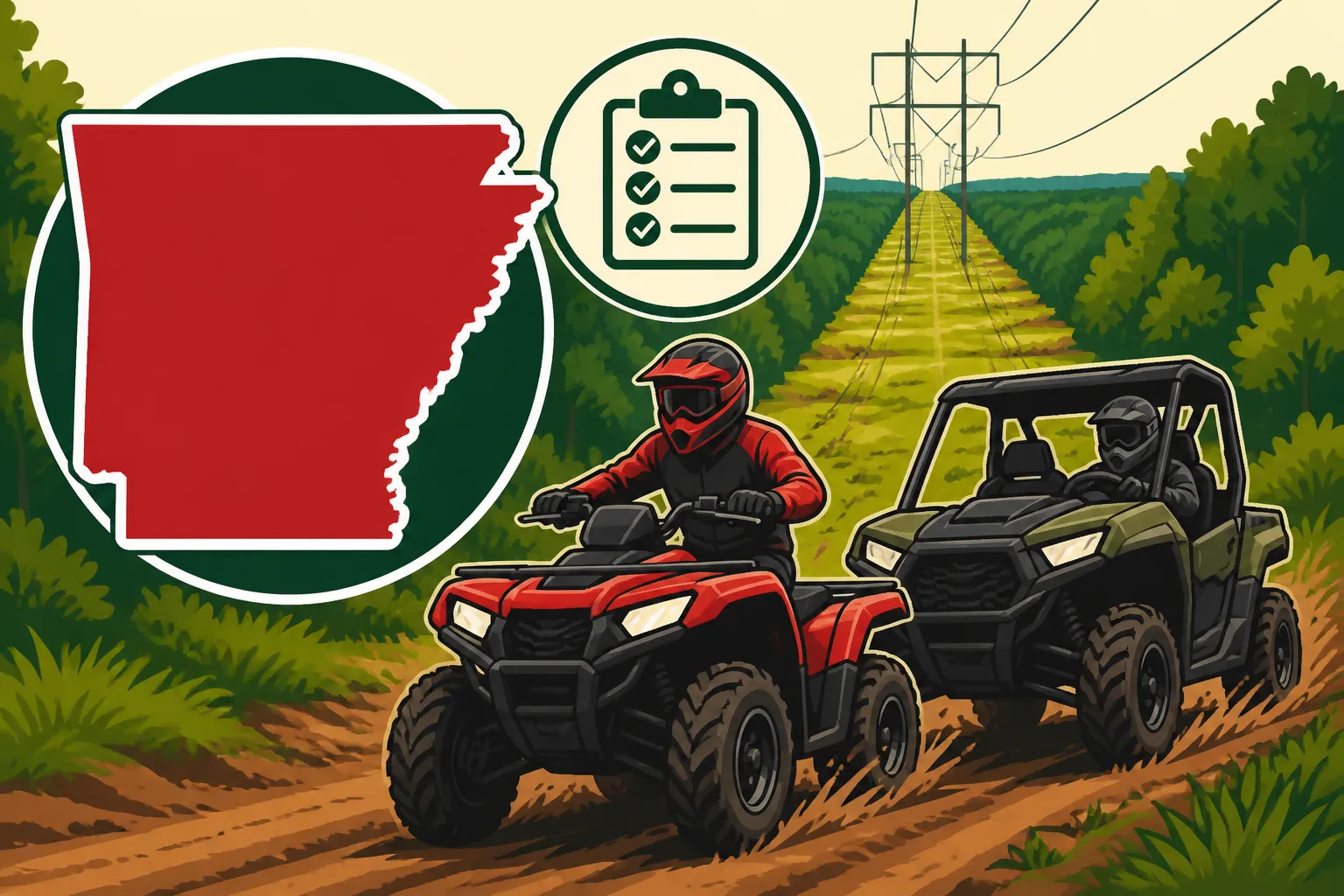
Arkansas Rules for Riding a Pipeline Cut
There's nothing quite like the open road, or in our case, the open path that carves its way through the Arkansas landscape. Those long, cleared stretches that often mark a pipeline right-of-way can look incredibly inviting when you're itching to take your ATV or UTV for a spin. But before you drop into gear and hit that seemingly clear path, you need to understand the often-misunderstood legal and safety realities that come with riding a pipeline cut in Arkansas. This guide will walk you through what's fact, what's fiction, and how to stay on the right side of the law while still enjoying the Natural State's incredible off-road opportunities.
The Allure and Legal Ambiguity of Pipeline Cuts for Riders
It’s easy to see why pipeline cuts appeal to ATV and UTV enthusiasts. They offer long, straight, often wide stretches of cleared land, cutting through forests or fields, providing a unique riding experience that feels adventurous and unrestricted. For many riders, especially those new to the off-road scene or looking for a quick ride close to home, these cuts seem like a natural fit for their machines. They're often less rocky than mountain trails, less rutted than some logging roads, and just there, begging to be explored. But that inviting appearance hides a complex legal reality that can lead to unexpected trouble if you're not careful.
Understanding What a Pipeline Cut Really Is
Imagine a literal highway for natural gas, oil, or water, often buried deep underground, but needing a clear path above it for inspection, maintenance, and safety. That's essentially what a pipeline cut is. These corridors are deliberately cleared of trees, brush, and structures to ensure pipeline integrity, allow access for repair crews, and prevent hazards. From a rider's perspective, this means relatively flat or gently rolling terrain, usually with good sight lines, making them seem ideal for picking up some speed or just cruising.
However, this clearing is for a very specific purpose related to the utility infrastructure. It’s not about creating a recreational trail. While the cleared land might offer a tempting stretch of dirt or grass for your tires, its primary function is operational and safety-oriented for the company that owns the pipeline and maintains the easement. This distinction is crucial, as it dictates who has the right to use that land and for what purpose. You might see tracks there from other riders, or even vehicles from the pipeline company itself, but that doesn't mean it's open to the public.
The Hidden Hand of Land Ownership and Easements
Here's where it gets a bit tricky and often catches riders off guard: pipeline cuts almost always cross private property. While a utility company has an "easement" – a legal right to use a specific portion of someone else's land for a particular purpose (like burying and maintaining a pipeline) – that doesn't mean the company owns the land outright. The original landowner typically retains ownership of the property, including the surface rights. The utility company only has the right to access and maintain their pipeline within the easement.
This means that for the vast majority of pipeline cuts in Arkansas, you are still on private land. The utility company doesn't have the authority to grant you permission to ride, nor does the existence of their easement automatically make the land public property for recreation. If you don't have explicit permission from the landowner, you are technically trespassing. This fundamental point is missed by many riders who assume that because a path looks "open" or "used," it's fair game. Understanding this distinction is the first step in avoiding legal headaches and respecting property rights.
Arkansas Law and the Risk of Riding Undesignated Areas
The allure of an open pipeline cut can be strong, but the legal reality in Arkansas is stark: if it's not a designated trail or you don't have explicit permission, you're likely breaking the law. Arkansas takes property rights seriously, and unauthorized riding can quickly turn a fun outing into a costly and frustrating ordeal. The state's statutes are clear, and ignorance of the law is rarely an excuse that holds up when you're facing a deputy or a game warden.
Why "Open" Doesn't Mean "Public Access"
It's a common misconception: if land isn't fenced, if there aren't "No Trespassing" signs every fifty feet, or if you see tracks from other vehicles, it must be okay to ride. This simply isn't true for pipeline cuts in Arkansas. As discussed, these cuts are almost always on private property, even with a utility easement. The landowner has not necessarily given up their right to control who uses the surface of their property, even if a pipeline runs beneath it. The "open" appearance is for the benefit of the pipeline company, not the recreational public.
Think of it this way: just because a delivery truck drives down your neighbor's long driveway to drop off a package doesn't mean you can use that same driveway to joyride your ATV. The principle is the same. The utility company has a specific, legally defined right of access for their equipment and personnel. That right does not extend to general public recreation. Unless the landowner has explicitly granted permission, riding on a pipeline cut on private land is unauthorized. For a deeper dive into the state's statutes, you might want to read up on [Arkansas Trespass Law for Riders].
Legal Repercussions of Unauthorized Riding
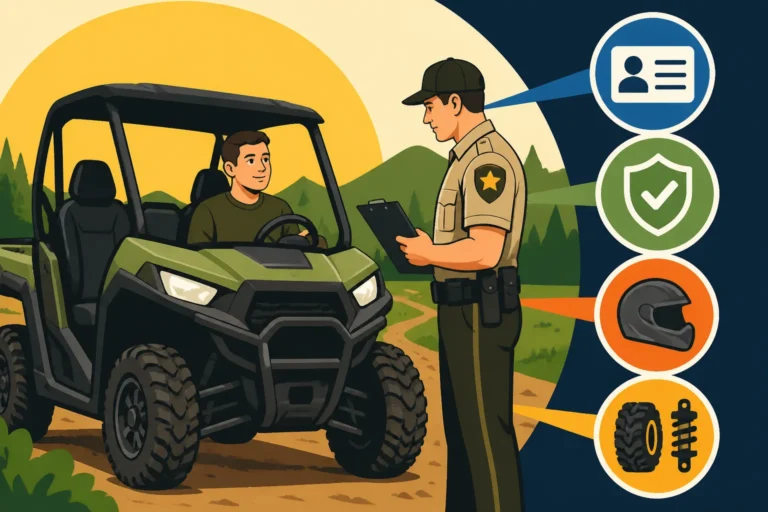
The consequences of riding on a pipeline cut without permission can range from a polite warning to serious legal trouble. At a minimum, you could be asked to leave the property. However, if you're caught by law enforcement, such as a county sheriff's deputy or an Arkansas Game and Fish Commission wildlife officer, you could face trespassing charges. Penalties for trespassing can include fines, which can escalate with repeat offenses or if any damage is caused.
Beyond fines, your ATV or UTV could potentially be impounded, leading to additional fees for towing and storage, not to mention the hassle of retrieving your machine. In some cases, if you cause damage to the property (even inadvertently, like creating ruts in a wet field), the landowner could pursue civil action against you for damages. It's not uncommon for landowners to be particularly sensitive about their property, especially if they use it for agriculture, timber, or hunting. The cost of a day's illegal ride can far outweigh the minor registration or permit fees associated with legal riding areas. You can find more information about potential fines and legal actions in articles like [Arkansas Penalties for Illegal Road Riding].
Securing Legitimate Access: The Only Way to Ride a Pipeline Cut
Given the legal complexities, you might be wondering if it's even possible to ride a pipeline cut legally. The answer is yes, but it requires diligent effort and clear communication. The key principle is permission. Without it, you're always at risk. There's no secret loophole or hidden regulation that suddenly makes these areas fair game for recreational vehicles.
The Critical Need for Landowner Permission
The absolute best and almost sole legal way to ride a pipeline cut that crosses private property is to obtain direct, explicit permission from the landowner. This isn't just a friendly nod; ideally, you want it in writing. Identifying landowners can sometimes be a challenge, but county tax assessor's offices or online GIS maps can often help you pinpoint who owns a particular parcel of land. From there, it's about making a polite, respectful request.
When approaching a landowner, be prepared to explain exactly what you want to do, how many machines you'll have, and your commitment to respecting their property. Offer to pick up any trash, avoid certain areas, or only ride when the ground is dry. Many landowners are wary of off-road riders due to past negative experiences, so building trust is paramount. A signed [Written Permission From an Arkansas Landowner] document outlining the terms of your access can protect both you and the property owner, clarifying expectations and minimizing misunderstandings.
Public Land Pipeline Cuts: Still Not a Free-for-All
Occasionally, a pipeline cut might cross public land, such as a national forest or a Wildlife Management Area (WMA). This doesn't automatically mean it's open for riding, however. Even on public lands, ATVs and UTVs are typically restricted to designated trails and roads. Just because a pipeline company maintains a cleared path through a forest doesn't mean the U.S. Forest Service or the Arkansas Game and Fish Commission has approved it for recreational motorized use.
In fact, riding off designated trails in national forests or WMAs can also lead to citations for environmental damage or unauthorized vehicle use. Always consult official maps and regulations for the specific public land you intend to visit. For example, [Arkansas AGFC WMA Rules for Riders] or [Arkansas National Forest Riding Explained] will detail where and when ATV/UTV use is permitted. Unless a pipeline cut is clearly marked as a designated OHV trail, assume it's off-limits, even on public property. The rules are designed to protect natural resources and ensure safety, and they apply to pipeline corridors just as much as any other area.
The Slim Chance of Pipeline Company Consent
While the pipeline company holds the easement, their primary concern is the safe operation and maintenance of their infrastructure, not providing recreational access. Granting permission for ATVs and UTVs to ride their easements introduces significant liability risks for them, potential damage to their buried lines, and interference with their inspection and repair activities. Because of these factors, it is extremely rare for a pipeline company to grant permission for recreational riding on their easements.
Their focus is on safety, environmental protection, and maintaining an unobstructed path for their work crews. If you attempt to contact them, you're likely to be redirected to the actual landowner for permission, or simply informed that recreational use is not permitted. Don't assume that because they have a presence on the land, they have the authority or inclination to let you ride there. Your best and almost only course of action for legal access remains with the property owner.
Gearing Up Safely and Smartly for Unknown Terrain
Even if you do manage to secure legitimate permission to ride a pipeline cut, it's crucial to understand that these areas are not maintained like dedicated OHV trails. They present a unique set of challenges and hazards that require extra vigilance and the right equipment. The lack of specific trail grooming or mapping means you're often riding into the unknown, which demands a higher level of preparedness.
Anticipating Hidden Hazards on Unmaintained Paths
Unlike purpose-built trails that are often cleared of major obstacles and regularly inspected, pipeline cuts are maintained for utility access, not recreational riding. This means you might encounter sudden erosion points, large rocks, stumps, hidden culverts, or even exposed sections of pipe that could cause serious damage to your machine or worse, injury to riders. Tall grasses can obscure these dangers, making what looks like a smooth stretch of ground a potential minefield of hidden hazards. Water crossings might have deep, unexpected ruts or soft bottoms.
Your machine needs to be ready for this kind of unforgiving terrain. Investing in robust underbody protection like heavy-duty skid plates, A-arm guards, and rock sliders can be a game-changer. Companies like SuperATV specialize in these kinds of aftermarket accessories, offering crucial protection against impacts from unseen rocks or debris that could otherwise disable your machine or punch a hole in your oil pan. Good ground clearance, possibly achieved with a lift kit, can also help you navigate sudden elevation changes or small mounds that often accompany buried lines.
Equipment and Preparedness for Remote Riding
Since pipeline cuts are rarely in high-traffic areas, you need to be prepared for self-sufficiency. Cell service can be spotty or non-existent in many rural Arkansas areas, so relying on your phone for navigation or emergencies is risky. Carrying a physical map or a GPS device with pre-loaded maps is wise. A well-stocked tool kit, tire repair kit, and a small air compressor are essential. Always carry plenty of water, especially in Arkansas's hot and humid summers.
Visibility can also be an issue, particularly at dawn, dusk, or in dense fog. Consider auxiliary lighting from brands like SuperATV to illuminate your path, revealing hidden obstacles well in advance. Riding with a buddy or in a small group is always recommended, as it provides an extra layer of safety in case of a breakdown or accident. Inform someone of your route and estimated return time. Good, aggressive tires are also paramount; the terrain can quickly shift from dry, hard-packed earth to loose gravel, mud, or even rocky sections.
Here’s a quick comparison of what to expect:
| Feature | Pipeline Cut (Unauthorized) | Designated OHV Trail Riding (e.g., Wolf Pen Gap) |
|---|---|---|
| Legal Access | Usually illegal; requires landowner's explicit permission | Explicitly allowed with proper permit/fees |
| Maintenance | None for recreational use; utility maintenance only | Regular clearing, erosion control, marking |
| Hazards | Unmarked obstacles, erosion, exposed pipes, debris | Generally fewer, marked obstacles, sometimes rated |
| Amenities | None (no restrooms, water, maps) | Trailheads with maps, restrooms, staging areas |
| Liability | High risk of trespassing, fines, impoundment | Clear rules, lower personal liability if followed |
| Navigation | Self-reliant; potentially no cell service | Maps provided, trails marked, sometimes cell service |
| Crowds | Unknown; potentially solitary | Can be busy, especially on weekends |
Your Best Bet: Embracing Arkansas's Legal Riding Destinations
It's clear that riding pipeline cuts comes with significant risks and legal hurdles. While the temptation for an open ride is understandable, the potential for fines, impoundment, damage to your machine, or even injury, often outweighs the perceived benefits. The stress of constantly looking over your shoulder for property owners or law enforcement can quickly diminish the enjoyment of your ride.
The Pitfalls of Illegal Riding
Beyond the immediate legal penalties, unauthorized riding can damage the reputation of the entire ATV/UTV community. When a landowner has a negative experience with riders, it often leads to increased hostility towards all off-road enthusiasts, making it harder for others to gain legal access in the future. Reports of noise, property damage, or disrespect contribute to a negative stereotype that the vast majority of responsible riders don't deserve. Nobody wants their machine confiscated or to face steep legal fees because they chose to ignore clear property boundaries. For those unfortunate enough to be caught without proper registration or in areas where riding is forbidden, the consequences can be severe. Reading about [Riding Unregistered and Getting Caught] can give you a clearer picture of the stakes.
Even if you never get caught, the constant worry about potential confrontations, tickets, or civil action takes a toll. A relaxing ride quickly becomes a stressful gamble. Furthermore, if you're involved in an accident on private property without permission, your insurance coverage might be complicated or even void, leaving you to shoulder massive medical or repair bills. And let's not forget the potential for [Arkansas Noise Complaints About Quads] from nearby residents, which can quickly lead to law enforcement involvement.
Abundant and Approved Adventures Await
The good news is that Arkansas offers an abundance of fantastic, legal, and well-maintained destinations for ATV and UTV riders. Instead of risking a fine or confrontation on a pipeline cut, why not explore the incredible network of trails and dedicated parks that welcome off-road vehicles? These areas are designed for your enjoyment, with clear rules, maps, and often amenities like restrooms and staging areas.
Places like [Wolf Pen Gap: Arkansas's Best Known OHV Complex] near Mena offer miles of challenging and scenic trails. The [Hot Springs Off-Road Park in Arkansas] provides diverse terrain and a safe, managed environment for riders of all skill levels. These areas, along with others listed in [Arkansas ATV Trails: Where to Ride], provide a worry-free environment where you can truly push your machine's limits, enjoy the camaraderie of other riders, and appreciate the Natural State's beauty without fear of legal repercussions. These parks and trails are built for adventure, safety, and a thriving off-road community, making them a far superior choice for your next ride.
Disclaimer
This article is for general informational purposes only and does not constitute professional advice. Laws, prices and regulations vary by location and change over time. Consult a qualified professional for guidance on your specific situation.